Gerbil Care Essentials: Complete Guide For Healthy Pets
Master the art of gerbil care with proven tips on housing, feeding, grooming, and health for happy, thriving pets.
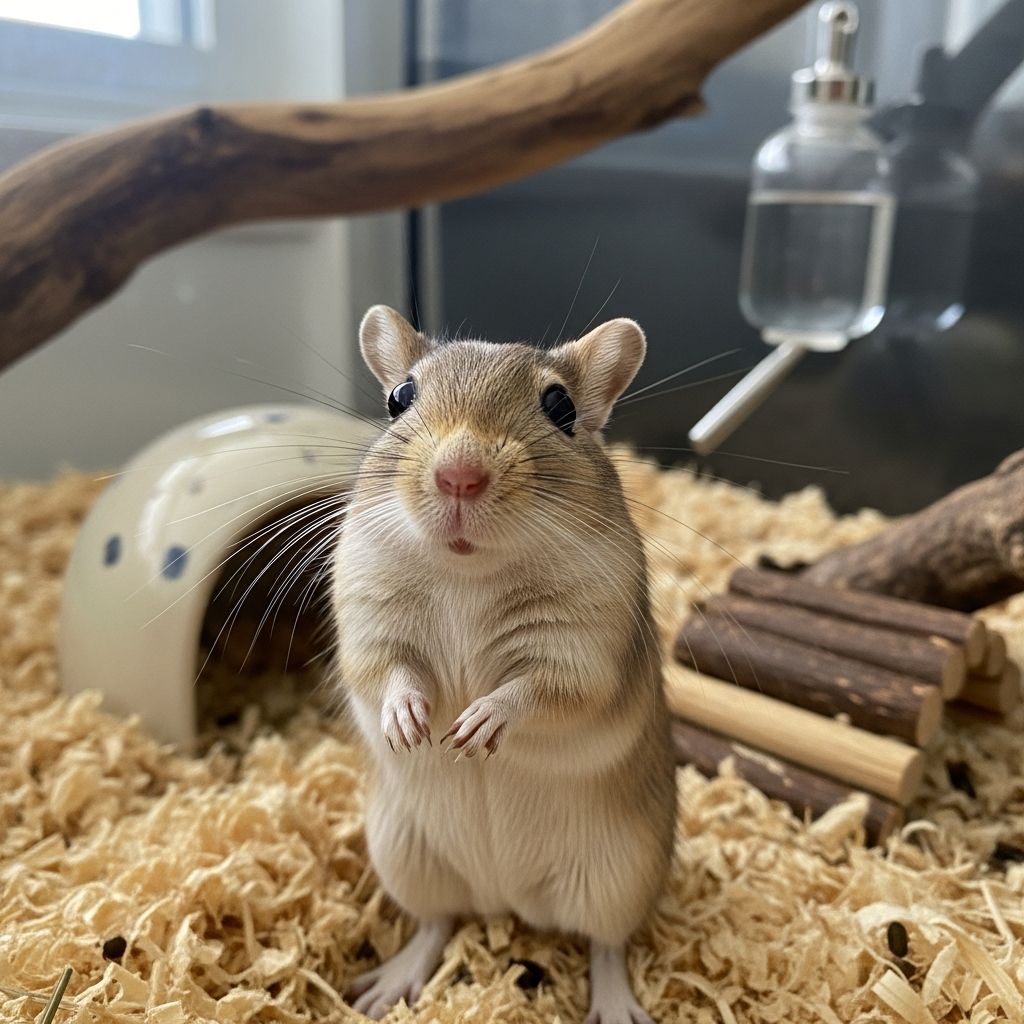
Gerbils make engaging and active pets when provided with proper care tailored to their natural behaviors and needs. These small rodents thrive in environments that mimic their desert origins, emphasizing deep burrowing substrates, social groupings, and specialized nutrition. Understanding their unique requirements helps prevent common issues like respiratory problems or dental overgrowth.
Creating the Ideal Living Space
A suitable habitat forms the foundation of gerbil well-being. Opt for a large glass tank or deep plastic enclosure at minimum 20 gallons for a pair, allowing ample room for burrowing and exploration. Wire cages can harm their noses and teeth through chewing, so solid-bottomed setups are preferable.
Line the enclosure with 6-8 inches of safe bedding such as paper-based products or shredded paper to support natural digging instincts. Avoid pine, cedar, or corn cob materials, which release harmful fumes or pose ingestion risks.
- Essential Habitat Features:
- Deep bedding layer for tunneling
- Nest box for security
- Wheels or exercise balls (supervised use only)
- Multiple hideouts and tunnels from toilet rolls or PVC pipes
- Chew toys like untreated wood blocks
Maintain stable temperatures between 65-75°F (18-24°C) away from drafts, direct sunlight, or heating vents to prevent stress or illness.
Nutrition for Optimal Health
A balanced diet supports gerbil vitality and prevents obesity or nutritional deficiencies. Base their meals on high-quality pelleted or lab block food available at all times, refreshed daily to ensure freshness.
Supplement with fresh vegetables every other day, such as carrots, kale, cabbage, squash, beets, or soaked sprouts, chopped into small pieces. Limit fruits due to high sugar content to avoid weight gain. Provide constant access to clean water via a chew-proof bottle or shallow bowl, changed daily.
| Food Type | Frequency | Examples | Portion Notes |
|---|---|---|---|
| Pellets/Lab Blocks | Daily, unlimited | Gerbil-specific formulas | Main diet staple |
| Vegetables | Every other day | Carrots, kale, squash | Bite-sized pieces |
| Fruits | Occasional treat | Apple slices (small) | Minimal to prevent obesity |
| Hay/Chews | Constant access | Timothy hay, wood blocks | For dental health |
Incorporate hay for roughage and wooden chews to naturally wear down ever-growing teeth.
Daily and Weekly Maintenance Routines
Consistent cleaning keeps gerbils healthy by reducing bacteria and ammonia buildup. Spot-clean daily by removing soiled bedding, uneaten food, and waste to maintain hygiene.
Perform full cleanouts weekly or biweekly: relocate gerbils to a safe temporary space, discard old substrate, wash enclosure and accessories with a 3% bleach solution or pet-safe disinfectant (let sit 10 minutes), rinse thoroughly, and dry completely before adding fresh bedding. Retain some used bedding to preserve scent familiarity and minimize stress.
- Relocate gerbils to carrier.
- Remove and dispose of bedding.
- Clean with disinfectant; rinse well.
- Dry fully.
- Add new bedding, toys, food, water.
- Return gerbils.
For multi-gerbil setups, clean every 3-6 weeks based on soiling levels.
Grooming and Hygiene Practices
Gerbils are proficient self-groomers, rarely needing baths that could cause chills or stress. Offer sand or dust baths 2-3 times weekly in a shallow dish filled with gerbil-safe, calcium-free sand like Reptisand. Limit sessions to 12 hours to prevent over-drying fur.
Spot-clean with unscented baby wipes if needed. Monitor nails; if curling or causing scratches, seek veterinary trimming as they naturally wear down through activity. Clean ears, eyes, and rear regularly during inspections for signs of discharge or matting.
Social Dynamics and Pairing Guidelines
Gerbils are highly social and should live in same-sex pairs or small groups to avoid loneliness-induced behaviors like depression or excessive chewing. Introduce unfamiliar gerbils gradually using a split-cage method: divide the enclosure, swap sides daily for scent familiarization, then remove divider once peaceful interactions occur.
- Monitor for aggression: chasing, boxing, or biting.
- Separate fighters immediately.
- Wait 3 days post-introduction before full cleaning.
Solitary gerbils may develop stereotypic behaviors; always house compatibly.
Recognizing and Maintaining Vibrant Health
Annual veterinary checkups are crucial, even for seemingly healthy gerbils. Bring photos of the habitat, diet, and setup for comprehensive advice. Transport in a secure, hard-sided carrier.
Healthy indicators include:
- Gleaming, smooth coat
- Clear, bright eyes
- Clean nose and rear
- Straight, aligned teeth
- Firm, formed droppings
- Active curiosity without lethargy
Watch for issues like fur loss, labored breathing, diarrhea, or appetite loss—prompt vet intervention is key. Lifespan averages 2-4 years with excellent care.
Enrichment for Mental Stimulation
Prevent boredom with rotating toys: tunnels, nest boxes, chew sticks, and play sand. Supervised exercise balls provide safe outdoor activity. Vary setups weekly to spark natural foraging.
Frequently Asked Questions (FAQs)
Can gerbils live alone?
No, they are social animals requiring companions to thrive emotionally.
How often should I clean the gerbil tank?
Spot-clean daily, full clean weekly to biweekly.
What bedding is safest for gerbils?
Paper-based or shredded paper; avoid wood shavings like pine.
Do gerbils need sand baths?
Yes, 2-3 times weekly for natural grooming.
How do I know if my gerbils are fighting?
Signs include wounding, squealing, or persistent chasing—separate immediately.
What vegetables can gerbils eat?
Safe options: carrots, kale, cabbage, squash in moderation.
Advanced Tips for Long-Term Success
For breeding pairs, provide extra nest boxes and monitor closely, but note most pet owners should avoid breeding due to overpopulation. Elderly gerbils may need softer foods and assisted grooming. Track weight monthly to catch issues early. Join gerbil enthusiast communities for breed-specific advice, always prioritizing vet consultations.
Invest in quality supplies: stainless steel bowls resist chewing, and secure lids prevent escapes. Seasonal adjustments like added warmth in winter enhance comfort.
References
- Gerbil Care Guide: Habitat, Diet, and Daily Care — PetMD. 2023. https://www.petmd.com/exotic/gerbil-care-sheet
- Gerbil Care Guide — Little Critter Crew. 2023. https://littlecrittercrew.org/gerbil-care-guide/
- Gerbil Care Sheet — Small Angels Rescue. 2014-07. https://www.smallangelsrescue.org/wp-content/uploads/2014/07/SARI-Gerbil-Care-Sheet.pdf
- Caring for your pet gerbil — Blue Cross. 2023. https://www.bluecross.org.uk/advice/gerbil/caring-for-your-gerbil
- Gerbil Care Sheet & Supplies — PetSmart. 2023. https://www.petsmart.com/learning-center/small-pet-care/gerbil-care-guide/A0333.html
- Gerbil Hamster Pet Care Sheet — Pets in the Classroom / Pet Care Trust. 2024-10. https://petsintheclassroom.org/wp-content/uploads/2024/10/GC-Pet_Care_Trust-gerbil-HUSBANDRY-W-Ox-RVH.pdf
- Keeping Gerbils As Pets — RSPCA. 2023. https://www.rspca.org.uk/adviceandwelfare/pets/rodents/gerbils
Similar Articles








Read full bio of Sneha Tete