Gerbil Breeding Guide: Expert Tips For Healthy Litters
Master the essentials of breeding gerbils successfully, from pairing to pup care, for healthy colonies and thriving pets.
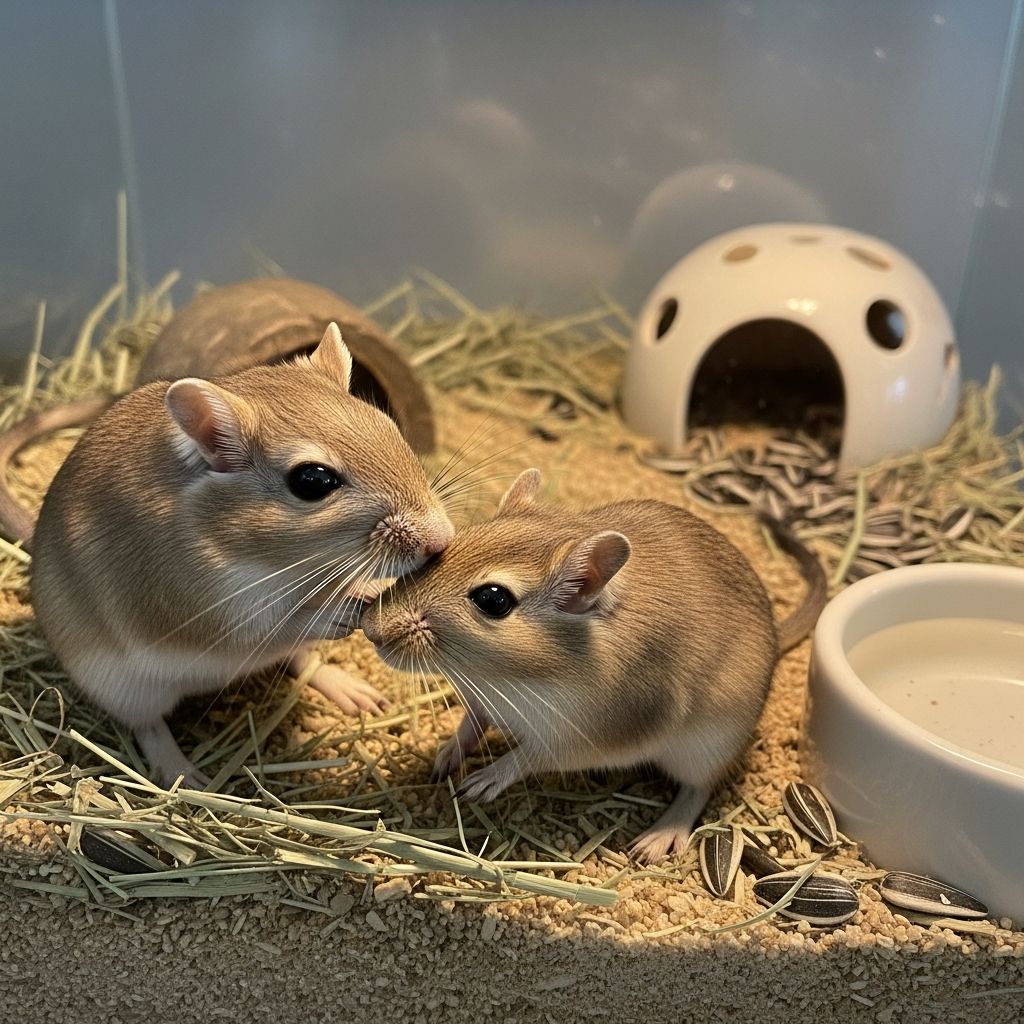
Breeding gerbils can be a rewarding endeavor for pet owners interested in expanding their colonies responsibly. These small rodents, known for their social nature and monogamous tendencies, have specific reproductive patterns that require careful management to ensure the health of both parents and offspring.
Understanding Gerbil Reproductive Biology
Gerbils exhibit a polyestrous reproductive cycle, meaning females experience multiple estrus periods throughout the year without a defined breeding season. This cycle typically lasts 4-6 days, with ovulation occurring spontaneously. Females become receptive to mating during the estrus phase, which repeats frequently, allowing for potential litters several times annually if not managed.
The reproductive lifespan of gerbils generally spans up to 18 months from the onset of maturity, though fertility declines with age, leading to smaller litters. Monogamous pairing is common, as gerbils form stable bonds that support consistent breeding success.
Age of Sexual Maturity in Gerbils
Gerbils reach sexual maturity between 65-85 days for females (first estrus possibly as early as 35 days) and 70-85 days for males. Most sources recommend waiting until around 3 months (90 days) to pair them, ensuring full physical and behavioral development to minimize risks like aggression or poor fertility.
- Females: Breeding onset 65-85 days, but pair at 3 months for optimal health.
- Males: Maturity at 70-85 days; scrotal bulge visible by 6 weeks aids sexing.
- Early pairing risks: Smaller litters, maternal stress, or incompatibility.
Proper timing prevents issues like ovarian cysts in older females, a primary infertility cause.
Estrous Cycle Phases and Mating Behavior
The gerbil estrous cycle includes distinct phases: proestrus (preparation with increased nesting), estrus (peak fertility and mating acceptance), metestrus, and diestrus (progesterone support or cycle reset). Mating often occurs nocturnally, identified by chasing, mounting, and underside checking rituals. A copulatory plug forms, though vaginal smears confirm sperm presence more reliably.
| Phase | Duration/Characteristics | Breeder Observations |
|---|---|---|
| Proestrus | Organ preparation | Nest building, mate interest |
| Estrus | 4-6 days cycle peak | Female accepts male; frequent opportunities |
| Diestrus | Post-mating | Supports implantation or resets cycle |
Postpartum estrus happens in 60-85% of females, enabling back-to-back pregnancies if males remain.
Gestation Period and Pregnancy Management
Gestation averages 24-26 days, potentially extending to 42 days with delayed implantation during lactation. Females may not appear pregnant until late, but provide quiet nesting areas with soft materials early.
Litters average 4-6 pups (range 1-9), born hairless, blind, and deaf, weighing about 3 grams. Maternal nutrition is critical for the first 2-3 weeks of nursing.
- Prepare: Warm, stress-free enclosure; high-protein diet.
- Monitor: Avoid disturbances; separate if aggression occurs.
- Avoid: Pesticides, toxins, overcrowding to prevent infertility.
Birth Process and Neonatal Care
Births typically occur early morning, with litters of 4-8 pups common. Cannibalism is rare, usually in first small litters. Pups depend on mother’s milk until weaning at 21 days (20-25 grams).
Sex pups at birth by anogenital distance: greater in males. Keep family intact until 6-8 weeks to support bonding, then separate juveniles to prevent inbreeding.
Raising Healthy Gerbil Pups
Weaning at 3 weeks marks independence; introduce solid foods gradually. Juveniles reach maturity quickly, necessitating separation by sex at 6-8 weeks. Monitor for defects like clubbed feet.
Co-breeding arrangements share pups between breeders, aiding placement. Maintain genetic diversity by pairing unrelated individuals.
Common Breeding Challenges and Solutions
Infertility stems from cysts, age, immaturity, nutrition, toxins, overcrowding, or incompatibility. Older females suffer reduced litter sizes.
| Issue | Causes | Solutions |
|---|---|---|
| Infertility | Ovarian cysts, toxins | Vet checks, toxin-free environment |
| Small litters | Age, inbreeding | Pair young unrelated gerbils |
| Aggression | Overcrowding | Spacious cages, early separation |
Track breeding records for intervals, preventing exhaustion.
Ethical Breeding Practices
Limit litters to 4-6 per pair over their reproductive life to avoid health decline. Ensure homes for pups; avoid hoarding. Promote welfare with proper housing, diet, and socialization.
Frequently Asked Questions (FAQs)
How often can gerbils breed?
Females cycle every 4-6 days; postpartum estrus allows frequent litters, but space 4-6 weeks for health.
What is the average litter size?
Typically 4-6 pups, ranging 1-9.
When to separate gerbil pups?
At 6-8 weeks by sex to prevent breeding.
Do gerbils need special care during pregnancy?
Yes: quiet nest, nutrition, no stress.
Can gerbils breed year-round?
Yes, polyestrous nature supports continuous breeding.
References
- Gerbil Breeding Tips and Care Guide for Healthy Pets — Jungle Aquatics. 2023. https://jungleaquatics.com/blogs/news/gerbil-breeding-tips-to-raise-healthy-pets
- Breeding and Reproduction of Gerbils — Merck Veterinary Manual. 2023-10-17. https://www.merckvetmanual.com/all-other-pets/gerbils/breeding-and-reproduction-of-gerbils
- Biology of the Gerbil — Louisiana Veterinary Medical Association. 2022. https://lvma.org/Main/LVMA/For_Pet_Owners/Educational_Material/Biology_of_the_Gerbil.aspx
- Breeding — American Gerbil Society. 2024. https://www.agsgerbils.org/gerbilpedia/breeding
- Leaflet 2 Breeding Gerbils — Gerbils.co.uk. 2014-10. http://gerbils.co.uk/wp-content/uploads/2014/10/Leaflet-2-Breeding.pdf
Similar Articles








Read full bio of medha deb