

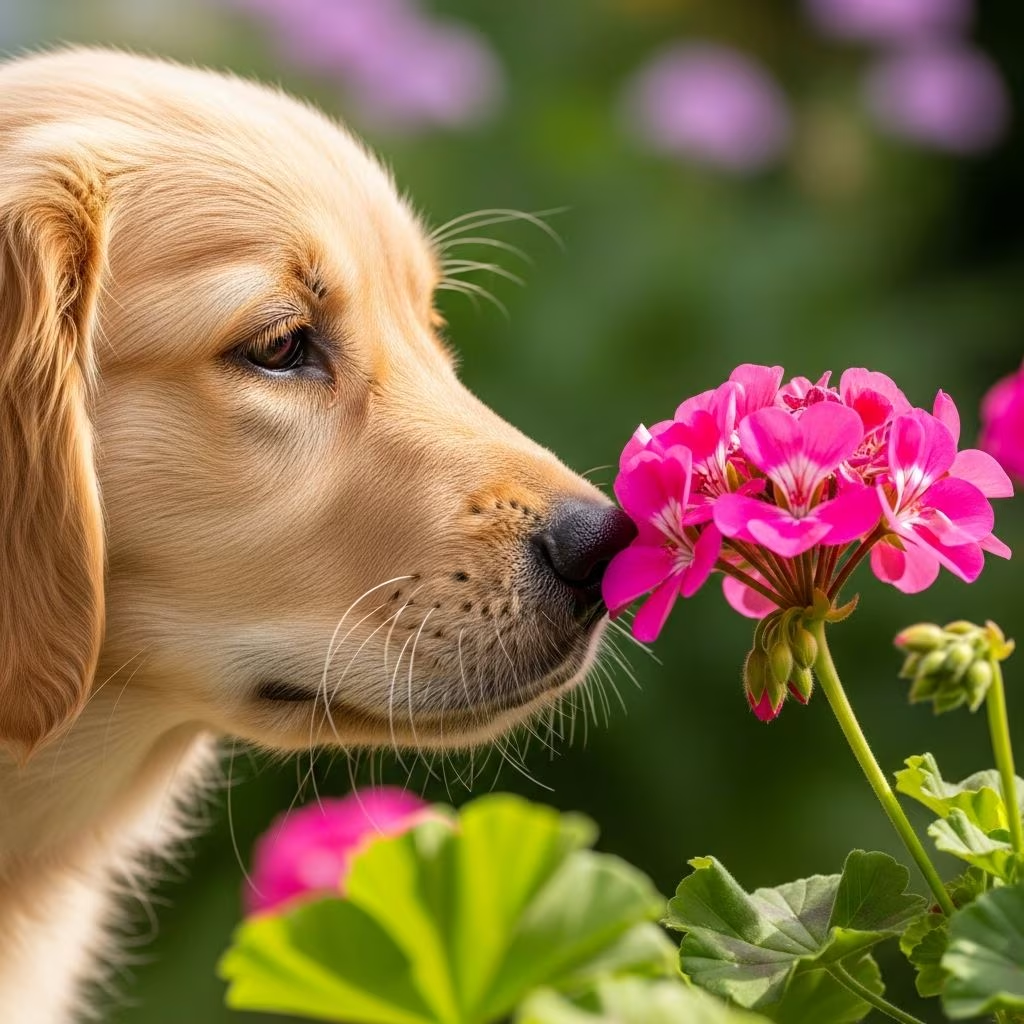
Geraniums, prized for their vivid colors and ease of growth, harbor compounds that make them dangerous for dogs. All parts of these plants contain geraniol and linalool, which trigger mild to moderate poisoning effects in canines upon ingestion or contact.
Understanding the Science Behind Geranium Toxicity
The primary culprits in geraniums—scientifically known as Pelargonium species—are essential oils like geraniol, an acyclic monoterpene alcohol, and linalool, a terpene alcohol. Geraniol irritates skin and eyes, while linalool burdens the liver, potentially sparking allergic responses or organ strain in dogs. These substances occur throughout leaves, stems, flowers, and roots, rendering the entire plant hazardous.
Dogs metabolize these compounds differently from humans due to their unique liver enzymes, amplifying sensitivity. Puppies face heightened risks from their exploratory chewing habits and smaller body mass. Unlike true geraniums (hardy cranesbills, genus Geranium), which are safe, the common ornamental Pelargoniums demand caution.
Common Exposure Scenarios in Everyday Settings
Indoor potted geraniums on windowsills tempt curious noses, while outdoor garden beds invite playful digging. Hanging baskets reduce access but don’t eliminate pollen drop or leaf fall risks. Essential oils derived from geraniums, used in diffusers or cleaners, concentrate these toxins, escalating dangers.
- Window sill pots within jumping reach
- Garden borders near play zones
- Fallen blooms on lawns
- Aromatherapy products nearby
Breeds like retrievers or terriers, prone to plant-munching, encounter issues more frequently.
Recognizing Early Warning Signs of Poisoning
Symptoms emerge swiftly, often within hours of exposure, aiding prompt intervention. Gastrointestinal distress dominates, alongside dermatological reactions.
| Symptom Category | Specific Signs | Onset Time |
|---|---|---|
| Gastrointestinal | Vomiting, diarrhea, loss of appetite | 30 minutes to 4 hours |
| Behavioral | Lethargy, depression, ataxia | 1-6 hours |
| Dermatological | Redness, rashes around mouth/muzzle, itching | Immediate to 2 hours |
| Ocular | Eye irritation, tearing | Upon contact |
Monitor for escalating severity; persistent vomiting or bloody stools signal urgency.
Step-by-Step Diagnosis Process
Veterinarians diagnose via history, clinical exam, and symptom assessment. Owners report plant access, ingestion estimates, and timelines. Physical checks reveal oral lesions or rashes; bloodwork evaluates liver function if linalool exposure is suspected.
- Gather exposure details and timeline
- Examine for contact dermatitis
- Assess hydration and vitals
- Consider toxicology hotline consult
ASPCA Animal Poison Control (888-426-4435) offers 24/7 guidance.
Effective Treatment Strategies
For minor ingestions, home care suffices: rinse affected areas with mild soap, remove plant debris from mouth, and withhold food briefly. Veterinary intervention for larger amounts includes emesis induction, activated charcoal, IV fluids, and anti-emetics.
- Mild cases: Observation, skin cleaning
- Moderate: Vomiting induction, gastroprotectants
- Severe (oils): Hospitalization, liver support
Prognosis excels with early action; full recovery typical within 48 hours.
Safe Plant Alternatives for Dog-Friendly Gardens
Opt for non-toxic flora to beautify without peril. These withstand canine antics while thriving in varied conditions.
| Plant Name | Appeal | Growth Needs | ASPCA Rating |
|---|---|---|---|
| Marigolds | Bright orange/yellow blooms | Full sun, well-drained soil | Non-toxic |
| Snapdragons | Tall spikes, bee-friendly | Partial shade, moderate water | Non-toxic |
| Petunias | Cascading colors | Sun, hanging baskets ideal | Non-toxic |
| Hardy Cranesbill (Geranium spp.) | Ground cover, purple flowers | Shade-tolerant | Non-toxic |
| Sunflowers | Towering seeds for snacks | Full sun | Non-toxic |
Incorporate mulch barriers and raised beds for extra safety.
Prevention Blueprint for Pet Owners
Proactive landscaping averts incidents. Elevate pots, fence gardens, and train ‘leave it’ cues. Scan for fallen debris post-storms.
- Elevate or hang plants out of reach
- Use pet-safe mulches
- Supervise outdoor time
- Label household toxins
- Annual yard audits
Pet insurance covers poisoning treatments, easing financial worry.
Geraniums in Broader Pet Contexts
Beyond dogs, geraniums threaten cats, horses, and rabbits similarly via identical mechanisms. Birds and livestock show variable tolerance, but avoidance prevails.
Frequently Asked Questions
Are all geranium varieties toxic to dogs?
Ornamental Pelargoniums yes; true hardy geraniums (Geranium genus) no.
What if my dog only sniffed the plant?
Skin or eye contact may irritate; rinse immediately.
How much geranium causes poisoning?
Even small amounts suffice for puppies; larger dogs tolerate more but risk remains.
Can geranium essential oil harm dogs indirectly?
Yes, vapors irritate airways; ban from homes.
Is vomiting always a poisoning sign?
No, but paired with lethargy or rashes, suspect plants.
Long-Term Garden Transformation Tips
Transitioning to a dog-safe haven involves soil testing, companion planting, and native species prioritization. Pollinator gardens with safe blooms enhance biodiversity sans risks. Community resources like extension services guide selections.
Regular trims prevent overgrowth temptations. Integrate play zones with turf or gravel to divert energy from flora.
References
- Are Geraniums Poisonous To Dogs? — TrustedHousesitters. 2023. https://www.trustedhousesitters.com/blog/pets/are-geraniums-poisonous-to-dogs/
- Are Geraniums Poisonous? — Plant Addicts. 2024. https://plantaddicts.com/are-geraniums-poisonous/
- Geranium Poisoning in Dogs — WagWalking. 2024. https://wagwalking.com/condition/geranium-poisoning
- Toxic Plant Garden — UC Davis School of Veterinary Medicine. 2023-01-30. https://www.vetmed.ucdavis.edu/toxic-plant-garden
- 26 Poisonous Plants to Dogs — Purina UK. 2023-11-20. https://www.purina.co.uk/articles/dogs/health/daily-care/poisonous-plants-to-dogs
- Geranium – Toxic and Non-toxic Plants — ASPCA. 2024. https://www.aspca.org/pet-care/aspca-poison-control/toxic-and-non-toxic-plants/geranium



