

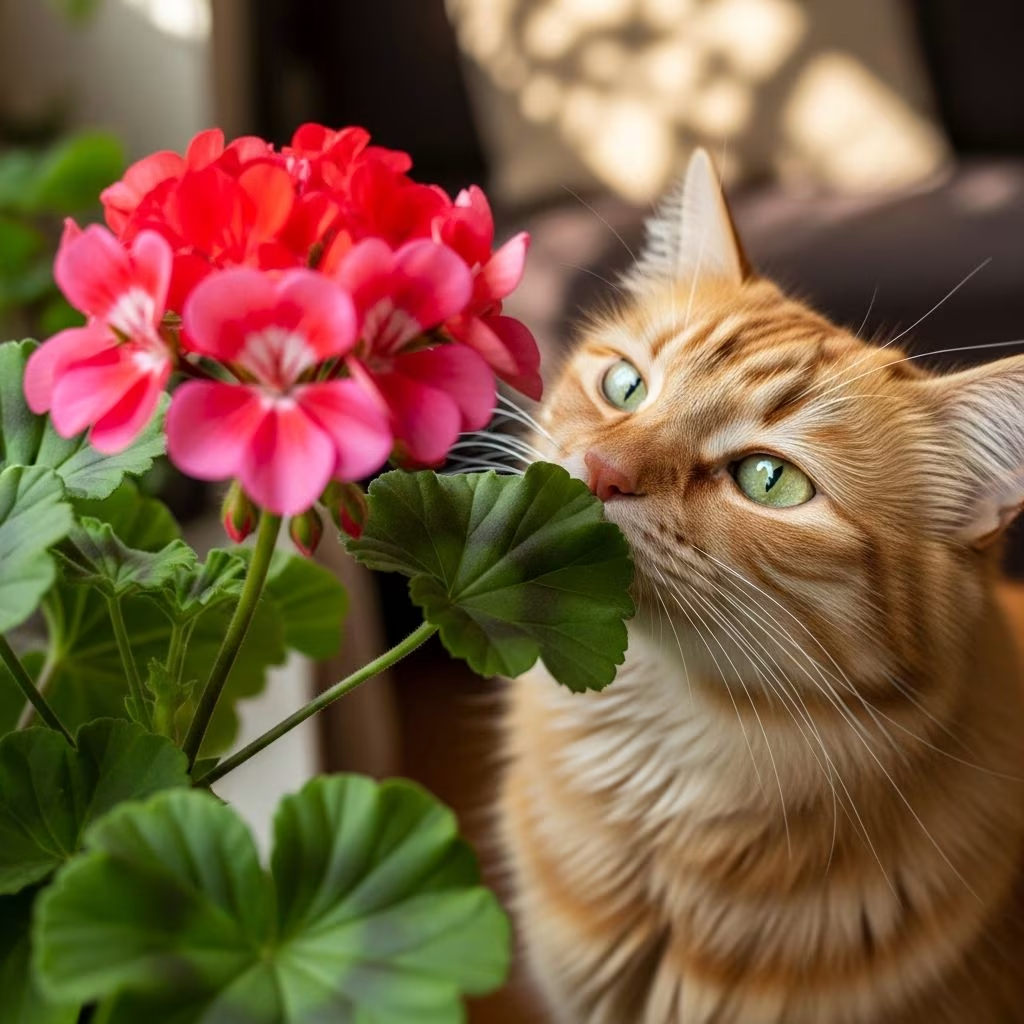
Pet ownership comes with numerous responsibilities, and one critical consideration is creating a safe home environment for your feline companion. Many cat owners enjoy decorating their living spaces with houseplants and garden flowers, yet not all botanical choices are suitable for homes with curious cats. Among commonly cultivated plants, geraniums present a particular concern due to their toxic properties. Understanding the risks associated with these popular ornamental plants is essential for protecting your cat’s health and wellbeing.
What Makes Geraniums Dangerous to Cats?
Geraniums, particularly scented varieties belonging to the Pelargonium genus, contain specific chemical compounds that pose health risks when ingested by felines. The primary toxic agents are geraniol and linalool, both of which are essential oils naturally present in geranium leaves, stems, and flowers. These compounds serve beneficial purposes for the plants themselves and for humans—they are frequently utilized as natural mosquito repellents and appear in various household products and cosmetics.
However, the same chemical properties that make geraniums effective at repelling insects render them hazardous to cats and several other animals. Cats lack certain enzymatic pathways in their livers that would allow them to metabolize these essential oils safely. This metabolic limitation means that even small quantities of geranium plant material can trigger adverse reactions in feline digestive and dermal systems.
Distinguishing Between Geranium Varieties
Not all plants commonly referred to as geraniums are equally dangerous to cats. The distinction between different geranium types is important for pet owners making landscaping and indoor plant choices. Scented geraniums, which encompass most popular ornamental varieties found in homes and gardens, are the primary concern. These plants are specifically cultivated for their aromatic properties and are the varieties most likely to cause toxicity issues in cats.
In contrast, cranesbill geraniums (genus Geranium, distinct from Pelargonium) are generally considered non-toxic to felines. This distinction can be confusing since both plant types share the common name “geranium.” When shopping for plants or planning a garden, verifying the botanical name and confirming whether a plant is a scented geranium variety versus another type is crucial for pet safety.
Recognizing Poisoning Symptoms in Your Cat
If your cat has access to geraniums and may have consumed plant material, vigilant observation for signs of toxicity is necessary. Symptoms typically manifest within hours of ingestion, allowing owners to take prompt action. The following signs may indicate geranium poisoning:
- Vomiting or repeated episodes of vomiting
- Diarrhea or gastrointestinal distress
- Loss of appetite or refusal to eat (anorexia)
- Depression, lethargy, or unusual tiredness
- Visible skin irritation or rashes, particularly on areas that contacted the plant
- Mouth irritation or excessive drooling
- Muscle weakness or lack of coordination in severe cases
The severity of symptoms depends on several factors, including the quantity of plant material consumed, the specific plant part ingested, and the individual cat’s size and sensitivity. Many cats experience only mild gastrointestinal upset that resolves without intervention, though monitoring remains important. However, if your cat consumed substantial amounts of geranium material, more serious complications could develop, warranting immediate veterinary consultation.
Severity Levels and Expected Outcomes
Geranium toxicity in cats is generally classified as mildly to moderately poisonous rather than life-threatening. This classification reflects clinical experience showing that geranium ingestion rarely results in fatal outcomes in feline patients. However, “mild” does not mean “without consequence”—affected cats still experience genuine discomfort and health disruptions that warrant prevention strategies.
Cats demonstrate particular sensitivity to geranium’s toxic compounds compared to other animal species. Their physiology makes them more vulnerable to the essential oils, meaning a dose that might cause minimal symptoms in a dog could produce more severe reactions in a cat. Additionally, kittens and senior cats may experience more pronounced effects than healthy adult cats due to their developing or declining metabolic functions.
What to Do If Your Cat Ingests Geranium
Discovering that your cat has consumed geranium material can be stressful, but a clear action plan helps ensure the best outcome. First, remain calm and avoid panic, as stress can further upset your cat. If you can safely identify and remove any remaining plant material from your cat’s mouth, do so gently. Do not force your cat to vomit unless specifically directed by a veterinarian, as this can sometimes cause additional harm.
Contact your veterinarian or a poison control hotline immediately, even if your cat shows no symptoms yet. Describe what was ingested, approximately when ingestion occurred, and your cat’s current condition. These professionals can assess whether your specific situation requires examination or treatment. Monitor your cat carefully over the following hours and days, noting any changes in behavior, appetite, bathroom habits, or physical appearance. Keep detailed records of these observations to share with your veterinarian if needed.
Prevention: The Most Effective Strategy
Rather than managing toxicity after the fact, prevention represents the most effective approach to protecting your cat. If you currently cultivate scented geraniums, consider removing them entirely from your home and garden, or relocating them to areas where your cat cannot access them. Even brief unsupervised access can result in ingestion, particularly if your cat is attracted to the plant’s scent.
For those unwilling to part with geraniums, secure placement is essential. Elevated shelves, locked rooms, or secure greenhouse spaces can keep plants away from feline access. Additionally, supervising your cat’s outdoor time in gardens where geraniums grow prevents inadvertent consumption. Installing barriers around planted areas or using plant cages provides extra protection for curious cats.
Creating a Cat-Friendly Garden and Home
Removing or restricting geraniums opens opportunities to cultivate a genuinely cat-safe environment filled with beautiful, aromatic plants that pose no health risks. Numerous plant varieties offer aesthetic appeal and fragrance comparable to geraniums without the associated toxicity concerns. Cat-safe alternatives include spider plants, Boston ferns, African violets, and cat grass specifically grown for feline consumption.
Consider incorporating plants specifically beneficial to cats, such as cat grass or catnip, which provide mental stimulation and enrichment. These options transform your home into a space where your cat can interact safely with vegetation. Consulting with veterinarians or feline specialists can help identify additional plant varieties suited to your climate and aesthetic preferences while maintaining complete safety for your pet.
Understanding the Broader Context of Plant Toxicity
Geranium toxicity represents just one category of plant-related hazards affecting cats. Many common household and garden plants pose similar or greater risks than geraniums, including lilies, sago palms, and oleander. Developing comprehensive knowledge about plant toxicity helps create a thoroughly safe environment for your feline companion. Resources like the ASPCA’s toxic plant database and poison control hotlines provide valuable information about specific plants you’re considering.
Cats’ natural curiosity and tendency to investigate their environment mean that providing a plant-free space or ensuring all plants are non-toxic represents the most reliable safety approach. Even cats that have never shown interest in eating plants may suddenly develop curiosity, particularly during periods of boredom or illness. Assuming your cat won’t eat plants proves unreliable; instead, establishing a completely safe environment eliminates risk entirely.
When to Seek Professional Veterinary Care
Certain situations warrant prompt veterinary attention rather than home observation. Seek immediate care if your cat displays severe symptoms including repeated vomiting, bloody vomit or stool, seizures, difficulty breathing, or loss of consciousness. Additionally, if your cat consumes large quantities of geranium material or if symptoms persist beyond a few hours despite initial mild presentation, professional evaluation becomes necessary.
Veterinarians can provide supportive care including fluid therapy to address dehydration, medications to manage vomiting or gastrointestinal upset, and monitoring for complications. Early intervention often shortens recovery time and prevents progression to more serious conditions. When in doubt, consulting a veterinarian represents the safest approach—the cost of preventive evaluation is far less than managing serious complications.
Practical Considerations for Multi-Pet Households
Households containing both cats and dogs require careful consideration, as many plants toxic to cats are also dangerous for canine companions. Geraniums rank among toxic plants for both species. Developing a comprehensive pet-safety strategy that protects all household animals from botanical hazards creates a unified, efficient approach. Plants that are safe for one pet species but toxic to another require extra-careful management or complete elimination from the home.
If you’ve maintained geraniums specifically because they’re dog-safe, remember that cat presence changes this calculation. Prioritizing the most vulnerable household member—in this case, your cat—ensures optimal safety for everyone. The aesthetic and aromatic benefits of any particular plant should never outweigh the health and safety of your beloved pets.
Frequently Asked Questions
Are all geraniums toxic to cats?
Not all geraniums are equally toxic. Scented geraniums (Pelargonium species) are the primary concern, while cranesbill geraniums are generally non-toxic. When purchasing plants, verify the botanical name to ensure you’re choosing cat-safe varieties.
How much geranium would cause serious poisoning?
Geranium toxicity severity depends on quantity consumed, plant part ingested, and individual cat factors. Consumption of a few petals typically causes mild symptoms, while eating multiple plants could produce more serious reactions. Cats are particularly sensitive, so assume any consumption warrants caution.
What’s the difference between geranium and pelargonium?
Botanically, these are distinct genera, though both are commonly called “geraniums.” Pelargonium species (scented geraniums) are toxic to cats, while Geranium species (cranesbill) are generally safe.
Can geranium poisoning be fatal in cats?
Geranium toxicity is rarely life-threatening to cats, though it certainly causes genuine discomfort and health disruption. Prevention remains preferable to managing any level of poisoning.
References
- Are Geraniums Toxic to Cats? — Hepper. 2024. https://articles.hepper.com/are-geraniums-toxic-to-cats/
- Toxic Plant Garden — UC Davis School of Veterinary Medicine. 2024. https://www.vetmed.ucdavis.edu/toxic-plant-garden
- Geranium Is Toxic To Cats — Pet Poison Helpline. 2024. https://www.petpoisonhelpline.com/poison/geranium/
- Scented Geranium — ASPCA Animal Poison Control Center. 2024. https://www.aspca.org/pet-care/aspca-poison-control/toxic-and-non-toxic-plants/scented-geranium
- Are Geraniums Poisonous to Cats? Vet-Verified Facts & Info — Catster. 2024. https://www.catster.com/cat-health-care/are-geraniums-poisonous-to-cats/
- Pets And Citronella Geraniums – Is Citronella Toxic To Pets — Gardening Know How. 2024. https://www.gardeningknowhow.com/edible/herbs/scented-geranium/pets-and-citronella-geraniums.htm



