

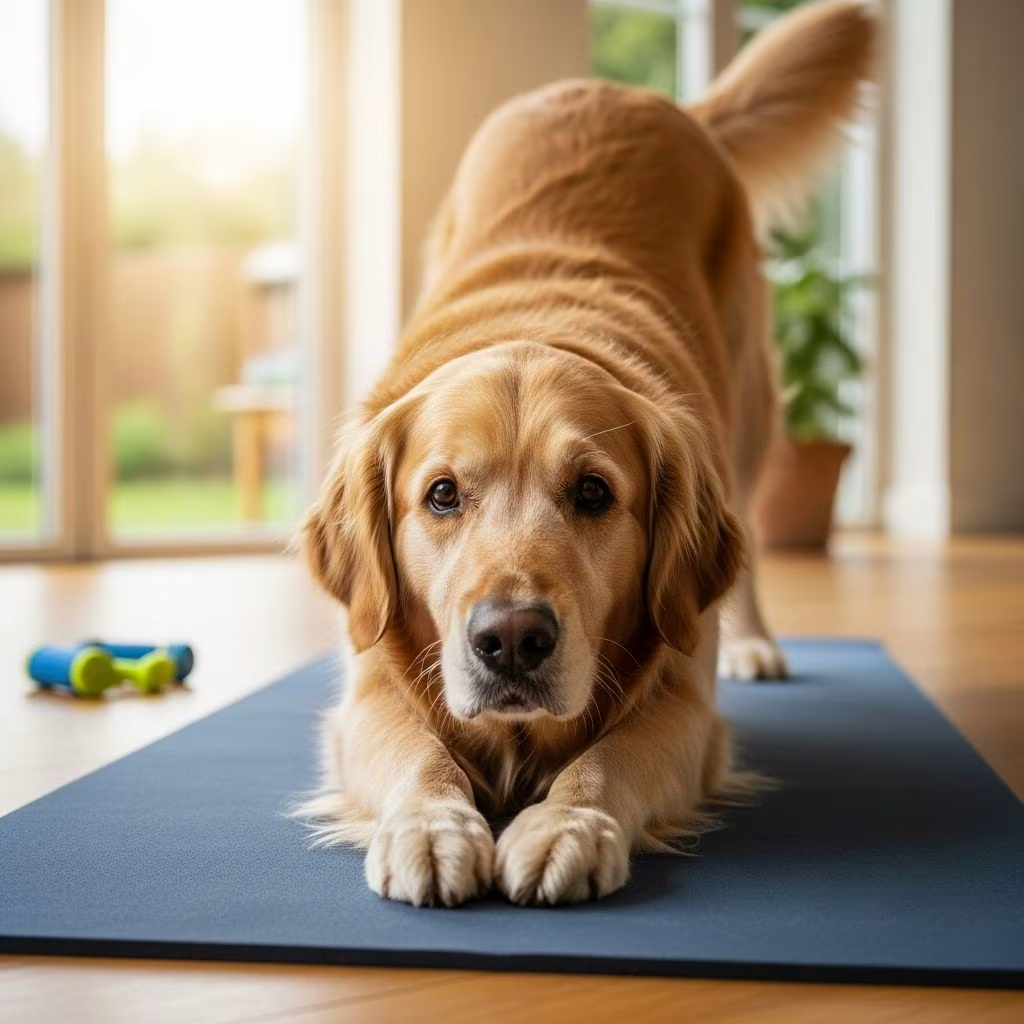
As dogs enter their golden years, maintaining physical activity becomes crucial for their overall well-being. Senior dogs, typically those aged 7 to 10 years depending on breed size, benefit from regular movement that supports joint health, preserves muscle tone, and enhances mental sharpness. Unlike vigorous play suitable for puppies, older canines require tailored routines emphasizing low-impact options to avoid exacerbating conditions like arthritis or hip dysplasia.
Understanding the Needs of Senior Dogs
Aging brings changes such as reduced stamina, joint stiffness, and slower recovery from exertion. Veterinary experts recommend 30 to 60 minutes of daily exercise, divided into shorter sessions to match their energy levels. Factors like breed, weight, and medical history influence ideal activities; smaller breeds may remain spry longer, while larger ones often need earlier modifications. Consulting a veterinarian ensures a personalized plan, especially if mobility issues or chronic pain are present.
Regular gentle exercise helps manage weight, improves circulation, and releases endorphins that alleviate discomfort. Studies indicate that consistent low-impact movement can enhance joint range of motion by up to 5% in just weeks for dogs with osteoarthritis. Neglecting activity risks muscle atrophy, obesity, and behavioral issues from boredom.
Essential Low-Impact Walking Routines
Walking remains the cornerstone of senior dog fitness due to its simplicity and adaptability. Opt for short outings of 10 to 15 minutes, repeated 2 to 3 times daily, allowing sniffing breaks that engage their senses. Softer surfaces like grass, dirt paths, or packed sand cushion joints better than concrete or asphalt, reducing jarring impacts.
- Begin slowly: Warm up with a leisurely pace to loosen muscles.
- Monitor weather: Avoid extreme heat or cold; early mornings or evenings work best in summer.
- Let them lead: Follow your dog’s speed to prevent fatigue.
For added safety, use booties on rough terrain and harnesses instead of collars to ease neck strain. Gradually increase duration if your dog shows enthusiasm without limping.
Hydrotherapy: The Joint-Friendly Workout
Water-based exercises stand out for their buoyancy, which unloads weight from joints while providing resistance for muscle building. Swimming or wading in chest-deep water suits dogs with arthritis, offering full-body conditioning without stress. Facilities with canine pools or underwater treadmills provide controlled environments, often improving mobility noticeably after sessions.
| Water Activity | Benefits | Tips |
|---|---|---|
| Pool Swimming | Low-impact cardio, joint flexion | Use life vest; supervise closely |
| Water Walking | Muscle tone, balance training | Knee-deep for starters; 10-15 min |
| Lake Wading | Fun exploration, mental stim | Pet-safe areas; easy entry/exit |
Start with 5-10 minute sessions 2-3 times weekly, watching for tiredness. Home bathtubs can work for small breeds if filled appropriately.
Mind-Body Games and Enrichment
Beyond physical motion, mental challenges keep seniors engaged. Hide-and-seek with treats or toys encourages gentle movement indoors. Low-ground fetch with soft balls or lures mimics chasing without jumps. Puzzle toys stuffed with kibble promote nose work and problem-solving, burning calories subtly.
- Tug with soft ropes: Builds grip strength safely.
- Scatter feeding: Turns meals into treasure hunts.
- Obedience refreshers: Short sessions reinforce bonds.
These activities combat cognitive decline, common in aging dogs, while providing light exercise.
Surfaces and Environments Matter
Choosing the right terrain prevents injuries. Prioritize forgiving materials:
- Grass fields: Ideal shock absorption.
- Dirt trails: Natural traction.
- Packed sand: Moderate give without excess sink.
Steer clear of slippery tiles, deep sand, or steep inclines. Indoor yoga mats create safe zones for home play.
Recognizing Limits and Overexertion Signs
Seniors can’t verbalize discomfort, so observe cues like heavy panting, reluctance to rise, joint licking, or behavioral shifts. Warm-ups prevent strains, and post-activity rest allows recovery. If symptoms appear, scale back and seek vet advice—adjustments might include pain management or therapy.
Nutrition and Supportive Care
Fuel workouts with senior-specific diets rich in glucosamine for joints and omega-3s for inflammation. Hydration is key, especially post-swim. Supplements like fish oil may aid, but vet approval is essential.
Sample Weekly Exercise Plan
| Day | Morning | Afternoon | Evening |
|---|---|---|---|
| Monday | 10-min grass walk | Puzzle toy play | Water wade 10 min |
| Tuesday | 15-min sniff walk | Hide treats | Rest/light stretch |
| Wednesday | Grass fetch (low) | Pool swim | Short indoor walk |
| Thursday | 10-min trail | Tug game | Water therapy |
| Friday | Sniff exploration | Rest | Evening wade |
| Weekend | Flexible based on energy | Mix activities | Recovery focus |
Adapt per your dog’s response; total 30-45 min daily.
Common Myths About Senior Dog Activity
- Myth: Old dogs shouldn’t exercise. Fact: Inactivity worsens health.
- Myth: One long walk suffices. Fact: Short bursts are gentler.
- Myth: All play is harmful. Fact: Modified games enrich life.
Frequently Asked Questions
How much exercise does a senior dog need daily?
Most require 30-60 minutes, split into sessions, tailored to health.
Is swimming safe for arthritic dogs?
Yes, it’s highly recommended for low-impact benefits.
What if my dog limps after walks?
Rest and consult a vet; shorten sessions or add joint support.
Can indoor activities replace outdoor ones?
Partially; puzzles and gentle play maintain fitness indoors.
When to stop certain exercises?
If pain signs persist despite modifications, prioritize vet-guided alternatives.
Implementing these strategies transforms senior years into vibrant ones. Consistent, compassionate routines foster longevity and joy.
References
- How to Exercise Your Arthritic Senior Dog Safely — Pet Hospice Vets. 2023. https://www.pethospicevet.com/how-to-exercise-your-arthritic-senior-dog-safely/
- Senior Dog Exercise: What’s Right For Your Pup? — Chewy. 2024. https://www.chewy.com/education/dog/health-and-wellness/senior-dog-exercise
- 7 Tips For Exercising Senior Dogs — KONG Company. 2023. https://www.kongcompany.com/7-tips-for-exercising-senior-dogs/
- Exercising Your Senior Dog — PetMD. 2024-02-17. https://www.petmd.com/dog/general-health/how-to-exercise-your-senior-dog
- Walking Senior Dogs: A Complete Guide — WalkAtxPets. 2024. https://walkatxpets.com/blog-videos/walking-senior-dogs-a-complete-guide-to-exercise-for-aging-pets/
- Senior Dog Fitness — Bull City Veterinary Hospital. 2025-06-25. https://bullcityveterinary.com/2025/06/25/senior-dog-fitness-helping-your-aging-pup-stay-active-durham/
- Keeping Your Senior Dog Active — The Grey Muzzle Organization. 2023. https://www.greymuzzle.org/resources/health-and-well-being-wellness-care-mobility/keeping-your-senior-dog-active



