

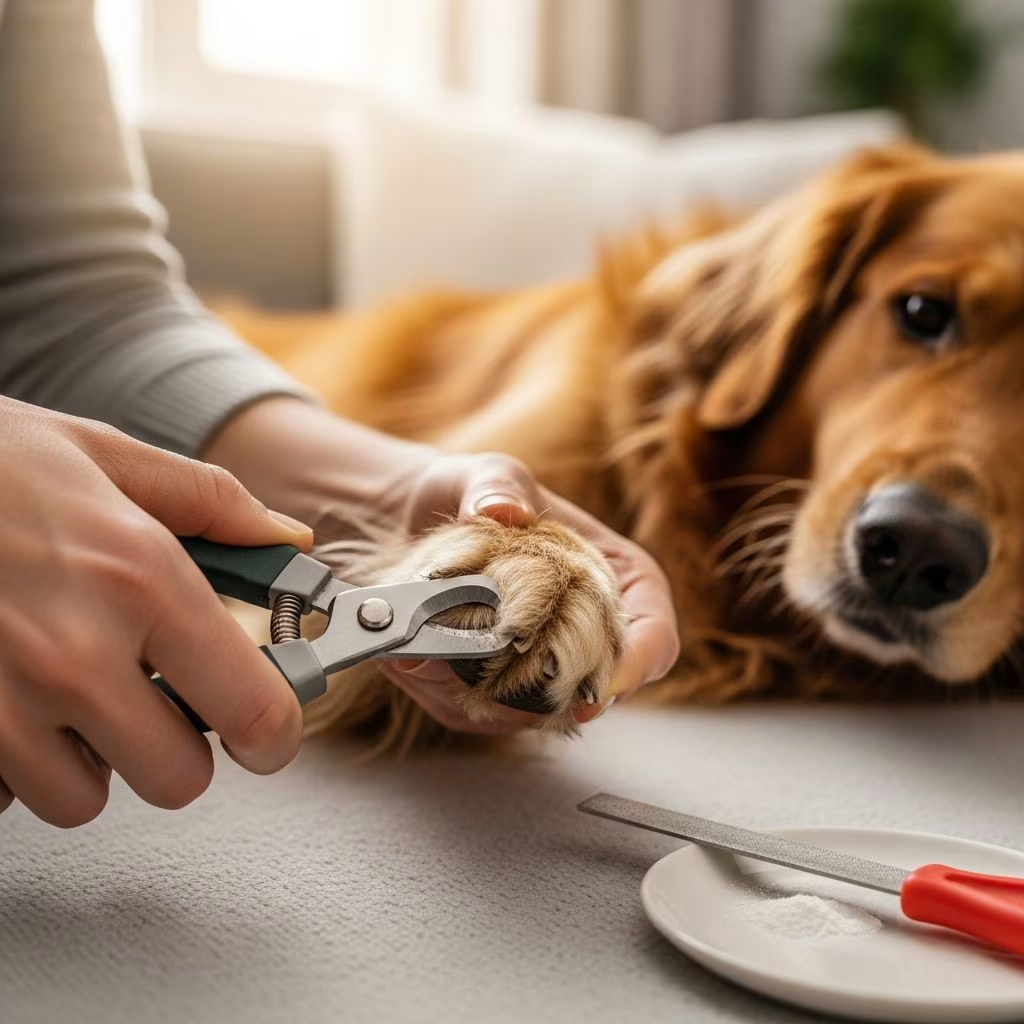
Regular nail maintenance is essential for your dog’s comfort and mobility, yet many pets dread the process due to fear or past negative experiences. This guide explores compassionate, reward-based approaches to transform nail trimming into a peaceful routine, prioritizing your dog’s emotional well-being and cooperation.
Why Nail Trimming Matters for Canine Health
Overgrown nails can cause pain, alter gait, and lead to joint issues or injuries. Short nails promote natural movement and prevent slipping on smooth surfaces. Health organizations emphasize routine paw care as part of preventive veterinary medicine.
References
- Dog Nail Anatomy and Trimming Guidelines — American Veterinary Medical Association. 2024-01-15. https://www.avma.org/resources-tools/pet-owners/petcare/nail-trimming-dogs
- Preventive Care for Small Animals — Centers for Disease Control and Prevention (CDC) Veterinary Guidelines. 2023-11-20. https://www.cdc.gov/healthypets/pets/dogs.html
- Force-Free Grooming Protocols — International Association of Animal Behavior Consultants. 2025-02-10. https://iaabc.org/journal/articles/force-free-grooming
- Positive Reinforcement in Veterinary Practice — Journal of Veterinary Behavior (Peer-reviewed). 2024-06-01. https://doi.org/10.1016/j.jveb.2024.05.003
- Canine Paw Health Standards — World Small Animal Veterinary Association. 2023-09-12. https://wsava.org/global-guidelines/veterinary-facility-standardization/
Understanding Your Dog’s Nail Structure
Dog nails consist of a hard outer keratin layer protecting the inner quick, a vascular tissue with nerves. In light nails, the quick is visible as a pink area; dark nails require cautious trimming to avoid it. Cutting the quick causes pain and bleeding, heightening fear. Grinders offer a safer alternative by filing gradually.
- Key Anatomy Points: Identify the quick by shine and translucency in light claws.
- Use proper lighting and tools like LED magnifiers for precision.
- Trim in small increments, checking after each cut.
Preparation Essentials for Calm Sessions
Before starting, gather high-value treats (e.g., cheese, chicken), clippers or grinder, styptic powder for mishaps, and a quiet space. Choose tools with comfortable grips: guillotine-style clippers for precision or rotary grinders for gradual reduction. Test tools on your own nails first to familiarize yourself with their action.
| Tool Type | Best For | Pros | Cons |
|---|---|---|---|
| Guillotine Clippers | Small to medium dogs | Quick cuts, affordable | Risk of over-cutting if inexperienced |
| Scissor Clippers | Puppies, dewclaws | Easy maneuverability | Less leverage on thick nails |
| Rotary Grinder | Fearful dogs, dark nails | Reduces quick risk, smooth finish | Noisier, longer sessions |
Building Trust Through Touch Desensitization
Begin with paw handling unrelated to tools. Sit comfortably and reward voluntary paw contact. Progress from brief touches to gentle massages, using a marker word like “yes” followed by treats. Sessions last 2-5 minutes, multiple times daily, to build positive associations without fatigue.
- Observe dog’s body language: relaxed ears, soft eyes indicate readiness.
- If tension arises, stop and regress to easier steps.
- Pair with play or meals for heightened positivity.
Over days, extend hold duration, simulating trim positions. This foundation prevents restraint needs.
Counter-Conditioning: Pairing Tools with Joy
Introduce clippers hidden initially, revealing for sniffing and rewarding curiosity. Advance to tapping nails without cutting, always delivering superior rewards. Condition separately for paw holds and tool sounds, then combine. Progress markers: dog remains relaxed as clippers near paw.
- Day 1-2: Visual/sound exposure only.
- Day 3-4: Light contact, no pressure.
- Day 5+: Actual tips trims, one nail per session initially.
Shaping Cooperative Paw Positions
Teach dogs to offer paws willingly using shaping—reward successive approximations. Start with rewarding glances at your lap, then paw lifts, culminating in sustained holds. This empowers dogs, fostering confidence over submission.
For example, position dog lying down for accessible nails. Place a lure treat forward, clip rapidly during anticipation, then release. Randomize rewards to maintain engagement. Within a week, many dogs clip multiple nails eagerly.
One-Nail-at-a-Time Success Strategy
Ideal for highly anxious pets, this method minimizes overwhelm. Cue a settle position, offer a stationary treat, clip one nail, then permit consumption. Repeat sparingly, interspersing non-reward clips. Dogs learn patience, associating brevity with positivity.
Consistency turns dread into delight; short, frequent wins build lasting tolerance.
Empowering Self-Filing Techniques
Innovative owners train dogs to file nails independently on abrasive surfaces like sandpaper boards. Shape paw-scratching behaviors with rewards, starting front paws. This eliminates human handling entirely, ideal for paw-sensitive breeds.
- Secure board to floor for safety.
- Use clickers for precise timing.
- Monitor for even wear; supplement rears manually if needed.
Grinding as a Low-Stress Alternative
Nail grinders buzz softly, filing incrementally to avoid quick hits. Desensitize via stages: powered-off proximity, then on at distance, progressing to paw contact. Short bursts (1-2 seconds) prevent overheating or anxiety. Oiled blades ensure smooth operation.
Troubleshooting Common Hurdles
Dog Pulls Away: Pause, reward stillness, resume at prior comfort level.
Accidental Quick Cut: Apply styptic powder firmly; comfort without coddling to avoid amplifying fear.
Dark Nails: Trim 1-2mm at a time, feel for give.
Noise Sensitivity: Muffle grinder or use battery-powered quiet models.
Frequently Asked Questions (FAQs)
How often should I trim my dog’s nails?
Every 3-6 weeks, depending on growth and lifestyle. Active dogs on rough terrain may need less frequent care.
What if my dog has extremely long nails?
Schedule professional help initially, then maintain with home sessions. Gradual reduction prevents soreness.
Are there breed-specific considerations?
Yes, sighthounds have thin quicks; heavy breeds need sturdy tools. Consult vets for tailored advice.
Can puppies be trained this way?
Absolutely—start early for lifelong ease. Use even smaller increments.
What treats work best?
Soft, smelly options like liver or hot dogs outperform kibble for motivation.
Long-Term Maintenance and Professional Help
Once proficient, integrate trims into weekly routines. Track progress in a journal. If fear persists, seek certified force-free groomers or trainers. Apps with reminders ensure consistency.
These methods not only solve immediate challenges but strengthen your bond, proving patience yields cooperative companions. With dedication, nail care becomes a highlight, not a battle.



