

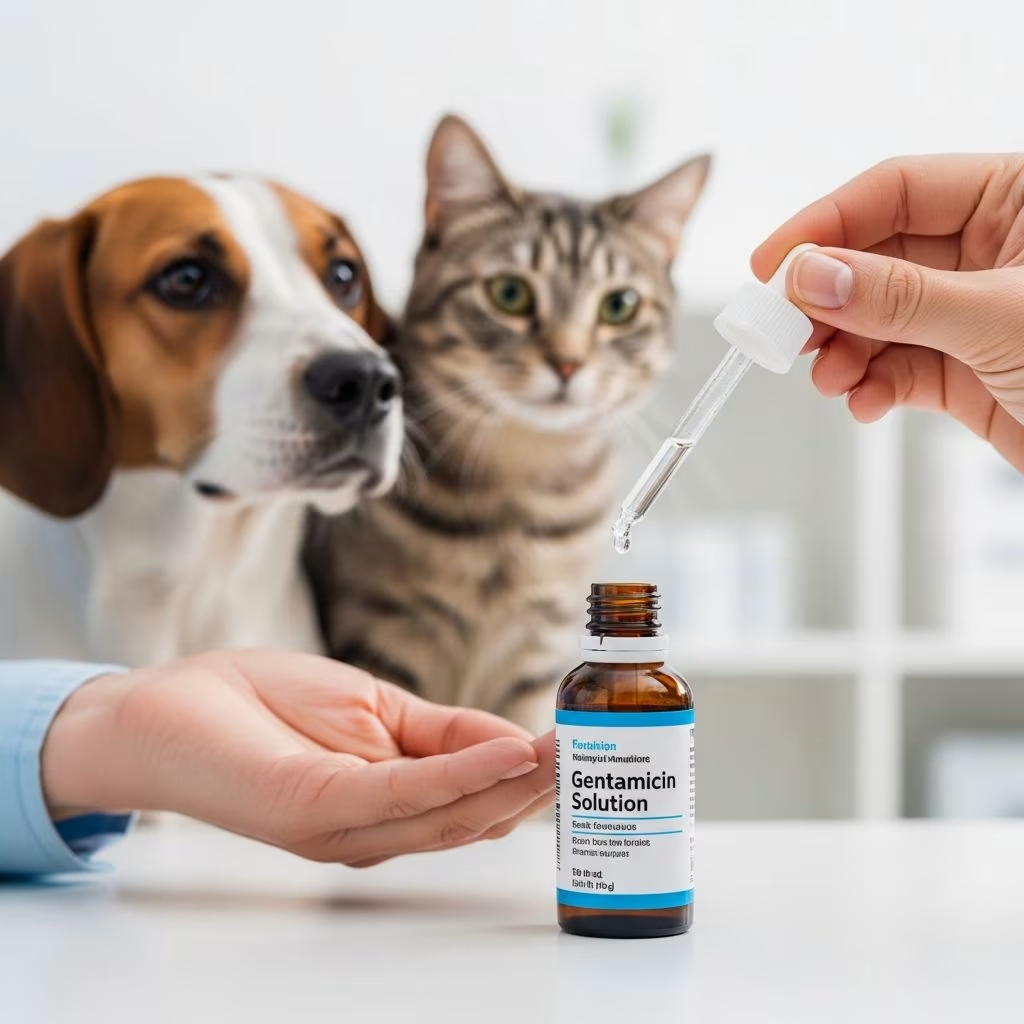
Gentamicin serves as a powerful aminoglycoside antibiotic prescribed for dogs and cats to combat various bacterial infections. By disrupting bacterial protein production, it effectively eliminates susceptible pathogens in areas like the skin, eyes, ears, respiratory system, and urinary tract.
Understanding the Mechanism of Gentamicin
This medication targets bacteria by binding to their genetic material, halting essential protein synthesis required for growth and survival. As a result, gentamicin proves bactericidal against a broad spectrum of gram-negative and some gram-positive organisms, making it suitable for serious infections.
Veterinarians select gentamicin for its rapid action, particularly when other antibiotics fail. However, its potency demands precise administration to avoid toxicity, especially in systemic forms.
Common Applications in Canine and Feline Medicine
Gentamicin addresses multiple infection types in pets:
- Skin infections: Topical sprays and ointments treat superficial wounds, hotspots, and pyoderma caused by bacteria like Pseudomonas.
- Eye conditions: Ophthalmic solutions manage conjunctivitis, keratitis, and corneal ulcers from susceptible strains.
- Ear infections: Otic preparations, often combined with steroids, resolve otitis externa linked to bacterial overgrowth.
- Systemic issues: Injections handle pneumonia, urinary tract infections (UTIs), sepsis, and respiratory tract invasions.
For dogs, topical forms hold FDA approval for skin and ear use, while cats benefit from similar applications under veterinary guidance. Injectable versions suit hospitalized patients requiring intensive care.
Available Forms and Administration Methods
Gentamicin comes in several formulations tailored to infection sites:
| Form | Primary Use | Examples | Notes |
|---|---|---|---|
| Injection (IV, IM, SQ) | Severe systemic infections | Gentocin® | Vet-administered only |
| Topical Spray | Skin wounds | GentaVed® | Avoid licks; apply gloves |
| Ointment | Skin, ears | GenOne™, Otomax® | Combos with antifungals |
| Eye Drops | Ocular infections | Gentocin® Durafilm® | 1-2 drops, 2-4x daily |
Topical options minimize absorption risks compared to injections, which demand blood monitoring for kidney function.
Dosage Guidelines for Dogs and Cats
Dosages vary by species, form, and condition severity. Always adhere to veterinary prescriptions.
- Dogs (injection): 5-7 mg/lb (10-15 mg/kg) once daily via IV, IM, or subcutaneous routes.
- Cats (injection): 3-4 mg/lb (5-8 mg/kg) once daily, with caution due to higher sensitivity.
- Topical/eye/ear: Apply 2-3 times daily; duration based on response, typically 7-14 days.
Complete the full course to prevent resistance, even if symptoms improve early. Adjustments occur for dehydrated, renal-impaired, or very young/old pets.
Potential Side Effects and Monitoring
While effective, gentamicin carries risks, particularly systemically:
- Ototoxicity: Hearing loss or balance issues from inner ear damage.
- Nephrotoxicity: Kidney damage; monitor via urine tests and bloodwork.
- Local reactions: Redness, itching, or swelling at application sites.
- Rare: Allergic responses, vomiting, or lethargy.
Topical use reduces these risks due to low systemic uptake. Pre-treatment kidney/liver checks and hydration support safe use.
Precautions and Contraindications
Avoid gentamicin in pets with:
- Known allergies to aminoglycosides.
- Pre-existing kidney or hearing disorders.
- Pregnancy or lactation (potential fetal harm).
Drug interactions include enhanced toxicity with diuretics or other nephrotoxins. Inform vets of all concurrent medications.
Step-by-Step Guide to Topical Application
For safe home use:
- Wear gloves; clean the affected area gently.
- Shake spray/ointment; apply thin layer without rubbing harshly.
- Prevent licking for 30 minutes post-application using cones if needed.
- Wash hands thoroughly; store at room temperature.
For eyes: Hold lid open, instill drops, gently massage to distribute.
When to Seek Veterinary Intervention
Contact your vet immediately if noticing:
- Worsening infection signs (increased pus, swelling).
- Side effects like unsteady gait, excessive thirst, or bloody urine.
- No improvement after 3-5 days of treatment.
Alternatives and Complementary Treatments
If gentamicin suits not, vets may opt for cephalexin, enrofloxacin, or clindamycin based on culture tests. Supportive care like wound cleaning or anti-inflammatories aids recovery.
Frequently Asked Questions (FAQs)
Can gentamicin treat all pet infections?
No, it targets specific bacteria; fungal or viral issues require different meds. Sensitivity testing ensures efficacy.
Is gentamicin safe for puppies or kittens?
Use cautiously; most approvals are for dogs. Vets assess based on age, weight, and health.
How long does treatment last?
Typically 7-14 days for topicals, longer for systemic. Follow vet directives to avoid relapse.
Can I use human gentamicin on my pet?
No; formulations differ. Pet-specific versions ensure safety and dosing accuracy.
Does gentamicin work on resistant bacteria?
Effective against many, but resistance emerges; complete courses prevent it.
Advancements in Veterinary Antibiotic Use
Recent guidelines emphasize stewardship: judicious prescribing, cultures, and short courses to curb resistance. Compounded forms allow customization for unique needs, though not FDA-approved.
Pet owners play a key role by reporting symptoms promptly and adhering to protocols, preserving antibiotic efficacy for future needs.
References
- Gentamicin (Gentocin®) for Dogs and Cats — PetPlace.com. 2023. https://www.petplace.com/article/drug-library/drug-library/library/gentamicin-gentocin-for-dogs-and-cats
- Gentamicin for Dogs and Cats — PetMD. 2024-01-15. https://www.petmd.com/pet-medication/gentamicin-dogs-and-cats
- Gentamicin Sulfate Ophthalmic Solution — PetCareRx. 2023. https://www.petcarerx.com/gentamicin-sulfate-ophthalmic-solution/11264
- Gentamicin Topical — VCA Animal Hospitals. 2024. https://vcahospitals.com/know-your-pet/gentamicin-topical
- Gentamicin – Otic — VCA Animal Hospitals. 2024. https://vcahospitals.com/know-your-pet/gentamicin—otic
- Label: GENTAMICIN SULFATE spray — DailyMed (NIH). 2023-05-10. https://dailymed.nlm.nih.gov/dailymed/drugInfo.cfm?setid=e732e591-fe4e-4fef-a9ea-ba3a0495995e



