

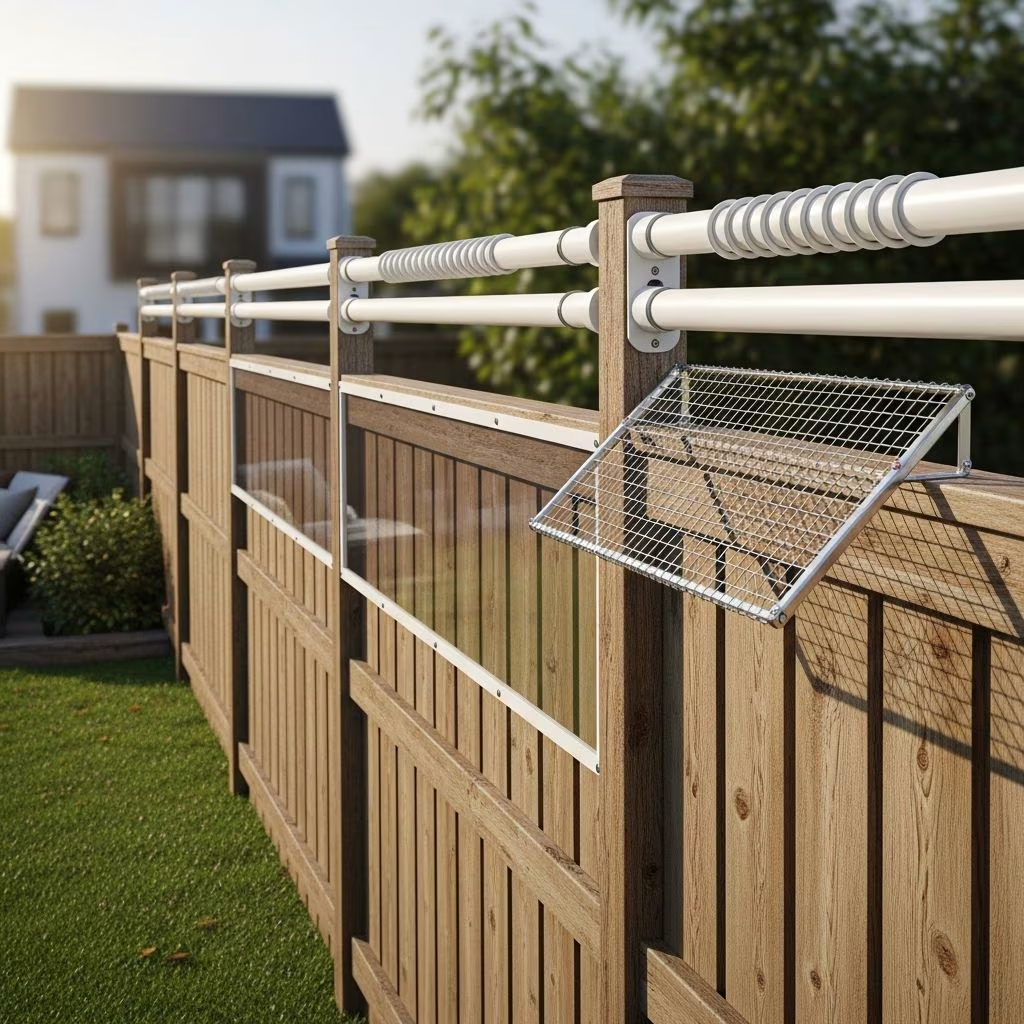
Keeping your cat safe while allowing them outdoor access is a top priority for responsible pet owners. Cats are natural explorers, but outdoor dangers like traffic, predators, and toxins pose serious risks. Cat-proofing your fence prevents escapes and ensures your feline friend enjoys the yard securely. These vet-approved methods, drawn from practical DIY guides and expert recommendations, transform any fence into a cat-safe barrier. Whether you have a wooden, chain-link, or vinyl fence, these solutions are adaptable, cost-effective, and proven effective.
Veterinarians emphasize that indoor-outdoor balance protects cats from diseases, fights, and injuries. A secure fence creates a safe haven. Methods range from simple overhangs to high-tech rollers, suitable for various budgets and skill levels. Always prioritize non-toxic materials and smooth edges to avoid paw injuries.
Why Cat-Proofing Your Fence Is Essential
Cats can jump up to six times their height and squeeze through tiny gaps, making standard fences vulnerable. Escape attempts lead to lost pets, with millions reported missing annually. Risks include cars, dogs, poisons, and territorial fights. Vet data shows outdoor cats face shorter lifespans due to these hazards.
Cat-proofing maintains mental stimulation from yard play while eliminating dangers. It’s cheaper than building enclosures and preserves neighbor relations by containing your cat. Assess your fence: height (minimum 6 feet), gaps, climbability, and gates first.
Method 1: Install Fence Rollers or Spinners
**The most popular and vet-recommended option**, fence rollers are PVC or metal tubes mounted on the top rail. When cats jump or climb, the roller spins, preventing grip. This non-harmful deterrent trains cats to abandon attempts quickly.
Pros:
- Highly effective for jumpers and climbers
- Works on wood, chain-link, vinyl
- Low maintenance, weather-resistant
- Visually unobtrusive
Cons:
- Initial cost ($5-15 per foot)
- Professional install for long fences
Installation Steps:
- Measure fence length; buy kits with brackets.
- Attach brackets to posts every 3-4 feet using screws.
- Slide PVC pipes (2-4 inch diameter) onto rails; secure ends.
- Test by pushing—ensure free spin.
Brands like Oscar’s Fence Toppers offer adjustable kits. Users report 100% success within weeks.
Method 2: Create an Overhang or Awning
Mimic a “cat cantilever” with a 45-degree outward overhang. Cats can’t hook claws on the angled surface, sliding back safely. Use chicken wire, mesh netting, or aluminum flashing.
Pros:
- DIY-friendly, inexpensive ($1-3 per foot)
- Effective for all fence types
- Customizable height
Cons:
- Requires precise angling
- May need reinforcement in wind
DIY Guide:
- Unroll 2-foot-wide chicken wire or PVC-coated mesh.
- Attach upper half to fence top with zip ties or staples.
- Bend lower half outward at 45 degrees; secure to supports.
- For wood fences, staple directly; use brackets for metal.
Leave 5-10 cm sag for wobble, deterring climbs. This method shines on gates too.
Method 3: Add Netting or Mesh Extensions
Extend fence height with durable netting, creating an unscalable barrier. Opt for 1-inch or smaller mesh to block escapes.
- Chicken wire, welded mesh, or pet-safe netting.
- Height extension: 2-3 feet above existing fence.
Installation:
- Count posts; buy brackets (30×30 cm, 90-degree angle).
- Drill holes in posts; bolt brackets securely.
- Cut mesh panels per side; attach with cable ties.
- Overlap corners; staple to wood fences.
Secure bottoms to ground with stakes. PVC-coated black mesh blends aesthetically.
Method 4: Build a Cat Cantilever or Roller Shelf
A shelf-like extension rolls or tips under weight. Combine PVC arms with rollers for dual action.
Materials: PVC pipes, elbows, brackets, zip ties.
Attach 12-inch horizontal PVC extensions every post, capped with rollers. Cats stepping on trigger spin or drop.
Method 5: Use Electric Fence Toppers (With Caution)
Low-voltage wires deliver mild shocks to climbers. Vets approve if used humanely, on top wires only.
Warning: Not for multi-cat homes; risk of injury if wet. Check local laws.
Method 6: Install Motion-Activated Sprinklers
Deterrent sprays water bursts at fence approaches. Humane, trains avoidance without fences.
- Place near weak spots.
- Solar-powered models available.
Method 7: Landscape Strategically
Remove climb aids: prune trees, bushes near fence. Add prickly plants atop (e.g., rose bushes) as natural barriers.
Method 8: Opt for Full Cat Enclosures or Catios
For ultimate safety, build screened patios. Modular kits expand yards safely.
Method 9: Reinforce Gates and Gaps
Gates are weak links. Add mesh panels, L-brackets at bottoms, auto-close hinges. Fill ground gaps with rocks or wood.
Method 10: High-Tech Solutions
GPS collars with geo-fences alert escapes. Ultrasonic deterrents emit cat-only sounds.
Frequently Asked Questions (FAQs)
What is the best way to cat-proof a fence?
The best method is fence rollers, as they are vet-approved, effective, and low-maintenance for most fences.
Can cats jump over a 6-foot fence?
Yes, agile cats can clear 6 feet easily; add toppers for security.
How much does it cost to cat-proof a fence?
DIY options range $100-500 for average yards; pro installs $1,000+.
Are fence rollers safe for cats?
Yes, they spin harmlessly, teaching cats without harm.
Will overhangs hurt my cat?
No, properly installed ones slide cats back gently.
Choosing the Right Method for Your Fence
Wooden fences suit staples and overhangs; chain-link needs zip ties and rollers. Budget under $200? Netting. Aesthetics key? PVC rollers. Test small sections first.
| Method | Cost per Foot | Difficulty | Effectiveness |
|---|---|---|---|
| Rollers | $5-15 | Medium | High |
| Overhang | $1-3 | Easy | High |
| Netting | $2-5 | Medium | Medium-High |
Maintenance Tips for Long-Lasting Cat-Proofing
Inspect quarterly: tighten ties, check spins, trim plants. Weatherproof with rust inhibitors. Monitor cat behavior—adjust if needed.
Consult vets for health checks post-install. Combine methods (e.g., rollers + netting) for 100% security.
These strategies ensure your cat thrives safely outdoors. Implement today for peace of mind.
References
- DIY Cat Proof Fence (STEP BY STEP GUIDE) — Wire Fence Co. UK. Accessed 2026. https://www.wirefence.co.uk/diy-cat-proof-fence/
- Catproof Your Yard — Instructables. Accessed 2026. https://www.instructables.com/Catproof-Your-Yard/
- How to Stop and Prevent Cat From Jumping Over Fence — YouTube (Video Tutorial). 2021. https://www.youtube.com/watch?v=4oMTOTBW1WQ
- 10 Simple Ways To Cat-Proof A Fence — Cats.com. Accessed 2026. https://cats.com/ways-to-cat-proof-a-fence



