

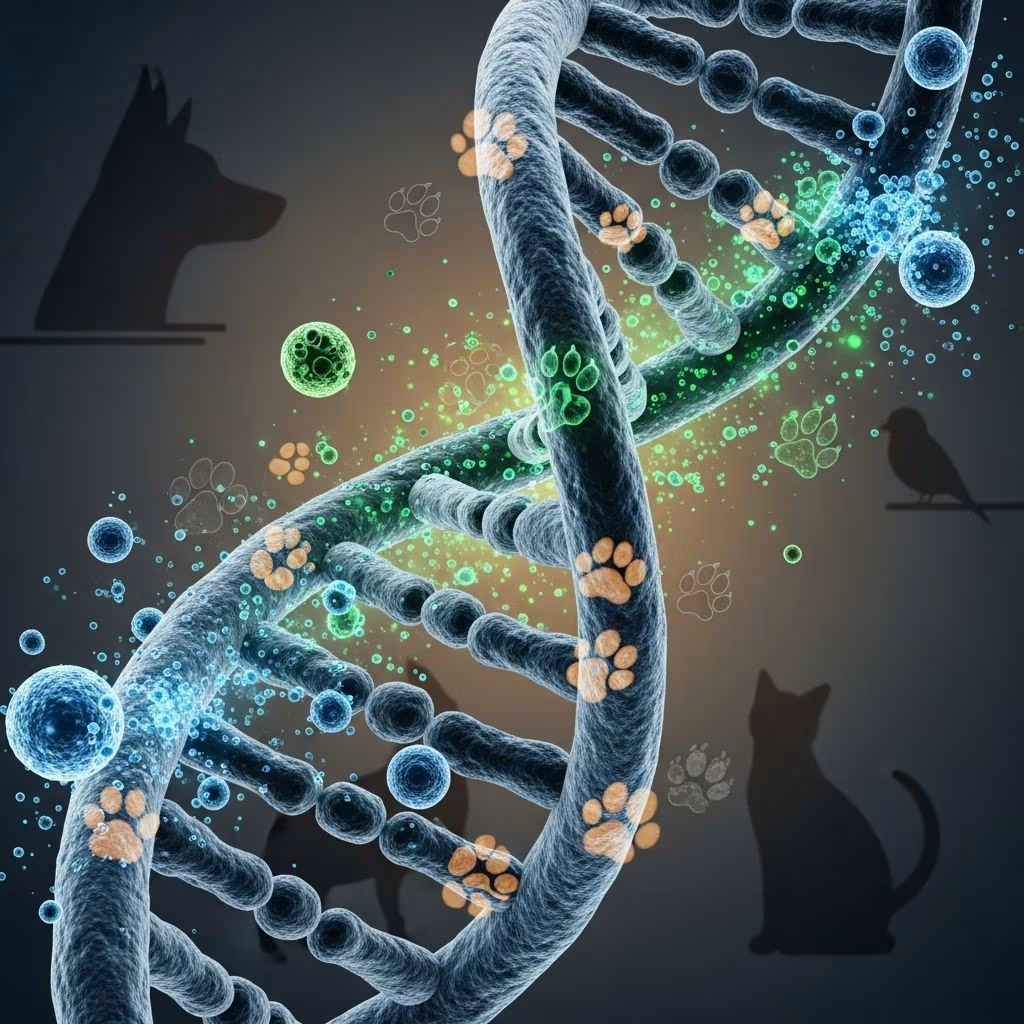
Genetics Basics: Understanding DNA in Pets
Deoxyribonucleic acid (DNA) is the blueprint of life, containing the complete genetic code that determines every aspect of an animal’s physical and biological makeup. In pets, DNA is found in the nucleus of every cell and is responsible for everything from coat color to susceptibility to certain diseases. Understanding the basics of DNA is essential for pet owners who want to learn more about their animal’s health, behavior, and inherited traits.
What Is DNA?
DNA is a long molecule that stores genetic information. It is composed of two strands that twist around each other to form a double helix. Each strand is made up of repeating units called nucleotides, which consist of a sugar, a phosphate group, and a nitrogenous base. The four nitrogenous bases in DNA are adenine (A), thymine (T), cytosine (C), and guanine (G). The sequence of these bases determines the genetic code.
How Does DNA Work?
DNA contains thousands of genes, which are specific sequences of DNA that code for proteins. Proteins are the building blocks of life and are responsible for carrying out most of the functions in a cell. Each gene provides instructions for making a particular protein, and the combination of all the proteins in an organism determines its traits.
How Is DNA Replicated?
When a cell divides, it must make a copy of its DNA so that each new cell receives a complete set of genetic information. This process is called DNA replication. During replication, the two strands of the DNA double helix are separated, and each strand serves as a template for the creation of a new complementary strand. The base pairing rules ensure that the new strands are identical to the original strands:
- Adenine (A) pairs with Thymine (T)
- Cytosine (C) pairs with Guanine (G)
Special enzymes help to unzip the DNA and build the new strands. Once replication is complete, each new cell has a complete set of DNA.
How Are Traits Inherited?
When an egg is fertilized by sperm, the new offspring inherits one chromosome from each parent. This results in paired sets of chromosomes, with two copies of each gene. Each copy of a gene is called an allele. For example, there may be a blue allele, green allele, brown allele, or other color for the eye color gene. Each animal receives one allele from its mother and one from its father.
Modes of Inheritance
The way a trait is expressed depends on the mode of inheritance. There are several different modes of inheritance, including:
- Autosomal Dominant: Only one copy of the allele is needed to express the trait. If an animal receives an abnormal allele from one parent and a normal allele from the other parent, the abnormal trait will be expressed.
- Autosomal Recessive: Both alleles must be the same for the disorder to be observed. An animal who carries one copy of the abnormal gene and one copy of the normal gene will not show signs of disease.
- Sex-Linked: Genetic disorders that are carried only on the X chromosome. Many of these disorders are recessive, and males are more likely to show signs of the disorder because they have only one X chromosome.
What Are Mutations?
Mutations are changes in the DNA sequence. They can occur during the life of an animal (acquired mutations) or can be inherited from a parent (present in all the body’s cells). Mutations can have no effect, or they can lead to changes in an organism’s traits and functions. Some mutations are beneficial, while others can cause genetic disorders.
Genetic Testing in Pets
Genetic testing is a simple way to learn more about your pet. It can provide information about breed, genetic condition predispositions, and inherited traits. Knowing your pet’s genetic makeup can help you make informed decisions about their health and care.
What Can Genetic Testing Tell Us?
- Breed: If your pet is a mixed breed, genetic testing can identify the breeds that contributed to the mix.
- Genetic Condition Predispositions: Many breeds are known to be prone to certain conditions, so knowing the breeds in the mix can help determine the approximate risk for a variety of conditions.
- Inherited Traits: Genetic testing can reveal information about inherited traits such as coat color, eye color, and other physical characteristics.
Importance of Genetic Testing
Genetic testing can help identify pets at risk for certain diseases, allowing for earlier diagnosis and treatment. It can also help breeders make informed decisions about breeding programs to reduce the incidence of genetic disorders.
FAQs
What is DNA?
DNA is a long molecule that contains the genetic code of an organism. It is found in the nucleus of every cell and is responsible for determining an animal’s traits and characteristics.
How is DNA replicated?
DNA is replicated during cell division. The two strands of the DNA double helix are separated, and each strand serves as a template for the creation of a new complementary strand. Special enzymes help to unzip the DNA and build the new strands.
What are genes?
Genes are specific sequences of DNA that code for proteins. Proteins are responsible for carrying out most of the functions in a cell and determine an organism’s traits.
What are mutations?
Mutations are changes in the DNA sequence. They can occur during the life of an animal or can be inherited from a parent. Mutations can have no effect, or they can lead to changes in an organism’s traits and functions.
What is genetic testing?
Genetic testing is a way to analyze an animal’s DNA to learn more about their breed, genetic condition predispositions, and inherited traits. It can help identify pets at risk for certain diseases and inform breeding decisions.
References
- Genetics Basics: Understanding DNA — VCA Animal Hospitals. 2023. https://vcahospitals.com/know-your-pet/genetics-basics—understanding-dna
- Genetics Basics: Modes of Inheritance — VCA Animal Hospitals. 2023. https://vcahospitals.com/know-your-pet/genetics-basics-modes-of-inheritance
- Genetic (DNA) Testing — VCA Animal Hospitals. 2023. https://vcahospitals.com/know-your-pet/genetic-dna-testing



