
Genetic Muscle Disorders In Horses: 8 Key Conditions & Care
Exploring inherited myopathies affecting horse muscle function, from diagnosis to management strategies for better equine care.
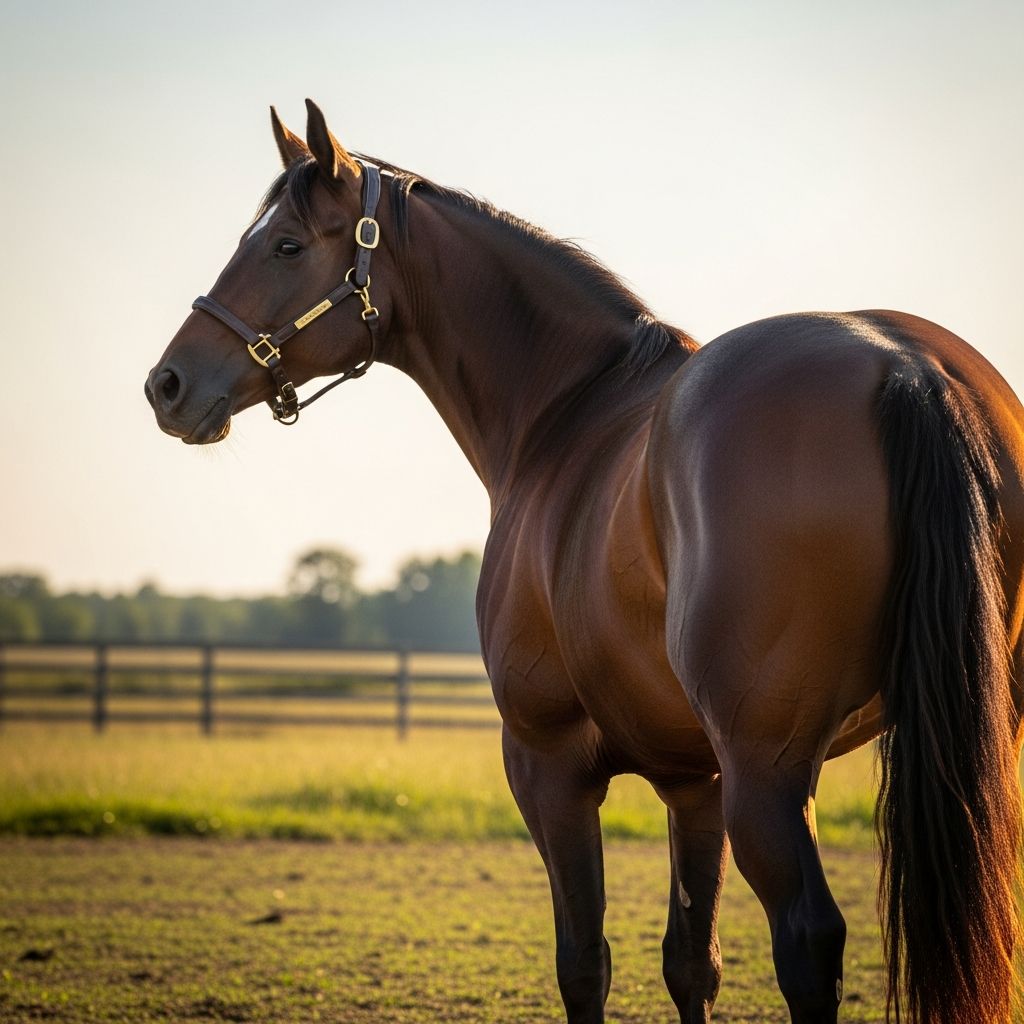
Horses rely on robust muscle function for performance, work, and daily movement. When genetic mutations disrupt this, various myopathies emerge, leading to stiffness, weakness, atrophy, or even collapse. These inherited conditions predominantly affect specific breeds like Quarter Horses, Thoroughbreds, and Warmbloods, often traceable to selective breeding for speed and strength. Understanding these disorders enables early detection, informed breeding decisions, and targeted management to preserve equine welfare.
Understanding the Roots of Equine Myopathies
Myopathies refer to diseases of the muscles, and in horses, hereditary forms arise from specific gene mutations passed from parents to offspring. Unlike acquired muscle issues from injury or overexertion, genetic myopathies manifest early or under triggers like exercise, infection, or stress. Common themes include faulty ion channels, enzyme deficiencies, abnormal protein storage, or immune dysregulation targeting muscle fibers. Breeds under intense selection pressure for muscle power, such as Quarter Horses, show higher prevalence due to carrier sires propagating mutations.
Diagnosis typically combines clinical signs, blood tests for elevated muscle enzymes (like CK and AST), muscle biopsies, and DNA testing. Genetic tests, available through labs like UC Davis Veterinary Genetics Laboratory, identify carriers before breeding, reducing disease incidence.
Key Genetic Myopathies and Their Characteristics
Several well-documented conditions highlight the diversity of muscle genetics in horses. Each has unique inheritance patterns, clinical presentations, and management needs.
Myosin Heavy Chain Myopathy (MYHM)
This condition, linked to a mutation in the MYH1 gene, presents in two forms: immune-mediated myositis (IMM) and non-exertional rhabdomyolysis. Autosomal codominant with variable penetrance, it affects Quarter Horses and relatives. Heterozygotes (N/My) or homozygotes (My/My) carry risk, but environmental triggers like infections or vaccinations often precipitate episodes.
- IMM Form: Rapid muscle wasting (up to 40% loss in 72 hours) along topline and hindquarters, stiffness, weakness, and reduced appetite. Muscle biopsies reveal lymphocytic infiltration, especially in gluteal muscles.
- Rhabdomyolysis Form: Sudden stiffness, short strides, recumbency, dark urine, and sky-high CK levels without inflammation. Homozygotes suffer more severe, persistent atrophy.
Prevalence reaches 29% in tested populations, with homozygotes rarer at 3%. Younger (<8 years) and older (>17 years) horses are most vulnerable. Recovery from IMM atrophy may occur in 2-3 months, but recurrences are common.
Polysaccharide Storage Myopathy (PSSM)
PSSM involves excessive glycogen buildup in muscles due to genetic defects. Type 1 (PSSM1) stems from a mutation in the GSH1 gene, autosomal dominant, widespread in Quarter Horses, Drafts, and Warmbloods. Type 2 (PSSM2) has multiple genetic causes and lower severity.
Symptoms include tying-up (rhabdomyolysis), firm hindquarters, pain, and reluctance to move, often post-exercise. Biopsies show amylase-resistant inclusions. Management focuses on low-starch diets, regular exercise, and avoiding triggers. DNA testing confirms status, crucial for breeding.
Hyperkalemic Periodic Paralysis (HYPP)
Caused by a sodium channel mutation (SCN4A gene), HYPP is dominant and traces to the Quarter Horse stallion Impressive. Affected horses experience episodic muscle fasciculations, weakness, paralysis, or collapse, with elevated serum potassium. Under anesthesia, it risks fatal malignant hyperthermia.
Signs include third eyelid protrusion, snoring respiration, and ataxia. Testing identifies N/N (clear), N/H (carrier, affected), or H/H (homozygote, severely affected). Breeding carriers is discouraged by equine registries.
Glycogen Branching Enzyme Deficiency (GBED)
A recessive lethal disorder from GBE1 mutation, GBED affects fetal development in Quarter Horses (9% carriers). Foals show weakness, hypoglycemia, leukopenia, and high CK/AST at birth, often fatal within days. No gross lesions, but tissues lack normal glycogen staining, showing crystalline inclusions.
Diagnosis via genetic testing or postmortem histology. Prevention relies on avoiding carrier matings.
Malignant Hyperthermia (MH)
Linked to the same sodium channel as HYPP but distinct, MH triggers under anesthesia: rigidity, hyperthermia, acidosis, and death. Quarter Horses and related breeds carry risk; genetic testing is essential pre-surgery.
Other Notable Conditions
- Mitochondrial Myopathy: Rare, with complex I deficiency causing lactic acidosis, exercise intolerance, and high mitochondrial density in biopsies.
- Recurrent Exertional Rhabdomyolysis (RER): Tied to calcium regulation genes, common in Thoroughbreds; leads to tying-up episodes.
- Myotonia: Dystrophic or non-dystrophic forms cause muscle stiffness and dimpling.
Clinical Signs and Diagnostic Approaches
Across myopathies, watch for:
- Muscle stiffness, cramping, fasciculations, or atrophy.
- Exercise intolerance, dark urine, recumbency.
- Episodic weakness or collapse.
Bloodwork reveals elevated CK (>1000 U/L), AST, and lactate. Ultrasound detects atrophy; biopsies confirm pathology (e.g., inclusions, inflammation). Genetic panels test multiple loci simultaneously for efficiency.
| Condition | Inheritance | Breeds | Key Signs | Test Availability |
|---|---|---|---|---|
| MYHM | Codominant | Quarter Horse | Atrophy, stiffness | Yes |
| PSSM1 | Dominant | Quarter, Draft | Tying-up, firm muscles | Yes |
| HYPP | Dominant | Impressive lines | Paralysis, fasciculations | Yes |
| GBED | Recessive | Quarter Horse | Foal weakness, death | Yes |
| MH | Dominant | Quarter Horse | Anesthesia crisis | Yes |
Breeding and Prevention Strategies
Genetic testing empowers breeders: clear (N/N) horses pose no risk; carriers require careful pairing. Registries like AQHA mandate HYPP N/N for registration in some lines. Avoid homozygote production in codominant traits like MYHM, where severity escalates.
Pre-purchase screening, pedigree review, and avoiding high-risk sires mitigate spread. Population studies guide: e.g., 29% MYHM carriers underscore testing urgency.
Treatment and Management Options
No cures exist, but supportive care helps:
- Diet: Low-starch, high-fat for PSSM; balanced electrolytes for HYPP.
- Exercise: Gradual, consistent to prevent episodes.
- Medications: Immunosuppressants for IMM; acetazolamide for HYPP.
- Monitoring: Regular CK checks, trigger avoidance (e.g., no live vaccines in MYHM).
Prognosis varies: IMM often recovers partially; GBED is fatal; PSSM manageable long-term.
Frequently Asked Questions (FAQs)
What breeds are most at risk for genetic myopathies?
Quarter Horses top the list for MYHM, HYPP, PSSM1, GBED; Thoroughbreds for RER; Drafts for PSSM.
Can horses with one copy of a mutation be bred?
Often yes for dominant traits if managed, but recessive lethals like GBED require carrier-free mates.
How do I test my horse for these conditions?
Submit mane/tail hair to certified labs like UC Davis VGL for panels covering multiple defects.
Is IMM the same as MYHM?
IMM is one presentation of MYHM; the other is rhabdomyolysis, both from MYH1 mutation.
Can myopathy-affected horses compete?
With management, yes for milder cases like PSSM; severe HYPP or MYHM homozygotes risk welfare issues.
Future Directions in Equine Muscle Research
Ongoing studies map new PSSM2 loci, environmental triggers for MYHM, and therapies like gene editing. Collaborative efforts from universities and vets advance testing accuracy and breed health.
References
- Myosin-Heavy Chain Myopathy (MYHM) — UC Davis Veterinary Genetics Laboratory. Accessed 2026. https://vgl.ucdavis.edu/test/myhm
- Congenital and Inherited Anomalies of the Musculoskeletal System in Horses — Merck Veterinary Manual. Accessed 2026. https://www.merckvetmanual.com/musculoskeletal-system/congenital-and-inherited-anomalies-of-the-musculoskeletal-system/congenital-and-inherited-anomalies-of-the-musculoskeletal-system-in-horses
- IMM in Horses: What It Is and How to Manage — PetMD. Accessed 2026. https://www.petmd.com/horse/conditions/musculoskeletal/imm-in-horses
- Hereditary and Congenital Myopathies in Horses — Merck Veterinary Manual. Accessed 2026. https://www.merckvetmanual.com/musculoskeletal-system/myopathies-in-horses/hereditary-and-congenital-myopathies-in-horses
- Genetic muscle disease in horses — University of Minnesota College of Veterinary Medicine. Accessed 2026. https://vetmed.umn.edu/equine/research/equine-genetics-and-genomics-laboratory/projects/genetic-muscle-disease-horses
- Position on Genetic Defects — American Association of Equine Practitioners (AAEP). Accessed 2026. https://aaep.org/resource/genetic-defects/
Similar Articles








Read full bio of Sneha Tete


