

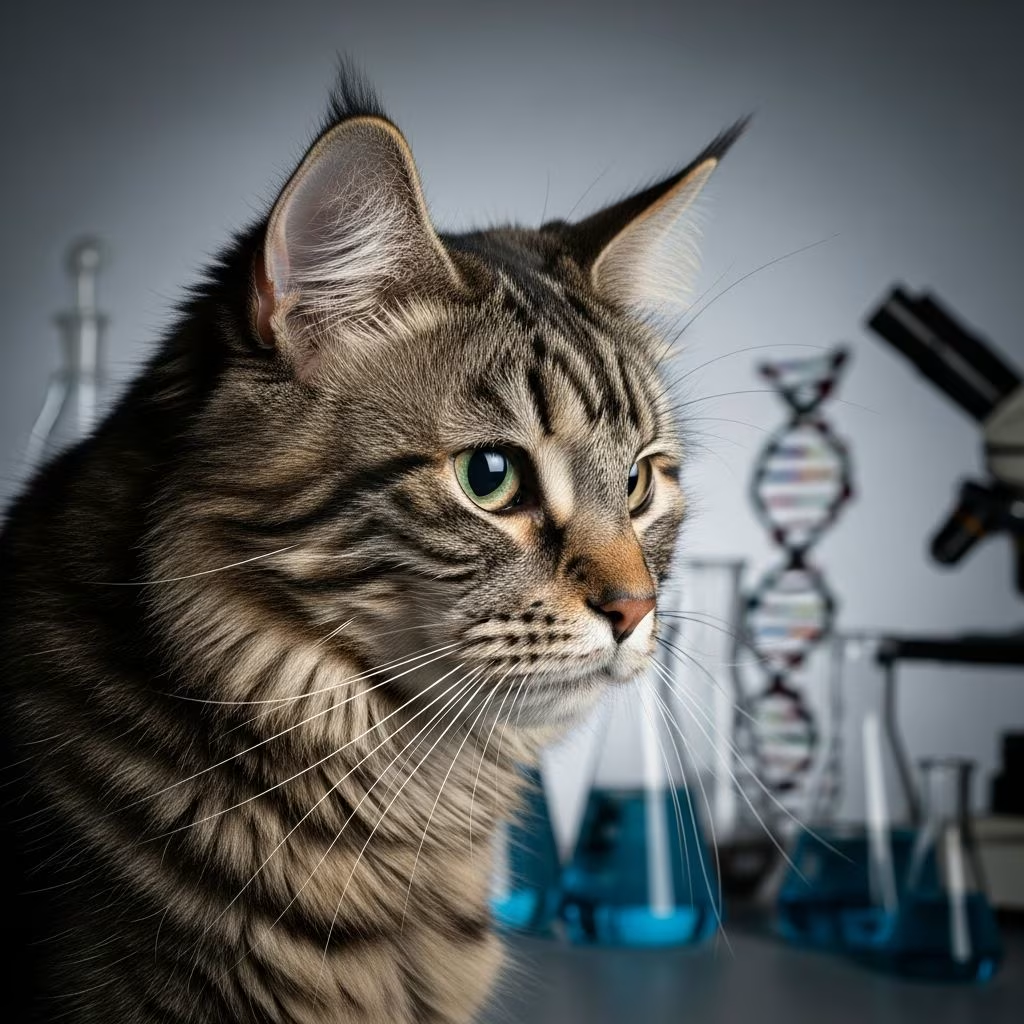
Inbreeding among cats occurs when closely related individuals mate and produce offspring, resulting in significantly reduced genetic diversity within their lineage. This practice, whether intentional through selective breeding or occurring naturally in isolated cat populations, carries profound implications for feline health and longevity. While some degree of inbreeding occurs necessarily in pedigree cat development to maintain breed standards and desired physical traits, excessive inbreeding can lead to a cascade of health complications that compromise quality of life and survival rates.
The Foundation of Inbreeding in Feline Populations
Cats naturally engage in inbreeding when they lack access to genetically unrelated potential mates, particularly in closed breeding environments or isolated wild populations. However, research suggests that female cats may naturally avoid pairing with close relatives when alternative options exist. The deliberate practice of inbreeding has become a cornerstone of pedigree cat breeding, where breeders intentionally pair related cats to concentrate specific physical and temperamental characteristics that define breed standards.
To understand the mechanics of intentional inbreeding, consider that creating a purebred cat with consistent genetic traits requires a certain degree of inbreeding to ensure desired characteristics are reliably expressed across generations. Autosomal recessive traits, for instance, require homozygous genetic pairing—meaning both parents must carry and pass on the same recessive gene. This genetic doubling-up can only be achieved through selective breeding of related individuals, making some level of inbreeding scientifically unavoidable in breed development.
Genetic Diversity Loss and Its Ramifications
The fundamental problem with inbreeding lies in the dramatic reduction of genetic diversity. When two closely related cats breed, their offspring inherit a narrower range of genetic material compared to cats whose parents are unrelated. This genetic uniformity means that any recessive genes present in both parents—whether beneficial or harmful—will likely express themselves in the offspring.
The consequences of this genetic bottleneck are substantial. Inbred cats with less diverse genomes are significantly more likely to express specific traits, both desirable and undesirable. If both parents carry a genetic defect, the probability that offspring will manifest that defect increases dramatically. In contrast, genetically diverse populations naturally buffer against the expression of harmful recessive genes because offspring are more likely to inherit at least one healthy dominant allele from their parents.
Breed-Specific Health Conditions and Inherited Diseases
Pedigree cats face elevated risks for breed-specific health conditions precisely because their gene pools have been artificially narrowed through generations of inbreeding. This targeted genetic selection, while producing cats with distinctive appearances and temperaments, inadvertently concentrates genetic vulnerabilities. Several well-documented breed-specific conditions illustrate this phenomenon:
- Hypertrophic Cardiomyopathy (HCM): A serious heart condition affecting Sphynx and Maine Coon cats, characterized by thickened heart muscle walls that impair cardiac function
- Amyloidosis: A protein accumulation disorder particularly prevalent in Siamese cats, potentially leading to severe liver and kidney failure
- Polycystic Kidney Disease: An inherited condition involving multiple fluid-filled cysts in the kidneys, common in Persian and related breeds
- Progressive Retinal Atrophy: A degenerative eye condition leading to vision loss and eventual blindness in affected cats
These conditions represent only a fraction of inherited diseases that emerge more frequently in inbred populations. The concentrated gene pool ensures that when a genetic predisposition exists within a bloodline, it will likely surface across multiple generations unless actively managed through genetic testing and careful breeding selection.
Immune System Vulnerability in Inbred Cats
One of the most dangerous consequences of inbreeding involves immune system compromise. The feline immune system relies on genetic diversity to recognize and combat the vast array of pathogens encountered throughout life. When inbreeding reduces genetic variation, cats lose critical gene segments necessary for producing diverse antibodies and immune responses.
The loss of genetic diversity in immune function can be catastrophic. When a single gene segment is lost, the animal loses the potential to produce approximately one hundred thousand distinct antibodies. In inbred populations where multiple cats share identical immune system deficiencies, entire catteries or bloodlines become vulnerable to infections that would normally present minimal risk to genetically diverse feline populations. This vulnerability becomes particularly dangerous when exposure occurs to pathogens prevalent in breeding facilities or multi-cat households.
Warning signs of immune system problems in inbred lines include:
- Recurrent infections that resist standard treatment protocols
- Chronic upper respiratory infections among cats in the same facility
- Unusual susceptibility to opportunistic infections
- Delayed wound healing and recovery from illness
- Loss of large proportions of litters or adults to single infections
Reproductive Complications and Fertility Decline
Serious and persistent inbreeding leads to measurable reproductive dysfunction in both male and female cats. These fertility problems manifest in multiple concerning ways that directly impact breeding success and kitten viability. Male cats from heavily inbred lines may experience reduced sperm quality, decreased sperm count, and lower fertility rates. Female cats often struggle with conception failures, irregular heat cycles, and reduced receptivity to mating.
When inbreeding persists, litter sizes typically diminish, with some females regularly producing only one or two kittens instead of the normal four to six typical of healthy felines. This reduction in litter size correlates with higher stillbirth rates and increased neonatal mortality. Studies examining British Shorthairs, Birmans, Persians, and Exotic Shorthairs revealed higher-than-normal rates of dystocia—difficult labor requiring veterinary intervention—and stillborn kittens, particularly in breeds selected for specific physical characteristics like brachycephalism.
Inbreeding coefficients provide a quantitative measure of inbreeding intensity. The Grand Council of the Cat Fancy establishes that coefficients below 10% are considered ideal, while coefficients between 10% and 20% are generally acceptable. Coefficients between 20% and 25% represent close matings at the far edge of acceptability. As coefficients increase beyond these thresholds, neonatal death and stillbirth rates rise substantially, indicating cumulative genetic damage affecting reproductive success.
Physical Deformities and Structural Abnormalities
Inbreeding frequently results in the emergence of physical deformities that compromise both health and functionality. Facial and skeletal abnormalities commonly appear in inbred populations, including misaligned jaws that prevent proper feeding, crooked noses that may impair breathing, and irregular eye placement affecting vision. These structural problems extend beyond cosmetic concerns—they directly impair the cat’s ability to eat, breathe, and navigate their environment comfortably.
Neurological manifestations of inbreeding can be particularly severe, including lack of coordination, tremors, muscle weakness, difficulty eating, walking problems, partial blindness, and deafness. Some inbred cats develop asymmetrical body structures or unusual coat patterns that indicate underlying genetic instability. Young cats from heavily inbred lines may develop cancer at unusually high rates, suggesting accumulated genetic mutations affecting cellular regulation.
Inbreeding Coefficients and Breeding Standards
Understanding inbreeding coefficients helps explain why breeding organizations maintain specific guidelines. These coefficients quantify the percentage of genes identical-by-descent between two parents, directly correlating with the extent of genetic duplication in offspring. Research analyzing inbreeding coefficients across cat breeds revealed variations ranging from 1.98% to 5.5%, with Persian and Exotic Shorthair breeds demonstrating the highest coefficients. While these figures remain lower than inbreeding coefficients seen in some dog breeds, they still represent significant genetic concentration.
Studies documenting these coefficients note decreased birth rates among Persian and Exotic Shorthair breeds over time, though this decline may reflect changing breed popularity rather than pure infertility. Nevertheless, the data underscores that maintaining lower inbreeding coefficients should remain a priority for responsible breeders seeking to preserve feline health while maintaining breed integrity.
Prevention Strategies: Spaying and Neutering
The most effective and reliable approach to preventing inbreeding involves surgical sterilization. Spaying female cats and neutering male cats eliminates reproductive capacity, thereby preventing any possibility of related individuals producing offspring. Veterinarians can perform these procedures when kittens reach 6 to 8 weeks of age, well before cats achieve sexual maturity at approximately 4 months. This timing ensures sterilization occurs before cats develop the capacity to reproduce.
Beyond inbreeding prevention, spaying and neutering provide substantial health and behavioral benefits. Neutered male cats demonstrate reduced aggression, decreased territorial marking behavior, and reduced roaming tendencies that expose them to traffic accidents, fights, and infectious diseases like FIV. Spayed female cats no longer experience heat cycles occurring every three weeks, eliminating the vocal distress and behavioral changes that drive indoor cats to desperately seek escape routes.
The health advantages of spaying are particularly significant. Spayed female cats face virtually eliminated risk of uterine and ovarian cancers, and the procedure prevents pyometra—a potentially life-threatening uterine infection requiring emergency surgery. Compared to sexually intact females, spayed cats demonstrate a 75% reduction in mammary tumor risk. Recovery from these procedures typically requires one week for male cats and up to two weeks for female cats, representing a worthwhile investment in long-term health.
Post-operative management requires attention to calorie intake, as sterilized cats experience metabolic changes predisposing them to weight gain. Obesity prevention helps reduce risks of heart disease, diabetes, and arthritis that frequently plague overweight felines.
Genetic Testing and Responsible Breeding
Modern breeders increasingly employ genetic testing to identify carriers of breed-specific conditions like hypertrophic cardiomyopathy in Maine Coon cats. These tests allow informed breeding decisions that reduce genetic disease transmission while maintaining breed standards. Responsible breeding practices involve outcrossing to genetically unrelated cats periodically, preventing the accumulation of harmful recessive genes that results from continuous inbreeding.
When introducing new bloodlines, breeders should select cats that complement desired traits without introducing immunodeficiency. The key lies in diversifying gene sources rather than restricting the breeding pool further. Monitoring populations for warning signs of excessive inbreeding—including low fertility, small litter sizes, structural abnormalities, early-onset cancer, and unusual disease susceptibility—helps breeders adjust strategies before damage becomes irreversible.
The Balance Between Breed Standards and Health
Pedigree cat development inherently requires some inbreeding to maintain breed-defining characteristics. The challenge for responsible breeders lies in minimizing inbreeding’s negative health consequences while preserving the traits that define their breed. This balance demands sophisticated knowledge of genetics, commitment to regular health testing, and willingness to prioritize feline wellbeing over extreme physical characteristics that require intensive inbreeding to achieve.
Domestic and feral cat populations demonstrate that female cats naturally tend to avoid mating with close relatives when alternative options exist, suggesting an evolutionary advantage to genetic diversity. Recognizing and respecting this natural preference supports healthier cat populations overall.
References
- Do Cats Inbreed? Vet-Reviewed Dangers & Why It’s Bad — Catster. Accessed January 29, 2026. https://www.catster.com/cat-behavior/do-cats-inbreed/
- Feline Fertility Consequences of inbreeding and implications for cat breeding — SAGE Publishing. https://journals.sagepub.com/doi/abs/10.1177/1098612X221118755
- Inbreeding and its Effect on the Immune System — PawPeds. Accessed January 29, 2026. https://www.pawpeds.com/cms/index.php/en/education/articles/genetics/inbreeding-and-its-effect-on-the-immune-system
- Inbreeding in Big Cats: Consequences and Conservation — WildFact Forum. Accessed January 29, 2026. https://wildfact.com/forum/topic-inbreeding-in-big-cats-consequences-and-conservation
- Do Cats Inbreed? — Cats.com. Accessed January 29, 2026. https://cats.com/do-cats-inbreed
- 7 Health Problems Caused by Inbreeding — RSPCA Victoria. Accessed January 29, 2026. https://rspcavic.org/learn/7-health-problems-caused-by-inbreeding/



