

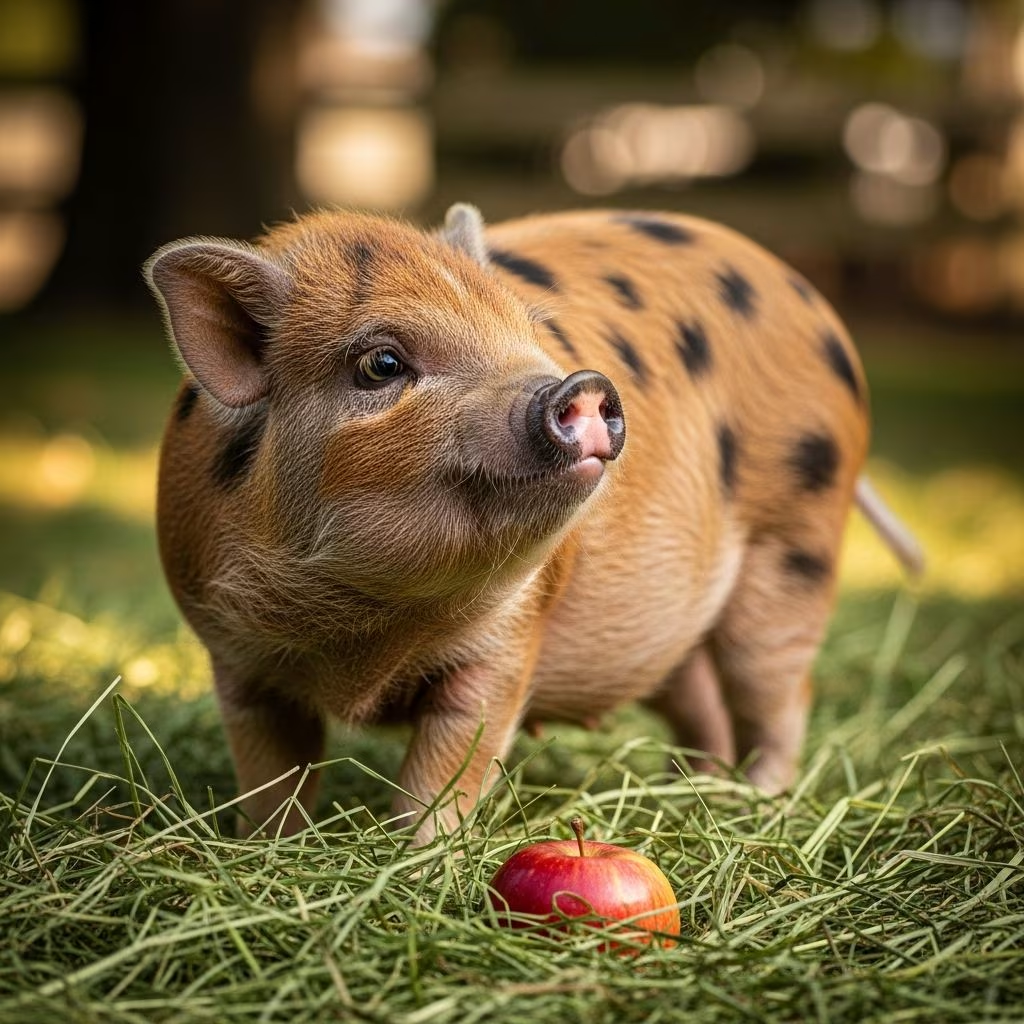
General Facts About Mini-Pigs
Mini-pigs have become increasingly popular as companion animals due to their intelligence, affectionate nature, and relatively compact size compared to farm pigs. These unique pets require specialized knowledge and commitment to ensure their health and happiness. Understanding the fundamental characteristics and care requirements of mini-pigs is essential before deciding to bring one into your home. Mini-pigs are social animals that can live for up to 15 years, making them a long-term commitment for pet owners.
Understanding Mini-Pig Characteristics
Mini-pigs are intelligent, social animals that exhibit curious and explorative behaviors. They possess distinct personalities and can form strong bonds with their owners. These animals are naturally clean and have little to no odor, making them suitable for indoor living. Mini-pigs are generally quiet animals, though they may vocalize through squealing or grunting when excited, frightened, or during feeding times. Understanding these behavioral traits helps owners create appropriate environments and develop proper training strategies.
Housing Requirements for Mini-Pigs
Indoor Housing Considerations
If you intend to keep your mini-pig indoors, specific safety measures and setup requirements are necessary. Mini-pigs love to root around and investigate their environment, so care must be taken to secure cabinets and place harmful cleaning agents and pesticides outside a pig’s reach. Installing child-safety locks on all cabinet doors provides essential protection. Pigs housed indoors should have access to a litter box so they can urinate and defecate in one designated location, similar to cats.
Bedding for indoor pigs should be soft and comfortable. Comforters, beach towels, blankets, or sleeping bags make excellent choices for bedding material. The bedding area should be replaced regularly to maintain cleanliness and hygiene. Creating a designated pig-safe room when the animal is unsupervised prevents destructive behavior and potential injury.
Outdoor Housing and Space
Mini-pigs should have daily outdoor time in a fenced-in yard to allow adequate opportunity for foraging, rooting, and playing. A secure outdoor enclosure prevents escape and protects your pig from external threats. The outdoor space should be designed to accommodate natural pig behaviors, particularly rooting, which is essential for their physical and mental wellbeing.
Temperature regulation is critical for mini-pig comfort and health. Pigs are incapable of sweating and are susceptible to overheating at temperatures exceeding 85°F. They are most comfortable at environmental temperatures between 60–75°F with approximately 50% humidity. In warm weather, pigs require access to wallows (muddy areas) and shelter from direct sunlight, as they can develop sunburns. During cooler weather, pigs need warm, dry, draft-free housing with straw bedding.
Dietary Needs and Feeding Practices
Proper Nutrition
Mini-pigs require a specialized diet formulated specifically for their nutritional needs. High-quality mini-pig pellets should contain approximately 12% protein, 2% fat, and 12–15% fiber. Pigs easily gain weight and cannot be fed free choice; instead, food should be provided in measured amounts. Adult pigs should receive approximately 2–3% of their body weight daily in food, divided into multiple small meals at different locations to encourage activity and exercise.
Treats and Supplements
While treats should be limited to prevent obesity, healthy options include fresh vegetables such as celery, lettuce, carrots, and tomatoes, as well as high-water content fruits like grapes and watermelon cut into appropriate pieces. Grass hay provides helpful fiber to control hunger. Mini-pigs can enjoy dry, unsalted popcorn and whole grain cereals without sugar coating. Vitamin supplements may be beneficial; chewable children’s vitamins without iron suit pigs aged 1–8 years, while men’s adult vitamins are appropriate for pigs over 8 years of age.
Water Access
Clean, fresh water changed daily is essential. Even though mini-pigs can get messy moving between food and water dishes, it is important to offer plenty of water. Restricted access to water can lead to health problems including bladder infections and bladder stones. Water should always be readily available to your mini-pig.
Veterinary Care Essentials
Importance of Professional Care
Providing veterinary care to your mini-pig is an essential part of responsible pet guardianship. Establishing a relationship with a veterinarian experienced in treating pigs before adopting is highly important. Not all veterinarians have experience with pigs, so finding a specialized practitioner ensures your pet receives appropriate care.
Health Maintenance Procedures
Several veterinary procedures are essential to maintaining mini-pig health and wellbeing:
– Spaying or neutering to prevent unwanted behavior and reproductive health issues- Regular vaccinations to prevent disease- Parasite control and prevention- Dental care and oral health maintenance- Hoof care and trimming- Regular grooming and skin health assessment
Tusk Trimming
Neutered males require tusk trims approximately every 1–2 years, while intact males need trims every 6–12 months due to more rapid tusk growth. Regular tusk trimming prevents overgrowth that can affect eating and cause injury.
Recognizing Illness
Because pigs are prey animals, they sometimes attempt to hide signs of sickness or injury. Pet owners should develop knowledge and skills to recognize common symptoms of disease, infection, or injury in their mini-pig. Early detection of health problems allows for prompt veterinary intervention and better outcomes.
Training and Behavioral Management
Housetraining
Pet pigs naturally prefer to urinate and defecate at a single latrine site separate from sleeping and eating areas. This natural instinct makes housetraining relatively straightforward. Younger pigs can be trained to use litter boxes indoors, while older pigs typically prefer eliminating outside. Consistent routine and positive reinforcement support successful housetraining.
Harness and Leash Training
Gradually familiarize your mini-pig with wearing a specially designed pig harness while eating meals or enjoying favorite treats. Once acclimated to the harness, walking on a leash provides excellent exercise and environmental enrichment. Regular walks offer great exercise but do not replace opportunities to dig and root in appropriate areas. Walking your pig over concrete surfaces daily can help naturally wear down hooves.
Crate Training
Acclimating your mini-pig to a carrier is useful for veterinary visits and travel. Begin by feeding your pig in the crate for several weeks before any car trip. You can also teach your pig to walk up a ramp into a vehicle, reducing stress during transportation.
Proper Handling Techniques
Mini-pigs are usually quiet animals but will squeal and struggle when firmly restrained, frightened, or begging for food. Scratching or petting your pig’s neck, sides, or belly helps keep them calm. For small to medium-sized pigs, place one hand beneath the rump and the other in front of the forelimbs and under the neck when holding them. Never pick up miniature pigs by the legs, as this can cause shoulder, lower back, and leg injuries.
Since regular hoof trims are required, it is beneficial to teach young pigs to tolerate their feet being handled. Teaching pigs to roll onto their sides and rewarding them with belly rubs or treats builds trust and makes necessary care procedures easier.
Managing Common Behavioral Issues
Preventing Destructive Behavior
Mini-pigs are intelligent and curious, which can lead to destructive behaviors if not properly managed. Providing a rooting box filled with large, smooth stones encourages natural foraging and rooting behaviors in a controlled manner. Placing dry pig feed and treats in the rooting box promotes appropriate activity. Confining pigs to a pig-safe room when unsupervised minimizes property damage and potential injury.
Feeding Behavior and Obesity Prevention
Mini-pigs have enormous appetites and can easily become obese. If pigs don’t receive enough food, they can become very food-aggressive, potentially charging at dinner tables or biting people’s legs while meals are being prepared. Preventing obesity requires:
– Meal feedings rather than free-choice feeding- Avoidance of feeding table scraps- Regular exercise and activity- Measured portions appropriate to body weight- Low-calorie treat options- Regular weight monitoring at home
Grooming and Skin Care
Coat and Skin Maintenance
All mini-pigs love being brushed and rubbed, and they also enjoy water. Pigs have hair rather than fur and lack sweat glands, making them susceptible to dry skin. Dry skin can be prevented by applying mild skin lotion daily or every other day. Regular grooming promotes skin health and strengthens the bond between owner and pet.
Hoof Care
The small hooves on mini-pigs require regular attention through filing or clipping three to four times per year. Neglecting hoof care can result in stiff and deformed joints over time. Walking mini-pigs on sidewalks regularly helps naturally wear down hooves. Handling and touching the hooves regularly from a young age makes professional grooming and home care easier for owners.
Environmental Enrichment
Mini-pigs require mental and physical stimulation to maintain wellbeing. Providing various activities and exploration opportunities prevents boredom and associated behavioral problems. Rooting boxes, varied outdoor spaces, toys, and interactive play support healthy development. Social interaction with their owners and, when appropriate, other animals contributes to their happiness and reduces stress-related behaviors.
Frequently Asked Questions About Mini-Pig Care
Q: How long do mini-pigs typically live?
A: Mini-pigs may live for up to 15 years, making them a long-term commitment similar to dogs or cats. Proper care and veterinary attention contribute to longevity and quality of life.
Q: Can mini-pigs be housetrained like cats?
A: Yes, mini-pigs naturally prefer eliminating at a single latrine site away from sleeping and eating areas, making them relatively easy to housetrain to litter boxes indoors or outdoor areas.
Q: What temperature range is best for mini-pigs?
A: Mini-pigs are most comfortable at temperatures between 60–75°F. They cannot tolerate heat above 85°F and require access to wallows and shade. They also need warm, dry housing with straw bedding during cold weather.
Q: How often should mini-pig hooves be trimmed?
A: Hooves typically require trimming three to four times per year, though regular walking on concrete surfaces can help reduce trimming frequency. Neutered males need tusk trims every 1–2 years, while intact males require trimming every 6–12 months.
Q: What should I feed my mini-pig to prevent obesity?
A: Feed adult mini-pigs approximately 2–3% of their body weight daily in measured amounts using high-quality mini-pig pellets. Divide meals into multiple portions, avoid table scraps, provide low-calorie treats, and ensure regular exercise.
Q: Are mini-pigs suitable for indoor living?
A: Yes, mini-pigs can live indoors successfully with proper setup including litter boxes, soft bedding, child-safety locks on cabinets, and daily outdoor time. They require secure spaces and careful monitoring of harmful substances.
Q: Do mini-pigs require special veterinary care?
A: Yes, mini-pigs require veterinarians experienced in pig care. Essential services include spaying/neutering, vaccinations, parasite control, dental care, hoof care, and grooming. Establish a relationship with a pig-experienced veterinarian before adoption.
Conclusion
Mini-pigs make rewarding companion animals for owners willing to meet their specialized care requirements. Success in mini-pig ownership depends on understanding their unique needs regarding housing, nutrition, veterinary care, training, and environmental enrichment. By providing appropriate temperature control, quality nutrition in measured portions, regular veterinary care, and mental and physical stimulation, owners can ensure their mini-pig lives a healthy, happy, and fulfilling life. The 15-year lifespan of mini-pigs represents a significant commitment, but the companionship and joy these intelligent, affectionate animals provide make the investment worthwhile for dedicated pet parents.
References
- General Facts About Mini-Pigs — VCA Animal Hospitals. 2025. https://vcahospitals.com/know-your-pet/general-facts-about-mini-pigs
- Pigs as Pets – What to Know Before Adopting a Mini Pig — British Columbia SPCA. 2025. https://spca.bc.ca/news/mini-pigs/
- Basic Miniature Pig Care — Pets on the Shore Veterinary Hospital. 2024. https://petsontheshorevh.com/storage/app/media/Mini-Pig-Basic-Care-Client-Handout-1.pdf
- Miniature Pig Care Sheet — Pet Pigs. 2025. https://petpigs.com/miniature-pig-care-sheet/
- Caring For Your Mini Pig — American Mini Pig Association. 2025. https://americanminipigassociation.com/mini-pig-education/caring-for-your-mini-pig/
- Keeping Pigs As Pets — Royal Society for the Prevention of Cruelty to Animals (RSPCA). 2025. https://www.rspca.org.uk/adviceandwelfare/farm/farmanimals/pigs



