

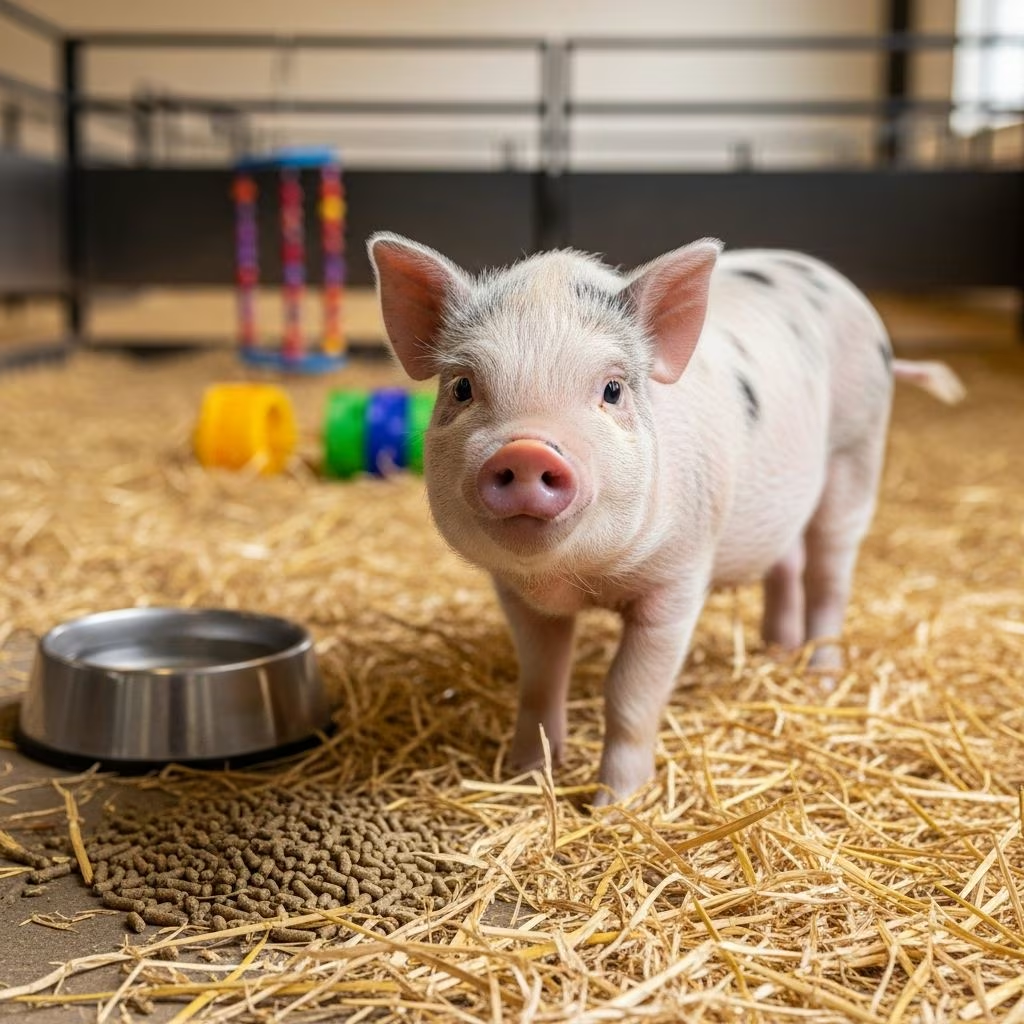
General Facts About Mini-Pigs
Mini-pigs have become increasingly popular as companion animals for families and individuals seeking unique, intelligent pets. Unlike their larger farm cousins, mini-pigs are specifically bred to remain small throughout their lives, making them suitable for household environments. However, owning a mini-pig requires comprehensive knowledge about their specific needs, temperament, and care requirements. This guide provides essential information for anyone considering mini-pig ownership or seeking to improve their current care practices.
Understanding Mini-Pig Characteristics and Temperament
Mini-pigs are highly intelligent animals with distinctive personalities and social needs. They possess remarkable cognitive abilities, allowing them to learn commands, tricks, and behaviors similar to dogs or other domesticated animals. These intelligent creatures form close bonds with their human families and can display affectionate behaviors including seeking out belly rubs, enjoying petting sessions, and following their owners around the home.
One of the most appealing characteristics of mini-pigs is their cleanliness. Contrary to popular misconceptions about pigs being dirty animals, mini-pigs are naturally clean creatures that actively work to maintain hygiene. They naturally prefer to designate a single latrine site separate from their sleeping and eating areas, making them relatively easy to housetrain. Additionally, mini-pigs produce minimal odor when properly maintained, making them suitable for indoor living arrangements.
However, prospective owners should understand that mini-pigs are also strong-willed animals. They can demonstrate aggression and dominance behaviors, particularly if not properly socialized or trained from a young age. These behaviors often stem from their natural hierarchical structure. Understanding and managing these tendencies through consistent, positive training methods is essential for creating a harmonious household dynamic.
Mini-Pig Lifespan and Commitment
One of the most important facts potential owners must understand is the long-term commitment required for mini-pig ownership. Mini-pigs can live for 15 years or more when provided with proper care and nutrition. This extended lifespan means that adopting a mini-pig is a significant commitment spanning potentially one and a half decades. Families considering mini-pig adoption should carefully evaluate whether they can commit to providing consistent care, companionship, and financial support for this entire period.
Housing and Environmental Requirements
Creating an appropriate living environment is fundamental to mini-pig health and well-being. Mini-pigs are sensitive to extreme temperatures and require careful climate management year-round.
Indoor Housing Considerations
If you plan to keep your mini-pig indoors, several modifications to your home are necessary. Mini-pigs are naturally curious animals that love to root around and investigate their surroundings. This exploratory behavior makes home safety crucial. Install child-safety locks on all cabinet doors to prevent your pig from accessing potentially harmful substances. Cleaning agents, pesticides, medications, and other toxic materials must be stored securely and placed completely outside your pig’s reach.
Indoor pigs require a designated litter box for urination and defecation. They naturally prefer to use a single latrine site, which makes litter box training relatively straightforward. Additionally, provide soft bedding materials where your pig can sleep comfortably. Suitable bedding options include comforters, beach towels, blankets, or sleeping bags. These soft materials provide comfort and insulation, allowing your pig to rest undisturbed.
Temperature Control
Mini-pigs are incapable of sweating and cannot regulate their body temperature as effectively as many other animals. They are most comfortable at environmental temperatures ranging between 60-75°F (15-24°C). Temperatures exceeding 85°F (30°C) can cause dangerous overheating. While pigs will begin to pant as they warm up, panting alone is often insufficient for adequate cooling. During warmer months, provide fans and water for wallowing to help your pig maintain a comfortable body temperature. Conversely, in cold weather, ensure your pig has access to warm, dry, draft-free housing with appropriate bedding materials like straw or blankets.
Outdoor Space and Enrichment
Mini-pigs should have daily outdoor time in a securely fenced yard. This outdoor access is essential for natural behaviors including foraging, rooting, and play. A plastic child-size wading pool serves dual purposes: it satisfies your pig’s desire to wallow and provides a cool place to rest during warm weather. Creating a rooting box from a low, roomy container filled with large smooth stones encourages natural foraging behaviors and provides mental stimulation.
When outdoor areas are available, provide access to soil where your pig can root, as minerals in the soil are beneficial to their health. Maintaining two fenced areas and rotating your pig between them allows for vegetation regrowth while providing varied environments. Additionally, ensure appropriate shelter for avoiding inclement weather and always provide shade to prevent sunburns, as pigs are susceptible to sun damage.
Nutrition and Feeding Guidelines
Proper nutrition is essential for maintaining your mini-pig’s health and preventing obesity, a common problem in pet pigs.
Diet Composition
Mini-pigs require a specialized diet formulated specifically for their nutritional needs. High-quality potbellied pig food provides the appropriate balance of nutrients. The ideal diet should contain approximately 12% protein, 2% fat, and 12-15% fiber. Pigs easily gain weight and cannot be fed free choice. Instead, food should be measured and provided in controlled portions.
Adult mini-pigs should consume approximately 2-3% of their body weight daily. For example, a 50-pound pig should receive approximately 1-3 pounds of food per day. Feeding multiple small meals in various locations encourages activity and exercise, which helps maintain healthy weight and provides mental stimulation.
Fresh Produce and Treats
While specialized pig feed forms the foundation of your mini-pig’s diet, fresh produce can supplement their nutrition. Safe vegetable options include celery, lettuce, cucumbers, tomatoes, zucchini, and broccoli. Mini-pigs can also enjoy high-water-content fruits such as grapes and watermelon, though these should be cut into appropriate sizes and given in moderation.
Healthy treat options include grass hay for fiber content, dry unsalted popcorn, and whole grain cereal without sugar coating. These treats help satisfy your pig’s natural foraging instincts while providing nutritional variety. It is crucial to avoid feeding table scraps, processed foods, and treats with added salt, as these can contribute to obesity and health problems.
Water Access
Fresh, clean water must be available to your mini-pig at all times. Water access should never be restricted, as insufficient water intake can lead to serious health problems including bladder infections and bladder stones. Ensure water dispensers are secured to prevent your pig from spilling water through rooting or damaging the device through chewing. Daily water changes maintain freshness and hygiene.
Veterinary Care and Health Management
Establishing a relationship with a veterinarian experienced in treating pigs before adopting your mini-pig is essential. Mini-pigs require specialized veterinary care addressing their unique health needs.
Essential Veterinary Services
Critical veterinary services for mini-pigs include spaying and neutering, vaccinations, parasite control, dental care, hoof care, and professional grooming. Spaying and neutering not only prevents unwanted breeding but also reduces aggressive and dominance behaviors. Regular vaccinations protect against common diseases, while parasite control prevents infestations that could compromise your pig’s health.
Dental care is particularly important, as mini-pigs can develop dental disease. Regular dental examinations and cleanings help prevent tooth decay and associated health complications. Additionally, professional grooming helps maintain your pig’s skin and coat health.
Hoof and Tusk Care
Regular hoof and tusk maintenance prevents joint problems and injuries. Overgrown hooves cause abnormal gait with feet hyperextended, placing abnormal stress on joints and potentially leading to joint disease. Most mini-pigs require annual hoof trimming, though frequency depends on walking surfaces and exercise levels. Regular walking on concrete surfaces naturally wears down hooves and may reduce trimming frequency.
Intact male pigs require tusk trims every 6-12 months, as tusks grow rapidly. Neutered males require less frequent trims, approximately every 1-2 years. Teaching young pigs to tolerate their feet and tusks being handled makes these maintenance procedures easier throughout their lives.
Recognizing Illness
Because pigs are prey animals by nature, they often try to hide signs of illness or injury. Understanding common symptoms of disease, injury, or infection is crucial for early detection and treatment. Regular monitoring of your pig’s behavior, appetite, and physical condition helps identify potential health issues before they become serious.
Training and Behavior Management
Mini-pigs respond well to consistent, positive training methods and can learn basic commands and tricks similar to dogs.
Housetraining
Mini-pigs naturally prefer to urinate and defecate at a single latrine site separate from their sleeping and eating areas. This natural tendency makes housetraining relatively straightforward. Provide a designated litter box in a consistent location, and your pig will typically use this area reliably. For pigs that spend time indoors, using non-carpeted areas during the initial training period helps reinforce proper bathroom habits.
Handling and Socialization
While mini-pigs are generally quiet animals, they will squeal and struggle when firmly restrained, frightened, or begging for food. Learning proper handling techniques prevents injury and stress. For small to medium-sized pigs, hold them by placing one hand beneath the rump and the other hand in front of the forelimbs and under the neck. Never pick up mini-pigs by the legs, as this can cause shoulder, lower back, and leg injuries.
Scratching or petting your pig’s neck, sides, or belly helps keep them calm during handling. Establishing this positive contact from a young age makes routine care procedures like hoof trimming and veterinary visits less stressful. Teaching young pigs to roll onto their sides and rewarding them with belly rubs or treats prepares them for necessary handling throughout their lives.
Crate Training
Acclimating your pig to a carrier is useful for trips to the veterinarian and necessary travels. Begin by feeding your pig in the crate for several weeks before any car trips. You can also teach your pig to walk up a ramp into the vehicle, making transportation easier and less stressful for both you and your pet.
Clicker Training and Advanced Skills
Mini-pigs can be clicker trained to learn basic training cues and tricks. This positive reinforcement method works well with their intelligent nature and desire for food rewards. With patience and consistency, mini-pigs can learn to sit, come, follow basic commands, and even perform entertaining tricks.
Grooming and Skin Care
Mini-pigs love to be brushed and rubbed, making grooming an enjoyable bonding activity. Regular brushing promotes healthy skin and coat. All mini-pigs benefit from access to water for cleaning and cooling purposes. Some pigs develop dry skin issues, which can be managed through proper nutrition and specialized care products.
High-quality pig feed specifically formulated for dry skin and coat health is beneficial. Additionally, regular bathing and moisturizing help maintain skin health. Providing water for wallowing and soaking serves both cooling and skin maintenance purposes.
Important Considerations Before Adoption
Several factors should influence your decision about mini-pig ownership. Local legislation frequently restricts keeping livestock, including mini-pigs, within city limits or residential areas. Before acquiring a mini-pig, verify that local ordinances permit pig ownership in your area. Some municipalities classify mini-pigs as livestock, making ownership illegal or heavily restricted.
Finding a veterinarian willing to treat pigs can be challenging in some areas, as many veterinarians lack experience with this species. Establishing this relationship before adopting ensures your pig can receive necessary medical care. Additionally, mini-pigs require unique care that differs significantly from traditional pets like dogs or cats, making them unsuitable for first-time exotic pet owners.
Frequently Asked Questions About Mini-Pigs
Q: Are mini-pigs suitable for apartment living?
A: Yes, mini-pigs can adapt to apartment living if provided with appropriate indoor housing, a litter box, regular outdoor time, and sufficient space for rooting and foraging activities.
Q: How much do mini-pigs cost to maintain annually?
A: Annual costs include specialized food, veterinary care, bedding, enrichment items, and potential emergency medical expenses. Budget several hundred to thousands of dollars annually depending on your location and the pig’s health status.
Q: Can mini-pigs be housetrained like dogs?
A: Yes, mini-pigs naturally use a single latrine site and readily adapt to designated litter boxes or outdoor bathroom areas, making housetraining relatively straightforward.
Q: What should I do if my mini-pig becomes aggressive?
A: Consult with a veterinarian or animal behaviorist experienced with pigs. Early neutering, consistent training, proper socialization, and establishing clear leadership help prevent and manage aggressive behaviors.
Q: How long do mini-pigs typically live?
A: Mini-pigs can live 15 years or longer with proper care, representing a significant long-term commitment comparable to dog ownership.
Q: Are mini-pigs good with children?
A: Mini-pigs can be affectionate with children when properly socialized and trained. However, their strength and size require supervision with young children, and they may not tolerate rough handling.
Conclusion
Mini-pigs make rewarding companion animals for committed owners willing to provide specialized care and meet their unique needs. Their intelligence, affectionate nature, and cleanliness appeal to many potential owners. However, successful mini-pig ownership requires thorough understanding of their housing requirements, nutritional needs, veterinary care, training, and behavioral characteristics. Before adopting a mini-pig, ensure you have access to experienced veterinary care, adequate space for appropriate housing, knowledge of local regulations, and genuine commitment to providing excellent care throughout your pig’s 15-year lifespan. With proper preparation and dedication, a mini-pig can become a cherished family member providing years of companionship and joy.
References
- General Facts About Mini-Pigs — VCA Animal Hospitals. https://vcahospitals.com/know-your-pet/general-facts-about-mini-pigs
- Management of Miniature Pet Pigs — Merck Veterinary Manual. https://www.merckvetmanual.com/exotic-and-laboratory-animals/miniature-pet-pigs/management-of-miniature-pet-pigs
- Pigs as Pets – What to Know Before Adopting a Mini Pig — British Columbia SPCA. https://spca.bc.ca/news/mini-pigs/
- Basic Miniature Pig Care — Pets on the Shore Veterinary Hospital. https://petsontheshorevh.com/storage/app/media/Mini-Pig-Basic-Care-Client-Handout-1.pdf
- 10 Things To Know About Having a Potbellied Pig — PetMD. https://www.petmd.com/exotic/things-to-know-about-having-a-potbellied-pig
- A Guide to Teacup Pigs (Mini Pigs) — Best Friends Animal Society. https://bestfriends.org/pet-care-resources/guide-teacup-pigs-mini-pigs



