

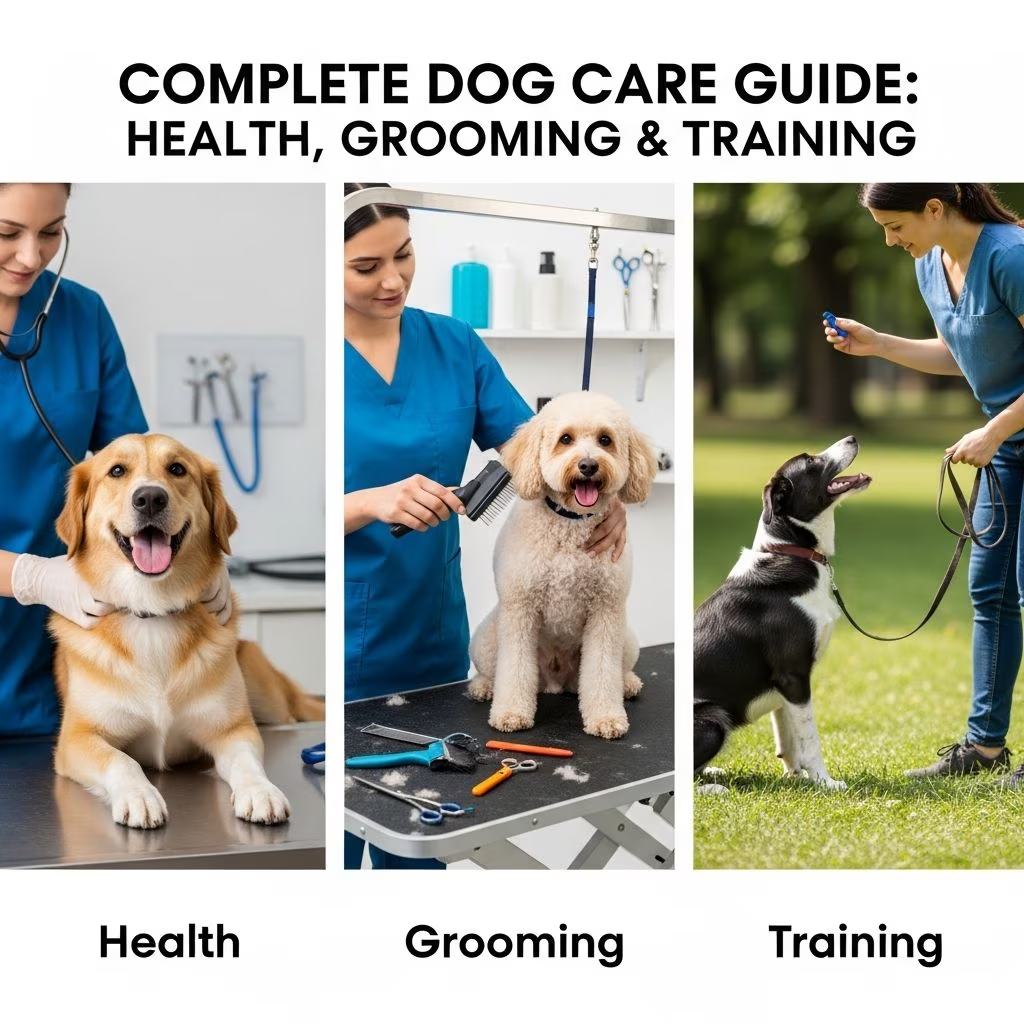
Bringing a dog into your home is a wonderful experience that comes with significant responsibilities. Responsible dog care encompasses multiple essential areas that contribute to your pet’s overall health, happiness, and well-being. Whether you’re a first-time dog owner or an experienced pet parent, understanding the fundamentals of proper dog care helps ensure your canine companion thrives for years to come. This comprehensive guide covers all the critical aspects of dog care, from nutrition and grooming to health maintenance and behavioral training.
Understanding Responsible Dog Care
Responsible care is the foundation of pet ownership and includes appropriate amounts of nutritious, species-appropriate food and clean water to support good health. It also encompasses basic veterinary care including vaccinations and parasite control; necessary grooming and training; exercise; social interaction; diligence in identifying and eliminating hazardous substances and situations; using good judgment when exposing pets to potentially stressful situations; prompt treatment for illness or injury; and, in the case of dogs, sterilization before puberty. Depending on local regulations, responsible care also requires the use of collars and identification.
Nutrition and Feeding
A balanced diet is critically important to your dog’s cell maintenance and growth and overall health. Providing premium-quality dog food ensures your pet receives the essential nutrients needed for optimal health and longevity. Clean, fresh water should be available at all times, and food and water dishes should be washed frequently to prevent bacterial growth and contamination.
Proper nutrition prevents vitamin and mineral imbalances, bone and teeth problems, and may help avoid picky eating habits and obesity. It’s important to select food appropriate for your dog’s age, size, and activity level. Puppies have different nutritional requirements than adult dogs, and senior dogs may benefit from specialized diets formulated for their changing needs.
When introducing new foods or making dietary changes, do so gradually over several days to prevent digestive upset. Avoid feeding your dog human foods that may be toxic, such as chocolate, grapes, onions, and foods containing xylitol.
Essential Dog Supplies Checklist
- Premium-quality dog food and treats
- Food dish
- Water bowl
- Toys, including safe chew toys for mental stimulation
- Brush and comb for grooming, including flea comb
- Collar with license and ID tag
- Leash
- Carrier (for smaller dogs)
- Training crate for house training and security
- Dog bed or box with warm blanket or towel
- Dog toothbrush for dental health
Exercise and Activity
Dogs need regular exercise to burn calories, stimulate their minds, and maintain physical fitness. Exercise also helps dogs avoid behavioral problems such as destructive chewing, excessive barking, and aggression. A simple walk around the block or ten minutes in the backyard typically isn’t sufficient for most dogs, especially young or active breeds.
If your dog is between 6 to 18 months old, is an active breed, or belongs to sporting, herding, hound, or terrier groups, exercise requirements are relatively high. These dogs may need 30 minutes to two hours of vigorous activity daily, depending on individual energy levels. Regular exercise strengthens the bond between you and your dog while promoting cardiovascular health and maintaining a healthy weight.
Grooming and Hygiene
Regular grooming keeps your dog clean, reduces shedding, and allows you to monitor for health issues such as skin conditions or parasites. Help keep your dog clean and reduce shedding with frequent brushing, which also removes mats and tangles that can cause skin irritation.
Brushing and Bathing
Most dogs don’t need to be bathed more than a few times a year, though some may require more frequent baths if they spend considerable time outdoors or have skin problems. The ASPCA recommends bathing your dog at least once every three months, depending on lifestyle and skin condition. Before bathing, comb or cut out all mats from the coat to prevent matting during the bathing process. When bathing, carefully rinse all soap out of the coat, as dirt will stick to soap residue.
Take care not to spray or pour water directly in your dog’s ears, eyes, or nose during bathing. Gently massage shampoo into the coat, working from head to tail, and rinse thoroughly. Dry your dog completely using a large towel with gentle rubbing motions.
Dogs with loose facial skin or wrinkles—such as Shar Peis and Pugs—require special attention. Clean the folds regularly with damp cotton to prevent dirt and bacteria from causing irritation and infection, and always thoroughly dry areas between the folds.
Flea and Tick Prevention
Daily inspections of your dog for fleas and ticks during warm seasons are important for preventing infestations and disease transmission. Use a flea comb to find and remove fleas from your dog’s coat. Several modern methods of flea and tick control are available, and it’s important to speak with your veterinarian about options suitable for your dog’s age, weight, and health status.
Regular grooming on a consistent schedule helps prevent flea and tick problems. During warmer months, you may choose to keep your dog’s hair clipped short to reduce hiding places for parasites. Following a strict flea control program as recommended by your veterinarian significantly reduces the risk of infestation.
Dental Care
Dental health is an often-overlooked aspect of dog care. While many owners may object to their pet’s bad breath, it can indicate underlying dental problems. Regular brushing with a dog toothbrush and professional dental cleanings as recommended by your veterinarian help maintain oral health and prevent tooth decay and gum disease.
Eye Care
Giving your dog regular home eye exams helps you stay alert to any tearing, cloudiness, or inflammation that may indicate health problems. Face your dog in a brightly lit area and look into their eyes. They should be clear and bright, with the area around the eyeball appearing white. The pupils should be equal in size with no tearing, discharge, or crust in the corners.
Gently roll down your dog’s lower eyelid with your thumb and look at the lining—it should be pink, not red or white. If you notice any abnormalities, contact your veterinarian promptly.
Ear Care
Your dog’s regular grooming routine should include regular ear checks, especially for dogs who produce excessive earwax or have lots of inner-ear hair. Don’t clean your dog’s ears too frequently or deeply, as this can cause irritation. Never insert anything into your dog’s ear canal, as probing inside can cause trauma or infection.
Frequent bathing or swimming can lead to ear irritation and infection. To prevent this, place cotton in your dog’s ears before baths and ensure you dry their ears thoroughly after water activities. Watch for signs of ear problems such as loss of balance, unusual eye movements, walking in circles, or hearing loss.
Housing and Environment
Your pet needs a warm, quiet place to rest, away from all drafts and off the floor. A training crate or dog bed is ideal, with a clean blanket or pillow placed inside. Wash the dog’s bedding frequently to maintain cleanliness and prevent parasite infestations.
If your dog will spend considerable time outdoors, ensure she has access to shade and plenty of cool water in hot weather, and a warm, dry, covered shelter when it’s cold. Outdoor dogs require protection from extreme temperatures and weather conditions that could compromise their health and comfort.
Proper Dog Handling
Knowing how to handle your dog safely protects both your pet and yourself from injury. To carry a puppy or small dog, place one hand under the dog’s chest, with either your forearm or other hand supporting the hind legs and rump. Never attempt to lift or grab your puppy or small dog by the forelegs, tail, or back of the neck, as this can cause injury.
If you need to lift a large dog, lift from the underside, supporting the chest with one arm and the rear end with the other. This proper technique prevents strain on the dog’s spine and reduces the risk of injury to both the dog and handler.
Health Care and Veterinary Services
Regular veterinary care is essential for maintaining your dog’s health and preventing serious illnesses. Your dog should see a veterinarian for a full check-up, shots, and a heartworm blood test every year, and immediately if your dog is sick or injured.
Vaccinations
Your dog may benefit from receiving several important vaccinations that protect against serious and potentially fatal diseases. Vaccination schedules depend on your dog’s age, lifestyle, and local disease prevalence. Consult with your veterinarian about which vaccines are appropriate for your dog.
Since laws vary around the country regarding rabies vaccination, contact a local veterinarian for information on rabies vaccination requirements in your area. For example, in New York City, the law requires all pets older than three months of age to be vaccinated for rabies. Do not walk your puppy or unvaccinated dog outside or allow them to walk or sit on the floor of an animal hospital until several days after their final vaccination.
Spaying and Neutering
Female dogs should be spayed and male dogs neutered by six months of age. Spaying and neutering offer numerous health and behavioral benefits, including reducing the risk of certain cancers and preventing unwanted litters.
Medicines and Poisons
Never give your dog medication that has not been prescribed by a veterinarian. If you suspect your animal has ingested a poisonous substance, call your veterinarian or the ASPCA Animal Poison Control Center for 24-hour animal poison information at (888) 426-4435.
Licensing and Identification
Follow your community’s licensing regulations and ensure you attach the license to your dog’s collar. In addition to a license, an ID tag and implanted microchip or tattoo can help secure your dog’s return should she become lost. Microchipping provides permanent identification that cannot be lost or removed, significantly increasing the chances of reuniting with your pet if lost.
Dog Training and Behavior
A well-behaved companion dog is a joy, but left untrained, your dog can cause significant behavioral problems. Teaching your dog basic commands—such as “Sit,” “Stay,” “Come,” “Down,” “Heel,” “Off,” and “Leave it”—improves your relationship with your dog and ensures safety in various situations.
Use small bits of food as a lure and reward during training sessions. Puppies can be enrolled in obedience courses when they have been adequately vaccinated. Professional trainers can provide guidance on addressing behavioral issues and developing a strong, positive relationship with your dog.
A dog who is disobedient or aggressive is not ready to play with others. Proper training and socialization from an early age help prevent behavioral problems and ensure your dog can safely interact with people and other animals.
Senior Dog Care
Routine care for geriatric pets should involve a consistent daily routine and periodic veterinary examinations to assess the presence or progress of chronic disease. Stressful situations and abrupt changes in daily routines should be avoided. If a drastic change must be made to an older pet’s routine, try to minimize stress by introducing the change in a gradual manner.
Key Takeaways for Responsible Dog Ownership
| Care Area | Key Recommendations |
|---|---|
| Nutrition | Premium dog food, fresh water available always, appropriate portions for age and size |
| Exercise | Daily activity appropriate to breed and age, 30 minutes to 2+ hours depending on breed |
| Grooming | Regular brushing, bathing every 3 months, daily flea/tick checks in warm weather |
| Health Care | Annual veterinary exams, vaccinations, spay/neuter by 6 months, dental care |
| Housing | Warm, quiet resting area away from drafts, outdoor shelter with shade and water |
| Training | Obedience classes, positive reinforcement, socialization from early age |
| Identification | License, ID tag, microchip, and proper handling techniques |
Frequently Asked Questions About Dog Care
Q: How often should I bathe my dog?
A: Most dogs don’t need to be bathed more than a few times a year, though this varies based on lifestyle and skin conditions. The ASPCA recommends bathing at least once every three months, with more frequent bathing for dogs spending time outdoors.
Q: What vaccinations does my dog need?
A: Your dog may benefit from several vaccinations depending on age, lifestyle, and local disease prevalence. Consult your veterinarian about appropriate vaccines for your dog’s specific situation.
Q: When should I spay or neuter my dog?
A: Female dogs should be spayed and male dogs neutered by six months of age to reduce health risks and prevent unwanted litters.
Q: How much exercise does my dog need?
A: Exercise requirements vary by age and breed. Dogs aged 6-18 months and active breeds require 30 minutes to 2+ hours of daily exercise, while adult dogs generally need at least 30 minutes daily.
Q: What should I do if my dog ingests something toxic?
A: Contact your veterinarian immediately or call the ASPCA Animal Poison Control Center at (888) 426-4435 for 24-hour animal poison information.
Q: How can I prevent fleas and ticks?
A: Daily inspections during warm seasons, regular grooming, keeping hair clipped short, and following your veterinarian’s recommended flea control program are effective prevention methods.
Q: Is microchipping important for my dog?
A: Yes, microchipping provides permanent identification that significantly increases the chances of reuniting with your dog if lost, along with an ID tag and license.
References
- Criteria for Responsible Care — ASPCA. https://www.aspca.org/about-us/aspca-policy-and-position-statements/criteria-responsible-care
- General Dog Care — ASPCA. https://www.aspca.org/pet-care/dog-care/general-dog-care
- General Dog Care — ASPCA (PDF). https://www.sbcounty.gov/uploads/dph/acc/content/programs/educational/general_dog_care.pdf
- Dog Grooming Tips — ASPCA. https://www.aspca.org/pet-care/dog-care/dog-grooming-tips
- Dog Nutrition Tips — ASPCA. https://www.aspca.org/pet-care/dog-care/dog-nutrition-tips



