

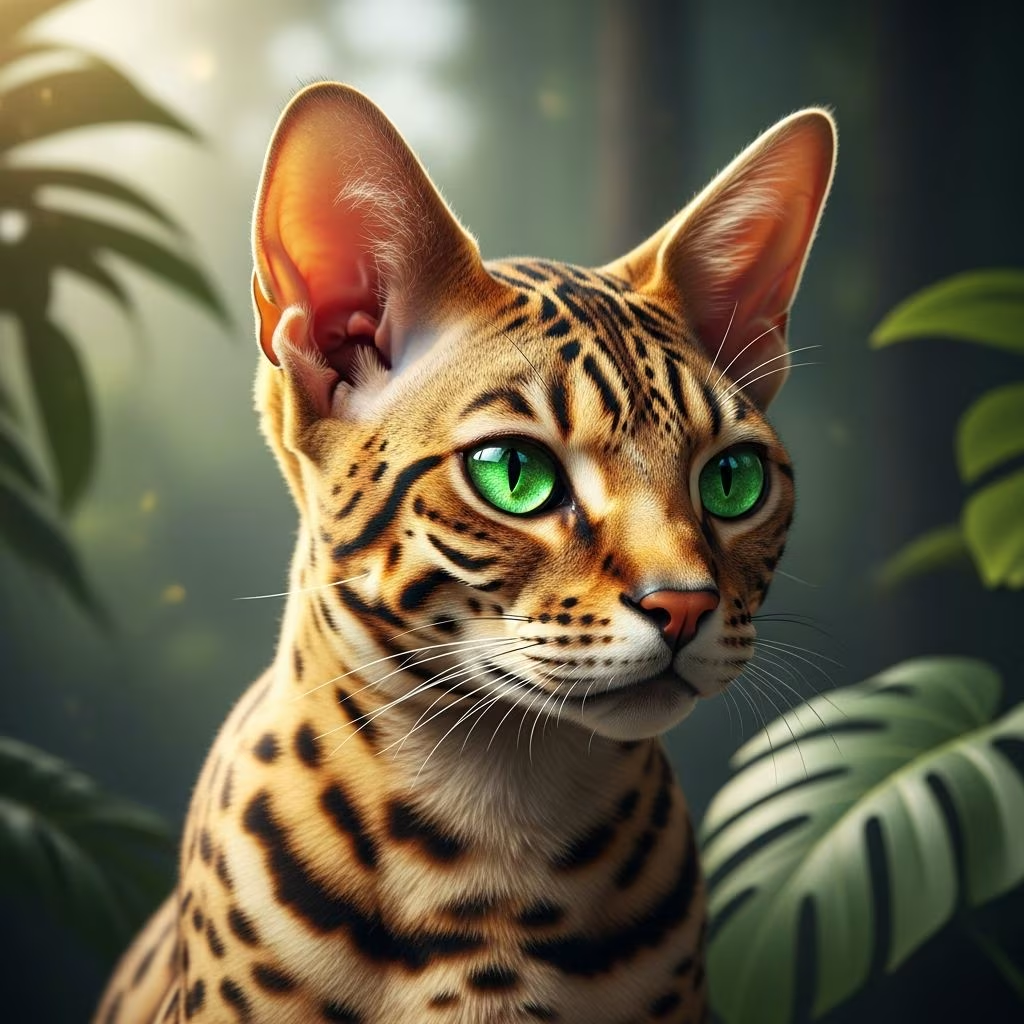
The Gato cat stands out as a captivating hybrid breed, merging the plush elegance of the Himalayan with the spirited athleticism of the Egyptian Mau. This petite feline, typically weighing just 6 to 9 pounds and standing 7 to 9 inches tall, boasts a lifespan of 15 to 20 years, making it a long-term companion for devoted owners. Available in an array of colors from white and blue to silver, red, brown, gray, and black, Gatos bring visual diversity to any home.
Origins and Development of the Gato Breed
Emerging from selective breeding efforts, the Gato cat represents a modern fusion of established pedigrees. Breeders combined the long-haired Himalayan, known for its serene demeanor and luxurious coat, with the sleek, spotted Egyptian Mau, celebrated for its speed and ancestral ties to ancient felines. This crossbreeding aimed to produce a compact cat with enhanced vitality and charm, though exact origins remain somewhat enigmatic due to limited documentation.
Cat domestication traces back approximately 10,000 years in the Fertile Crescent, where wildcats like Felis silvestris lybica self-domesticated around human settlements to hunt rodents amid early agriculture. Over millennia, such adaptations led to diverse breeds. The Egyptian Mau draws from North African wildcats revered in ancient Egypt, while Himalayans evolved from Persian lines in the 20th century. Gatos, as a newer hybrid, inherit this rich legacy, blending Eastern mystique with contemporary appeal.
Unlike ancient natural breeds like the Maine Coon, which developed rugged traits in North America, or Bengals from 1960s leopard cat hybrids, Gatos prioritize miniaturization and sociability. Their creation reflects breeders’ quests for novelty, resulting in a cat that defies the bulkier sizes of its progenitors.
Physical Characteristics and Appearance
Gato cats enchant with their diminutive yet robust frames. Males often exhibit broader heads and muscular builds compared to the more delicate, graceful females. Coat variety is a highlight: solids, tabbies, and spotted patterns emerge from genetic diversity, with mutations enabling hues like deep black solids or shimmering silvers. All domestic cats carry tabby genes beneath their exteriors, masked by modifiers such as the dominant white spotting factor.
| Trait | Male Gato | Female Gato |
|---|---|---|
| Size | Larger frame, bulkier head | Daintier, more graceful |
| Weight Range | 7-9 lbs | 6-8 lbs |
| Coat Tendencies | Dense, plush | Silky, fine |
This table illustrates key differences, though individual variation abounds. Gatos’ retractable claws, agile bodies, and acute senses echo their predatory heritage, adapted for household life.
Temperament: A Blend of Playfulness and Devotion
Gatos shine in personality, inheriting Siamese-like sharpness for keen intelligence and vocal expressiveness. Himalayan amiability fosters deep human bonds, while Mau energy fuels playfulness and hunting prowess. These cats are attentive, adapting to household vibes—cuddly with calm owners, energetic with active families.
Highly trainable, Gatos master tricks and respond to routines, perceiving environmental shifts with ease. Their agreeable nature suits apartments or families, thriving in cat-loving environments. Stereotypes note males as lazier socializers and females as selective hunters, but spaying/neutering mitigates maturity shifts like spraying or aloofness around 4-6 months.
- Affectionate: Seeks laps and gentle pets.
- Intelligent: Solves puzzles, learns commands swiftly.
- Active: Loves toys mimicking prey.
- Social: Bonds with kids, dogs if introduced early.
Health, Care, and Lifespan Essentials
With a 15-20 year potential lifespan, Gatos demand proactive care. Regular vet checkups monitor breed-typical issues like respiratory concerns from Himalayan lines or joint sensitivities from activity levels. A balanced diet supports their small size—high-protein kibble or wet food prevents obesity.
Grooming suits their medium-length coats: weekly brushing curbs shedding, especially for longer Himalayan-influenced fur. Dental health, exercise via interactive play, and litter training maintain well-being. Neutering before maturity preserves temperament stability.
Unique Traits That Define Gatos
- Color Spectrum: Genetic mix yields unpredictable, vibrant coats per litter, from solids to intricate patterns.
- Hunter’s Instinct: Mau heritage ensures top-tier agility and prey drive, ideal for pest control.
- Adaptive Energy: Mirrors owner mood, balancing independence with companionship.
Gato Cats in Modern Homes: Suitability Guide
Ideal for any cat enthusiast, Gatos adapt to singles, families, or seniors. Their size fits small spaces, intelligence entertains, and affection heals. Early socialization ensures harmony with other pets. Daily play (15-30 minutes) channels energy, preventing mischief.
Adopting from reputable breeders or rescues prioritizes health-tested lines. Kittens thrive with scratching posts, climbing trees, and pheromone diffusers for stress relief.
Training and Enrichment Strategies
Leverage Gato smarts with clicker training for sits, highs-fives, or leash walking. Puzzle feeders engage hunting roots, dispensing treats via problem-solving. Rotate toys—feather wands, balls, tunnels—to sustain interest.
Socialization from 8 weeks builds confidence. Expose to sounds, visitors, car rides gradually. Positive reinforcement fosters trust over punishment.
Nutrition and Feeding Best Practices
Tailor meals to life stage: kittens need frequent, calorie-dense feeds; adults thrice daily; seniors portion-controlled. Prioritize taurine-rich formulas for heart/eye health. Fresh water, weight monitoring avert issues.
| Life Stage | Daily Calories | Feed Frequency |
|---|---|---|
| Kitten (3-6 mo) | 200-250 | 4-5 times |
| Adult | 180-220 | 2-3 times |
| Senior | 150-200 | 2 times |
Common Myths and Realities
Myth: All hybrids are high-maintenance. Reality: Gatos are low-shedders with moderate needs.
Myth: Small cats lack personality. Reality: Their perceptiveness rivals larger breeds.
Frequently Asked Questions (FAQs)
Are Gato cats good with children?
Yes, their patient, playful demeanor suits gentle kids; supervise young ones.
How do I groom a Gato cat?
Brush weekly, bathe monthly if needed, trim nails biweekly.
Do Gato cats get along with dogs?
Often, with proper introductions; their adaptability aids harmony.
What is the average cost of a Gato kitten?
Typically $800-$2000 from ethical breeders, varying by lineage.
Are Gatos hypoallergenic?
No, but shorter coats reduce allergens compared to longhairs.
References
- Gato Cat Breed Info: Pictures, Temperament & Traits — Catster. 2023. https://www.catster.com/cat-breeds/gato/
- The History of Cat Breeds: Ancient Egypt to Modern Times — Lords & Labradors. 2022-10-15. https://www.lordsandlabradors.co.uk/blogs/journal/the-history-of-cat-breeds-ancient-egypt-to-modern-times
- The origins of cats — International Cat Care. 2024. https://icatcare.org/articles/the-origins-of-cats
- Cat | Breeds, Origins, History, Body Types, Senses, Behavior — Encyclopædia Britannica. 2025-01-15. https://www.britannica.com/animal/cat
- The Taming of the Cat — PMC / NIH. 2018-01-18. https://pmc.ncbi.nlm.nih.gov/articles/PMC5790555/



