

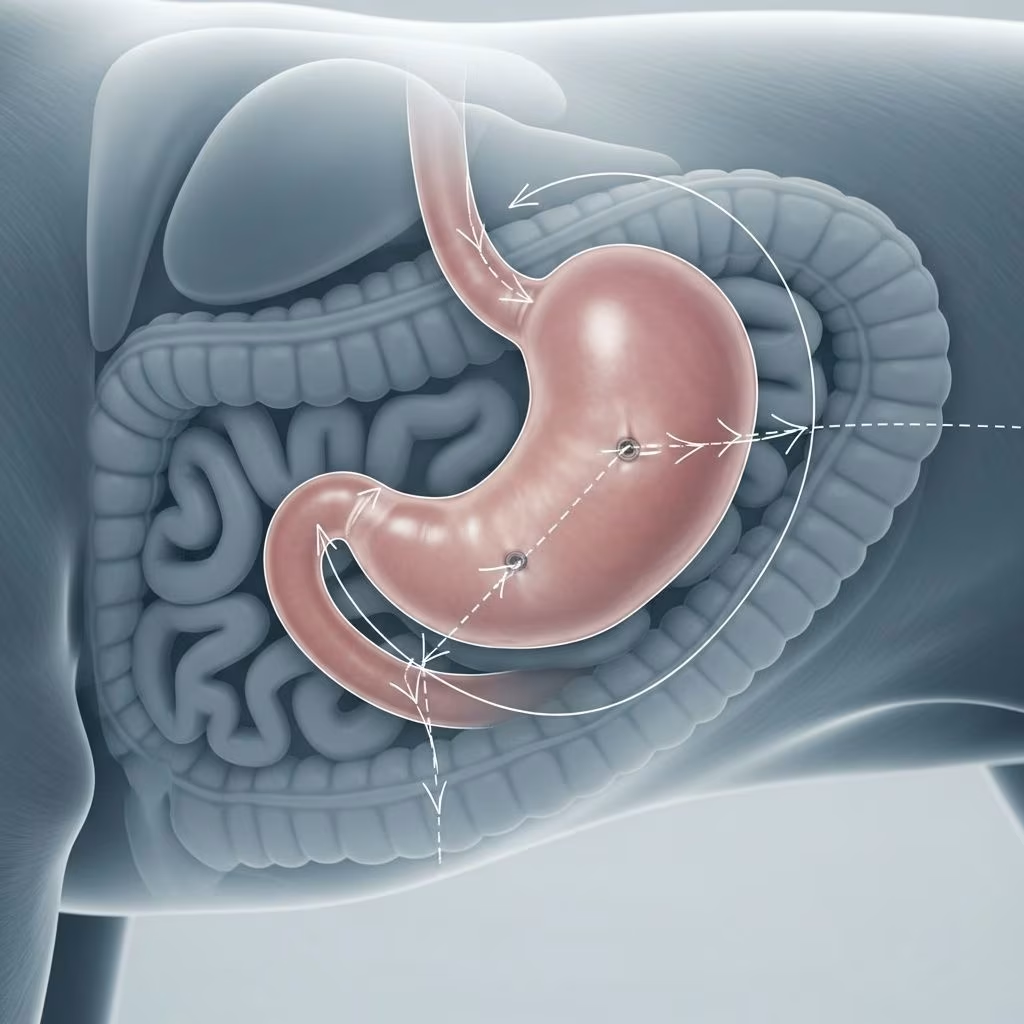
What is Gastropexy?
A gastropexy is a surgical procedure performed in large-breed dogs to prevent gastric dilatation and volvulus (GDV), commonly known as bloat. This serious and potentially life-threatening condition occurs when the stomach fills with gas and twists on itself, cutting off blood supply to vital organs. Gastropexy may be performed as a preventive measure in healthy dogs predisposed to this condition, or as part of the surgical management of GDV to prevent recurrence after emergency treatment has restored the stomach to its normal position.
The procedure is particularly important for breeds at high risk of developing GDV, including Great Danes, German Shepherds, Saint Bernards, Weimaraners, and other large and giant-breed dogs with deep, narrow chests. Medical professionals estimate that approximately 40% of Great Danes will develop GDV at some point in their lives, making prophylactic gastropexy a significant preventive intervention for this vulnerable population.
How Does Gastropexy Prevent GDV?
During a gastropexy procedure, your veterinarian will surgically “tack” the stomach to the right side of the body wall. This permanent attachment holds the stomach in place and prevents it from making the twist that results in GDV. The procedure works by creating a stable connection between the stomach and the abdominal wall, eliminating the mobility that allows the stomach to rotate.
The most common surgical technique involves creating an incision through the outer layer of the stomach and a corresponding incision on the inside of the body wall where the stomach is to be located. These incisions expose underlying tissue with bleeding surfaces. Your veterinarian will then suture the stomach to the body wall using two lines of suture, allowing the exposed tissue of both the stomach and body wall to contact each other. As these incisions heal, they fuse together, creating a connection of scar tissue that holds the stomach in a fixed location.
Surgical Techniques Available
Veterinarians have several surgical options when performing gastropexy, each with distinct advantages and considerations:
Incisional Gastropexy
Incisional gastropexy is the most commonly utilized and preferred technique because it is straightforward to perform, has fewer complications compared to other methods, and provides excellent outcomes. This technique involves making a small incision on the stomach wall and a second small incision on the inner right abdominal wall. The two incisions are then sutured together to form a permanent adhesion between the stomach and the body wall.
Laparoscopic-Assisted Gastropexy
Gastropexy can also be performed laparoscopically using a camera inserted through a small incision in the body wall. This minimally invasive approach results in less tissue trauma, decreased postoperative pain, and a faster return to normal function compared to traditional open surgery. However, laparoscopic gastropexy remains uncommon because specialized equipment is typically only available at specialty hospitals, and advanced training is required to perform the procedure safely.
Complications associated with laparoscopic techniques can be related to trocar placement, such as perforation of abdominal organs or subcutaneous emphysema, or to increased abdominal pressure during insufflation. Despite these considerations, laparoscopic-assisted gastropexy is an excellent option for prophylactic surgery in dogs without active GDV.
Other Gastropexy Techniques
Additional gastropexy methods include circumcostal, belt-loop, incorporating, and tube gastropexies. While these techniques have been described in veterinary literature and their tensile strengths studied, they are used less frequently than incisional gastropexy due to increased complication rates or technical complexity.
Risk Factors for GDV
Understanding the risk factors for GDV helps veterinarians identify which dogs would benefit most from prophylactic gastropexy:
– Large and giant-breed dogs with deep and narrow chests- Increasing age- Ingestion of large amounts of food or water- Eating rapidly or from an elevated food dish- Fearful or anxious temperament- Exercise or physical activity soon after eating- Family history of GDV in first-degree relatives- Stressful situations such as boarding or severe weather
Dogs with first-degree relatives who have experienced GDV appear to be at significantly increased risk for the condition themselves, making prophylactic gastropexy a recommended preventive intervention in these animals.
When is Gastropexy Recommended?
Emergency Gastropexy for Active GDV
Dogs who develop GDV require emergency surgery to untwist the stomach, and gastropexy is a critical component of this life-saving procedure. Once the stomach has been restored to its normal position, gastropexy is performed to tack the stomach in place and prevent recurrence. This intervention is crucial because dogs with GDV that do not undergo gastropexy have recurrence rates exceeding 70% and mortality rates as high as 80%. In contrast, gastropexy reduces the risk of recurrence from 80% to less than 5%, making it an essential component of emergency GDV treatment.
Prophylactic Gastropexy
Prophylactic gastropexy is performed in healthy dogs predisposed to developing GDV before an emergency situation occurs. This preventive approach is particularly recommended for high-risk breeds and for dogs with a family history of GDV. Some veterinarians recommend prophylactic gastropexy as part of routine spay or neuter surgery in susceptible breeds, combining the procedures to minimize anesthesia exposure and recovery time.
Recovery and Postoperative Care
General Recovery Guidelines
Recovery from gastropexy after open abdominal surgery follows standard protocols for elective surgical procedures. Patients are typically rested with activity restriction for 2 to 3 weeks post-operatively. Your veterinarian will send your dog home with pain medications to manage discomfort during the healing process. Owners are instructed to feed frequent small meals throughout the day rather than one or two large meals daily for the first 1 to 2 weeks after surgery. After full recovery is achieved, the diet can gradually return to normal feeding patterns.
Combined Procedures
If your dog has a gastropexy performed at the same time as spay or neuter surgery, the recovery time remains the same as standard gastropexy recovery. The combination does not extend healing requirements.
Laparoscopic Recovery
Recovery from laparoscopic-assisted gastropexy is similar to recovery from open surgical gastropexy. The patient is rested, provided pain medication, and fed small frequent meals for 2 to 3 weeks. It is important to note that laparoscopic-assisted gastropexy is only an option for prophylactic surgery. Dogs that have already developed GDV will require open abdominal surgery to properly address the emergency situation.
Emergency Gastropexy Recovery
An emergency gastropexy performed when a dog has developed active GDV often requires more involved postoperative care, depending on the severity of stomach damage noted during surgery. Heart arrhythmias must be monitored and controlled, as GDV can cause serious cardiac complications. Most dogs will remain hospitalized for several days post-operatively before being sent home for the remainder of their recovery period. In addition to the activity restriction required with standard gastropexy, your dog may require a prescription diet and medication to protect the gastrointestinal tract, such as famotidine, omeprazole, or ranitidine.
Postoperative Monitoring and Care Instructions
After surgery, detailed postoperative instructions will be provided outlining medications and incision care requirements. Bandages on the IV catheter site can typically be removed once you get home. Some bruising and swelling around the incision site is normal and expected during the healing process.
Contact your veterinarian immediately if you observe any of the following warning signs:
– Increased redness or bruising over time- Odorous or pus-like discharge from the incision- Opening or separation of the incision site- Increased swelling that worsens- Vomiting- Signs of acute pain or distress- Lack of appetite- Lethargy or unusual behavior
Benefits of Gastropexy
The benefits of gastropexy are substantial and well-documented. For dogs with a history of GDV, gastropexy reduces recurrence risk from 80% to less than 5%—a dramatic improvement in outcomes. For high-risk breeds undergoing prophylactic gastropexy, the procedure significantly reduces the likelihood of ever developing this life-threatening condition. The procedure provides dog owners with peace of mind, knowing they have taken proactive steps to protect their beloved companions from one of the most serious emergencies that can affect large-breed dogs.
Frequently Asked Questions
Q: What breeds are most at risk for GDV?
A: Large and giant-breed dogs with deep, narrow chests are at highest risk, including Great Danes, German Shepherds, Saint Bernards, Weimaraners, Boxers, and Irish Setters. It is estimated that 40% of Great Danes will develop GDV during their lifetime.
Q: Can gastropexy be performed on any dog?
A: While gastropexy can technically be performed on any dog, it is primarily recommended for large and giant breeds at risk for GDV. Smaller breeds rarely develop GDV and do not typically require this procedure.
Q: Is prophylactic gastropexy painful?
A: Like any surgical procedure, gastropexy involves some postoperative discomfort, which is managed with pain medications. Most dogs recover well with appropriate pain management.
Q: How long does the gastropexy procedure take?
A: The duration depends on the surgical technique used, but most incisional gastropexies take 30 to 60 minutes to perform, not including anesthesia preparation and recovery time.
Q: Can gastropexy be performed with spaying or neutering?
A: Yes, gastropexy can be performed during the same surgical session as spaying or neutering in high-risk dogs. This combination procedure does not extend recovery time beyond standard gastropexy recovery.
Q: What is the success rate of gastropexy?
A: Gastropexy has an excellent success rate. For dogs with previous GDV, it reduces recurrence rates from 80% to less than 5%. For prophylactic gastropexy in high-risk breeds, it significantly reduces the likelihood of ever developing GDV.
Q: Are there any long-term complications from gastropexy?
A: Gastropexy is generally well-tolerated long-term. The stomach remains permanently attached to the abdominal wall, preventing rotation. Complications are rare when performed correctly and when postoperative care instructions are followed.
Q: How much does gastropexy cost?
A: Cost varies depending on your geographic location, the veterinary hospital, and whether it is performed as a standalone procedure or combined with another surgery. Prophylactic gastropexy is typically less expensive than emergency GDV surgery.
Conclusion
Gastropexy is a highly effective surgical procedure that can save your dog’s life by preventing gastric dilatation and volvulus. For owners of large and giant-breed dogs, understanding this procedure and discussing it with your veterinarian is an important part of comprehensive pet health care. Whether performed as a prophylactic measure in healthy at-risk dogs or as an emergency intervention to prevent recurrence after GDV, gastropexy offers significant protection against this life-threatening condition and provides invaluable peace of mind for devoted pet owners.
References
- Key Gastrointestinal Surgeries: Incisional Gastropexy — DVM360. 2024. https://www.dvm360.com/view/key-gastrointestinal-surgeries-incisional-gastropexy
- Gastropexy — VCA Animal Hospitals. 2025. https://vcahospitals.com/know-your-pet/gastropexy
- Incisional Gastropexy — Veterinary Surgery Online. 2024. https://www.vetsurgeryonline.com/incisional-gastropexy/
- Elective Gastropexy — Dallas Veterinary Surgical Center. 2025. https://www.dvsc.com/gastropexy
- Prophylactic Gastropexy — VSx Veterinary Surgery. 2025. https://www.vsxvet.com/gastropexy
- Gastropexy for Dogs: Preventing Gastric Torsion (GDV) — Goodna Vet. 2024. https://www.goodnavet.com.au/gastropexy



