

Understanding Gastric Dilatation and Volvulus (GDV)
Gastric dilatation and volvulus, commonly referred to as bloat or stomach torsion, represents one of the most serious medical emergencies a dog can experience. This life-threatening condition occurs when the stomach fills with gas and rotates or twists on itself, cutting off critical blood supply to the stomach and surrounding organs. The pylorus—the outlet at the bottom of the stomach—becomes twisted, trapping gas and preventing normal digestive function.
When GDV develops, the enlarged stomach can compress the esophagus, restricting the dog’s ability to breathe properly. Additionally, the twisted stomach obstructs blood flow returning to the heart and cuts off circulation to vital organs including the spleen. Without emergency surgical intervention within approximately five hours, this condition is often fatal. The rapid onset and severity of GDV make it a true medical emergency requiring immediate veterinary attention.
The Gastropexy Procedure Explained
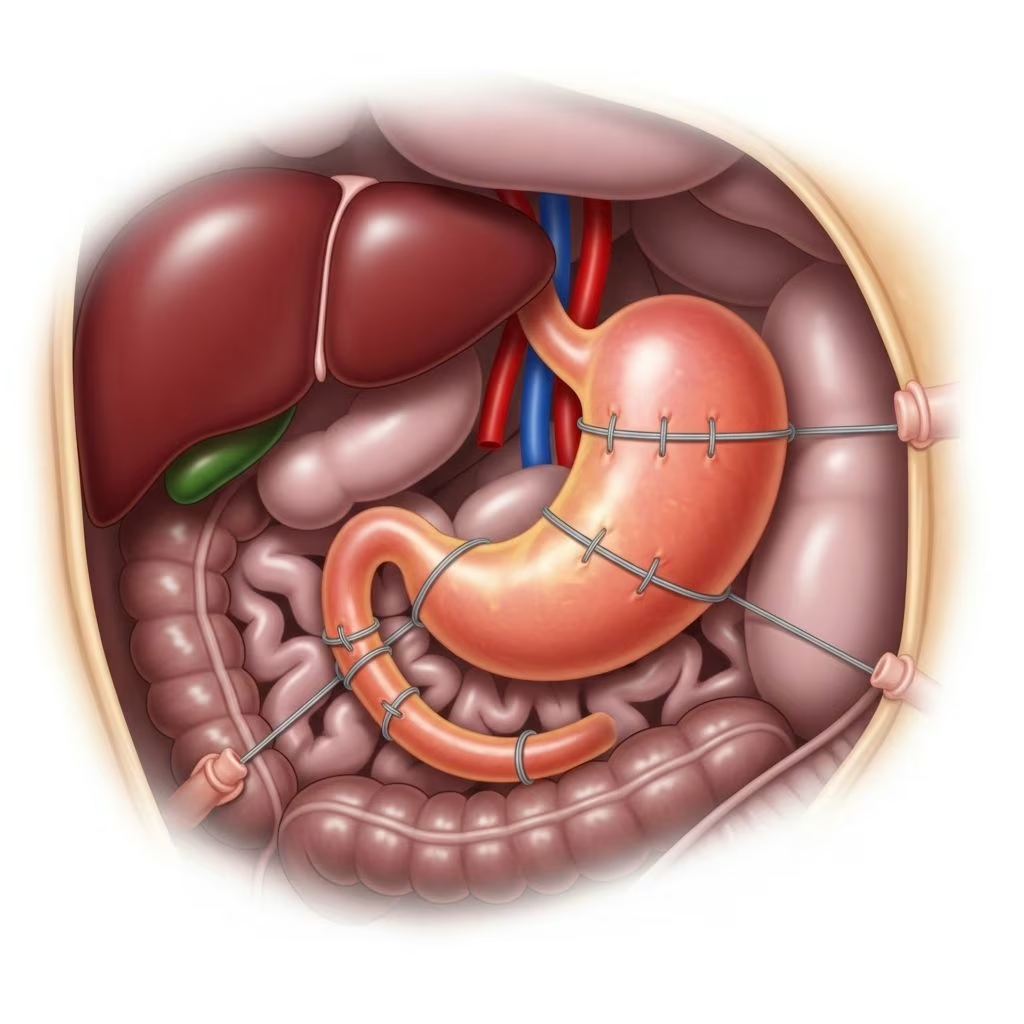
Gastropexy is a surgical procedure designed to permanently secure the stomach in its correct anatomical position, preventing the twisting that leads to GDV. The surgery involves surgically “tacking” the stomach to the inner abdominal wall, essentially anchoring it in place. This preventive approach has proven to be over 99% successful at preventing GDV from occurring, offering pet owners peace of mind regarding their dog’s digestive health.
How the Surgery Works
During a traditional incisional gastropexy, the veterinarian creates precise surgical incisions through the outer muscular layer of the stomach wall and creates a corresponding incision on the inner surface of the abdominal body wall where the stomach will be secured. These incisions expose the underlying tissue of both the stomach and the body wall. The surgeon then uses sutures—typically two lines—to permanently attach the stomach to the body wall at these points.
As the surgical sites heal over the following weeks, scar tissue forms at the points of attachment, creating a permanent connection that holds the stomach firmly in its natural position. This scar tissue formation is crucial to the procedure’s long-term success, as it creates a stable anchor that prevents any possibility of stomach rotation.
Surgical Technique Options
While incisional gastropexy remains the most common and preferred surgical approach due to its relative simplicity and favorable outcomes, veterinarians may employ alternative techniques depending on specific circumstances and available equipment. One alternative involves laparoscopic gastropexy, which utilizes a small camera inserted through a minimal incision to guide the procedure. This minimally invasive approach reduces trauma to the surrounding tissues and may offer faster recovery times.
However, laparoscopic gastropexy remains uncommon in general veterinary practice, as the specialized equipment required is typically available only at specialty veterinary hospitals or advanced surgical centers. Most dogs can be effectively treated through traditional incisional techniques, which remain the gold standard for this procedure.
Who Should Consider Gastropexy?
High-Risk Breed Characteristics
Certain dog breeds carry significantly higher risk for developing GDV due to their anatomical structure. Dogs with large frames and deep chests are particularly vulnerable, as their body conformation predisposes them to stomach displacement. Breeds at elevated risk include Great Danes, Doberman Pinschers, German Shepherds, and similar large, deep-chested breeds. Research indicates that approximately 40% of Great Danes will develop GDV at some point during their lifetime, making prophylactic gastropexy particularly valuable for this breed.
Risk Indicators Beyond Breed
Beyond breed predisposition, several behavioral and medical factors may increase a dog’s GDV risk:
- Previous episodes of bloat or GDV—dogs that have experienced one episode face dramatically increased risk of recurrence, with studies showing recurrence rates up to 80% without surgical intervention
- Frequent gas, abdominal swelling, or visible discomfort following meals
- Family history of GDV among close relatives
- Rapid eating habits or consumption of large meals at once
- Feeding practices involving elevated food bowls or certain types of dry kibble
Dogs displaying any combination of these risk factors are excellent candidates for preventive gastropexy, regardless of whether they are purebred dogs or mixed-breed animals.
Timing and Surgical Decisions
Prophylactic (Preventive) Gastropexy
Prophylactic gastropexy is performed on healthy dogs as a preventive measure against future GDV episodes. This approach is most frequently recommended for high-risk young dogs, often performed at the same time as spaying or neutering procedures. By combining gastropexy with routine reproductive surgery, veterinarians minimize the number of anesthesia events the dog experiences while providing valuable protection against a potentially fatal condition.
Veterinarians typically recommend scheduling gastropexy after a dog reaches six months of age, though the procedure can be performed at virtually any age in healthy dogs. The ideal timing often aligns with spay or neuter surgery, as the dog is already under anesthesia and the abdominal cavity is already open, reducing overall surgical time and anesthetic exposure.
Emergency Gastropexy
When a dog experiences an acute GDV episode, emergency gastropexy becomes a critical component of lifesaving treatment. During emergency surgery, the veterinarian must first untwist the stomach and restore it to its normal position, then perform gastropexy to prevent recurrence. The veterinarian also evaluates the stomach tissue for damage caused by the twisted condition and the compromised blood supply. Severely damaged portions of the stomach may require removal.
Emergency gastropexy reduces the recurrence rate of GDV from 80% down to less than 5%, demonstrating the profound protective value of this procedure. However, emergency gastropexy typically involves more complex postoperative care than prophylactic procedures, depending on the severity of stomach damage and organ involvement.
Recovery and Postoperative Care
Prophylactic Gastropexy Recovery
Dogs undergoing prophylactic gastropexy as a standalone procedure or combined with spay/neuter surgery typically experience straightforward recovery. Most dogs return home within 24-48 hours following surgery. During the recovery period, activity must be strictly restricted to allow proper wound healing. Veterinarians typically recommend limiting activity for 10-14 days post-surgery, avoiding jumping, running, or excessive play.
Pain management medications are generally prescribed for the first several days to ensure comfort. Sutures or surgical staples require removal approximately 10-14 days after the procedure. During this recovery window, owners should monitor the surgical incision for any signs of infection, including redness, swelling, discharge, or dehiscence (opening of the incision).
Emergency Gastropexy Recovery
Recovery from emergency gastropexy is typically more involved than prophylactic procedures. Dogs affected by acute GDV often sustain significant physiological stress and potential organ damage during the emergency event. Many dogs require hospitalization for several days post-operatively for intensive monitoring and care.
Beyond standard wound care, emergency gastropexy patients often require additional medical management. Heart arrhythmias—common complications following GDV—must be monitored continuously and controlled with medication if necessary. Some dogs benefit from prescription medications to protect the gastrointestinal tract, such as famotidine (an H2-receptor antagonist), omeprazole (a proton pump inhibitor), or ranitidine. Additionally, prescription digestive diets may be recommended during recovery to minimize stress on the healing stomach.
Benefits of Gastropexy
Prevention of Life-Threatening Emergencies
The primary benefit of gastropexy is prevention of GDV, one of the most serious veterinary emergencies. By anchoring the stomach in place, gastropexy eliminates the anatomical possibility of stomach rotation and the cascade of life-threatening complications that follow. This preventive measure offers pet owners and their dogs protection against a condition that carries significant mortality risk even with prompt surgical intervention.
Financial Protection
Emergency GDV surgery is extraordinarily expensive, often costing $3,000-$8,000 or more when accounting for emergency facility fees, extended hospitalization, and intensive care requirements. Prophylactic gastropexy, typically costing $1,000-$2,500 depending on the veterinary facility and surgical technique, represents a significant financial investment that prevents potentially catastrophic expenses associated with emergency treatment.
Quality of Life Enhancement
Dogs at high risk for GDV often experience anxiety around mealtimes and may suffer from chronic bloating and digestive discomfort. Gastropexy stabilizes the stomach and promotes normal digestive function, reducing uncomfortable bloating episodes and improving overall quality of life. This improvement in digestive stability allows at-risk dogs to eat comfortably without the worry that accompanies their predisposition to this serious condition.
Success Rates and Effectiveness
Gastropexy demonstrates exceptional effectiveness in preventing GDV. Studies show the procedure is more than 99% successful in preventing GDV episodes when performed as a prophylactic measure in healthy dogs. For dogs with a history of GDV, gastropexy reduces recurrence risk from approximately 80% down to less than 5%. These remarkable statistics make gastropexy one of the most effective preventive surgical procedures available in veterinary medicine.
The incisional gastropexy technique remains the preferred approach due to its proven success, relative simplicity, and low complication rates compared to alternative techniques such as circumcostal gastropexy. The durability of the scar tissue connection ensures permanent stomach stabilization throughout the dog’s lifetime.
Potential Complications and Considerations
While gastropexy is generally a safe surgical procedure, like all surgeries it carries some inherent risks. Infection at the surgical site is possible but uncommon with proper surgical technique and postoperative care. Hemorrhage during surgery is minimized through careful surgical technique and proper hemostasis. Some dogs may experience mild gastrointestinal upset during early recovery, though this typically resolves within a few days.
Long-term complications are rare. In occasional cases, the gastropexy attachment may weaken over many years, though this is uncommon given the permanent nature of the scar tissue connection. Anesthetic risks are inherent to any surgical procedure and should be discussed with your veterinarian based on your individual dog’s health status and age.
Making the Decision: Is Gastropexy Right for Your Dog?
The decision to proceed with gastropexy should be made in consultation with your veterinarian, who can assess your individual dog’s risk factors. For owners of high-risk breeds, especially Great Danes, Dobermans, and similar large, deep-chested breeds, prophylactic gastropexy offers compelling benefits that often outweigh the surgical risks and costs.
Consider gastropexy particularly seriously if your dog has experienced a previous GDV episode, as the recurrence risk without surgery is unacceptably high. Similarly, if your dog shows signs of frequent bloating or gastric discomfort, gastropexy may provide relief and protection. Combining gastropexy with routine spay or neuter surgery minimizes the number of anesthetic events while providing invaluable protection.
Frequently Asked Questions
At what age can dogs have gastropexy performed?
Gastropexy can typically be performed any time after a dog reaches approximately six months of age. For convenience and to minimize anesthetic exposure, many veterinarians recommend performing gastropexy at the same time as spaying or neutering, which commonly occurs between 6-12 months of age.
Can gastropexy be performed laparoscopically?
Yes, laparoscopic gastropexy is an alternative minimally invasive technique that uses a small camera to guide the procedure. However, this approach requires specialized equipment typically available only at specialty veterinary hospitals and is less commonly performed than traditional incisional gastropexy.
What is the success rate of gastropexy?
Gastropexy demonstrates over 99% effectiveness in preventing GDV when performed prophylactically in healthy dogs. For dogs with previous GDV episodes, it reduces recurrence risk from 80% to less than 5%.
How long does recovery take after gastropexy?
Most dogs recover within 10-14 days from prophylactic gastropexy, with activity restrictions during this period. Dogs undergoing emergency gastropexy may require several days of hospitalization followed by an extended recovery period of 2-4 weeks.
Is gastropexy expensive?
Prophylactic gastropexy typically costs between $1,000-$2,500, depending on the surgical facility and technique. However, this represents significant savings compared to emergency GDV surgery, which can cost $3,000-$8,000 or more.
References
- Gastropexy — VCA Animal Hospitals. https://vcahospitals.com/know-your-pet/gastropexy
- What is gastropexy and why should I care? — San Juan Veterinary Clinic. https://www.sanjuanvetclinic.com/case_study/what-is-gastropexy-and-why-should-i-care/
- Incisional Gastropexy — Veterinary Surgery Online. https://www.vetsurgeryonline.com/incisional-gastropexy/
- Pet Surgeons Crown Point, IN – Hanover Veterinary Hospital — Hanover Veterinary Hospital. https://www.hanovervet.com/gastropexy
- Gastropexy Surgery for Dogs — Wil-O-Paw Animal Hospital. https://www.wilopaw.com/service/gastropexy-surgery/
- Meet dude: Gastropexy Surgery Patient — Island Animal Hospital. https://islandanimal.com/blog/meet-dude-gastropexy-surgery-patient/



