Gastropexy: Saving Dogs from Deadly Bloat
Discover how gastropexy surgery protects high-risk dogs from gastric dilatation-volvulus (GDV), the life-threatening bloat condition.
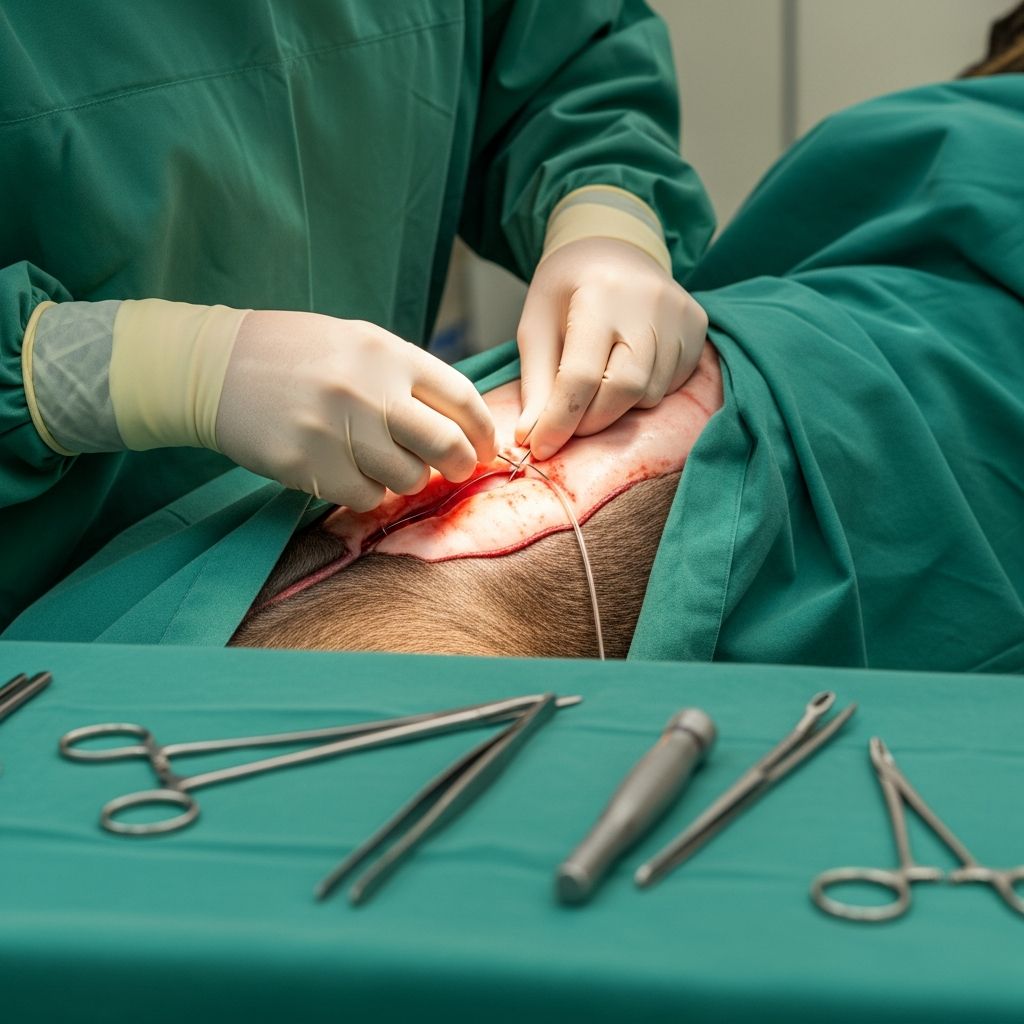
Gastropexy surgery secures a dog’s stomach to the abdominal wall, dramatically lowering the risk of gastric dilatation-volvulus (GDV), a rapidly fatal condition common in large breeds. This procedure, available in open and minimally invasive forms, offers pet owners peace of mind for high-risk dogs.
Understanding GDV: The Silent Killer in Canines
GDV, often called bloat, occurs when a dog’s stomach fills with gas and rotates, trapping it and cutting off blood flow. Without urgent intervention, shock, organ failure, and death can follow within hours. Large, deep-chested breeds like Great Danes, Saint Bernards, and Irish Setters face the highest danger, with incidence rates up to 40% in predisposed lines.
Symptoms strike suddenly: unproductive retching, swollen abdomen, restlessness, rapid breathing, and pale gums signal emergency. Even with treatment, mortality exceeds 30%, and survivors risk recurrence over 70% without gastropexy. Early recognition saves lives—rush to a vet if suspected.
Who Needs Gastropexy? Identifying At-Risk Dogs
Not every dog requires this surgery, but certain profiles demand consideration.
- Breeds: Giant breeds (over 99 lbs) with narrow, deep chests, including Great Danes, Mastiffs, and Standard Poodles.
- Age and Genetics: Dogs over 7 years or first-degree relatives of GDV cases. Prophylactic gastropexy is advised for these.
- Lifestyle Factors: Rapid eaters, those gulping water, or exercising post-meal elevate odds.
Vets recommend it during spay/neuter for puppies over 6 months in vulnerable breeds, minimizing additional anesthesia.
Types of Gastropexy Procedures Explained
Several techniques exist, each balancing efficacy, invasiveness, and recovery. Incisional and laparoscopic-assisted lead for reliability and speed.
| Technique | Description | Pros | Cons |
|---|---|---|---|
| Incisional Gastropexy | Incisions in stomach’s outer layers (serosa/muscle) sutured to abdominal wall. | Fastest, fewest complications, strong adhesion. | Open surgery requires larger incision. |
| Laparoscopic-Assisted | Camera-guided via 1-2cm ports; stomach grasped and sutured minimally. | Less pain, quicker recovery, outpatient. | Needs specialized equipment/training. |
| Belt-Loop | Stomach flap threaded through abdominal tunnel. | Secure hold. | Higher complication risk. |
| Circumcostal | Stomach flap around rib, sutured back. | Strong anchor. | Slower gastric emptying post-GDV. |
Incisional methods are gold standard for prophylaxis; laparoscopic suits healthy dogs.
The Gastropexy Surgery Process Step-by-Step
Performed under general anesthesia, surgery lasts 30-90 minutes.
- Preparation: Pre-op bloodwork, fasting, IV fluids.
- Anesthesia and Incision: For open: midline cut from xiphoid to pubis. Laparoscopic: 1cm near umbilicus, second by ribs.
- Stomach Positioning: Decompress via orogastric tube if GDV present; manipulate to right wall.
- Attachment: Cut stomach seromuscular layer (4-5cm), suture to body wall for permanent scar.
- Closure: Multi-layer sutures; laparoscopic seals small ports.
Post-op, GDV recurrence drops below 1%.
Benefits: Why Gastropexy is a Game-Changer
Beyond prevention, gastropexy restores normal function. Prophylactic cases show zero GDV over 2 years. Minimally invasive options cut pain, hospital stays, and costs long-term by averting emergencies. For GDV survivors, it’s mandatory to halt 70%+ repeat risk. Gastric emptying normalizes in healthy patients (90% in 5.5 hours).
Risks and Complications: What to Watch For
Complications are rare (<5%), but include:
- Infection or incision dehiscence.
- Laparoscopic: organ perforation from trocars, gas embolism.
- Adhesion issues delaying emptying in GDV cases.
Success hinges on surgeon expertise; choose board-certified specialists.
Recovery Timeline and Home Care Essentials
Dogs go home same/next day.
- Days 1-3: E-collar, small meals 4-6x/day, no running.
- Weeks 1-2: Suture removal at 10-14 days; monitor for swelling, lethargy.
- Full Activity: 4-6 weeks; lifetime GDV protection.
Pain meds, antibiotics standard. Feed elevated? Avoid to prevent habits.
Cost Analysis: Investing in Your Dog’s Future
Expect $1,500-$4,000 USD, varying by type/location. Laparoscopic higher upfront but saves on recovery. Prophylactic during spay adds $800-1,500. Compare to GDV treatment: $5,000-$10,000+ with 30% fatality. Insurance often covers high-risk breeds.
Preventive Strategies Beyond Surgery
Gastropexy isn’t sole defense:
- Split meals into 2-3 small ones.
- Use slow-feeder bowls.
- Limit exercise 1-2 hours post-eating.
- Avoid single large water gulps.
These reduce but don’t eliminate risk—surgery provides certainty.
FAQs: Common Questions on Gastropexy
Q: At what age can puppies get gastropexy?
A: Safely from 6 months, ideally with spay/neuter.
Q: Does gastropexy affect digestion long-term?
A: No in prophylactics; minor delays possible post-GDV.
Q: Is laparoscopic better than open?
A: Less invasive with faster recovery, if available.
Q: Can small dogs benefit?
A: Rare GDV makes it unnecessary.
Q: What’s recurrence rate post-gastropexy?
A: Under 1%.
Real-World Success: Stories from Vets and Owners
Veterinary centers report flawless outcomes in prophylactics. Owners of Great Danes note active lives post-surgery, dodging family GDV history. Consult your vet for breed-specific advice.
Gastropexy empowers owners to protect beloved pets from GDV’s terror. Weigh risks, consult specialists, and prioritize prevention.
References
- Laparoscopic-Assisted Gastropexy for Dogs — Standiford Veterinary Center. Accessed 2026. https://standifordveterinary.com/services/dogs/laparoscopic-assisted-gastropexy-dogs.html
- Key gastrointestinal surgeries: Incisional gastropexy — dvm360. Accessed 2026. https://www.dvm360.com/view/key-gastrointestinal-surgeries-incisional-gastropexy
- Gastropexy in Dogs: Benefits, Risks, and Cost — PetMD. Accessed 2026. https://www.petmd.com/dog/procedure/gastropexy-in-dogs
- Incisional Gastropexy — Veterinary Surgery Online. Accessed 2026. https://www.vetsurgeryonline.com/incisional-gastropexy/
- Laparoscopic-Assisted Gastropexy to Prevent GDV — Nashville Veterinary Specialists. Accessed 2026. https://www.nashvillevetspecialists.com/articles/laparoscopic-assisted-gastropexy-to-prevent-gdv
- Gastropexy Surgery in Dogs — SurgiPet. Accessed 2026. https://www.surgipet.com/article/gastropexy-surgery-in-dogs
- Open & Laparoscopic-Assisted Incisional Gastropexy — Clinician’s Brief. Accessed 2026. https://www.cliniciansbrief.com/article/open-laparoscopic-assisted-incisional-gastropexy
Similar Articles



Read full bio of Sneha Tete