

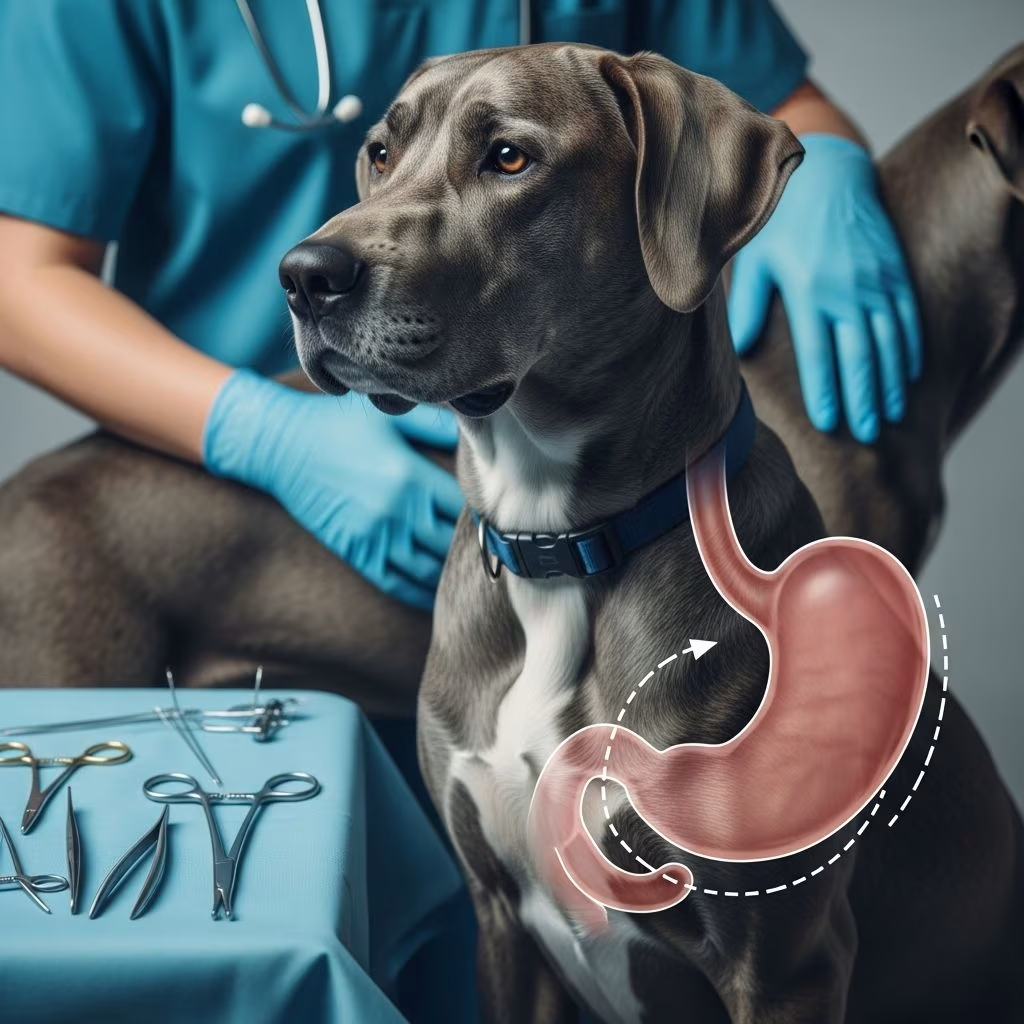
Gastropexy is a surgical intervention that anchors the stomach to the abdominal wall, dramatically reducing the risk of gastric dilatation-volvulus (GDV), a fatal condition commonly known as bloat in dogs. This procedure is especially vital for large, deep-chested breeds prone to stomach twisting.
Understanding the GDV Threat in Canines
GDV occurs when a dog’s stomach fills with gas and rotates, trapping it and cutting off blood flow. This leads to rapid shock, organ failure, and death if untreated. Large breeds like Great Danes, Saint Bernards, and Irish Setters face the highest risk due to their anatomy.
Symptoms include unproductive retching, swollen abdomen, restlessness, rapid breathing, and collapse. Without emergency surgery, mortality exceeds 80% in untreated cases. Family history, rapid eating, and exercise post-meals heighten vulnerability.
High-Risk Dog Breeds and Factors
Certain breeds are predisposed:
- Great Danes
- Saint Bernards
- Irish Setters
- Doberman Pinschers
- German Shepherds
- Weimaraners
Other factors include advanced age, fearful disposition, and single large meals. First-degree relatives of GDV dogs warrant prophylactic measures.
Surgical Techniques for Gastropexy
Veterinarians employ various methods to secure the stomach, with incisional gastropexy being the most favored for its speed and low complication rate.
| Technique | Description | Pros | Cons |
|---|---|---|---|
| Incisional | Incisions in stomach serosa/muscle sutured to abdominal wall incision. | Fastest, fewest complications, strong adhesion. | Requires open surgery. |
| Circumcostal | Stomach flap looped around ribs to body wall. | Strong hold. | Higher gastric emptying delay risk post-GDV. |
| Belt-Loop | Stomach secured via muscular tunnels. | Effective prevention. | More complex. |
| Laparoscopic | Minimally invasive with small incisions and camera guidance. | Less pain, quicker recovery. | Specialized equipment needed. |
Incisional gastropexy creates a permanent scar adhesion, holding the stomach in place.
When to Consider Gastropexy
Prophylactic gastropexy suits at-risk dogs during spay/neuter or routine procedures. It’s mandatory during GDV corrective surgery, slashing recurrence from over 70% to under 1%.
Elective options include open or laparoscopic approaches for healthy dogs.
The Gastropexy Procedure Step-by-Step
Under general anesthesia, a midline abdominal incision exposes the stomach. For incisional type:
- Decompress stomach if needed via orogastric tube.
- Reposition volvulus by pulling pylorus rightward (if GDV present).
- Cut 4-5 cm incision in pyloric antrum seromuscular layer.
- Make matching abdominal wall incision.
- Suture layers together for adhesion formation.
- Close abdomen.
Laparoscopic versions use tiny ports, grasping tools, and external visualization.
Potential Risks and Complications
Though low-risk, issues include:
- Gastrointestinal upset (most common)
- Infection
- Bleeding
- Spleen laceration (laparoscopy)
- Delayed gastric emptying
GDV dogs face added risks from initial torsion damage. Overall, benefits eclipse risks for predisposed breeds.
Post-Operative Recovery Guidelines
Expect 10-14 day recovery:
- Days 1-2: Hospital monitoring, IV fluids, pain meds.
- Week 1: E-collar, small frequent meals, no exercise.
- Stitch removal: 10-14 days.
Monitor for vomiting, lethargy, or incision swelling. Full activity resumes in 4-6 weeks.
Financial Aspects: Costs and Insurance
Prophylactic gastropexy: $1,500-$3,000 USD. GDV-inclusive: $4,000-$8,000+ due to emergency care. Pet insurance often covers, emphasizing prevention.
Long-Term Outcomes and Effectiveness
Gastropexy reduces GDV recurrence to <1%, with studies showing zero episodes over 2 years in prophylactically treated dogs. It prevents volvulus but not dilatation alone.
FAQs
What is gastropexy in dogs?
A surgery fixing the stomach to prevent twisting (GDV/bloat).
Which dogs need gastropexy?
Large, deep-chested breeds or those with GDV history/family risk.
Is gastropexy safe?
Yes, low complication rate; highly effective.
How long is recovery?
2 weeks restricted activity, full in 4-6 weeks.
Does insurance cover it?
Often yes, especially preventive in policies.
Alternatives and Prevention Strategies
While gastropexy is gold standard, divide meals, use slow feeders, avoid exercise post-eating. No method matches surgical efficacy.
References
- Gastropexy in Dogs: Benefits, Risks, and Cost — PetMD. 2023. https://www.petmd.com/dog/procedure/gastropexy-in-dogs
- Gastropexy Surgery in Dogs — SurgiPet. 2023. https://www.surgipet.com/article/gastropexy-surgery-in-dogs
- Elective Gastropexy — Dallas Veterinary Surgical Center. 2023. https://www.dvsc.com/gastropexy
- Key gastrointestinal surgeries: Incisional gastropexy — DVM360. 2023. https://www.dvm360.com/view/key-gastrointestinal-surgeries-incisional-gastropexy
- Incisional Gastropexy — Veterinary Surgery Online. 2023. https://www.vetsurgeryonline.com/incisional-gastropexy/
- Gastropexy — Broadview Veterinary. 2023. https://broadviewvet.com/gastropexy/
- Open & Laparoscopic-Assisted Incisional Gastropexy — Clinician’s Brief. 2023. https://www.cliniciansbrief.com/article/open-laparoscopic-assisted-incisional-gastropexy



