

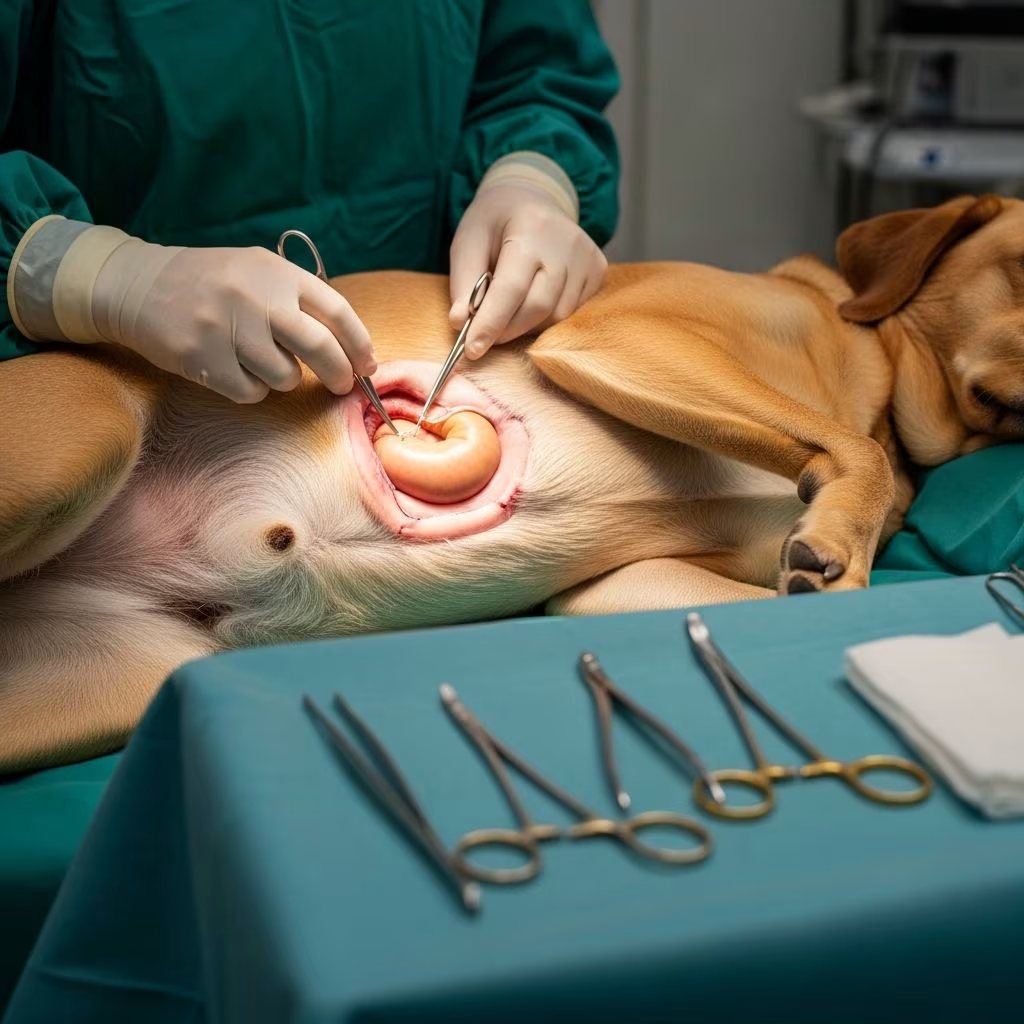
Understanding Gastropexy: A Preventive Surgical Solution
Gastropexy is a surgical procedure that veterinarians perform to prevent or treat a serious and potentially life-threatening condition in dogs known as gastric dilatation-volvulus, commonly referred to as bloat or twisted stomach. The term “gastropexy” comes from two Greek words: “gastro,” meaning stomach, and “pexy,” meaning fixation. During this procedure, a permanent connection is surgically created between the stomach and the right abdominal wall, keeping the stomach in its normal anatomical position.
This procedure has become increasingly important in veterinary medicine, particularly for dog owners of large and giant breeds that are genetically predisposed to this dangerous condition. By understanding what gastropexy is and how it works, pet owners can make informed decisions about their dog’s long-term health and wellbeing.
What is Gastric Dilatation-Volvulus (GDV)?
Gastric dilatation-volvulus is a medical emergency that occurs when a dog’s stomach fills with gas, fluid, or food and then twists on itself. This twisting action, called volvulus, cuts off blood supply to the stomach tissue and can lead to shock, organ damage, and potentially death if not treated immediately.
GDV most commonly affects large- and giant-breed dogs with deep, narrow chests, though it can occur in any dog breed. Some of the highest-risk breeds include Great Danes, German Shepherds, Standard Poodles, Boxers, and Doberman Pinschers. The condition can develop rapidly, and dogs experiencing GDV require emergency surgery to untwist the stomach and prevent tissue death. It is estimated that approximately 40% of Great Danes will develop GDV at some point during their lifetime, making preventive measures critically important for these breeds.
How Does Gastropexy Prevent GDV?
The primary mechanism by which gastropexy prevents GDV is elegantly simple yet highly effective. During the procedure, your veterinarian surgically “tacks” the stomach to the right side of the body wall, creating a permanent attachment that holds the stomach firmly in place.
This prevents the stomach from making the twisting motion that leads to GDV. The attachment is created through a process of controlled healing. When incisions are made in both the stomach and the body wall during the procedure, the exposed bleeding tissue from both surfaces comes into contact with each other. As these incisions heal over time, they form scar tissue that creates a permanent bond between the stomach and the abdominal wall, effectively anchoring the stomach in its correct anatomical position.
The effectiveness of gastropexy in preventing recurrence is remarkable. In dogs who have already experienced one episode of GDV, the risk of recurrence is extremely high at approximately 80% without preventive intervention. However, when gastropexy is performed, this risk drops dramatically to less than 5%, making it one of the most effective preventive measures available in veterinary medicine.
Types of Gastropexy Techniques
Veterinary surgeons have developed several different techniques for performing gastropexy, each with its own advantages and considerations. The most commonly used methods include:
Incisional Gastropexy
Incisional gastropexy is the most frequently performed technique and is considered the gold standard by many veterinary surgeons. In this procedure, an incision is made through the outer layers of the stomach, including the serous layer and muscular layer, and a corresponding incision is created on the inside of the body wall. The stomach wall edges are then sutured to the abdominal wall using two lines of suture.
This technique is preferred because it is relatively fast to perform, has fewer complications than other gastropexy methods, and produces excellent outcomes. The incisional approach is technically straightforward, making it accessible to many veterinary surgeons regardless of their facility’s equipment capabilities.
Belt-Loop Gastropexy
In the belt-loop gastropexy technique, a flap of the outer layers of the stomach is passed through a soft tissue tunnel created in the abdominal wall to attach the stomach to the area. This method creates a secure attachment through the formation of a tunnel rather than through direct incisional contact.
Circumcostal Gastropexy
The circumcostal gastropexy technique involves passing a flap of the outer stomach layers through a tunnel created behind the last full rib and then suturing it back to the stomach itself. The term “circumcostal” literally means “around a rib,” which describes the path the stomach tissue takes during this procedure.
Laparoscopic-Assisted Gastropexy
Recent advances in veterinary surgery have introduced laparoscopic techniques for performing gastropexy with staples or sutures. Laparoscopic gastropexy uses a small camera inserted through a minimal incision in the body wall, allowing the surgeon to visualize the surgical field and perform the procedure with minimal tissue trauma.
Laparoscopic techniques result in less tissue trauma, decreased postoperative pain, and a faster return to normal function compared to traditional open surgery. Dogs undergoing laparoscopic gastropexy typically experience shorter hospitalization periods and quicker recovery times, reducing stress for both the pet and owner while decreasing overall healthcare costs.
However, laparoscopic gastropexy has some limitations. It requires expensive specialized equipment and advanced surgical training that is not widely available at all veterinary practices. Complications can also arise from trocar placement, such as perforation of abdominal organs, or from increased abdominal pressure during the insufflation process.
When is Gastropexy Performed?
Gastropexy can be performed in two distinct clinical scenarios:
Prophylactic (Preventive) Gastropexy
Prophylactic gastropexy is performed in healthy dogs that are predisposed to developing GDV based on their breed, genetics, or family history. This preventive approach is particularly recommended for large- and giant-breed dogs known to have a high incidence of GDV. Many veterinarians recommend that these high-risk dogs undergo preventive gastropexy before any episode of GDV occurs, significantly reducing the likelihood of this life-threatening emergency developing.
Prophylactic gastropexy is often performed at the time of spaying or neutering surgery, allowing both procedures to be completed during a single anesthetic event, minimizing stress and recovery time for the dog.
Therapeutic Gastropexy
When a dog experiences an acute GDV episode, emergency surgery is required to untwist the stomach and restore normal blood flow. Gastropexy is a critical component of this emergency surgical management. Once the stomach has been successfully returned to its normal position, gastropexy is performed to tack the stomach in place and prevent recurrence of this life-threatening condition.
The Gastropexy Surgical Procedure
Preparation and Anesthesia
Before performing gastropexy, the patient is prepared according to standard surgical protocols. The surgical area is clipped and sterilized from the xiphoid (the bottom of the breastbone) to the pubis. The patient is placed under general anesthesia and positioned appropriately for the surgical approach.
Surgical Steps
The surgeon begins by making a ventral midline abdominal incision that extends from the xyphoid to 2-3 centimeters behind the umbilicus. If performing the procedure for GDV treatment, a nonsterile assistant may pass an orogastric tube to facilitate gastric decompression, with the surgeon guiding the tube into the stomach. Once the stomach is decompressed, the surgeon reduces any volvulus by pulling the pylorus (the outlet of the stomach) ventrally and toward the dog’s right side.
With the stomach in its normal position, the surgeon makes a 4- to 5-centimeter incision through the seromuscular layer (the outer layers) of the pyloric antrum, which is located between the pylorus and the body of the stomach. A corresponding incision is made on the inner surface of the body wall where the stomach will be attached. The surgeon then uses two lines of absorbable suture (typically 2-0 polydioxanone or similar monofilament absorbable suture) to securely attach the stomach to the abdominal wall.
Healing and Scar Formation
The exposed bleeding tissue from both the stomach and body wall incisions comes into direct contact during healing. Over time, these surfaces heal together, creating dense scar tissue that forms a permanent adhesion between the stomach and the abdominal wall. This scar formation is the key to the long-term success of the procedure, as it maintains the stomach’s fixed position and prevents the twisting that leads to GDV.
Recovery and Post-Operative Care
Following gastropexy surgery, proper post-operative care is essential for optimal healing and to ensure the scar tissue develops correctly. Patients should remain at a low activity level for at least two weeks after surgery while the gastropexy site heals and the scar develops.
Dogs undergoing laparoscopic gastropexy typically recover more quickly than those undergoing traditional open surgery, with shorter hospitalization periods and faster return to normal activities. However, all patients should follow their veterinarian’s specific post-operative instructions regarding activity restrictions, wound care, and any dietary modifications.
Effectiveness of Gastropexy
Gastropexy has proven to be highly effective in preventing GDV in at-risk dogs. Numerous clinical studies have demonstrated excellent outcomes with prophylactic gastropexy. In one study, at-risk dogs treated with prophylactic incisional gastropexy had no episodes of GDV after a mean follow-up time of 2 years, with results equal to or better than other reported techniques.
For dogs with a history of GDV, gastropexy dramatically reduces the recurrence rate from 80% to less than 5%, making it an essential component of emergency GDV treatment. Gastropexy is considered the most effective method for preventing GDV in predisposed dogs.
Cost and Considerations
The cost of gastropexy varies depending on whether it is performed as a standalone procedure or in conjunction with spaying or neutering. When combined with sterilization surgery, gastropexy adds a relatively modest expense to the overall surgical cost while providing tremendous value in terms of preventing a potentially fatal emergency.
While laparoscopic gastropexy offers advantages in terms of minimal tissue trauma and faster recovery, it may be more expensive due to the specialized equipment and training required. This technique is typically available only at specialty hospitals or well-equipped veterinary practices.
Frequently Asked Questions About Gastropexy
Q: Which dog breeds should have prophylactic gastropexy?
A: Prophylactic gastropexy is recommended for large- and giant-breed dogs with deep, narrow chests, including Great Danes, German Shepherds, Standard Poodles, Boxers, Doberman Pinschers, and Weimaraners. Dogs with a family history of GDV should also be considered candidates for this preventive procedure.
Q: Can gastropexy be performed at the same time as spaying or neutering?
A: Yes, gastropexy can frequently be performed in conjunction with spay or neuter surgery, allowing both procedures to be completed during a single anesthetic event. This approach minimizes stress and recovery time for the dog while reducing overall surgical costs.
Q: What is the success rate of gastropexy in preventing GDV recurrence?
A: Gastropexy reduces the risk of GDV recurrence from approximately 80% to less than 5% in dogs that have previously experienced a GDV episode. This dramatic reduction in recurrence risk makes gastropexy an essential component of GDV emergency treatment.
Q: Is laparoscopic gastropexy better than traditional open surgery?
A: Laparoscopic gastropexy offers comparable outcomes to traditional open surgery in terms of GDV prevention, but with the added benefits of minimally invasive techniques, including less tissue trauma, decreased post-operative pain, and faster recovery times. However, it requires specialized equipment and training available primarily at specialty hospitals.
Q: How long does recovery take after gastropexy?
A: Dogs should maintain a low activity level for at least two weeks after gastropexy surgery to allow proper healing and scar formation. Dogs undergoing laparoscopic gastropexy typically recover more quickly than those undergoing traditional open surgery, with shorter hospitalization periods.
Q: Is gastropexy a guarantee that my dog will never develop GDV?
A: While gastropexy is highly effective in preventing GDV, reducing the recurrence risk to less than 5% in dogs with previous episodes, no surgical procedure is 100% guaranteed. However, it remains the most effective preventive measure available for high-risk dogs.
Q: What are the complications associated with gastropexy?
A: Gastropexy is generally a safe procedure with few complications. Incisional gastropexy has fewer complications than other techniques such as belt-loop or circumcostal gastropexy. Laparoscopic gastropexy complications may be related to trocar placement or increased abdominal pressure during insufflation.
Conclusion
Gastropexy represents a significant advancement in preventive veterinary care, offering dog owners a proactive way to protect their beloved pets from gastric dilatation-volvulus, a potentially fatal condition. Whether performed prophylactically in high-risk breeds or therapeutically as part of emergency GDV treatment, gastropexy has proven to be a safe, effective, and relatively straightforward surgical procedure.
With multiple surgical techniques available, from traditional incisional gastropexy to minimally invasive laparoscopic approaches, veterinarians can tailor the procedure to best suit each patient’s needs and their facility’s capabilities. For large- and giant-breed dog owners, discussing gastropexy with their veterinarian—particularly when their dog is undergoing spaying or neutering—represents an investment in their dog’s long-term health and can provide peace of mind knowing they have taken steps to prevent this dangerous condition.
References
- Key Gastrointestinal Surgeries: Incisional Gastropexy — DVM360. 2024. https://www.dvm360.com/view/key-gastrointestinal-surgeries-incisional-gastropexy
- Gastropexy — VCA Animal Hospitals. 2024. https://vcahospitals.com/know-your-pet/gastropexy
- Gastropexy in Dogs: Benefits, Risks, and Cost — PetMD. 2024. https://www.petmd.com/dog/procedure/gastropexy-in-dogs
- Incisional Gastropexy — Veterinary Surgery Online. 2024. https://www.vetsurgeryonline.com/incisional-gastropexy/
- Laparoscopic Gastropexy — Seattle Veterinary Associates. 2024. https://www.seattlevetassoc.com/laparoscopic-gastropexy/
- Open & Laparoscopic-Assisted Incisional Gastropexy — Clinician’s Brief. 2024. https://www.cliniciansbrief.com/article/open-laparoscopic-assisted-incisional-gastropexy
- Gastropexy: Preventative Surgery for GDV — Countryside Veterinary Specialists. 2024. https://www.ccvetspecialists.com/gastropexy



