

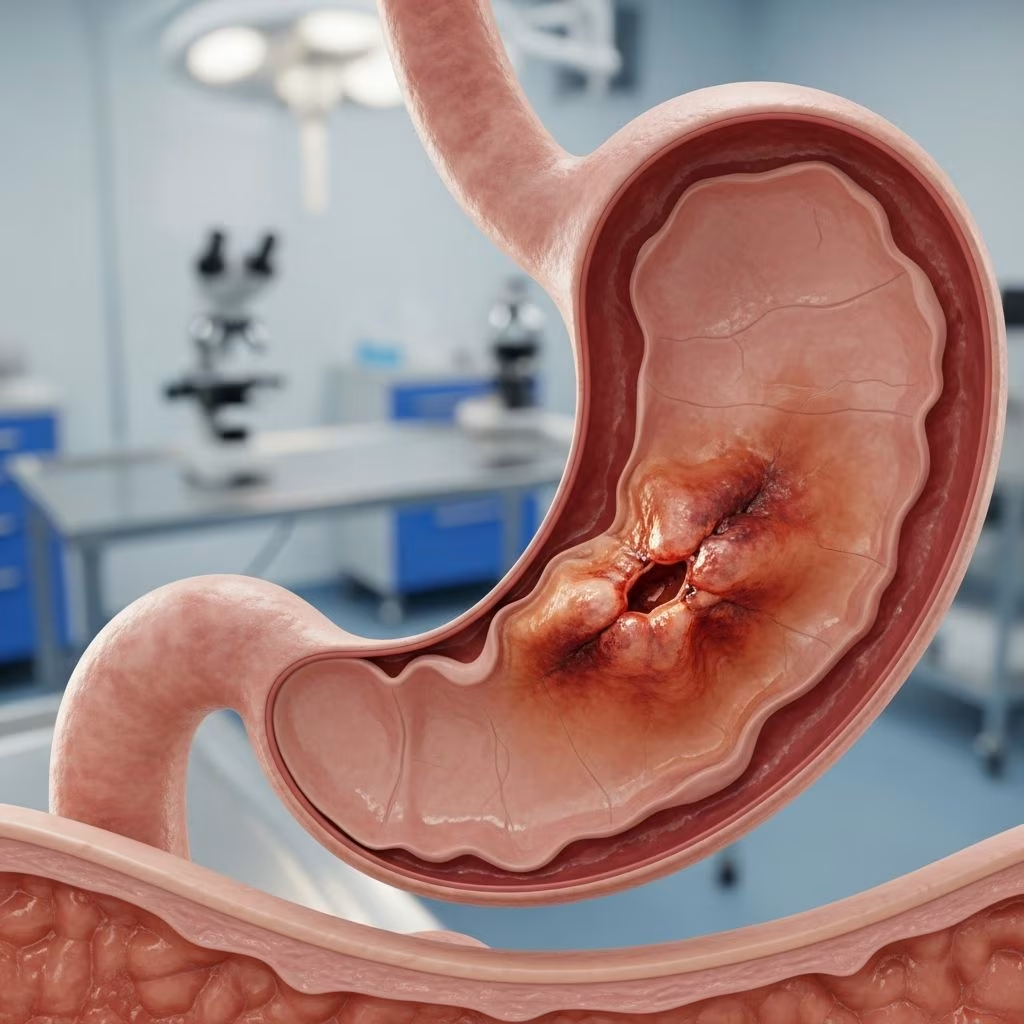
Gastrointestinal ulcers represent a significant pathological condition affecting both dogs and cats, occurring when the protective mechanisms of the digestive tract fail and the mucosal lining becomes eroded. These lesions develop as a result of disrupted physiological balance, where aggressive factors such as gastric acid and pepsin overwhelm the stomach’s natural defense mechanisms. Understanding the underlying causes, recognizing clinical manifestations, and implementing appropriate therapeutic interventions are essential for veterinary practitioners managing these complex cases.
Understanding the Pathophysiology of Mucosal Erosion
The stomach maintains a delicate equilibrium between protective and aggressive factors. The gastric mucosa possesses several defense mechanisms including mucus secretion, bicarbonate production, prostaglandin synthesis, and adequate blood flow to the gastric wall. When this homeostatic balance becomes compromised, either through excessive acid production or diminished protective capacity, ulceration occurs.
The depth of mucosal damage varies considerably. Superficial lesions affecting only the innermost mucosal layers create discomfort but typically respond favorably to medical management. Conversely, full-thickness ulcerations that penetrate through the entire gastric wall create life-threatening emergencies. These perforating ulcers allow gastric contents to leak into the abdominal cavity, triggering septic peritonitis and potentially leading to fatal outcomes.
Primary Etiological Factors in Small Animal Practice
Medication-Induced Ulceration
Pharmaceutical agents represent one of the most common precipitating causes of gastroduodenal ulceration in veterinary patients. Nonsteroidal anti-inflammatory drugs (NSAIDs) suppress prostaglandin synthesis, thereby compromising mucosal defense mechanisms and increasing ulcer susceptibility. Glucocorticoids similarly compromise the protective barrier function, though the exact mechanisms differ from NSAID-induced injury. High-dose corticosteroid administration significantly elevates ulcer risk, yet preventive H2 blocker therapy has not demonstrated efficacy in preventing glucocorticoid-associated ulcers in dogs and cats.
Systemic and Local Disease Associations
Ulceration frequently develops secondary to underlying systemic conditions including chronic renal failure, hepatic disease, neoplastic processes, inflammatory bowel disease, and pancreatitis. Infectious agents, particularly bacterial colonization, may contribute to ulcer pathogenesis, though the relationship between Helicobacter species and canine ulceration remains controversial and less clearly established than in human medicine. Local gastric inflammation from any etiology can precipitate erosion of the protective mucosa.
Metabolic and Endocrine Complications
Patients with hypoadrenocorticism may develop severe gastroduodenal ulceration as part of their disease presentation. Uremia from renal insufficiency creates an acidic environment that overwhelms protective mechanisms. Severe stress from any cause can stimulate excessive acid secretion and compromise mucosal blood flow, predisposing to ulceration.
Clinical Manifestations and Physical Findings
Gastrointestinal Symptoms
Vomiting represents the most frequent clinical sign associated with gastroduodenal ulceration in both canine and feline patients. The characteristics of vomited material provide important diagnostic clues. Fresh blood in vomitus indicates active bleeding from the ulcer site, while a “coffee-ground” appearance suggests digested blood from slower hemorrhage. Pet owners should recognize this pattern as requiring urgent veterinary evaluation.
Regurgitation, distinct from vomiting due to the absence of abdominal muscular contractions, may also occur. Associated signs of nausea include profuse salivation, gagging, lip licking, and apparent discomfort during swallowing.
Abdominal Discomfort Manifestations
Dogs with gastric ulcers frequently exhibit behavioral changes reflecting abdominal pain. Affected animals may demonstrate restlessness, constant pacing, reluctance to move, or adoption of a “praying position” with the rear end elevated and front legs extended. Some patients refuse to eat or show dramatically decreased appetite. In contrast, animals with perforated ulcers may paradoxically display minimal abdominal discomfort initially, making absence of pain signs a poor prognostic indicator.
Secondary Complications
Progressive anemia may develop from chronic or acute bleeding into the gastrointestinal tract. Dehydration commonly accompanies persistent vomiting, particularly in feline patients. Peritonitis associated with ulcer perforation presents as acute abdominal distension, severe pain, shock, and rapid deterioration in clinical status.
Diagnostic Approach and Imaging Strategies
Laboratory Assessment
Blood work provides critical information regarding the systemic effects of ulceration. Complete blood counts may reveal anemia from ongoing hemorrhage or chronic blood loss. Serum chemistry panels identify underlying renal, hepatic, or endocrine abnormalities that could contribute to ulcer pathogenesis. Evaluation of coagulation profiles helps determine if bleeding disorders complicate the clinical picture.
Imaging Modalities
Abdominal radiography serves as an initial imaging tool, though it lacks sensitivity for detecting mucosal lesions. However, radiographic findings may reveal secondary signs such as gastric distension, abnormal gas patterns, or evidence of free abdominal fluid suggestive of perforation.
Ultrasonography provides superior visualization of gastric wall architecture and can identify several ultrasonographic features characteristic of ulcerative disease, including focal gastric wall thickening at the ulcer site. Ultrasound effectively detects fluid or gas accumulation within the abdominal cavity, indicating perforating ulceration. This imaging modality also allows simultaneous assessment of other abdominal organs to identify concurrent pancreatitis, inflammatory bowel disease, or other systemic conditions contributing to ulceration.
Endoscopic Evaluation
While endoscopy provides definitive visualization of mucosal lesions and allows tissue sampling, many cases can be managed empirically based on compatible clinical signs and imaging findings. Veterinarians may initiate treatment without endoscopic confirmation when clinical suspicion remains high and diagnostic imaging supports the diagnosis.
Treatment Protocols and Therapeutic Interventions
Acid Suppression Therapy
Medical management of gastrointestinal ulcers follows a dual approach: reducing gastric acidity and protecting the compromised mucosal barrier. Proton pump inhibitors represent the most effective acid-suppressive agents available, blocking the final common pathway of gastric acid secretion. These medications typically achieve superior acid suppression compared to H2 receptor antagonists and demonstrate excellent safety profiles in canine and feline patients.
Mucosal Protective Measures
Sucralfate functions as a protective coating agent, adhering to denuded mucosa and creating a barrier against acid and pepsin exposure. This medication facilitates ulcer healing by promoting local mucosal defense mechanisms. Antibiotics may be prescribed when bacterial colonization of denuded mucosa poses infection risk, though the necessity of antimicrobial therapy remains clinically individualized.
Supportive Care Protocols
Intravenous fluid therapy addresses dehydration common in patients with persistent vomiting or decreased oral intake. Appropriate electrolyte supplementation corrects imbalances created by gastrointestinal fluid loss. Nutritional support becomes critical in anorectic patients; appetite stimulant medications encourage voluntary food intake. When appetite stimulants prove ineffective, temporary nasogastric or esophageal feeding tubes provide essential nutrition while the stomach heals without functional demands.
Dietary Management
Bland, easily digestible diets minimize gastric irritation and reduce workload on the compromised stomach. Prescription gastrointestinal formulations such as Hill’s i/d, Royal Canin Gastrointestinal, and Purina EN provide appropriate nutrient profiles while maintaining digestibility. These specialized diets remain indicated throughout the acute recovery phase and may require continuation long-term in patients with recurrent disease risk.
Adjunctive Nutritional Support
Probiotics containing beneficial bacteria support healthy gastrointestinal function and may promote mucosal healing through competitive exclusion of pathogenic organisms and immune modulation. While natural treatment modalities appeal to many pet owners, conventional pharmaceutical management remains the gold standard for promoting rapid ulcer healing and preventing serious complications.
Surgical Intervention for Severe Cases
Perforating ulcers require emergency surgical exploration and intervention. Surgical options may include direct ulcer repair, partial gastrectomy, or vagotomy depending on ulcer location and size. Massive hemorrhage from penetrating vessels may necessitate blood transfusions to correct severe anemia. Postoperative management focuses on intensive care support, continued acid suppression, and correction of underlying diseases predisposing to ulceration.
Prognostic Considerations and Outcome Factors
The prognosis for gastroduodenal ulceration varies considerably based on underlying etiology. Patients with correctable underlying causes, such as drug-induced ulcers from NSAID administration or ulcers secondary to hypoadrenocorticism, typically demonstrate favorable responses to treatment. Discontinuation of the offending agent and appropriate management of the underlying condition usually result in uncomplicated healing.
Conversely, patients with non-reversible underlying diseases such as advanced chronic renal failure or unresectable neoplasia carry poorer prognoses. In these cases, management focuses on symptomatic relief and quality-of-life considerations. Early recognition and intervention significantly improve outcomes by preventing progression to life-threatening perforation.
Prevention and Risk Mitigation
Identifying patients at elevated risk for ulceration allows preventive strategies. Animals receiving chronic NSAID therapy warrant gastroprotective medication administration. Careful monitoring of patients receiving high-dose glucocorticoids, despite uncertain preventive efficacy of H2 blockers, remains prudent clinical practice. Recognition of systemic diseases predisposing to ulceration allows earlier intervention before mucosal damage occurs.
Stress reduction, appropriate medication timing with food, and regular veterinary monitoring help minimize ulcer development in at-risk populations. Owners of pets with previous ulceration require counseling regarding warning signs and the importance of prompt veterinary evaluation should symptoms recur.
Frequently Asked Questions
Can stomach ulcers in pets heal without medication?
While mild ulcers might improve with strict dietary management and removal of causative factors, medication significantly accelerates healing and prevents dangerous complications. Professional veterinary treatment remains the standard approach, particularly for symptomatic animals.
How long does ulcer recovery typically require?
Mild to moderate ulcers may heal within days to weeks with appropriate medical management and supportive care. Severe ulcers requiring hospitalization typically warrant medication continuation for at least two weeks post-diagnosis. Complete recovery varies based on underlying disease severity and treatability.
What dietary changes help ulcer healing?
Bland, low-fat, easily digestible diets minimize gastric irritation. Prescription gastrointestinal formulations provide optimized nutrition while reducing gastric workload. Small, frequent meals may cause less gastric distension than larger meals.
Are ulcers more common in certain pet populations?
Dogs and cats receiving chronic NSAID therapy, corticosteroids, or those with underlying systemic diseases face elevated risk. Stress-related ulcers occur in hospitalized or critically ill animals.
Can ulcers recur after healing?
Recurrence risk depends on whether underlying causes were identified and corrected. Patients with non-reversible systemic disease may require ongoing acid suppression. Regular veterinary monitoring helps detect early recurrence signs.
Conclusion: Integrating Knowledge for Clinical Success
Gastrointestinal ulceration in small animals represents a complex condition requiring thorough diagnostic evaluation and individualized therapeutic planning. Recognition of at-risk populations, prompt identification of clinical signs, and systematic diagnostic approaches enable early intervention before life-threatening complications develop. Modern therapeutic options provide effective acid suppression and mucosal protection, with excellent safety profiles allowing empiric treatment when clinical suspicion remains high. Success requires collaborative partnerships between veterinarians and pet owners, combining pharmaceutical management with dietary modification, stress reduction, and treatment of underlying diseases. With appropriate intervention, most ulcer cases resolve favorably, restoring comfort and normal gastrointestinal function to affected animals.
References
- Stomach Ulcers in Dogs: Symptoms, Diagnosis, and Treatment — Dr. Julie Buzby. https://toegrips.com/stomach-ulcers-in-dogs/
- Gastroduodenal Ulceration in Small Animals: Part 1 – Pathophysiology, Epidemiology, and Risk Factors — PubMed/National Center for Biotechnology Information. 2017. https://pubmed.ncbi.nlm.nih.gov/27841680/
- Gastric Ulceration in Dog: A Review — Veterinary World. 2013. https://www.veterinaryworld.org/Vol.6/July%20-%202013/Gastric%20ulcerations%20in%20dog.pdf
- Stomach and Intestinal Ulcers in Cats — Dr. Stephanie Howe, PetMD. 2024. https://www.petmd.com/cat/conditions/digestive/c_ct_gastroduodenal_ulcer_disease
- Four Things Every Vet Nurse Needs to Know About GI Ulcers in Dogs and Cats — Veterinary Internal Medicine Nursing. https://www.veterinaryinternalmedicinenursing.com/medical-nursing-podcast/gi-ulcers-in-dogs-and-cats
- Gastric Ulcer Disease in Dogs and Cats — DVM360. https://www.dvm360.com/view/gastric-ulcer-disease-dogs-and-cats-proceedings
- Signs of Stomach Ulcers in Dogs — MetLife Pet Insurance. https://www.metlifepetinsurance.com/blog/pet-health/signs-and-symptoms-of-ulcers-in-dogs/



