Gastrointestinal Stasis in Rabbits: Causes, Symptoms, and Treatment
Understanding GI stasis in rabbits: Learn causes, symptoms, and emergency treatment options.
Understanding Gastrointestinal Stasis in Rabbits
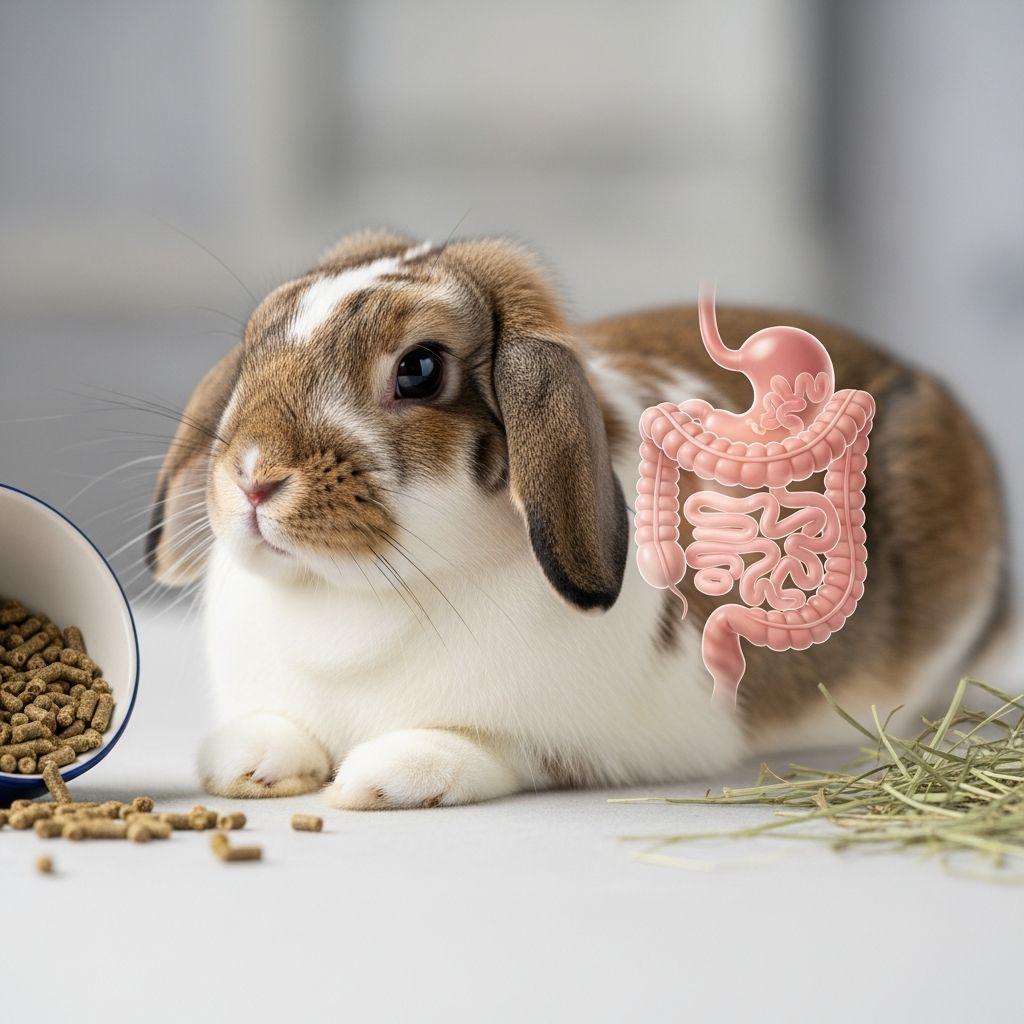
Gastrointestinal (GI) stasis is a serious and potentially life-threatening condition in rabbits where the normal movement of food through the digestive tract slows dramatically or stops completely. This condition occurs when the stomach and intestines cease their regular contractions, causing food to stagnate within the digestive system. When the gut contents remain static, gastric acid continues to be secreted, leading to inflammation, erosion, and ulceration of the stomach and intestinal walls. As the condition progresses, gas accumulates, causing bloating and severe discomfort. Without prompt veterinary intervention, GI stasis can rapidly deteriorate into a life-threatening emergency.
Understanding the causes, recognizing the symptoms, and knowing when to seek veterinary care are essential for rabbit owners. Early detection and treatment significantly improve a rabbit’s chances of survival and recovery. Approximately 70% of rabbits survive GI stasis when treated promptly, but delayed intervention can result in fatal outcomes.
What Causes Gastrointestinal Stasis in Rabbits?
GI stasis is always secondary to an underlying cause, meaning it develops as a result of another primary condition or factor. Identifying and addressing the root cause is critical for successful treatment. Several factors can trigger the onset of gastrointestinal stasis in rabbits:
Dietary Issues: Rabbits require a high-fiber diet consisting primarily of hay. Diets low in fiber or high in carbohydrates can disrupt normal gut motility. Sudden dietary changes can also shock the digestive system and lead to stasis.
Dental Problems: Rabbits with dental disease may experience pain while chewing, leading to reduced food intake. Poor digestion results from inadequate chewing, and the decreased fiber consumption can trigger stasis. Dental issues are among the most common underlying causes of GI stasis.
Stress and Fear: Rabbits are prey animals with sensitive nervous systems. Stress from environmental changes, loud noises, predators, or significant life events can inhibit gut motility and lead to stasis.
Inadequate Exercise: Rabbits need daily physical activity to maintain healthy digestive function. Sedentary rabbits are at increased risk of developing gastrointestinal problems.
Dehydration: Insufficient water intake can cause the intestinal contents to become dry and compacted, slowing or stopping movement through the GI tract.
Medications: Certain medications, particularly opioids and anticholinergic drugs, can reduce gut motility and precipitate stasis.
Gastrointestinal Obstruction: Foreign objects, hairballs, or impacted fecal matter can physically block the passage of food through the digestive tract.
Bacterial or Parasitic Infections: Infections within the digestive system can cause inflammation and disrupt normal gut function.
Recognizing the Symptoms of GI Stasis
Rabbits with gastrointestinal stasis may exhibit a range of symptoms that vary in intensity depending on the severity of the condition. Recognizing these warning signs is crucial for prompt intervention:
Appetite Changes: Decreased or complete loss of appetite is one of the most common early signs. Rabbits may refuse pellets, hay, and treats they normally enjoy.
Reduced Fecal Output: Rabbit owners may notice significantly fewer or no droppings in the litter box. This is a critical indicator of GI stasis and warrants immediate veterinary attention.
Teeth Grinding (Bruxism): Audible teeth grinding or chattering is a sign of pain and discomfort. This behavior may be subtle or pronounced depending on pain levels.
Bloating and Distension: The abdomen may appear noticeably enlarged or feel hard to the touch due to gas accumulation.
Diarrhea: Paradoxically, some rabbits experience diarrhea alongside reduced fecal output as the condition progresses.
Abdominal Sensitivity: Rabbits may cry out or resist being touched on the abdomen due to severe pain and inflammation.
Behavioral Changes: Lethargy, reduced activity levels, and a hunched posture indicate discomfort and illness. Affected rabbits may hide more than usual and show decreased interest in their surroundings.
Temperature Irregularities: Pet owners may notice their rabbits feeling cold, with particularly cold ears and limbs. Low body temperature is a serious sign indicating shock.
Diagnosis of Gastrointestinal Stasis
Veterinary diagnosis of GI stasis involves a combination of physical examination, diagnostic imaging, and laboratory work. During the physical examination, veterinarians will assess the rabbit’s overall condition, looking for obvious dental disease, abdominal pain, and signs of shock. They will monitor the rabbit’s temperature, heart rate, and blood pressure, as rabbits with low readings have a worse prognosis.
Radiographs (X-rays) and ultrasound imaging can reveal the extent of gastric distension, gas accumulation, and any potential obstructions. Laboratory tests may include bloodwork to assess dehydration, electrolyte balance, and organ function. In some cases, veterinarians may perform diagnostic testing to rule out bacterial infections or other underlying conditions.
Treatment Options for Gastrointestinal Stasis
Successful treatment of GI stasis requires comprehensive supportive care tailored to each rabbit’s specific condition and severity. Treatment must address the underlying cause while providing immediate relief and supporting organ function.
Fluid Therapy and Rehydration
Rehydration is one of the most critical aspects of treating gastrointestinal stasis. Most rabbits with moderate to severe stasis require intravenous catheters and aggressive fluid replacement to combat dehydration and prevent shock. Intravenous fluids delivered through the ear or limb are more efficient than subcutaneous injections. Rabbits with mild dehydration may respond to subcutaneous fluids administered by veterinarians. Fluid therapy corrects electrolyte imbalances and supports vital organ function while the digestive system recovers.
Nutritional Support
Consistent nutrition is essential for recovery, though it must be provided carefully to avoid further stressing the rabbit. When rabbits refuse to eat voluntarily, syringe feeding with high-fiber nutritional supplements like Oxbow Critical Care becomes necessary. Veterinarians may place feeding tubes for critically ill rabbits who cannot tolerate syringe feeding. Once the rabbit begins eating on its own, veterinarians continue offering hay, leafy greens, and pellets to encourage gradual return to normal feeding patterns.
Pain Management
All cases of gastrointestinal stasis involve some degree of pain, ranging from mild to severe. Pain medications are essential components of treatment because painful rabbits are unlikely to eat, which worsens the condition. Common pain relief medications include buprenorphine, butorphanol, fentanyl, and hydromorphone. Nonsteroidal anti-inflammatory drugs (NSAIDs) like meloxicam help reduce stomach pain and inflammation. Some studies suggest that lidocaine, when administered as a continuous infusion, may improve survival rates in rabbits with GI obstruction.
Gastrointestinal Medications
Once the rabbit has been adequately rehydrated and is producing some fecal material, veterinarians may prescribe motility agents such as cisapride or metoclopramide to enhance the movement of food through the stomach and intestines. These medications work by stimulating the natural contractions of the digestive tract. Simethicone (gas-x) may help decrease gas production and bloating in some cases. Anti-inflammatory medications help protect the damaged gastric lining from further erosion and ulceration.
Antibiotic Therapy
If veterinary examination reveals signs of bacterial infection or if bacterial overgrowth is suspected as a contributing factor, appropriate antibiotics will be prescribed. Antibiotics may be administered orally, subcutaneously, or intravenously depending on the severity of infection and the rabbit’s ability to tolerate oral medications.
Treatment of Underlying Causes
Addressing the primary cause of stasis is essential for preventing recurrence. If dental disease is identified, dental treatment may be necessary. Dietary adjustments ensure the rabbit receives adequate fiber. Environmental modifications can reduce stress factors. Addressing any medications contributing to stasis may require alternatives prescribed by the veterinarian.
Recovery and Prognosis
Most uncomplicated cases of gastrointestinal stasis resolve within three to five days with appropriate veterinary intervention. Typically, rabbits are hospitalized during the acute phase to receive continuous supportive care and monitoring. Veterinarians perform repeat diagnostics to guide ongoing treatment and assess progress. More severe cases may require weeks of treatment and extended hospitalization.
Signs of improvement include the onset of eating and passing fecal material within 24 to 48 hours of treatment initiation. Continued gradual improvement is expected over the following days. If no improvement occurs within 48 hours or if the rabbit’s condition declines, re-evaluation, additional diagnostics, and potentially different treatment approaches become necessary.
Approximately 70% of rabbits survive gastrointestinal stasis, with better outcomes associated with early intervention. Rabbits with low body temperature, slow heart rate, and low blood pressure at the time of diagnosis have worse prognoses. Some rabbits may develop complications such as shock, and in the most severe cases, GI stasis can be fatal if left untreated or if treatment is delayed.
Prevention Strategies
Preventing gastrointestinal stasis is far preferable to treating it. Rabbit owners can significantly reduce the risk of GI stasis through proactive care. Provide unlimited high-quality hay, which should form the foundation of the rabbit’s diet and promote healthy gut motility. Offer a variety of fresh leafy greens daily and limit pellets and treats to appropriate portions. Ensure your rabbit has access to fresh, clean water at all times and monitor water intake. Schedule regular veterinary check-ups to identify and address dental problems early. Provide daily exercise and playtime in a safe environment, as physical activity supports digestive health. Minimize stress by maintaining a consistent routine, providing hiding places, and avoiding sudden environmental changes. Handle your rabbit gently and only when necessary, as some rabbits are sensitive to stress caused by excessive handling.
When to Seek Emergency Veterinary Care
Gastrointestinal stasis is a medical emergency that requires immediate professional attention. Contact your veterinarian or emergency animal hospital without delay if your rabbit exhibits any of the following signs: complete loss of appetite lasting more than a few hours, absence of fecal droppings, severe abdominal pain or distension, teeth grinding, lethargy or unresponsiveness, cold ears or limbs, rapid or shallow breathing, or any other signs of distress. Early intervention dramatically improves treatment outcomes and survival rates.
Frequently Asked Questions
Q: How quickly can gastrointestinal stasis become life-threatening?
A: Gastrointestinal stasis can deteriorate rapidly into a life-threatening emergency. Within hours of symptom onset, rabbits can become severely dehydrated and develop hypovolemic shock. Immediate veterinary intervention is critical for survival.
Q: Can I treat my rabbit’s GI stasis at home?
A: While you can provide initial supportive care such as encouraging hydration and offering hay, professional veterinary treatment is essential for successful recovery. Most cases require hospitalization, intravenous fluids, and prescription medications that only veterinarians can provide.
Q: How long does treatment for GI stasis typically last?
A: Most uncomplicated cases resolve within three to five days with appropriate veterinary care. More severe cases may require weeks of treatment. Treatment duration depends on the severity of the condition and the underlying cause.
Q: What is the survival rate for rabbits with GI stasis?
A: Approximately 70% of rabbits survive gastrointestinal stasis when treated. Survival rates are significantly higher when treatment begins early and when the underlying cause is identified and addressed.
Q: Can GI stasis recur in rabbits?
A: Yes, GI stasis can recur, especially if the underlying cause is not identified and corrected. Proper diet, regular exercise, stress reduction, and preventative dental care significantly reduce the risk of recurrence.
Q: What dietary changes help prevent GI stasis?
A: Provide unlimited high-quality hay as the foundation of your rabbit’s diet. Include a variety of fresh leafy greens daily, limit pellets to appropriate portions, and ensure constant access to fresh water. Avoid sudden dietary changes.
References
- Gastrointestinal (GI) Stasis in Rabbits — PetMD. 2024. https://www.petmd.com/rabbit/conditions/digestive/gastrointestinal-gi-stasis-rabbits
- Rabbit GI Stasis — College of Veterinary Medicine, University of Illinois. 2024. https://vetmed.illinois.edu/2024/06/04/rabbit-gi-stasis/
- Bunny Gastrointestinal Stasis: Causes and Treatment — Veteris UK. 2024. https://veteris.co.uk/petcare-advice/bunny-gastrointestinal-stasis-causes-and-treatment
- GI Stasis in Rabbits: Tips for Exotic Pet Owners — DoveLewis. 2024. https://www.dovelewis.org/blog/gi-stasis-rabbits-tips-exotic-pet-owners
- Gastrointestinal Stasis in Rabbits — VCA Animal Hospitals. 2024. https://vcahospitals.com/know-your-pet/gastrointestinal-stasis-in-rabbits
- Bunny Bellies: Managing Gut Stasis — Elwood Veterinary Clinic. 2018. https://www.elwoodvet.net/news/2018/1/29/bunny-bellies-managing-gut-stasis
Similar Articles








Read full bio of Sneha Tete