Gastrointestinal Stasis in Rabbits: Causes, Symptoms & Treatment
Understanding GI stasis in rabbits: recognize symptoms, understand causes, and learn effective treatment options.
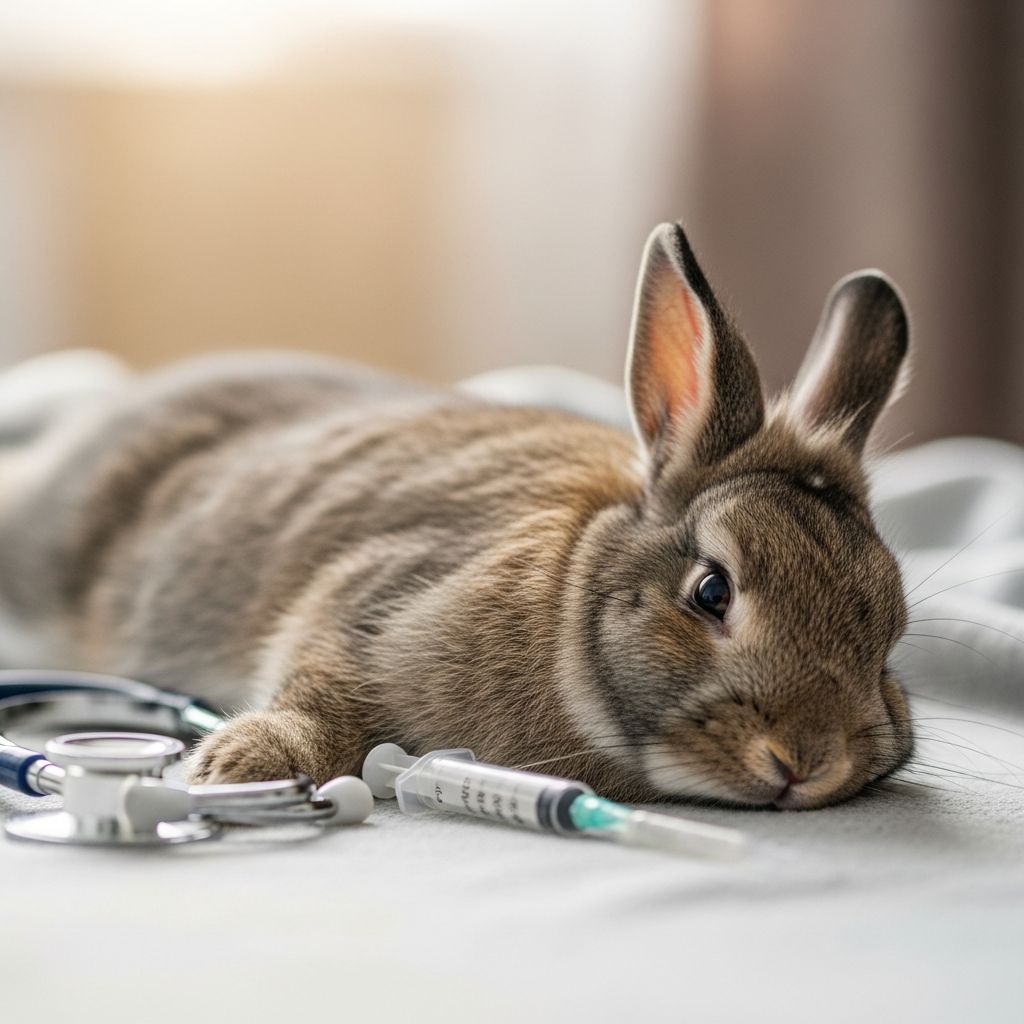
Understanding Gastrointestinal Stasis in Rabbits
Gastrointestinal (GI) stasis is one of the most serious and life-threatening conditions that can affect rabbits. This condition occurs when the normal movement of food through a rabbit’s digestive system slows down significantly or stops completely. Unlike other animals, rabbits have a uniquely delicate digestive system that depends on continuous movement and proper functioning to maintain health. When GI stasis develops, it can rapidly escalate from a manageable issue to a critical emergency if left untreated. Understanding this condition, recognizing its early warning signs, and knowing when to seek veterinary care can mean the difference between a full recovery and a fatal outcome for your pet rabbit.
What is Gastrointestinal Stasis?
Gastrointestinal stasis is a condition characterized by a significant reduction or complete halt in the normal muscular contractions that move food through the rabbit’s digestive tract. In healthy rabbits, food moves continuously through the stomach and intestines through a process called peristalsis. When stasis occurs, this movement becomes impaired or ceases entirely, causing food and gas to accumulate in the digestive system.
As gut contents stagnate inside the digestive tract, more gastric acid is secreted, leading to inflammation, erosion, and ulceration of the stomach and intestinal lining. As time passes, gas buildup increases and the damage to the gastrointestinal system becomes more severe. The rabbit will progressively eat and drink less, eventually stopping fecal production completely. Within hours, the rabbit becomes clinically dehydrated and can develop hypovolemic shock, a potentially fatal condition. Once GI stasis has progressed to this stage, it becomes extremely difficult to reverse, and many rabbits do not survive without immediate and aggressive veterinary intervention.
Common Causes of GI Stasis
Gastrointestinal stasis is always secondary to an underlying cause. Identifying and treating the primary condition is essential for successful recovery. Several factors can trigger the development of GI stasis in rabbits:
- Inadequate fiber intake: Rabbits require a diet high in indigestible fiber to maintain proper gut motility. A diet lacking sufficient hay and fiber is one of the most common causes of stasis.
- Stress and anxiety: Rabbits are sensitive creatures, and stress from environmental changes, loud noises, or handling can significantly impact digestive function.
- Insufficient water intake: Dehydration can slow gastric motility and contribute to stasis development.
- Lack of exercise: Physical inactivity reduces muscle tone and can impair digestive movement.
- Dental disease: Pain from malocclusion or dental problems can prevent rabbits from eating properly.
- Pain from other conditions: Any underlying painful condition can suppress appetite and slow digestion.
- Medications: Certain medications can have side effects that affect digestive motility.
- Gastrointestinal obstruction: Foreign objects, hairballs, or intestinal blockages can cause stasis.
- Bacterial infection: Overgrowth of harmful bacteria can damage the digestive system and impair function.
- Sudden dietary changes: Abrupt changes in diet composition can disrupt the delicate bacterial balance in the rabbit’s gut.
Recognizing the Symptoms of GI Stasis
Rabbits may exhibit numerous symptoms that vary in intensity depending on the severity of gastrointestinal stasis and the underlying cause. Early recognition of these signs is crucial for prompt veterinary intervention. Common symptoms include:
- Decreased or no appetite: A sudden decrease or complete loss of interest in food is a significant red flag and often the first noticeable sign.
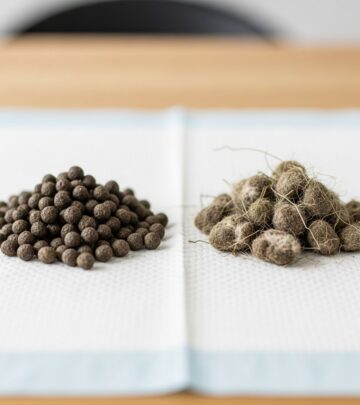
- Reduced or no fecal output: Normal rabbits produce numerous droppings throughout the day. A dramatic decrease or complete absence of feces indicates serious digestive dysfunction.
- Grinding teeth (bruxism): While soft tooth grinding can indicate contentment, loud grinding often signals pain and discomfort.
- Bloating and abdominal distension: The abdomen may appear enlarged due to gas and food accumulation.
- Diarrhea: In some cases, rabbits may pass soft stools or diarrhea as the stasis progresses.
- Abdominal pain: Rabbits may show sensitivity when their abdomen is touched and may assume a hunched posture.
- Hunched posture: A rabbit sitting in a hunched position with ears pulled back indicates pain and malaise.
- Low body temperature: Pet parents may notice cold ears, limbs, or a general feeling of coldness. Hypothermia is particularly concerning in rabbits with severe stasis.
- Lethargy: Affected rabbits often become inactive and withdrawn.
- Difficulty defecating: Rabbits may strain or make multiple attempts to produce feces.
If your rabbit displays any of these symptoms, immediate veterinary attention is critical. Do not wait for multiple symptoms to appear before seeking help, as GI stasis can escalate rapidly.
Diagnosis of Gastrointestinal Stasis
When you bring your rabbit to a veterinarian with suspected GI stasis, the veterinarian will perform a comprehensive evaluation. This typically begins with a thorough physical examination and detailed history of the rabbit’s recent diet, behavior, and any environmental changes. The veterinarian will carefully palpate the abdomen to assess for pain, gas distension, and the presence of fecal material in the colon.
Diagnostic imaging is often necessary to confirm GI stasis and identify any underlying causes. Radiographs (X-rays) can reveal gas accumulation, the location of food material, potential obstructions, and abnormalities in organ position. In some cases, abdominal ultrasound may be recommended to assess soft tissue structures and identify fluid accumulation or other abnormalities. Blood work may be performed to evaluate overall health, check for dehydration, assess organ function, and identify potential underlying infections or metabolic issues.
How Will Your Veterinarian Treat GI Stasis?
Once your veterinarian confirms that your rabbit has GI stasis and determines the underlying cause for why your rabbit has stopped eating, supportive treatment will be recommended. Depending on the rabbit’s condition and severity of illness, hospitalization may be recommended for intensive care and monitoring. Therapy for GI stasis typically involves a comprehensive, multi-faceted approach:
Fluid Therapy and Rehydration
Fluid therapy is often one of the most critical components of treatment. Mild cases may require only subcutaneous fluid administration, but many rabbits with GI stasis require intravenous catheters and more aggressive fluid replacement to battle dehydration. Intravenous fluids are undoubtedly the best way to rehydrate a rabbit and can be administered through the ear or sometimes a limb, providing much more efficient fluid delivery than subcutaneous injections. Crystalloid solutions such as Lactated Ringer’s are commonly used, with maintenance fluid rates typically calculated at 100 ml/kg/day. The veterinarian will monitor for fluid overload, which can manifest as swelling around the eyes, excessive tearing, or increased respiratory rate.
Nutritional Support
Rabbits require consistent nutrition and food intake to maintain health. Getting your rabbit eating again is critical to avoid complications of starvation such as hepatic lipidosis (fatty liver disease). Oral feeding is preferred, although forced feeding may increase rabbit stress and potentially exacerbate the condition. If the rabbit is unwilling or unable to eat on its own, feeding tubes may be placed to provide nutrition directly. Oxbow Critical Care is a commonly recommended nutritional replacement formula designed to provide essential nutrients to rabbits who are not eating well. This high-fiber gruel is typically given multiple times daily. Veterinarians will continue offering hay and vegetables alongside critical care, encouraging the rabbit to eat independently as soon as possible.
Pain Relief Medications
All cases of gastrointestinal stasis involve a degree of discomfort ranging from mild to severe. Pain medications must be given as an essential part of the treatment plan, as painful rabbits are highly unlikely to eat, which compounds the condition and slows recovery. Common pain relievers used in rabbits include buprenorphine, butorphanol, fentanyl, hydromorphone, and lidocaine. Some studies have shown that rabbits with GI obstruction receiving lidocaine continuous rate infusions had significantly higher survival rates compared with those receiving buprenorphine alone.
Anti-inflammatory Medications
Anti-inflammatory medications help reduce stomach pain and inflammation of the gastrointestinal tract. NSAIDs such as meloxicam are commonly prescribed to help manage inflammation and provide pain relief while supporting recovery.
Motility-Modifying Drugs
Drugs that stimulate the gut to start moving again can be useful in treating GI stasis. Motility agents such as cisapride or metoclopramide may be used in non-obstructive stasis cases after the rabbit has been rehydrated and is producing some fecal material. These medications work by enhancing the movement of food through the stomach and intestines. It is important to note that motility-modifying drugs should be used with caution and only when the rabbit can produce fecal material, as their use in cases of potential obstruction may cause harm.
Additional Medications
Additional medications may be recommended depending on the individual case. Simethicone (Gas-X) may be helpful to decrease gas production. Antacids such as ranitidine may be used to protect the stomach lining from acid damage. In cases where bacterial infection is suspected, appropriate antibiotics will be prescribed.
Heat Support and Temperature Regulation
Rabbits with low body temperature, heart rate, and blood pressure have a worse prognosis. Gradual re-warming while rehydrating is crucial for recovery. Keep your rabbit warm in a comfortable, quiet environment away from drafts and temperature fluctuations. GI stasis can make rabbits more susceptible to temperature changes, and maintaining appropriate warmth is essential.
Treatment Timeline and Recovery
Treatment duration is dependent on the individual case and severity of illness. Most uncomplicated cases of stasis resolve with veterinary intervention over three to five days. Typically, these rabbits are hospitalized for supportive care and repeat diagnostics to guide ongoing treatment. Veterinarians will monitor temperature, heart rate, pain level, appetite, and fecal production as indicators of improvement.
You should see signs of improvement with the onset of eating and passing feces within 24 to 48 hours of treatment initiation. Continued gradual improvement typically occurs over the following several days. More severe cases may require weeks of treatment and longer hospitalization periods. If no improvement is evident within 48 hours or if clinical decline occurs, re-evaluation and further diagnostics are warranted, as this may indicate an underlying obstruction or other serious complication.
Approximately 70% of rabbits survive GI stasis with appropriate veterinary intervention. Early diagnosis and prompt treatment significantly improve survival rates and outcomes. The key to success is recognizing symptoms early and seeking immediate veterinary care rather than attempting home management of this serious condition.
Prevention and Management
Prevention is always preferable to treatment. Maintaining your rabbit’s health and preventing GI stasis involves several important practices:
- Provide unlimited access to high-quality hay, which is essential for maintaining proper gut motility
- Offer fresh leafy greens and vegetables daily
- Ensure constant access to fresh, clean water
- Provide regular exercise and enrichment opportunities
- Minimize stress through a calm, stable environment
- Schedule regular veterinary check-ups to monitor dental health and identify health issues early
- Avoid sudden dietary changes
- Maintain consistent daily routines
- Monitor fecal output regularly and report any changes to your veterinarian
Frequently Asked Questions About GI Stasis in Rabbits
Q: How quickly can GI stasis develop in rabbits?
A: GI stasis can develop rapidly, sometimes within just a few hours. This is why immediate veterinary attention is critical when symptoms appear. What may seem like a minor issue in the morning can become life-threatening by evening if left untreated.
Q: Can GI stasis be treated at home?
A: While early intervention with basic supportive care like syringe feeding water and administering gas drops may help in very early stages, GI stasis typically requires professional veterinary treatment. Severe cases absolutely require hospitalization and intensive care. Do not delay seeking veterinary help hoping home treatment will resolve the issue.
Q: What is the survival rate for rabbits with GI stasis?
A: Approximately 70% of rabbits survive GI stasis with appropriate veterinary intervention. Survival rates are significantly higher when treatment is initiated early, before the condition progresses to severe stages.
Q: How much does treatment for GI stasis typically cost?
A: Treatment costs vary depending on severity, hospitalization duration, and required diagnostics. Uncomplicated cases requiring 3-5 days of hospitalization typically cost several hundred to over a thousand dollars. More severe cases requiring extended treatment can cost significantly more. Costs include veterinary services, medications, diagnostics, and hospitalization.
Q: Can rabbits with GI stasis be treated as outpatients?
A: Very mild cases caught early may sometimes be managed with outpatient treatment and close monitoring, but most cases require hospitalization for proper fluid therapy, nutritional support, and pain management. Your veterinarian will determine whether hospitalization is necessary based on your rabbit’s condition.
Q: What should I do if my rabbit shows signs of GI stasis after hours?
A: Seek emergency veterinary care immediately. Many veterinary clinics have emergency services available 24/7. Do not wait until morning if your rabbit shows signs of GI stasis, as the condition can deteriorate rapidly and may become irreversible.
References
- Gastrointestinal Stasis in Rabbits — VCA Animal Hospitals. 2024. https://vcahospitals.com/know-your-pet/gastrointestinal-stasis-in-rabbits
- Gastrointestinal (GI) Stasis in Rabbits — PetMD. 2024. https://www.petmd.com/rabbit/conditions/digestive/gastrointestinal-gi-stasis-rabbits
- Rabbit GI Stasis — College of Veterinary Medicine, University of Illinois. 2024. https://vetmed.illinois.edu/2024/06/04/rabbit-gi-stasis/
- Bunny Gastrointestinal Stasis: Causes and Treatment — Veteris. 2024. https://veteris.co.uk/petcare-advice/bunny-gastrointestinal-stasis-causes-and-treatment
- GI Stasis in Rabbits: Tips for Exotic Pet Owners — DoveLewis Emergency Animal Hospital. 2024. https://www.dovelewis.org/blog/gi-stasis-rabbits-tips-exotic-pet-owners
Similar Articles






Read full bio of medha deb