

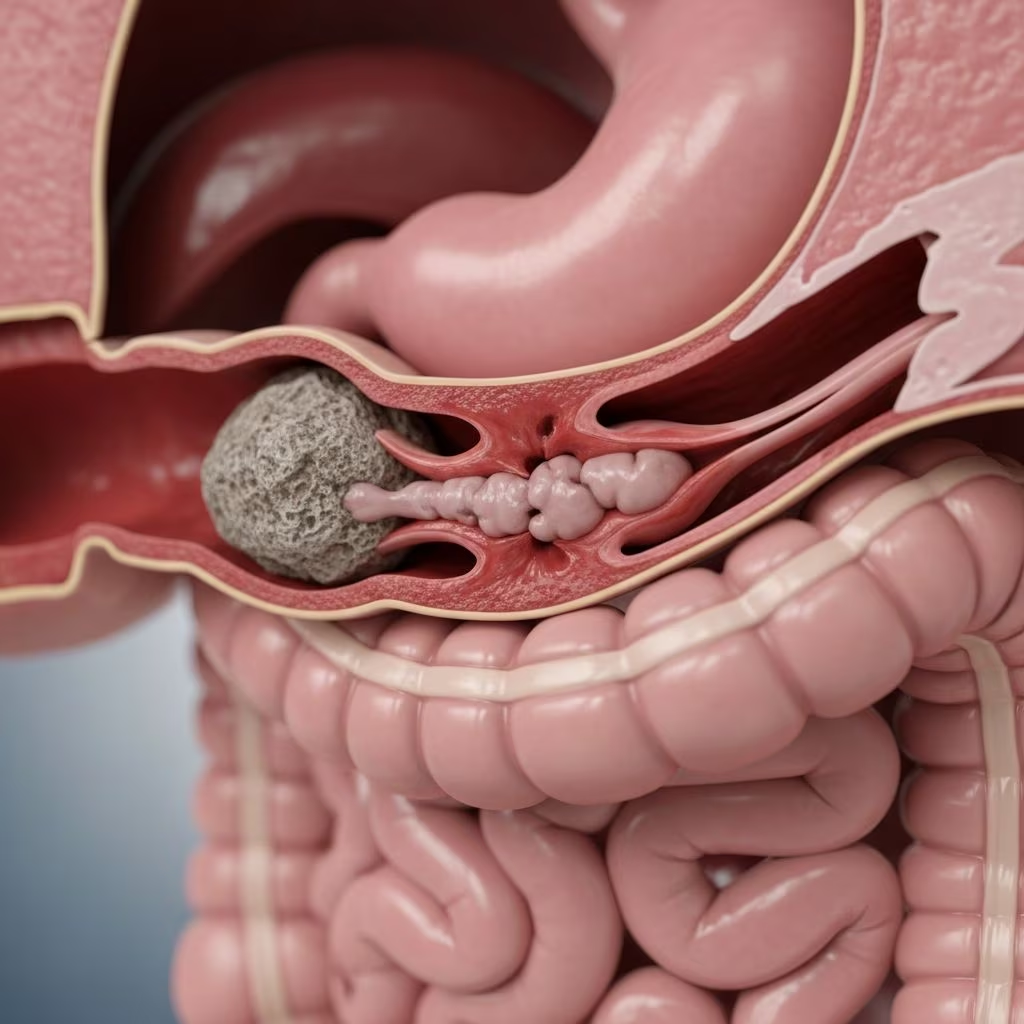
Gastrointestinal obstructions represent one of the most serious medical emergencies that pet owners may encounter. When a dog’s digestive tract becomes partially or completely blocked, it prevents the normal passage of food and water through the system, creating a potentially life-threatening situation that demands immediate veterinary intervention. The consequences of delayed treatment can be severe, with dogs potentially facing fatal outcomes within a matter of days if the blockage remains unresolved.
What Constitutes an Intestinal Blockage?
An intestinal blockage occurs when foreign material, tissue abnormalities, or other obstructions prevent the normal flow of digestive content through a dog’s stomach and small intestines. This disruption can be either partial, allowing some material to squeeze past the obstruction, or complete, halting all passage entirely. The severity of the blockage determines both the urgency of treatment and the specific symptoms a dog will exhibit.
Beyond simply stopping food and water passage, blockages compromise blood circulation to affected intestinal segments and disrupt the body’s fluid and electrolyte balance. A dog can suffer fatal complications within three to seven days if an intestinal blockage goes untreated, making swift recognition and response critical for survival.
Recognizing Critical Warning Signs
Identifying a potential intestinal blockage requires awareness of multiple clinical indicators. While some symptoms may initially seem like a simple upset stomach, the combination of several warning signs warrants immediate veterinary evaluation.
Primary Gastrointestinal Symptoms
- Persistent vomiting – One of the most consistent indicators, though this may occur with or without forceful retching
- Loss of appetite – Dogs refuse food or show diminished interest in eating
- Altered bowel movements – Straining without productive defecation, constipation, or diarrhea as liquid material squeezes around partial blockages
- Retching without vomiting – Gagging motions that produce nothing can signal more serious obstruction than actual vomiting
Systemic and Behavioral Changes
- Abdominal discomfort – Visible pain when the belly is touched, aggressive reactions to palpation, or whining when lying down
- Lethargy and weakness – Resulting from dehydration, electrolyte imbalances, and pain responses
- Physical signs of distress – Bloating, visible dehydration (dry gums, sunken eyes), restlessness, and nausea-related behaviors
- Behavioral shifts – Unusual aggression or defensiveness when the abdomen is handled
The timeline for symptom development varies depending on blockage location and severity. Symptoms can manifest immediately after ingestion of foreign material or may develop gradually over the course of 24 hours, which is why any known ingestion of a foreign object warrants immediate veterinary consultation.
Common Causes Behind Intestinal Blockages
While foreign object ingestion represents a frequent culprit, numerous other factors can lead to intestinal obstructions in canines. Understanding these causes helps pet owners recognize risk factors specific to their dogs.
Foreign Object Ingestion
Dogs frequently consume indigestible materials that their digestive systems cannot process. Toys, fabric, plastic bags, and string are common household items that create blockages. Additionally, dogs may ingest seemingly harmless natural materials such as corn cobs, which become hard and impacted in the intestines rather than dissolving. Nuts, whether consumed whole from trees or extracted from shells, also form problematic blockages, as do fruit pits from mangoes, avocados, and peaches.
Structural and Physiological Abnormalities
Beyond foreign objects, several medical conditions can obstruct the digestive tract:
- Intussusception – A telescoping condition where one segment of intestine slides into an adjacent section, most common in younger dogs
- Intestinal torsion – A twisting of the intestines that cuts off normal passage
- Strictures – Abnormal narrowing of intestinal passages, often resulting from scar tissue
- Adhesions – Bands of scar tissue from previous abdominal surgeries that bind intestinal segments together
- Hernias – Protrusions of intestinal tissue through weakened abdominal wall areas
Disease-Related Blockages
Medical conditions can also contribute to obstructions. Severe parasite infestations, particularly in young or immunocompromised dogs, may create blockages. Intestinal tumors or masses, whether from primary cancers or secondary growths, obstruct normal passage. Additionally, severe inflammatory conditions of the small intestines and fungal infections can lead to mass formation and subsequent blockage.
Potential Complications from Untreated Blockages
The dangers of intestinal obstruction extend far beyond simple digestive disruption. Prolonged blockages trigger a cascade of serious medical complications that can rapidly become life-threatening.
As obstructed intestines fill with material that cannot pass through the system, segments may become deprived of adequate blood circulation. Without sufficient oxygen and nutrients, intestinal tissue dies, leading to perforations in the intestinal wall. These ruptures allow bacteria and digestive contents to leak into the abdominal cavity, causing peritonitis—an inflammation of the abdominal lining—or sepsis, a systemic infection that triggers inflammatory responses throughout the body.
Prolonged blockages also create severe dehydration and electrolyte imbalances as the body loses fluids through vomiting and cannot absorb water properly. These imbalances affect heart rhythm, muscle function, and organ performance. Dogs may progress to shock, characterized by pale gums, rapid breathing, yellow discoloration of eyes and skin, extreme lethargy, and potentially seizures. Any of these advanced symptoms indicates critical emergency status requiring immediate surgical intervention.
Diagnostic Approaches and Initial Stabilization
Upon presentation to a veterinary facility, diagnosis typically involves physical examination combined with imaging studies. Abdominal radiographs or ultrasound imaging helps veterinarians identify blockage location, severity, and nature. Blood work assesses hydration status and electrolyte levels.
Immediately upon diagnosis, veterinarians prioritize stabilization. Intravenous fluid administration begins to restore hydration and correct electrolyte imbalances. Anti-nausea medications such as maropitant (Cerenia) and acid-reflux medications like famotidine are administered to manage symptoms and protect the stomach lining. Pain medications ensure the dog’s comfort during this critical period.
In some cases, particularly with partial blockages of non-perforating foreign objects, aggressive medical management with IV fluids may allow spontaneous passage of the obstruction. Repeated radiographs monitor object movement through the digestive tract. However, most complete blockages and cases showing signs of intestinal perforation require surgical removal to prevent fatal complications.
Surgical Management of Intestinal Blockages
Surgical intervention remains the definitive treatment for most intestinal blockages in dogs. This major procedure requires general anesthesia and carries both risks and benefits that veterinarians carefully weigh against the dangers of leaving the blockage untreated.
The Surgical Process
During the operation, the veterinarian makes an incision into the abdominal wall positioned near the blockage site. The surgeon carefully locates the obstructed area and either removes the foreign material or addresses the underlying anatomical problem. The intestinal wall is then evaluated for viability—the surgeon examines tissue color, assesses blood supply, and observes whether normal muscular contractions (peristalsis) resume. When segments of intestine have been damaged beyond recovery due to prolonged obstruction, those sections must be surgically removed (resection) and the remaining healthy ends reconnected (anastomosis).
The duration of surgery varies considerably depending on blockage complexity, the extent of intestinal damage requiring repair, and whether multiple obstructions exist. Some procedures require only 30 minutes, while extensive damage or complicated cases may extend the surgical time substantially.
Post-Surgical Recovery and Hospitalization
After surgery, dogs require hospitalization for several days of intensive monitoring and supportive care. During this period, veterinarians watch for complications such as infection, leakage from surgical sites, or resumed obstruction. Pain management continues with prescribed medications, and the dog gradually transitions from IV fluid support to oral nutrition as the digestive system recovers. Most dogs require activity restriction for approximately two weeks following discharge to allow surgical sites to heal completely.
Prevention Strategies for Pet Owners
While not all blockages can be prevented, particularly those resulting from congenital conditions or disease, responsible pet ownership significantly reduces obstruction risk. Pet owners should remove or restrict access to choking hazards, including small toys, string-like materials, and items with detachable parts. Supervision during play and careful toy selection based on the individual dog’s size and chewing habits proves essential. Dogs with access to fruit trees require monitoring to prevent ingestion of fallen fruits and nuts. Additionally, maintaining regular parasite prevention protects against infestation-related blockages, and a healthy diet formulated for the dog’s age and size supports overall digestive health.
Frequently Asked Questions About Canine Intestinal Blockages
How quickly can an intestinal blockage become fatal?
Without treatment, dogs can suffer fatal consequences within three to seven days of complete blockage. The timeline depends on blockage completeness, location, and whether intestinal tissue perforation or sepsis develops.
Can all intestinal blockages be treated without surgery?
No. While IV fluid therapy may help pass some partial blockages, most complete obstructions and cases showing intestinal damage require surgical removal. Medical management alone is typically insufficient for definitive treatment.
What is the recovery rate for surgical blockage removal?
Dogs that undergo surgery before serious complications develop generally recover well. However, prognosis depends on the extent of intestinal damage, whether tissue removal was necessary, and how quickly surgery was performed after blockage onset.
Are certain dog breeds more prone to blockages?
While all dogs can develop blockages, younger dogs and those with tendencies toward eating foreign objects face higher risk. Dogs with access to inappropriate materials and those lacking proper supervision also experience increased incidence.
What should I do if I witness my dog swallowing a foreign object?
Contact your veterinarian immediately, even if the dog shows no symptoms. Prompt evaluation and monitoring significantly improve outcomes and may prevent serious complications.
References
- Dog Intestinal Blockage: Signs and What to Do — PetMD. Reviewed by Veronica Higgs, DVM. https://www.petmd.com/dog/conditions/digestive/dog-intestinal-blockage-signs-and-what-to-do
- Intestinal Blockage in Dogs: Signs, Symptoms, Treatments — American Kennel Club. https://www.akc.org/expert-advice/health/intestinal-blockage-in-dogs/
- Intestinal Blockages In Dogs: Causes And Treatment — Atlantic Coast Veterinary Conference. 2022-05-30. https://www.atlanticcoastvet.com/site/blog-long-island-vet/2022/05/30/intestinal-blockages-in-dogs-causes-and-treatment
- Bowel Obstruction in Dogs: Signs, Symptoms & Treatment — Maury County Veterinary Clinic. 2023-08-31. https://www.maurycountyvet.com/site/blog/2023/08/31/bowel-obstruction-dogs–signs-symptoms-treatment
- Intestinal Blockages in Dogs: Symptoms & Treatment — Southwest Florida Veterinary Specialists. 2022-01-31. https://www.swfvs.com/site/blog/2022/01/31/intestinal-blockages-dogs-symptoms-treatment



