

Understanding Gastrointestinal Endoscopy in Dogs
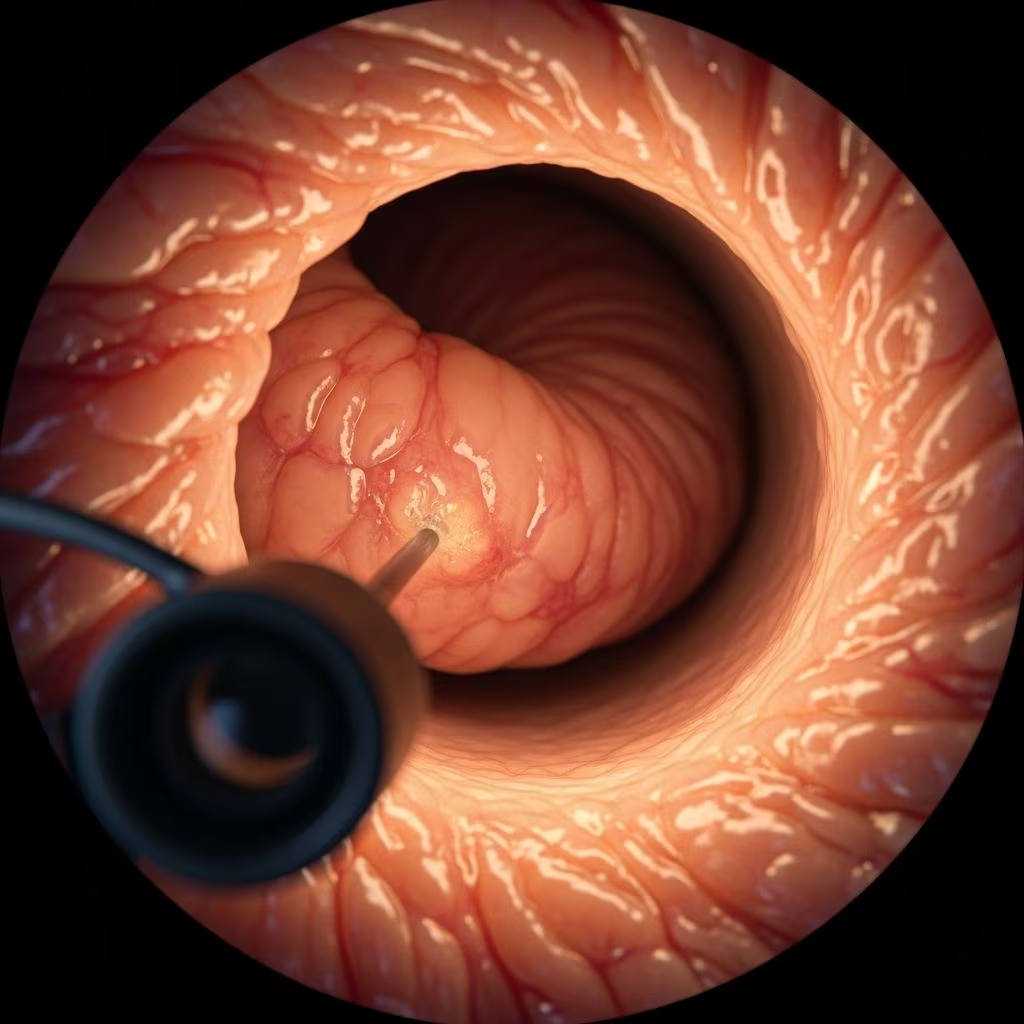
Gastrointestinal endoscopy is a minimally invasive diagnostic and therapeutic procedure that allows veterinarians to directly visualize the internal structures of a dog’s digestive tract. This advanced medical technology has become an invaluable tool in veterinary medicine, enabling practitioners to diagnose various gastrointestinal conditions without the need for exploratory surgery. The procedure provides real-time visualization and allows for tissue sampling and removal of foreign objects, making it an efficient and effective approach to managing digestive health issues in canine patients.
The endoscope is a flexible tube equipped with a camera and light source that transmits high-definition images to a monitor, allowing the veterinarian to examine the gastrointestinal tract in full color. This technology represents a significant advancement in veterinary diagnostics, offering both diagnostic and therapeutic capabilities in a single procedure.
Types of Gastrointestinal Endoscopy
Gastrointestinal endoscopy in dogs can be classified into two main categories based on the area of the digestive tract being examined:
Upper Gastrointestinal Endoscopy (UGI)
Upper gastrointestinal endoscopy focuses on the examination of the esophagus, stomach, and the proximal portion of the small intestine, specifically the duodenum. The endoscope is passed through the mouth and advanced down the esophagus into the stomach and, when possible, into the upper small intestine. This procedure is particularly useful for evaluating clinical signs related to these structures and obtaining biopsy samples from suspicious or abnormal tissue areas.
Lower Gastrointestinal Endoscopy (LGI)
Lower gastrointestinal endoscopy allows examination of the colon, cecum, and ileum. The endoscope is inserted through the rectum to visualize the lower portions of the digestive tract. This approach is valuable for assessing conditions affecting the large intestine and the end portion of the small intestine.
What the Endoscope Can Visualize
The endoscope provides a complete, full-color view of the internal structures it examines. During an upper gastrointestinal endoscopy, the veterinarian can directly observe:
– The esophageal lining and any abnormalities- The stomach’s interior structure and contents- The pylorus, the muscular valve separating the stomach from the small intestine- The upper portion of the small intestine (duodenum)
This detailed visualization allows the examiner to identify various abnormalities, including inflammation, abnormal swelling, scarring, strictures (abnormal narrowing of the digestive tract), and other structural or mucosal abnormalities that might indicate underlying disease.
Conditions Commonly Diagnosed with Endoscopy
Gastrointestinal endoscopy is an effective diagnostic tool for identifying numerous canine health conditions. The procedure can help diagnose:
– Chronic vomiting and regurgitation- Persistent diarrhea- Gastrointestinal bleeding- Suspected foreign body ingestion- Inflammatory bowel disease- Gastric ulceration- Gastric or esophageal tumors- Strictures or narrowing of the digestive tract- Suspected parasitic infections- Food sensitivities or allergies affecting the GI tract
The ability to directly visualize these conditions and obtain tissue samples for laboratory analysis makes endoscopy superior to many other diagnostic methods for confirming gastrointestinal diseases.
Limitations of Endoscopy: Understanding What Cannot Be Seen
While endoscopy is highly valuable, it has important limitations that pet owners and veterinarians must understand. Unfortunately, most of the small intestine is inaccessible to the endoscope, even when the instrument can be advanced through the pylorus into the duodenum. The size of the dog and the diameter of the endoscope being used determine how far into the small intestine the scope can safely pass.
Because a significant portion of the small intestine cannot be directly visualized with an endoscope, other diagnostic procedures are typically required when small intestinal disease is suspected. These alternative methods may include imaging studies, such as ultrasound or radiography, biopsy techniques like enteroscopy, or laboratory tests to evaluate small intestinal function.
Pre-Procedure Preparation Requirements
Proper preparation is essential for the success of a gastrointestinal endoscopy procedure. Pet owners must follow specific pre-operative instructions to ensure their dog’s safety and to maximize the diagnostic quality of the examination.
Fasting Requirements
Dogs must be fasted for 12 to 18 hours before the endoscopy procedure. This fasting period is critical for two important reasons: first, it ensures the safety of anesthesia by reducing the risk of aspiration, and second, it clears the gastrointestinal tract of food material, allowing for optimal visualization during the examination. The veterinarian will provide specific fasting instructions based on the dog’s individual situation and the time of the scheduled procedure.
Bowel Cleansing for Lower GI Endoscopy
If the lower gastrointestinal tract is to be examined, additional preparation is necessary. Oral medication is typically begun 12 to 18 hours before the procedure to remove fecal material from the intestinal tract. On the morning of the procedure, one or more enemas are administered to remove any remaining stool from the lower intestinal tract. This thorough cleansing ensures clear visualization of the colon, cecum, and ileum.
Medication Considerations
Pet owners should discuss all medications their dog is currently taking with the veterinarian. Certain medications may need to be withheld before the procedure, while others can be continued as normal. The veterinarian will provide clear guidance on medication management in the days leading up to the endoscopy.
The Endoscopy Procedure: What to Expect
Anesthesia Requirements
General anesthesia is absolutely necessary for gastrointestinal endoscopy in dogs. It is impossible to safely pass an endoscope into a conscious dog’s stomach or colon without causing stress, discomfort, and potential complications. The anesthesia allows the veterinarian to work safely and methodically while the dog remains completely still and unconscious. Most dogs require only short-acting anesthesia for this procedure and can typically return home shortly after completion of the examination.
Positioning and Instrumentation
During the procedure, the dog is positioned appropriately based on which portion of the gastrointestinal tract is being examined. For upper GI endoscopy, the dog is typically placed in left lateral recumbency. The veterinarian carefully passes the endoscope through the dog’s mouth and advances it down the esophagus into the stomach and, if indicated, into the duodenum.
To ensure proper passage of the endoscope without traumatizing the delicate mucosal tissue lining the gastrointestinal tract, the veterinarian uses the directional controls of the endoscope to centralize it before advancing further. Air is carefully insufflated (gently introduced) into the esophagus, stomach, and duodenum to provide adequate visualization and working space.
Visualization and Documentation
As the endoscope advances through the digestive tract, the veterinarian observes the structures in real-time on a high-definition monitor. Any abnormalities are noted and documented. The examination includes careful assessment of the esophageal lining, gastric mucosa, pylorus, and accessible portions of the small intestine. The veterinarian can take photographs or video recordings of any abnormal findings for documentation and comparison with future procedures if needed.
Diagnostic and Therapeutic Capabilities
Biopsy Collection
One of the most valuable aspects of endoscopy is the ability to obtain tissue samples from any abnormal areas identified during the examination. Using specialized biopsy forceps passed through the endoscope’s operating channel, the veterinarian can collect small pieces of tissue from suspicious areas of the esophagus, stomach, or duodenum. These tissue samples are then sent to a pathology laboratory where they are examined microscopically to confirm diagnoses and identify specific diseases or conditions.
Foreign Body Removal
If a dog has ingested a foreign object that is lodged in the stomach or accessible portion of the small intestine, endoscopy can often be used to retrieve it. Various specialized retrieval instruments, including different types of forceps, nets, and snares, can be passed through the endoscope’s operating channel to grasp and remove foreign bodies such as cloth, plastic objects, small metal items, or other materials. This endoscopic removal eliminates the need for exploratory surgery in many cases, resulting in faster recovery and reduced surgical risk for the patient.
Cytology Sampling
In addition to tissue biopsies, the veterinarian may collect cytology samples during endoscopy. A sheathed cytology brush can be passed through the endoscope’s operating channel to gently brush the gastric or intestinal lining, collecting individual cells for laboratory analysis. Duodenal aspiration samples may also be obtained by passing tubing through the endoscope’s operating channel to sample the intestinal secretions and contents.
Post-Procedure Recovery and AfterCare
Recovery from Anesthesia
After the endoscope is carefully removed from the dog’s gastrointestinal tract, the anesthesia is allowed to wear off under close veterinary supervision. Dogs typically recover relatively quickly from the short-acting anesthesia used for endoscopy and are often ready to go home the same day. The veterinarian will monitor the dog’s vital signs and recovery status before discharge.
Post-Procedure Feeding
Depending on the type of endoscopy performed and the dog’s individual recovery status, feeding can often resume relatively quickly. Many dogs can be offered 50% of their normal daily food ration approximately 4 hours after recovery if they are awake and capable of eating safely. Normal feeding resumes the day following the procedure. However, if biopsies were taken or if the dog shows any signs of discomfort, the veterinarian may recommend a delayed feeding schedule or dietary modifications.
Activity Restrictions
Most dogs can resume normal activities immediately after the endoscopy once they have fully recovered from anesthesia. If the procedure was performed solely for diagnostic purposes or if a foreign body was successfully removed without complications, the dog should experience no long-term activity restrictions. However, if therapeutic interventions were performed or if the dog shows any signs of discomfort, the veterinarian may recommend temporary activity limitations.
Understanding Diagnostic Results and Timeline
Immediate Visual Results
The organs and structures are viewed in real-time during the endoscopy procedure, so the visual examination results are known immediately. The veterinarian can provide preliminary observations about what was observed during the procedure right after the examination is completed.
Pathology Report Timeline
However, the final diagnosis usually depends on the results of the pathologist’s detailed study of any tissue biopsies that were collected. This analysis may take up to several weeks, depending on the complexity of the case and the specific tests required. The veterinarian will contact the pet owner once the pathology results are available to discuss the findings and recommend any necessary treatment plans.
Potential Complications and Safety Considerations
Rare Complications
Gastrointestinal endoscopy is generally considered a safe procedure; however, like any medical intervention, potential complications can occur. Gastrointestinal perforation is a rare but serious complication that can occur during the procedure. This complication is usually identified during the endoscopy by noticeable distention of the abdomen after air has been removed from the stomach. If perforation is suspected, the procedure is halted and appropriate emergency treatment is initiated.
Pre-Procedure Evaluation
To minimize risks and ensure patient safety, the veterinarian will perform a thorough pre-operative evaluation before scheduling endoscopy. This evaluation includes a complete physical examination, review of the dog’s medical history, and any necessary laboratory or imaging studies to assess the dog’s overall health status and anesthetic risk.
Advantages of Endoscopy Over Alternative Diagnostic Methods
Gastrointestinal endoscopy offers several significant advantages compared to other diagnostic approaches. The procedure provides direct visualization of internal structures in full color, allowing the veterinarian to identify subtle abnormalities that might not be apparent on radiographs or ultrasound. The ability to obtain tissue samples during the same procedure provides definitive diagnostic information without requiring separate biopsy techniques. Additionally, therapeutic interventions such as foreign body removal can be accomplished during the diagnostic procedure, potentially eliminating the need for exploratory surgery.
Frequently Asked Questions About Canine GI Endoscopy
Q: Is endoscopy painful for my dog?
A: No, endoscopy is not painful because general anesthesia is used throughout the procedure. Your dog is unconscious and cannot feel discomfort during the examination or any interventions performed.
Q: How long does the endoscopy procedure take?
A: The actual endoscopy typically takes 15-45 minutes, depending on the extent of the examination and any therapeutic procedures required. When you factor in anesthesia induction and recovery time, plan for your dog to be at the veterinary clinic for 1-2 hours.
Q: Can endoscopy replace exploratory surgery?
A: In many cases, yes. Endoscopy can diagnose gastrointestinal conditions and remove certain foreign bodies without abdominal surgery, resulting in faster recovery and reduced surgical risk. However, not all gastrointestinal conditions can be treated endoscopically, so the veterinarian may recommend surgery if endoscopy is not appropriate for the specific problem.
Q: What should I do if my dog vomits or seems uncomfortable after the procedure?
A: Contact your veterinarian immediately. While mild post-operative discomfort is possible, persistent vomiting or significant discomfort could indicate a complication that requires immediate attention.
Q: How much does canine endoscopy cost?
A: The cost varies depending on the veterinary facility, the type of endoscopy performed, and whether therapeutic interventions are necessary. Discuss pricing with your veterinarian during the consultation before scheduling the procedure.
Q: Will my dog need to follow any dietary restrictions after endoscopy?
A: Most dogs can return to their normal diet within 24 hours of the procedure. However, your veterinarian may recommend temporary dietary modifications if biopsies were taken or if specific gastrointestinal conditions were identified. Follow your veterinarian’s post-procedure instructions carefully.
References
- SOP: Upper GI Endoscopy in Dogs — Virginia Tech College of Veterinary Medicine. 2024. https://www.research.vt.edu/content/dam/ouv_vt_edu/sops/small-animal/sop-dogs-upper-gi-endoscopy.pdf
- Gastrointestinal Endoscopy in Dogs – VCA Animal Hospitals — VCA Animal Hospitals. 2024. https://vcahospitals.com/know-your-pet/endoscopy-gastrointestinal-in-dogs
- Gastrointestinal Endoscopy in Dogs and Cats — MedVet. 2024. https://www.medvet.com/gastrointestinal-endoscopy-dogs-cats/
- Upper Gastrointestinal Endoscopy Techniques, Part 2 — Today’s Veterinary Practice. 2024. https://todaysveterinarypractice.com/radiology-imaging/endoscopy-essentials-upper-gastrointestinal-endoscopy-techniques-part-2/
- Endoscopy for Diagnosing GI Issues in Dogs & Cats — Rock Hill Carolina Vet. 2023. https://www.rock-hill.carolinavet.com/site/blog/2023/08/15/pet-endoscopy



