

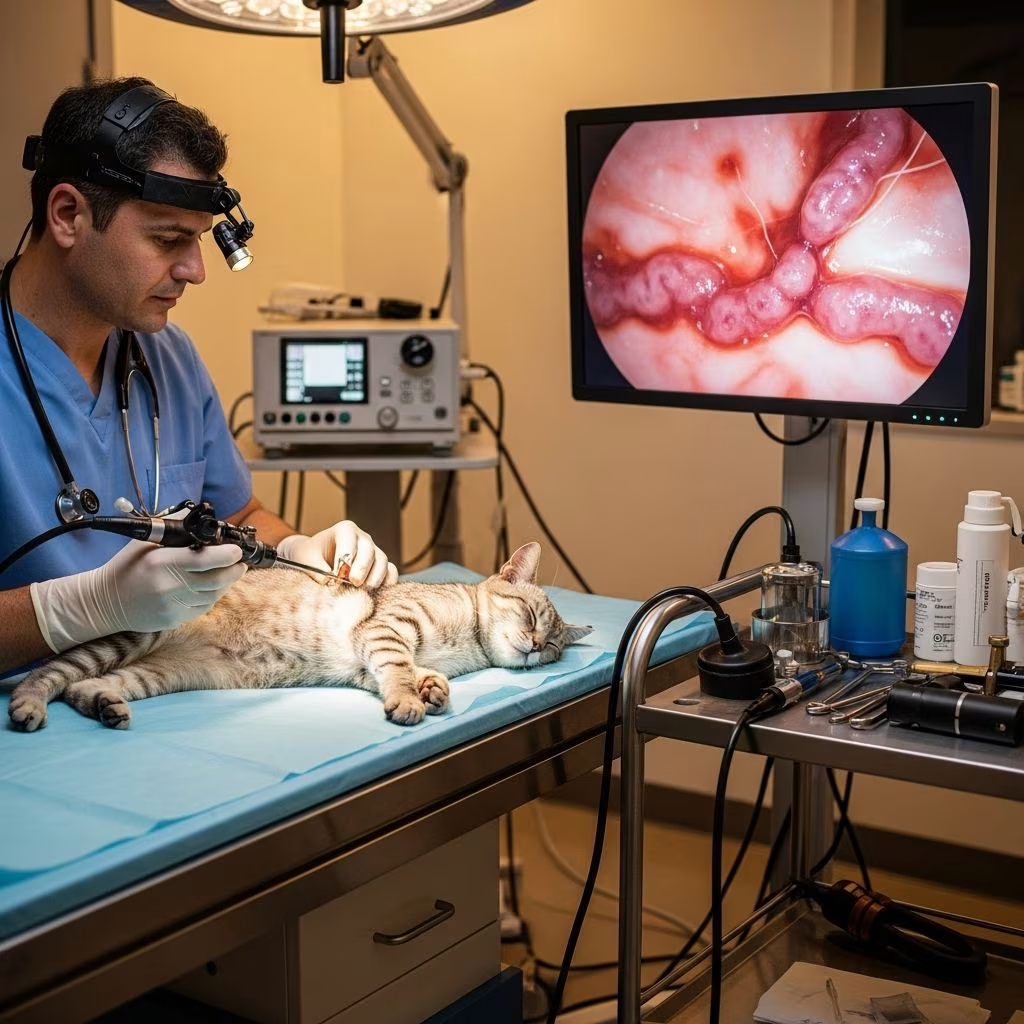
Understanding Gastrointestinal Endoscopy in Cats
Gastrointestinal endoscopy is a valuable diagnostic tool that allows veterinarians to examine your cat’s internal digestive organs directly. This minimally invasive procedure uses a flexible tube equipped with a camera and viewing port to inspect the esophagus, stomach, and upper portion of the small intestine, or the colon and rectum, depending on clinical needs. For cat owners dealing with persistent digestive problems, endoscopy offers a comprehensive way to identify underlying issues that may not be visible on standard imaging tests like X-rays or ultrasounds.
What is Gastrointestinal Endoscopy?
Endoscopy is a minimally invasive diagnostic procedure that enables veterinarians to obtain real-time visual images of your cat’s internal organs. The procedure involves inserting a thin, flexible tube called an endoscope through the mouth or rectum into the digestive tract. The endoscope contains a small camera and light source that transmit images to a monitor, allowing the veterinarian to examine the organ walls, lining, and tissue in detail. Modern endoscopes also feature working channels that allow veterinarians to pass additional instruments through them for taking tissue biopsies or removing foreign objects if necessary.
What Areas Can Be Examined?
Gastrointestinal endoscopy in cats can visualize several different areas of the digestive system depending on the clinical presentation and diagnostic needs:
– Esophagus (food pipe)- Stomach- Proximal duodenum (upper part of the small intestine)- Colon and rectum- Lower intestinal tract
When the endoscope is passed through the mouth, veterinarians can examine the upper gastrointestinal tract. When passed through the rectum, they can evaluate the colon and lower intestines. Some cats may benefit from examinations of both regions during a single procedure.
What if the Problem is in the Small Intestine?
In some cats, it is possible to pass the endoscope through the pylorus, which is a valve at the exit of the stomach, and into the upper duodenum (upper part of the small intestine). However, how far into the small intestine the endoscope can be safely passed depends on the size of the cat and the size of the endoscope itself. Unfortunately, most of the small intestine remains inaccessible to the endoscope, so other diagnostic tests or procedures are usually required to diagnose many types of small intestinal disease. In these cases, your veterinarian may recommend alternative imaging techniques or more advanced procedures.
Common Reasons for Feline GI Endoscopy
Veterinarians recommend gastrointestinal endoscopy for cats experiencing various digestive problems:
– Chronic vomiting that doesn’t respond to treatment- Persistent diarrhea or constipation- Weight loss despite normal appetite- Inappetence (loss of appetite)- Gastrointestinal bleeding- Foreign body suspicion- Inflammatory bowel disease diagnosis- Suspected gastrointestinal lymphoma or cancer- Strictures or narrowing of the digestive tract- Unexplained abdominal pain
Endoscopy is typically recommended when non-invasive investigations and trial therapies have failed to provide a diagnosis or resolution of clinical signs.
Is General Anesthesia Required?
Yes, general anesthesia is absolutely required for gastrointestinal endoscopy in cats. It is impossible to pass an endoscope safely into a conscious cat’s stomach or colon. The anesthesia ensures your cat remains completely still and comfortable throughout the procedure, allowing the veterinarian to thoroughly examine the digestive tract without causing distress or injury. In most cases, a short-acting anesthetic is used, and the cat is discharged once its effects have worn off. Your veterinarian will conduct a thorough pre-operative examination to ensure your cat is healthy enough for anesthesia before proceeding with the procedure.
How Do I Prepare My Cat for Endoscopy?
Proper preparation is essential for a successful and safe endoscopic procedure. Your veterinarian will provide specific instructions, but the following guidelines generally apply:
Fasting Requirements
It is vital that the stomach and intestinal tract be completely empty of all food, water, and fecal matter before an endoscopic evaluation. If the stomach is being examined, withholding food and water (fasting) for 12 hours is generally sufficient. If the colon is to be examined, fasting for 12 to 18 hours is necessary so new fecal material does not form. If the owner is unable to withhold food due to circumstances such as a multiple cat household or an outdoor cat, it is advisable to hospitalize the patient prior to the procedure to ensure proper fasting.
Bowel Preparation
If the colon is to be examined, oral medication is begun 12 to 18 hours before the procedure to remove fecal material from the intestinal tract. On the morning of the procedure, one or more enemas are given to remove any remaining stool from the lower intestinal tract. For lower GI endoscopy removal of all feces from the descending colon is required. Fasting and administration of enemas is usually sufficient to evacuate almost all fecal material. Gastrointestinal lavage solutions can be administered via a nasogastric tube to further clean the tract if needed.
Pre-Procedure Health Evaluation
Before endoscopy, your cat should receive a thorough examination from your veterinarian to ensure they are in good health and suitable candidates for anesthesia. Your veterinarian may recommend blood work and other diagnostic tests to assess your cat’s overall health status before proceeding.
What Happens During the Endoscopy Procedure?
The endoscopy procedure varies slightly depending on which area of your cat’s digestive system is being examined, but the general process follows these steps:
Anesthesia Administration
Your cat will receive general anesthesia and may also receive local anesthesia at the insertion site. The veterinarian will monitor your cat’s vital signs throughout the procedure to ensure safety and comfort.
Endoscope Insertion
The endoscope is inserted through the proper orifice depending on your cat’s symptoms and the area being examined. For upper gastrointestinal examination, the endoscope is carefully passed through the mouth. For lower gastrointestinal examination, it is inserted through the rectum.
Visual Examination
As the endoscopy takes place, the veterinarian will have a real-time visual of your cat’s internal organs as the endoscope is being maneuvered. The veterinarian will systematically examine all areas of the targeted organs, looking for abnormalities such as inflammation, ulceration, masses, or foreign objects.
Tissue Sampling
Depending on what is seen during the procedure, the veterinarian may choose to extract tissue samples for biopsy using specialized instruments passed through the endoscope. These biopsies provide microscopic examination of the tissue, which is essential for many diagnoses.
Foreign Body Removal
If a foreign body is identified and can be safely retrieved, the veterinarian may remove it during the same procedure using specialized extraction tools. This eliminates the need for more invasive surgical intervention in many cases.
Understanding the Results
The organs are viewed in real time during the procedure, so those visual results are known immediately. Your veterinarian will discuss any abnormalities or findings with you right after the procedure. However, the final diagnosis usually depends on the results of the pathologist’s study of the biopsies, which may take several weeks, depending on circumstances. Once the biopsy results are available, your veterinarian will contact you with the complete diagnosis and discuss appropriate treatment options.
Recovery After Endoscopy
Most cats recover quickly from endoscopy since it is a minimally invasive procedure. Your cat may feel drowsy for a few hours after the procedure as the anesthesia wears off. It is important to monitor your cat for any signs of complications such as excessive drooling, difficulty swallowing, vomiting, or abdominal pain. Your veterinarian will provide specific post-operative care instructions, which may include dietary recommendations and activity restrictions for a limited period.
Advantages of Endoscopy for Your Cat
Gastrointestinal endoscopy offers several significant advantages for diagnosing and treating feline digestive problems:
– Direct visualization of affected organs- Ability to obtain tissue biopsies for accurate diagnosis- Minimally invasive compared to exploratory surgery- Shorter recovery time- Ability to remove foreign objects without surgery- Real-time results for immediate assessment- Lower risk of complications compared to surgical intervention- Reduced post-operative pain and discomfort
Frequently Asked Questions
Q: How long does a cat endoscopy procedure take?
A: The actual endoscopy procedure typically takes 20 to 45 minutes depending on the complexity of the examination and whether biopsies or foreign body removal is needed. However, the total time at the veterinary clinic will be longer when accounting for pre-operative preparation and post-operative recovery.
Q: Is endoscopy painful for cats?
A: No, endoscopy is not painful for cats because they are under general anesthesia throughout the procedure. Your cat will be completely unconscious and unable to feel discomfort during the examination.
Q: What are the risks associated with cat endoscopy?
A: Endoscopy is generally a safe procedure with minimal risks. Potential complications are rare but may include perforation of the digestive tract, bleeding, infection, or adverse reactions to anesthesia. Your veterinarian will discuss these risks with you before the procedure.
Q: Can endoscopy diagnose all gastrointestinal problems?
A: While endoscopy is an excellent diagnostic tool, it cannot visualize the entire small intestine. Some conditions may require additional diagnostic tests or procedures for complete diagnosis and evaluation.
Q: How soon can my cat eat after endoscopy?
A: Your veterinarian will provide specific feeding instructions, but typically cats can resume eating once they are fully alert and the effects of anesthesia have worn off, usually within a few hours of the procedure.
Q: Will my cat need to fast again after endoscopy?
A: No, your cat will not need to fast after the procedure. Your veterinarian may recommend a bland diet for a day or two following the procedure, but your cat can return to normal feeding once fully recovered.
References
- Gastrointestinal Endoscopy In The Cat — PubMed Central, National Institutes of Health. 2024-08-15. https://pmc.ncbi.nlm.nih.gov/articles/PMC11383086/
- Gastrointestinal Endoscopy in Cats — VCA Animal Hospitals. 2024. https://vcahospitals.com/know-your-pet/endoscopy-gastrointestinal-in-cats
- Cat Endoscopy, Procedure and Purpose — Calusa Veterinary Center. 2024. https://www.cvcboca.com/boca-raton-fl/cats/endoscopy/
- Endoscopy for Diagnosing GI Issues in Dogs & Cats — Rock Hill Veterinary Hospital. 2023-08-15. https://www.rock-hill.carolinavet.com/site/blog/2023/08/15/pet-endoscopy
- Gastrointestinal Endoscopy in Dogs and Cats — MedVet. 2024. https://www.medvet.com/gastrointestinal-endoscopy-dogs-cats/



