

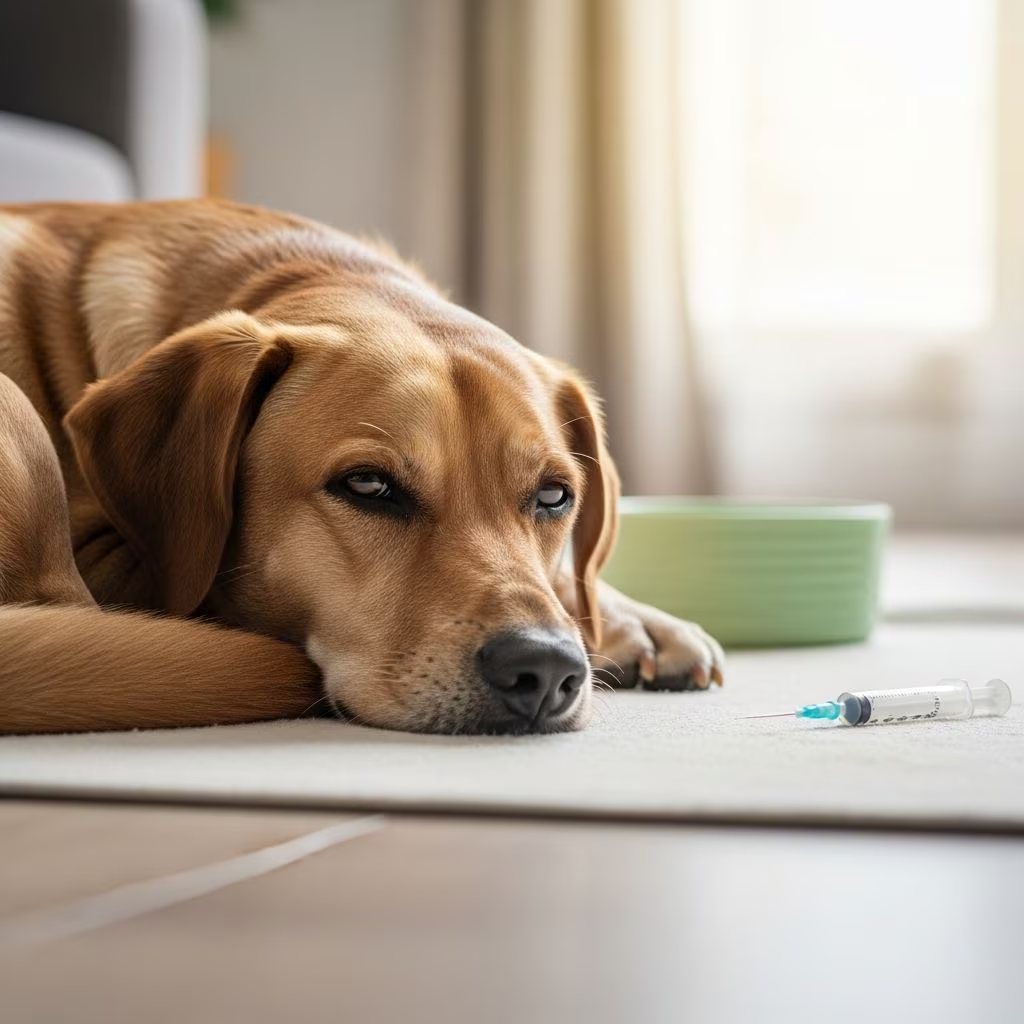
Understanding Gastroenteritis in Dogs
Gastroenteritis is one of the most common conditions affecting dogs, characterized by inflammation of the stomach and intestines. This condition can range from mild to severe and may develop suddenly or progress gradually. When your dog experiences gastroenteritis, the primary symptoms include vomiting and diarrhea, which can lead to significant discomfort and dehydration. Understanding this condition is crucial for pet owners, as early recognition and appropriate treatment can prevent serious complications and restore your dog’s digestive health.
The term “gastroenteritis” specifically refers to inflammation of the gastrointestinal tract, which includes both the stomach and the small and large intestines. This inflammation disrupts normal digestive function and can cause various clinical signs ranging from mild gastrointestinal upset to severe, life-threatening conditions. Most cases of acute gastroenteritis in dogs are self-limiting and resolve with appropriate supportive care, though some dogs with chronic underlying diseases may require ongoing management.
Common Causes of Gastroenteritis in Dogs
Gastroenteritis in dogs can develop for numerous reasons, and identifying the underlying cause is essential for determining the most appropriate treatment plan. The causes range from dietary indiscretions to serious infections and systemic diseases.
Dietary Causes
Dietary indiscretion remains one of the leading causes of gastroenteritis in dogs. Dogs that consume table scraps, high-fat treats, spoiled food from garbage, or experience sudden diet changes are particularly prone to developing gastroenteritis. When a dog’s diet is abruptly changed without a gradual transition, the digestive system may not adapt properly, leading to inflammation. Additionally, consuming excessive amounts of fatty foods can trigger significant gastrointestinal upset and inflammation.
Food allergies and intolerances represent another important dietary cause. Some dogs develop allergic reactions or sensitivities to specific food ingredients, resulting in chronic or recurrent gastroenteritis. Common food allergens include beef, chicken, dairy, wheat, and corn. Unlike dietary indiscretion, food allergies typically cause symptoms that persist or recur with consumption of the problematic ingredient.
Infectious Causes
Bacterial infections can cause significant gastroenteritis in dogs. Overgrowth of bacteria such as Clostridium within the gut leads to inflammation and resulting vomiting and diarrhea. These bacterial overgrowths can occur secondary to other conditions or as primary infections.
Viral infections are particularly common causes of acute gastroenteritis, especially in puppies and unvaccinated dogs. Parvovirus is one of the most serious viral causes, often causing severe, hemorrhagic diarrhea. Other viruses, including distemper and various enteroviruses, can also trigger gastroenteritis symptoms.
Parasitic infections frequently cause gastrointestinal upset in dogs. Intestinal parasites such as roundworms, hookworms, whipworms, and giardia can all lead to vomiting and diarrhea. Parasitic infections are particularly common in puppies, young dogs, and dogs with inadequate preventive care.
Foreign Body Ingestion
Dogs that consume non-food items such as pieces of toys, clothing, bones, or other foreign objects can develop gastroenteritis as their body attempts to eliminate the foreign material. In some cases, these objects may cause obstructions (blockages) in the stomach or intestines, creating emergency situations that may require surgical intervention. The inflammation caused by the foreign body passing through the digestive tract can result in vomiting, diarrhea, and abdominal discomfort.
Toxin Exposure
Ingestion of toxic substances can cause acute gastroenteritis. Common toxins include certain foods such as onions and garlic, various houseplants, chocolate, and chemicals. When dogs ingest these toxins, vomiting and diarrhea are the body’s natural response to eliminate the harmful substance from the system.
Breed Predisposition
Hemorrhagic gastroenteritis (HGE), now referred to as acute hemorrhagic diarrhea syndrome (AHDS), is a specific form of severe gastroenteritis characterized by bloody diarrhea and vomit, along with signs of significant dehydration. This condition is particularly common in small-breed dogs such as Dachshunds and has been linked to Clostridial bacterial infections. Dogs with this condition require prompt veterinary attention due to the severity of symptoms and rapid fluid loss.
Systemic Diseases
Gastroenteritis can also result from systemic diseases affecting other organ systems. Conditions such as pancreatitis, kidney disease, liver disease, and various endocrine disorders can all manifest as gastrointestinal upset and inflammation. In these cases, treating the underlying systemic condition is essential for resolving the gastroenteritis.
Clinical Signs and Symptoms
The clinical presentation of gastroenteritis varies depending on the underlying cause and severity of inflammation. Pet owners should be familiar with the common signs indicating their dog may be experiencing gastroenteritis.
The most obvious symptoms include vomiting and diarrhea, which may occur together or independently. Vomiting may be acute and sudden or chronic and recurring. Diarrhea can range from soft stools to watery, frequent bowel movements. Some dogs experience abdominal discomfort, which may be evidenced by restlessness, reluctance to move, or a hunched posture. Dogs with significant gastrointestinal upset may also show decreased appetite or anorexia, refusing to eat entirely.
Lethargy and depression are common signs, particularly if the dog is experiencing pain or dehydration. Dehydration can develop rapidly, especially with severe vomiting and diarrhea, and represents a serious concern requiring prompt treatment. Fever may be present if an infectious cause underlies the gastroenteritis. In cases of hemorrhagic gastroenteritis, owners may notice blood in the vomit (hematemesis) or in the stool (hematochezia).
Diagnostic Procedures
When your dog presents with signs of gastroenteritis, your veterinarian will perform a thorough examination and may recommend specific diagnostic tests to identify the underlying cause and determine the severity of the condition.
Physical Examination
Your veterinarian will begin with a complete physical examination, assessing your dog’s hydration status, abdominal pain, body condition, and overall health. This examination helps establish the baseline severity of the condition and guides further diagnostic decisions.
Laboratory Testing
Blood tests provide valuable information about your dog’s overall health status. A complete blood count (CBC) helps identify signs of infection, anemia, or other blood abnormalities. Blood chemistry panels assess kidney function, liver function, glucose levels, and electrolyte balance—all important for determining treatment needs and prognosis.
Fecal examinations are crucial for identifying parasitic infections. Your veterinarian will examine a stool sample under the microscope to detect parasite eggs or protozoal organisms. In some cases, additional stool testing may be recommended to identify specific bacterial or parasitic infections.
Imaging Studies
Abdominal radiographs (X-rays) help identify foreign bodies, intestinal obstructions, or abnormal gas patterns within the digestive tract. Abdominal ultrasound provides detailed imaging of the stomach and intestines, allowing visualization of wall thickness, foreign materials, and structural abnormalities. These imaging studies are particularly important when foreign body ingestion is suspected.
Additional Diagnostics
Depending on clinical findings, your veterinarian may recommend additional testing such as urinalysis, specific infectious disease screening, or other specialized tests to identify underlying systemic diseases contributing to the gastroenteritis.
Treatment Options for Gastroenteritis
Treatment for gastroenteritis in dogs depends on the underlying cause and severity of the condition. Most cases respond well to supportive care and symptomatic management, though specific treatments address identified causes.
Fluid Therapy and Rehydration
Fluid therapy forms the cornerstone of gastroenteritis treatment. Dogs are given fluids intravenously or subcutaneously to restore electrolyte balance and rehydrate tissues. In mild cases, oral rehydration with small, frequent water offerings may suffice. In severe cases with significant fluid loss, intravenous fluid administration in a hospital setting becomes necessary. Electrolyte solutions help restore critical minerals lost through vomiting and diarrhea.
Dietary Management
Once your dog is able to eat, a bland, easily digestible, low-fat diet is recommended to allow the stomach and intestines to heal. Commercial veterinary diets such as prescription gastrointestinal formulas are specifically formulated for this purpose. Food is offered in small amounts, multiple times daily, gradually increasing portions as tolerance improves. After clinical signs resolve, your dog’s regular diet should be reintroduced gradually over several days to prevent recurrence.
Medication Management
Antiemetics such as maropitant control nausea and vomiting, making your dog more comfortable and encouraging food intake. These medications may be given as injections lasting 24 hours or as oral tablets. Antacids like famotidine reduce stomach acid, decreasing nausea and vomiting. Probiotics such as FortiFlora restore beneficial gut bacteria and improve gastrointestinal function.
If bacterial infection is identified, antibiotics such as metronidazole may be prescribed. These are used judiciously and only when indicated by diagnostic findings. Deworming medications such as pyrantel pamoate eliminate parasitic infections identified on fecal examination.
Surgical Intervention
Dogs with foreign body ingestion causing obstruction or those with cancerous growths of the stomach or intestines may require surgical intervention. Endoscopic retrieval may be possible for objects in the esophagus or stomach, while intestinal obstructions typically require surgical removal.
Management of Underlying Conditions
In dogs with chronic gastroenteritis secondary to systemic diseases such as pancreatitis, kidney disease, or liver disease, treating the underlying condition becomes the focus of long-term management. While acute gastroenteritis may be curable with appropriate treatment, chronic cases secondary to underlying diseases often require ongoing management to control symptoms and maintain quality of life.
Home Care and Prevention
Supporting your dog’s recovery at home is crucial for successful treatment outcomes. Ensure your dog has access to fresh water at all times, though water may need to be restricted in severe vomiting cases per your veterinarian’s instructions. Follow your veterinarian’s dietary recommendations precisely, resisting the temptation to offer table scraps or special treats during recovery.
Prevent future episodes by maintaining a consistent diet, introducing any dietary changes gradually over 7-10 days, keeping foreign objects and toxic substances out of reach, and ensuring current parasite prevention and vaccinations. Regular deworming, especially in puppies and young dogs, significantly reduces the risk of parasitic gastroenteritis.
When to Seek Emergency Care
While many cases of gastroenteritis can be managed on an outpatient basis, certain signs warrant emergency veterinary attention. Seek immediate care if your dog shows signs of severe dehydration, persistent vomiting lasting more than a few hours, bloody vomit or diarrhea, severe abdominal pain, lethargy or collapse, inability to keep down any food or water, or signs of shock. These symptoms may indicate severe gastroenteritis, obstruction, or other serious conditions requiring emergency intervention.
Prognosis and Recovery
The prognosis for gastroenteritis in dogs is generally favorable, particularly for acute cases with appropriate treatment. Most dogs recover fully within days to weeks with supportive care. However, prognosis depends on the underlying cause, severity of presentation, and your dog’s overall health status. Dogs with chronic underlying diseases may have recurring episodes that require ongoing management rather than complete cure.
Frequently Asked Questions About Gastroenteritis in Dogs
Q: How long does gastroenteritis last in dogs?
A: Most acute cases of gastroenteritis resolve within 3-7 days with appropriate treatment. However, recovery time varies depending on the underlying cause and severity. Some cases may take longer, and chronic gastroenteritis may persist or recur intermittently.
Q: Can I treat my dog’s gastroenteritis at home?
A: While mild cases may improve with home care including rest and dietary modification, you should always consult your veterinarian first. Your vet can determine whether hospitalization or specific medications are necessary and rule out serious underlying causes.
Q: Is gastroenteritis contagious between dogs?
A: If the gastroenteritis is caused by infectious agents such as viruses, bacteria, or parasites, it may be contagious to other dogs. Dogs with suspected infectious gastroenteritis should be isolated to prevent transmission to other pets in the household.
Q: What foods should I avoid giving my dog with gastroenteritis?
A: Avoid high-fat foods, dairy products, table scraps, and any foods different from your dog’s normal diet during recovery. Stick to bland, easily digestible, low-fat prescription or home-prepared diets recommended by your veterinarian.
Q: Can gastroenteritis be prevented?
A: While not all cases can be prevented, you can reduce risk by maintaining a consistent diet, preventing access to foreign objects and toxins, ensuring current vaccinations and parasite prevention, and providing regular deworming as recommended by your veterinarian.
References
- Gastroenteritis in Dogs: Symptoms, Recovery, and More — PetMD. 2024. https://www.petmd.com/dog/conditions/digestive/gastroenteritis-dogs-symptoms-recovery-and-more
- Acute Gastroenteritis in Dogs — BluePearl Pet Hospital. 2024. https://bluepearlvet.com/medical-articles-for-pet-owners/acute-gastroenteritis-in-dogs/
- Vomiting and Diarrhoea in Dogs — Blue Cross UK. 2024. https://www.bluecross.org.uk/advice/dog/health-and-injuries/vomiting-and-diarrhoea-in-dogs
- Gastroenteritis in Dogs: Causes, Symptoms & Treatment — Purina US. 2024. https://www.purina.com/articles/dog/health/digestion/gastroenteritis-in-dogs
- Gastroenteritis in Dogs — Vet Center Morris County. 2024. https://www.vetcentermorriscountyfp.com/resources/gastroenteritis-in-dogs
- Symptomatic Management of Primary Acute Gastroenteritis in Dogs — Today’s Veterinary Practice. 2024. https://todaysveterinarypractice.com/gastroenterology/6716-2/



