
Gastroenteritis in Dogs
Understand the causes, symptoms, and effective treatments for gastroenteritis in dogs to help your pet recover quickly and stay healthy.
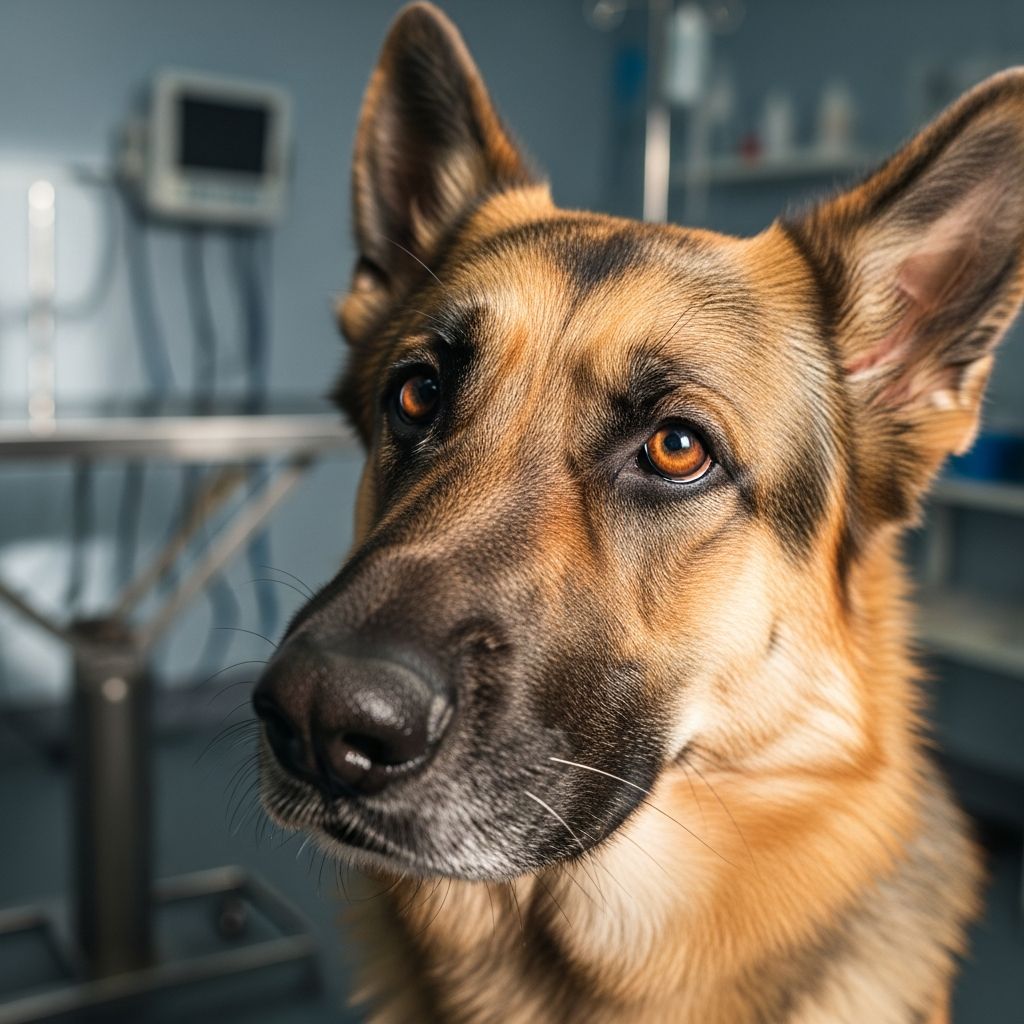
Gastroenteritis refers to inflammation of a dog’s stomach and intestines, often leading to sudden vomiting and diarrhea. This condition is a frequent reason for veterinary visits and requires prompt attention to prevent dehydration and complications.
Recognizing the Signs of Gastroenteritis
Dogs with gastroenteritis typically show acute gastrointestinal distress. Common symptoms include repeated vomiting, which may start as food regurgitation and progress to bile or blood-tinged material. Diarrhea is another hallmark, ranging from loose stools to watery or bloody discharges.
- Vomiting: Frequent episodes, possibly containing undigested food, foam, or blood.
- Diarrhea: Soft, mucousy, or hemorrhagic stools, often with a foul odor.
- Lethargy: Reduced energy levels and reluctance to move.
- Loss of appetite: Complete refusal of food.
- Abdominal discomfort: Hunched posture, whining, or tenderness when touched.
- Dehydration signs: Dry gums, sunken eyes, and skin that doesn’t snap back quickly when pinched.
Severe cases, such as haemorrhagic gastroenteritis (HGE), involve profuse bloody diarrhea and rapid dehydration, particularly in small breeds.
Common Triggers Behind Canine Gastroenteritis
While the exact cause is often unidentified, several factors can initiate gut inflammation. Dietary indiscretion, like scavenging garbage or eating spoiled food, tops the list for many cases.
| Cause Category | Examples | Risk Factors |
|---|---|---|
| Infections | Parvovirus, coronavirus, bacterial overgrowth (e.g., Clostridium) | Unvaccinated puppies, exposure to infected areas |
| Parasites | Roundworms, hookworms, protozoa | Outdoor access, poor hygiene |
| Dietary Issues | Sudden food changes, high-fat treats, allergies | Table scraps, garbage raiding |
| Toxins/Foreign Bodies | Plants, chemicals, ingested objects | Curious puppies, household hazards |
| Other | Stress, medications, underlying diseases | Recent travel, breed predispositions like small dogs for HGE |
Viral infections like parvovirus cause severe crypt damage in the intestines, leading to hemorrhagic symptoms, while bacterial issues may involve invasive strains in certain breeds.
How Veterinarians Diagnose the Condition
Diagnosis begins with a thorough history and physical exam, assessing dehydration and pain levels. Blood tests evaluate electrolyte imbalances, white blood cell counts, and organ function.[10]
- Fecal analysis: Checks for parasites, bacteria, or blood.
- Imaging: X-rays or ultrasound to detect obstructions or masses.
- Viral testing: Snap tests for parvovirus in severe cases.
- Endoscopy/Biopsy: For chronic or suspected cancer cases.
In HGE, fluid therapy is prioritized based on clinical presentation, with antimicrobials used cautiously to avoid resistance.
Essential Treatment Strategies for Recovery
Treatment focuses on supportive care to correct dehydration, control symptoms, and allow the gut to heal. Severity dictates whether outpatient or hospitalization is needed.
Fluid Therapy: Intravenous (IV) or subcutaneous fluids restore hydration and electrolytes, forming the cornerstone of care.[10]
Medications:
- Antiemetics like maropitant (Cerenia) to stop vomiting.
- Antacids such as famotidine for stomach protection.
- Probiotics (e.g., FortiFlora) to rebuild gut flora.
- Antibiotics (e.g., metronidazole) only if bacterial infection confirmed.
- Dewormers like pyrantel for parasites.
Dietary Management: Withhold food for 12-24 hours, then introduce a bland diet like boiled chicken and rice or prescription gastrointestinal formulas. Transition gradually to regular food over 3-5 days.
Surgery may be required for foreign bodies or tumors.
Step-by-Step Home Care After Vet Visit
Once stabilized, monitor closely at home:
- Ensure access to fresh water; offer ice cubes if vomiting persists.
- Follow bland diet schedule precisely.
- Administer medications as prescribed.
- Watch for worsening signs: persistent vomiting, blood in stool, extreme lethargy—return to vet immediately.
- Rest in a quiet area to reduce stress.
Prognosis is excellent for most acute cases with timely intervention, resolving in 1-3 days.
Preventing Future Episodes of Gut Upset
Proactive steps minimize recurrence:
- Vaccinations: Keep core vaccines current against parvovirus and distemper.
- Parasite Control: Monthly preventives for worms and fleas.
- Diet Consistency: Avoid abrupt changes or human foods; use high-quality kibble.
- Secure Environment: Trash-proof cans, toxic plant removal, supervise scavenging.
- Regular Check-ups: Early detection of allergies or sensitivities.
When Gastroenteritis Signals Something More Serious
While often self-limiting, persistent symptoms may indicate deeper issues like Addison’s disease, pancreatitis, or cancer. Breeds like Boxers may have colitis from E. coli, requiring targeted antibiotics. Puppies and seniors face higher risks of complications.
FAQs on Dog Gastroenteritis
What is the fastest way to treat dog gastroenteritis at home?
Do not self-treat initially; vet care is crucial. Home steps include fasting, hydration, and bland diets post-approval.
Can gastroenteritis in dogs be fatal?
Rarely in treated cases, but untreated parvovirus or HGE can lead to shock and death.
How long does recovery take?
Most improve in 24-48 hours with treatment; full recovery in 3-5 days.
Is bloody diarrhea always an emergency?
Yes, especially with vomiting and lethargy—seek immediate care.
Should I give Pepto-Bismol to my dog?
No, consult a vet; human meds can harm dogs.
This guide equips dog owners with knowledge to navigate gastroenteritis effectively. Always prioritize professional veterinary advice for your pet’s health.
References
- Gastroenteritis in Dogs: Symptoms, Recovery, and More — PetMD. 2023. https://www.petmd.com/dog/conditions/digestive/gastroenteritis-dogs-symptoms-recovery-and-more
- Gastroenteritis — PMC – NIH. 2020-04-01. https://pmc.ncbi.nlm.nih.gov/articles/PMC7152429/
- Gastroenteritis in Dogs: Causes, Symptoms & Treatment — Purina US. 2023. https://www.purina.com/articles/dog/health/digestion/gastroenteritis-in-dogs
- Gastroenteritis in dogs causes, symptoms and treatment — Vets Now. 2023. https://www.vets-now.com/pet-care-advice/gastroenteritis-in-dogs/
- Managing acute gastroenteritis in dogs — Washington State University Veterinary Teaching Hospital. 2025-01-14. https://hospital.vetmed.wsu.edu/2025/01/14/managing-acute-gastroenteritis-in-dogs/
- Gastroenteritis in Dogs — Allambie Vet. 2023. https://allambievet.com.au/news/gastroenteritis-in-dogs
Similar Articles








Read full bio of medha deb




