

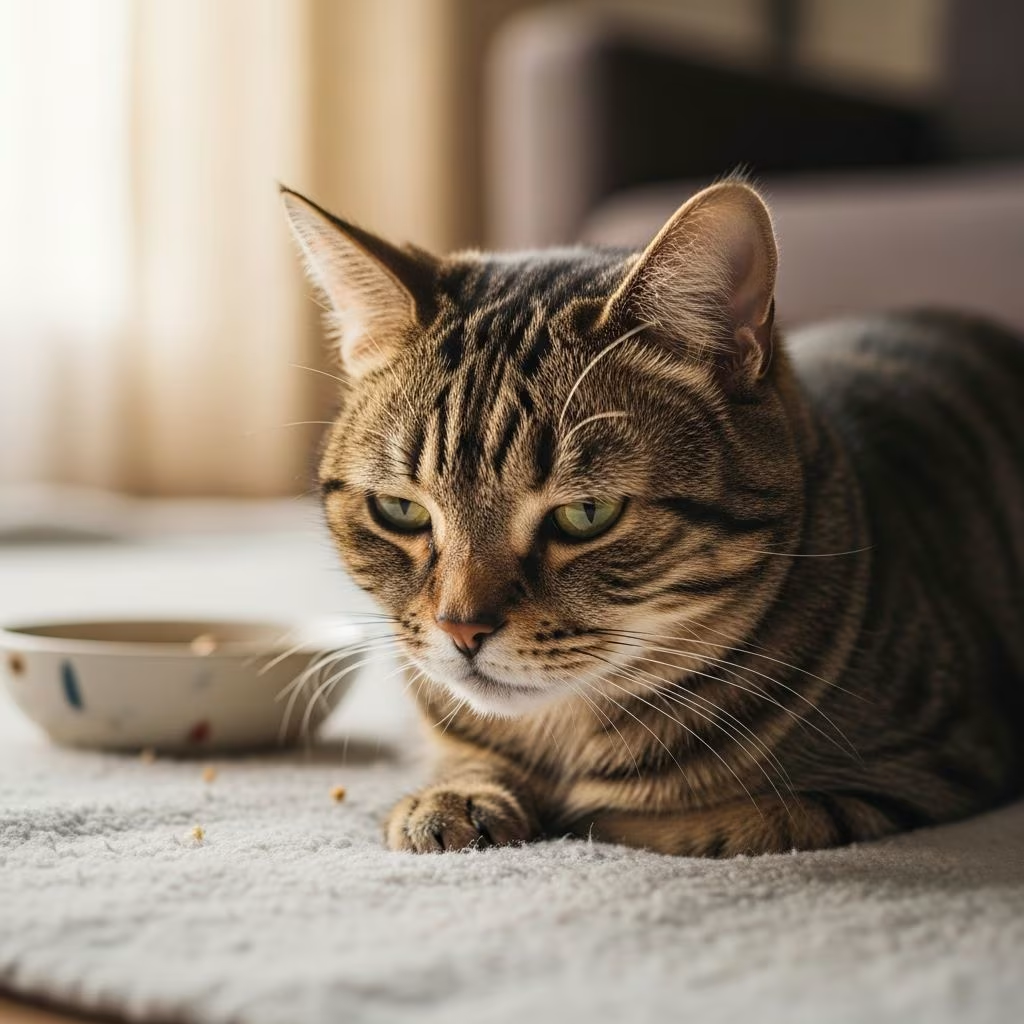
Gastroenteritis in Cats: A Comprehensive Guide
Gastroenteritis, commonly referred to as an upset stomach or inflammation of the gastrointestinal tract, is one of the most frequently encountered conditions in feline veterinary medicine. This condition affects the stomach and intestines, leading to various uncomfortable symptoms that can concern any cat owner. Understanding what gastroenteritis is, recognizing its symptoms, and knowing when to seek veterinary care are essential for maintaining your cat’s health and well-being.
Gastroenteritis presents as an acute condition characterized by sudden onset of digestive distress. While many cases resolve on their own or with minimal intervention, others may require comprehensive veterinary treatment to identify underlying causes and prevent complications.
What is Gastroenteritis?
Gastroenteritis is an inflammatory condition affecting the stomach and intestinal lining of cats. When a cat develops gastroenteritis, the protective mucosa lining the gastrointestinal tract becomes irritated and inflamed, disrupting normal digestive functions. This inflammation can range from mild to severe, depending on the underlying cause and individual factors.
The condition manifests primarily through vomiting and diarrhea, which are the body’s way of attempting to expel irritating substances or address the underlying problem. Although inflammation of the gastrointestinal mucosa is typically assumed in gastroenteritis cases, definitive confirmation usually requires histopathological examination, which is not always performed for acute presentations.
Causes of Gastroenteritis in Cats
Gastroenteritis in cats can develop from numerous factors, ranging from minor dietary issues to serious underlying medical conditions. Understanding these causes is crucial for both prevention and appropriate treatment.
Dietary-Related Causes
One of the most common triggers for acute gastroenteritis is dietary indiscretion, which occurs when cats consume inappropriate items. This includes eating garbage, spoiled food scraps, non-food materials like string or tinsel, or even hairballs. Rapid changes in diet, particularly switching food brands or introducing new treats without gradual transition, can also upset a cat’s digestive system. Additionally, some cats may develop food sensitivities or allergies to specific ingredients, leading to inflammatory responses in the gastrointestinal tract.
Infectious Causes
Various pathogens can trigger gastroenteritis in cats. Bacterial infections, viral infections (including feline immunodeficiency virus, feline leukemia virus, feline infectious peritonitis, and panleukopenia virus), parasitic infections (such as intestinal worms or protozoa), and fungal infections can all cause acute gastrointestinal inflammation. These infectious agents are particularly problematic in unvaccinated cats, kittens, elderly cats, outdoor cats, and those not receiving year-round parasite prevention.
Toxin and Obstruction-Related Causes
Accidental ingestion of toxins poses another significant risk factor. Cats may consume harmful substances including household cleaners, certain plants, pesticides, medications, or human foods toxic to felines. Additionally, swallowing foreign objects or developing intestinal obstructions can cause severe gastroenteritis requiring immediate intervention.
Systemic and Chronic Conditions
Gastroenteritis can also develop secondary to underlying systemic diseases. These include pancreatic disease, liver disease, kidney disease, neurologic disorders, hyperthyroidism, diabetic ketoacidosis, urinary tract obstruction, inflammatory bowel disease, diabetes, and cancer. Stress and certain medications can also contribute to gastroenteritis development.
Clinical Signs and Symptoms
Recognizing the signs of gastroenteritis is essential for timely veterinary intervention. Cat owners should watch for the following symptoms:
Primary Symptoms
The hallmark signs of gastroenteritis include vomiting, diarrhea, and loss of appetite (dysrexia). Cats experiencing gastroenteritis typically show these symptoms acutely and may appear uncomfortable or lethargic.
Associated Symptoms
Beyond the primary symptoms, cats with gastroenteritis may display abdominal pain or tenderness, particularly when picked up or touched in the abdominal area. Excessive hairball production, bloody vomit (hematemesis), bloody diarrhea (melena or hematochezia), and pale gums indicating anemia (often associated with gastrointestinal ulcers) warrant immediate veterinary attention. Additionally, cats may show signs of dehydration, including lethargy and reduced activity levels.
Risk Factors for Gastroenteritis
Certain cats face higher risks of developing gastroenteritis. Kittens and elderly cats have more vulnerable digestive systems. Outdoor cats encounter more potential pathogens and toxins compared to indoor cats. Unvaccinated cats lack protection against viral infections, while cats not receiving consistent year-round parasite prevention face increased parasitic infection risk. Additionally, cats with concurrent medical conditions are at substantially higher risk for developing gastroenteritis.
Diagnosis of Gastroenteritis
Proper diagnosis of gastroenteritis involves a systematic approach to identify both the presence of the condition and its underlying cause.
Initial Assessment
Your veterinarian will begin with a thorough history and physical examination. They’ll ask about recent diet changes, potential toxin exposure, vaccination status, parasite prevention practices, and the timeline of symptoms. The physical exam allows the vet to assess hydration status, abdominal tenderness, and overall health condition.
Diagnostic Testing
A fecal sample analysis is typically performed to identify parasitic infections or protozoal infections. Blood work may be recommended to assess organ function, particularly if underlying systemic disease is suspected. In some cases, imaging such as radiographs (X-rays) or ultrasound may be necessary to identify obstructions, foreign bodies, or signs of organ disease. If inflammatory bowel disease or other chronic conditions are suspected, additional diagnostic procedures including endoscopy or biopsy may be warranted.
Treatment of Gastroenteritis
The treatment approach for gastroenteritis varies depending on severity, underlying cause, and individual patient factors. The principal goal of treatment is rehydration and restoration of proper electrolyte balance.
Fluid Therapy
Cats with gastroenteritis can lose significant amounts of water rapidly and may become severely dehydrated quickly. Depending on the degree of dehydration, your veterinarian may prescribe fluid replacement through oral hydration supplements, subcutaneous (under-the-skin) fluids administered in the clinic, or intravenous (IV) fluid therapy. Severe cases often require hospitalization with IV fluid replacement to properly restore hydration and electrolyte balance, including sodium, potassium, and chloride levels.
Gastrointestinal Rest
Allowing the digestive system to rest is crucial for recovery. This typically involves fasting for a period determined by your veterinarian. Following the fasting period, cats are gradually reintroduced to food, starting with bland, easily digestible diets in small, frequent meals. Feeding too much too soon after gastroenteritis onset is a common problem that can trigger additional bouts of vomiting or diarrhea.
Dietary Management
Therapeutic diets specifically formulated for gastrointestinal recovery are often prescribed. These specialized diets are designed to minimize irritation to the gastrointestinal mucosa, reduce excessive gastrointestinal secretions, support normal stomach and intestinal motility, and reduce the risk of gastroesophageal reflux. Bland, wet food options are often easier on cats’ sensitive stomachs during recovery.
Medications
Medical treatment may include several medication categories:
- Antibiotics: Medications such as metronidazole or ampicillin may be administered if clinical signs are severe or if diagnostic tests suggest bacterial infection. However, antibiotics are often held in reserve as most patients improve rapidly without them.
- Anti-emetic medications: Anti-vomiting medications such as maropitant (Cerenia) or metoclopramide (Reglan) help settle nausea and vomiting.
- Gastrointestinal protectants: Medications like famotidine (Pepcid) or ranitidine (Zantac) prevent stomach ulcer formation.
- Dewormers and antiprozoals: These address parasitic infections identified through diagnostic testing.
- Probiotics: Supplements like FortiFlora or Proviable help restore healthy bacteria in the digestive tract.
- Additional supportive medications: Appetite stimulants (such as Mirataz), anti-diarrheal supplements (Pro-pectalin), and digestive protectants provide additional support.
Underlying Cause Treatment
Once the underlying cause is identified, specific treatment addresses that particular condition. For example, if a foreign body obstruction is discovered, surgery may be necessary. If food allergies are identified, dietary modification becomes the primary treatment approach. Cases caused by systemic diseases require management of those specific conditions.
Recovery Timeline and Prognosis
Recovery from gastroenteritis varies significantly based on the underlying cause. A cat with simple, acute gastroenteritis is expected to improve with symptomatic therapy within 48 hours. However, cats with inflammatory bowel disease or other chronic underlying conditions require long-term care and management. Unidentified viral diarrhea typically resolves without medications, though supportive care accelerates recovery. In cases where a specific cause is identified and effectively treated, most cats show dramatic improvement once the underlying problem is addressed.
Preventive Measures
While not all gastroenteritis cases are preventable, several strategies reduce risk. Maintain consistent diet without abrupt changes, introduce new foods gradually over 7-10 days. Ensure your cat receives appropriate vaccinations based on lifestyle. Provide year-round parasite prevention to protect against intestinal parasites. Keep household toxins, medications, and harmful plants secured away from curious cats. Maintain appropriate weight and manage stress levels, as both factors influence digestive health.
When to Seek Veterinary Care
Contact your veterinarian immediately if your cat shows signs of gastroenteritis, particularly if symptoms persist beyond a few hours, if bloody vomit or diarrhea occurs, if your cat shows severe abdominal pain, or if signs of dehydration appear. Kittens, elderly cats, and cats with existing medical conditions should receive veterinary evaluation more promptly, as they’re at higher risk for complications.
Frequently Asked Questions
Q: How quickly does gastroenteritis develop in cats?
A: Gastroenteritis typically has a sudden onset, with symptoms appearing acutely. A cat may be fine one moment and show signs of vomiting, diarrhea, or appetite loss within hours.
Q: Can indoor cats get gastroenteritis?
A: Yes, indoor cats can develop gastroenteritis from eating something that upsets their digestive tract, infections from parasites or bacteria, accidental toxin exposure from household products or plants, inflammatory conditions, or systemic diseases.
Q: How long does gastroenteritis last in cats?
A: Simple, acute gastroenteritis typically resolves within 48 hours with appropriate symptomatic treatment. However, duration varies based on the underlying cause. Chronic conditions like inflammatory bowel disease require long-term management.
Q: Is gastroenteritis in cats contagious to other pets?
A: This depends on the cause. If gastroenteritis results from a contagious infection like certain viruses or parasites, it may spread to other animals. Dietary indiscretion or food allergies are not contagious.
Q: Can I treat my cat’s gastroenteritis at home?
A: Mild cases may improve with home care including fasting and offering bland food, but veterinary evaluation is recommended to rule out serious underlying conditions and ensure appropriate treatment.
References
- Feline Acute Gastroenteropathy — Purina Institute. 2025. https://www.purinainstitute.com/centresquare/therapeutic-nutrition/feline-acute-gastroenteropathy
- Gastroenteritis in Cats: Types, Symptoms, and More — PetMD. 2025. https://www.petmd.com/cat/conditions/digestive/gastroenteritis-cats-types-symptoms-and-more
- Gastroenteritis in Cats — VCA Animal Hospitals. 2025. https://vcahospitals.com/know-your-pet/gastroenteritis-in-cats
- Gastroenteritis in Cats: Causes, Treatment and Associated Conditions — Vetster. 2025. https://vetster.com/en/conditions/cat/gastroenteritis-in-cats
- Gastroenteritis in Cats — Pet Health Network. 2025. https://www.pethealthnetwork.com/cat-health/cat-diseases-conditions-a-z/gastroenteritis-cats



