

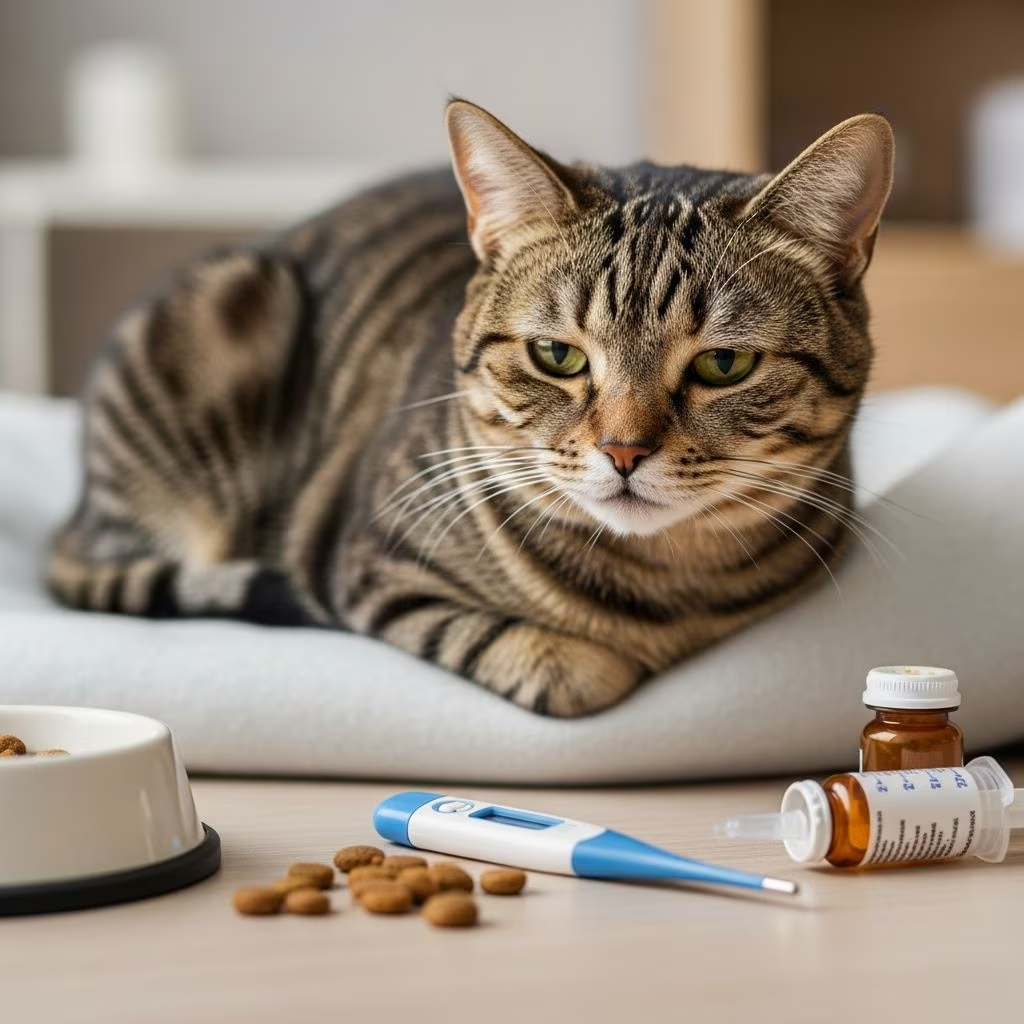
Understanding Gastroenteritis in Cats
Gastroenteritis is one of the most common conditions affecting domestic cats, characterized by inflammation of the stomach and intestines that typically manifests as vomiting and diarrhea. This condition can range from mild and self-limiting to severe and life-threatening, depending on the underlying cause and the individual cat’s response to treatment. Pet owners often encounter this condition at some point in their cat’s life, making it essential to understand its causes, symptoms, and appropriate management strategies.
The condition can affect cats of any age, breed, or gender, though some cats may be more predisposed than others based on their lifestyle, diet, and medical history. Understanding the fundamentals of gastroenteritis helps cat owners recognize when professional veterinary care is necessary and supports better communication with their veterinarian about their pet’s health needs.
Causes of Gastroenteritis in Cats
Gastroenteritis in cats can result from numerous different causes, which veterinarians typically categorize into infectious, non-infectious, and systemic causes. Identifying the underlying cause is crucial for developing an effective treatment plan.
Infectious Causes
Bacterial, viral, and parasitic infections represent significant causes of gastroenteritis in cats. Viral infections may include feline immunodeficiency virus (FIV), feline leukemia virus (FeLV), feline infectious peritonitis (FIP), and panleukopenia virus. Bacterial infections can stem from various pathogenic organisms, while parasitic infections include intestinal worms and protozoa such as Giardia and Cryptosporidium. These infectious agents damage the gastrointestinal mucosa and disrupt normal digestive function.
Dietary and Nutritional Factors
Dietary indiscretion—when cats eat inappropriate foods, garbage, food scraps, or non-food items like string or tinsel—represents one of the most common causes of acute gastroenteritis. Rapid changes in diet can also trigger gastrointestinal upset, as the digestive system requires time to adjust to new foods. Additionally, the presence of hairballs, food allergies, and food intolerances can precipitate inflammation and gastrointestinal distress in susceptible cats.
Toxin Exposure and Foreign Bodies
Ingestion of toxins represents another significant cause of gastroenteritis in cats. Common toxins include human medications (both over-the-counter and prescription), toxic foods, household cleaning products, insecticides, and certain plants. Foreign body obstruction, where cats ingest non-digestible items, can cause severe gastroenteritis and may require surgical intervention.
Underlying Systemic Diseases
Vomiting and diarrhea can occur secondary to various systemic diseases rather than primary gastrointestinal conditions. These include pancreatic disorders such as pancreatitis or pancreatic insufficiency, liver disease, kidney disease, diabetes, thyroid disease (particularly hyperthyroidism), and even neurological conditions. Additionally, inflammatory conditions including inflammatory bowel disease (IBD), allergic reactions, and autoimmune diseases can manifest as gastroenteritis symptoms.
Clinical Signs and Symptoms
The presentation of gastroenteritis in cats varies considerably depending on the underlying cause and severity of the condition. Pet owners should be alert to various clinical manifestations that may indicate their cat needs veterinary attention.
Primary Symptoms
The hallmark signs of gastroenteritis are vomiting and diarrhea. Cats may experience occasional episodes or persistent, repeated bouts of either condition. Some cats may display both simultaneously, while others may predominantly show one symptom over the other. The frequency, consistency, and appearance of vomit or feces can provide valuable diagnostic clues.
Secondary Clinical Signs
Beyond vomiting and diarrhea, cats with gastroenteritis may display:
- Depression or lethargy
- Loss of appetite or decreased food intake
- Abdominal pain or discomfort
- Excessive hairball production
- Bloody vomit (hematemesis)
- Bloody diarrhea (melena or hematochezia)
- Pale gums, which may indicate anemia
- Signs of dehydration
The presence of blood in vomit or feces, pale mucous membranes, or signs of severe abdominal pain warrant immediate veterinary evaluation, as these may indicate more serious complications or underlying conditions requiring urgent intervention.
Diagnosis of Gastroenteritis
Accurate diagnosis of gastroenteritis requires a systematic approach that combines clinical history, physical examination, and appropriate diagnostic testing. This process helps veterinarians identify the underlying cause and develop targeted treatment plans.
Initial Assessment
Your veterinarian will begin with a thorough history, asking about the onset of symptoms, diet, recent diet changes, potential toxin exposure, vaccination status, and any other relevant medical information. A complete physical examination follows, during which the veterinarian assesses your cat’s hydration status, body condition, and abdominal palpation for signs of pain or abnormalities.
Diagnostic Testing
Depending on the clinical presentation, various diagnostic tests may be recommended. A fecal analysis helps identify parasitic and protozoal infections. Blood work (complete blood count and serum chemistry panel) provides information about electrolyte balance, organ function, and the presence of systemic disease. Diagnostic imaging such as radiographs or ultrasound may be performed to identify foreign bodies, obstruction, or other structural abnormalities. In cases where initial diagnostics are inconclusive, endoscopy with biopsy may be necessary to visualize the gastrointestinal tract and obtain tissue samples for histopathology.
Treatment of Gastroenteritis in Cats
The treatment approach for feline gastroenteritis depends on the underlying cause, severity of symptoms, degree of dehydration, and individual patient factors. Most cases respond well to supportive care, though some may require specific medications or interventions.
Fluid and Electrolyte Therapy
The cornerstone of gastroenteritis treatment is rehydration and restoration of blood electrolyte balance, particularly sodium, potassium, and chloride. The method of fluid administration depends on the degree of dehydration. Cats with mild fluid deficits that are not actively vomiting may be managed with oral water intake or subcutaneous fluid administration. Moderate to severe dehydration cases typically require intravenous (IV) fluid and electrolyte replacement, often necessitating hospitalization. IV therapy provides rapid restoration of fluid balance and electrolyte normalization, which is critical for supporting organ function and promoting recovery.
Gastrointestinal Rest and Dietary Management
Initial management typically involves providing gastrointestinal rest by withholding food for a period, allowing the inflamed mucosa to begin healing. Once the cat stabilizes and vomiting subsides, feeding should resume gradually and cautiously. Early enteral feeding, or “feeding through diarrhea,” has been shown to help maintain intestinal integrity during recovery. An initial feeding target of 25 to 33 percent of the cat’s resting energy requirement (RER), divided into 3 to 6 small meals per day, may optimize recovery of the intestinal mucosa, with gradual increases as tolerated. Highly digestible therapeutic diets specifically formulated for gastrointestinal conditions promote faster healing and reduce further irritation.
Medications and Supportive Treatments
Several medications may be prescribed to manage gastroenteritis symptoms and address underlying causes:
Anti-emetic Medications
Anti-vomiting medications such as maropitant (Cerenia) or metoclopramide (Reglan) may be administered to control nausea and vomiting, which can interfere with recovery and nutrition.
Gastrointestinal Protectants
Medications like famotidine (Pepcid) or ranitidine (Zantac) may be used to protect the stomach lining and prevent ulceration, which can occur in severe cases.
Antibiotics
Antibiotics such as metronidazole or ampicillin may be administered if clinical signs are severe or if diagnostic tests suggest bacterial infection. However, most viral gastroenteritis cases resolve without antibiotics, and these medications are often held in reserve unless specifically indicated.
Antiparasitic and Antiprotozoal Agents
If parasites or protozoa are identified, appropriate dewormers or antiprotozoal medications will be prescribed.
Probiotics and Digestive Supplements
Probiotic supplements help restore healthy bacteria in the digestive tract, supporting gastrointestinal health and immune function. Anti-diarrheal supplements may also be recommended to help normalize bowel movements.
Recovery and Prognosis
Most cases of acute gastroenteritis in cats have a favorable prognosis with appropriate treatment. A cat with simple, acute gastroenteritis is expected to improve with symptomatic therapy within 48 hours. However, the timeline varies depending on the underlying cause and severity of the condition.
Transition Back to Normal Diet
Once gastroenteritis has resolved, a gradual transition to the cat’s normal diet should be undertaken over a 5 to 7-day period. This gradual reintroduction allows the gastrointestinal tract to adjust and reduces the risk of recurrent symptoms. Abrupt diet changes should be avoided during this recovery phase.
Chronic Cases and Complications
Complicated cases may require a more aggressive diagnostic approach to identify specific underlying causes and guide targeted treatment. Cats with inflammatory bowel disease or other chronic conditions require long-term management and may not resolve as quickly as simple acute cases. In these situations, ongoing monitoring, dietary management, and sometimes long-term medication may be necessary.
Prevention and Home Care
While not all cases of gastroenteritis can be prevented, several measures can reduce the risk in household cats. Keeping cats current with vaccines, parasite prevention, and routine veterinary care helps protect against infectious causes. Preventing access to inappropriate foods, toxic substances, and foreign materials reduces the risk of dietary indiscretion-related gastroenteritis. Gradual introduction of new foods and maintaining consistent, high-quality nutrition supports digestive health. Additionally, minimizing stress through environmental enrichment and maintaining routine can help support immune function and digestive wellness.
Frequently Asked Questions
Q: How long does it typically take for a cat to recover from gastroenteritis?
A: Most cats with simple, acute gastroenteritis improve within 48 hours with appropriate symptomatic treatment. However, recovery time varies depending on the underlying cause, severity of illness, and individual factors. Cats with chronic conditions like inflammatory bowel disease may require longer-term management.
Q: Is gastroenteritis in cats contagious to other cats or humans?
A: Some causes of feline gastroenteritis are infectious and can spread to other cats, particularly viral and parasitic causes. Most cases are not contagious to humans, though good hygiene practices are always recommended when handling cats with gastrointestinal illness.
Q: When should I take my cat to the veterinarian for gastroenteritis?
A: Seek veterinary attention if your cat experiences persistent vomiting or diarrhea lasting more than a few hours, shows signs of dehydration, has bloody vomit or stool, displays abdominal pain, refuses to eat, or shows other concerning symptoms. Kittens, senior cats, and cats with underlying health conditions should be evaluated promptly.
Q: Can I treat my cat’s gastroenteritis at home?
A: Mild cases of gastroenteritis may resolve with home care, including providing access to fresh water and withholding food temporarily. However, professional veterinary evaluation is recommended to rule out serious underlying conditions and ensure appropriate treatment.
Q: What dietary changes should I make during recovery from gastroenteritis?
A: Feed highly digestible therapeutic diets formulated for gastrointestinal conditions in small, frequent meals. Gradually transition back to your cat’s normal diet over 5 to 7 days once symptoms resolve.
References
- Gastroenteritis in Cats — VCA Animal Hospitals. 2024. https://vcahospitals.com/know-your-pet/gastroenteritis-in-cats
- Feline Acute Gastroenteropathy — Purina Institute. 2024. https://www.purinainstitute.com/centresquare/therapeutic-nutrition/feline-acute-gastroenteropathy
- Gastroenteritis in Cats: Types, Symptoms, and More — PetMD. 2024. https://www.petmd.com/cat/conditions/digestive/gastroenteritis-cats-types-symptoms-and-more
- Gastroenteritis in Cats – Causes, Treatment and Associated Conditions — Vetster. 2024. https://vetster.com/en/conditions/cat/gastroenteritis-in-cats
- Gastroenteritis in Cats — Pet Health Network. 2024. https://www.pethealthnetwork.com/cat-health/cat-diseases-conditions-a-z/gastroenteritis-cats



