

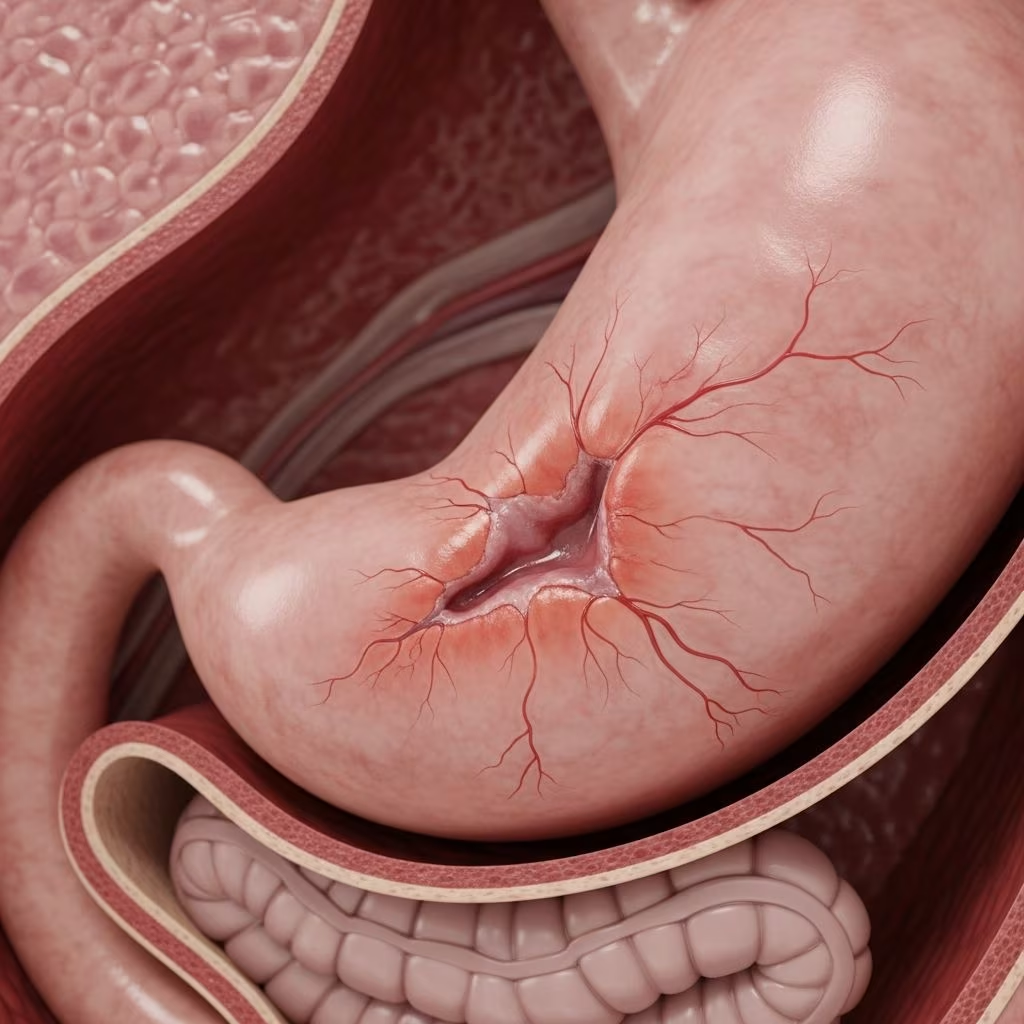
Gastric ulcers affect a significant number of horses, particularly those in intensive management or athletic pursuits. Known as Equine Gastric Ulcer Syndrome (EGUS), this condition arises when the stomach lining erodes due to acid exposure, leading to discomfort and performance issues. Early recognition and intervention are crucial for recovery and prevention of recurrence.
Understanding the Horse Stomach Anatomy
The equine stomach is a complex organ divided into two main regions: the non-glandular squamous mucosa near the entrance and the glandular mucosa towards the exit. The squamous area lacks protective mucus, making it vulnerable to splashing acid during fasting or exercise. In contrast, the glandular region produces mucus and bicarbonate for defense but can suffer from reduced blood flow or bile reflux.
Horses produce gastric acid continuously, even without food, which underscores the importance of frequent forage access to buffer pH through saliva and stomach distension. Disruptions in this balance often trigger ulceration.
Key Risk Factors for Ulcer Development
Several management and environmental elements heighten ulcer risk. Limited access to hay or pasture allows acid to contact unprotected mucosa directly. High-starch concentrates increase acid production and fermentation, while intense training elevates intra-abdominal pressure, splashing acid upwards.
- Prolonged fasting periods between meals
- Diets dominated by grains or pellets over forage
- Intense exercise regimens, such as racing or eventing
- Stall confinement, transport, or social isolation
- Intermittent water availability
- Prolonged use of non-steroidal anti-inflammatory drugs (NSAIDs)
Foals face unique risks, including irregular nursing and weaning stress, which can lead to severe cases if unchecked.
Recognizing Clinical Signs in Adult Horses
Symptoms in adults are often vague, mimicking other issues, which complicates detection. Owners may notice behavioral shifts or physical declines before severe pain emerges.
| Category | Common Signs |
|---|---|
| Appetite & Body Condition | Poor appetite, weight loss, dull coat |
| Behavior | Grinding teeth, cribbing, aggression, nervousness |
| Performance | Colic episodes, girth sensitivity, reduced stamina |
| Other | Chronic diarrhea, excessive lying down |
Performance horses may show resistance to aids or unwillingness to work, while pleasure horses exhibit subtle changes like selective eating.
Symptoms Specific to Foals and Young Horses
Foals display more overt distress. Signs include lying down frequently, interrupted nursing with pawing, diarrhea, teeth grinding, drooling, and a pot-bellied look. These indicate advanced ulceration requiring prompt veterinary attention.
Accurate Diagnosis Through Veterinary Examination
Gastroscopy remains the gold standard, using a flexible endoscope passed through the nose to visualize the stomach. Performed after fasting, it grades ulcers from 0 (normal) to 4 (severe bleeding or rupture risk). Squamous lesions appear as red craters in the upper stomach, while glandular ones cluster near the pylorus.
Veterinarians assess lesion type and extent to tailor treatment. Recheck scopes after 28 days confirm healing. Bloodwork or ultrasound rules out differentials like colic causes.
Primary Treatment Approaches
Treatment combines pharmacology with management overhaul. Proton pump inhibitors like omeprazole (e.g., GastroGard) block acid production effectively, healing most squamous ulcers in 21-28 days at full dose.
- Squamous ulcers: Omeprazole daily for 14-28 days based on severity
- Glandular ulcers: Omeprazole plus sucralfate (mucosal protectant) for 28-56 days
Dosing requires accurate weight; pastes are syringed orally. Half-dose omeprazole prevents recurrence in at-risk horses.
Management Changes Essential for Healing
Drugs alone fail without lifestyle adjustments. Provide free-choice hay to minimize acid exposure, limit grains to under 2kg per meal, and ensure constant water. Reduce stall time with turnout and stable routines to lower stress.
Alfalfa hay or buffers like antacids support pH balance. Avoid NSAIDs unless necessary, opting for alternatives.
Preventive Strategies for Long-Term Health
Prevention mirrors management changes. Maintain forage-based diets (1.5-2% body weight daily), split concentrates into small frequent meals, and incorporate rest days in training. Monitor high-risk groups like racehorses with periodic scoping.
| Strategy | Benefit |
|---|---|
| Ad lib forage | Buffers acid continuously |
| Low-starch feeds | Reduces acid spikes |
| Group housing | Lowers stress hormones |
| Regular exercise with rest | Prevents pressure buildup |
Nutritional Interventions and Supplements
Nutrition plays a pivotal role. High-calcium forages like alfalfa neutralize acid better than grass hay. Marine-derived supplements or pectin-lecithin complexes coat the mucosa. Always consult vets before adding products, as evidence varies.
Avoid over-supplementation; focus on balanced diets supporting hindgut health to prevent secondary issues from acid suppression.
Potential Complications and Prognosis
Untreated ulcers risk perforation, hemorrhage, or chronic pain, leading to weight loss and behavioral issues. With treatment, 80-90% heal fully, but 50% recur without changes. Foals recover well if addressed early.
FAQs on Equine Gastric Ulcers
Q: How common are gastric ulcers in horses?
A: Up to 90% of racehorses and 50% of foals show evidence on scoping, with lower rates in pasture-managed adults.
Q: Can ulcers cause sudden colic?
A: Yes, especially post-feeding in grain-heavy diets, due to acid irritation or spasm.
Q: Is omeprazole safe long-term?
A: Short courses are safe, but prolonged use may alter digestion; address root causes.
Q: How much hay prevents ulcers?
A: Aim for 1.5-2% of body weight daily, provided ad libitum.
Q: When should I scope my horse?
A: If signs persist despite deworming or dental checks, or routinely for athletes.
Monitoring and Follow-Up Care
Post-treatment, observe appetite, attitude, and performance. Recheck gastroscopy verifies healing. Gradual return to work prevents relapse. Annual wellness includes risk assessment.
This holistic approach ensures horses thrive, minimizing EGUS impact on health and careers.
References
- Gastric Ulcers | B&W Equine Vets — B&W Equine Vets. 2023. https://www.bwequinevets.co.uk/article/2/equine-gastric-ulcers-explained-specialist/
- 7 Common Causes of Gastric Ulcers in Horses — Mad Barn. 2024. https://madbarn.com/equine-gastric-ulcers/
- Equine Gastric Ulcer syndrome — Oaklands Veterinary Centre. 2023. https://oaklandsvetcentre.co.uk/equine/common-diseases/equine-gastric-ulcer-syndrome/
- Gastric Ulcer Syndrome in Horses: Causes, Symptoms & Treatment — Bluegrass Equine. 2024-07-23. https://www.bluegrassequine.com/site/blog/2024/07/23/gastric-ulcer-syndrome-horses
- Equine Gastric Ulcer Syndrome — UC Davis School of Veterinary Medicine. 2024. https://ceh.vetmed.ucdavis.edu/health-topics/equine-gastric-ulcer-syndrome



