

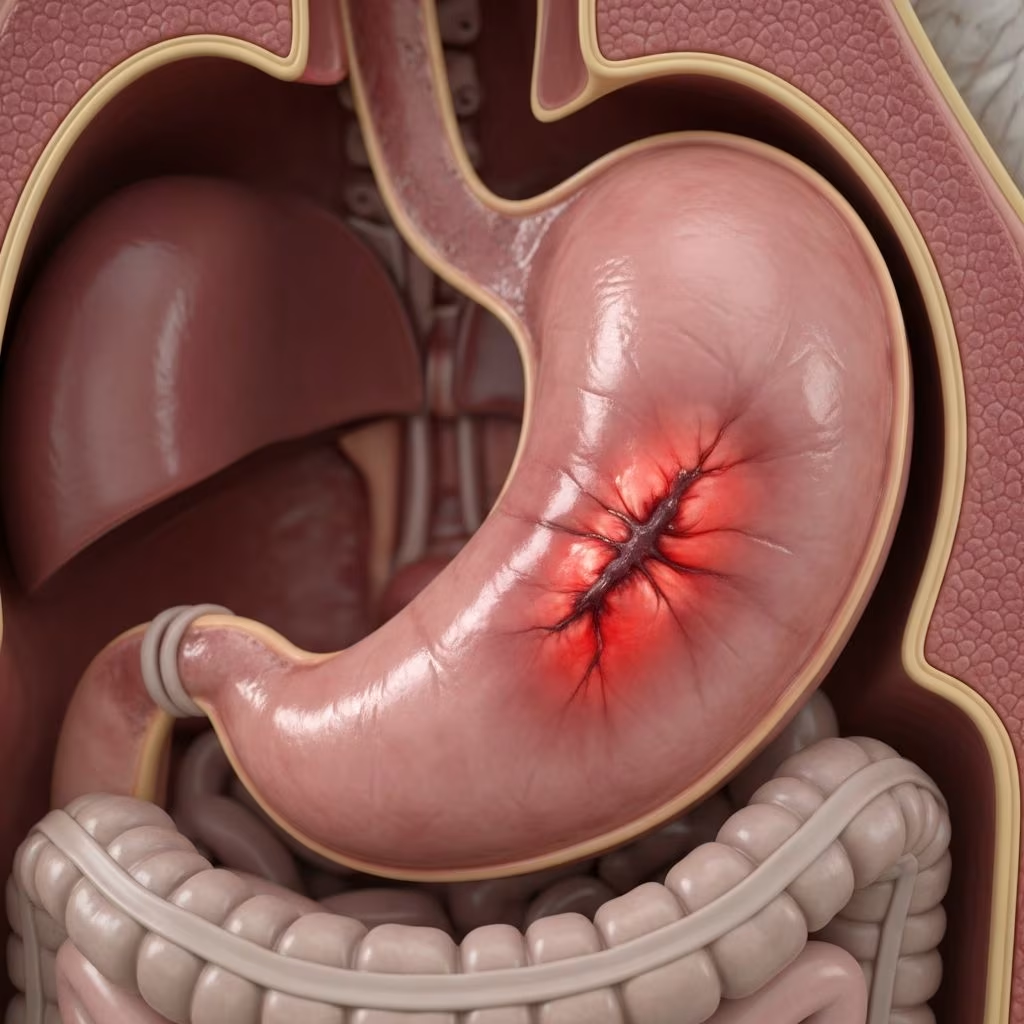
Gastric ulcers represent one of the most prevalent gastrointestinal conditions affecting horses of all ages and disciplines. The condition develops when the protective mechanisms of the stomach lining become compromised, exposing tissue to continuous acid production. Horse owners often observe behavioral changes, performance decline, or weight loss before recognizing this underlying condition. Early identification and comprehensive management significantly improve healing outcomes and reduce the likelihood of recurrent ulceration.
What Are Gastric Ulcers and How Do They Develop?
Equine Gastric Ulcer Syndrome (EGUS) describes the formation of erosions or ulcerations within the horse’s stomach lining. The condition arises from an imbalance between factors that promote mucosal damage and those that protect the stomach’s inner surface. Prolonged exposure to hydrochloric acid, pepsin, bile, and organic acids initiates this tissue breakdown process. Understanding the physiological foundation of ulcer development helps explain why certain management practices either increase or decrease risk.
The horse’s stomach functions as a continuous acid-producing organ, regardless of feeding status. Unlike human stomachs that produce acid primarily during digestion, equine stomachs maintain constant acid secretion throughout the day and night. This adaptation evolved to support the horse’s natural grazing behavior, where small amounts of feed continuously enter the stomach over many hours. The stomach lining produces protective mucus and bicarbonate secretions that neutralize acid and shield underlying tissue. When feeding patterns deviate significantly from this evolved design, protective mechanisms become overwhelmed, creating conditions favorable for ulcer formation.
Key Risk Factors for Ulcer Development in Horses
Multiple management and dietary factors contribute to elevated gastric ulcer risk. Recognizing these contributors allows horse owners to implement preventive modifications:
Feeding Patterns and Nutritional Composition
Extended periods without forage represent the most significant dietary risk factor. Horses are adapted for near-continuous grazing, which maintains stomach fill and promotes saliva production—both critical acid-buffering mechanisms. When horses experience prolonged fasting or restricted feed access, gastric acid contacts the stomach lining without adequate protection. Diets high in grain and pelleted concentrates while low in roughage amplify this risk, as high-starch meals provide rapid gastric transit without sustained buffering. Straw feeding, though providing some forage volume, offers less protective benefit than quality hay.
Exercise and Physical Stress
Intense training and competition create both mechanical and physiological stress on the digestive system. High-intensity exercise diverts blood flow away from the gastrointestinal tract toward working muscles, reducing mucus and bicarbonate production. Additionally, strenuous activity increases cortisol and other stress hormones that alter stomach function and acid secretion patterns.
Environmental and Behavioral Stressors
Transport, stall confinement, housing changes, and reduced equine companionship generate psychological stress that predisposes horses to ulcer development. Horses are herd animals with specific social needs; isolation or frequent environmental alterations trigger stress responses that compromise gastric mucosal protection. Limited access to fresh water further exacerbates risk by reducing hydration and acid buffering capacity.
Medication-Related Risk
Non-steroidal anti-inflammatory drugs (NSAIDs), when used at high doses for extended periods, increase ulcer susceptibility by impairing the stomach’s protective secretions and mucosal blood flow. Horses receiving chronic pain management with these medications require enhanced preventive strategies.
Clinical Presentation: Recognizing Ulcer Signs
Gastric ulcers manifest through diverse clinical signs that often appear subtle or nonspecific, complicating early recognition. Some horses display obvious symptoms while others show only behavioral changes that owners might misattribute to training or attitude issues.
Common Behavioral and Performance Indicators
- Poor appetite or selective eating behaviors
- Weight loss and deteriorating body condition despite adequate feed
- Dull temperament and reduced enthusiasm for work
- Resistance to normal riding aids or girthing
- Unwillingness to perform at previous fitness levels
- Increased anxiety or nervous disposition
- Aggressive or irritable behavior toward other horses or handlers
- Teeth grinding (bruxism)
- Stereotypic behaviors such as cribbing or wind-sucking
Gastrointestinal Symptoms
Digestive manifestations provide more direct evidence of gastric compromise. Horses may experience acute or recurring colic episodes, particularly after consuming high-grain meals or during fasting periods. Chronic diarrhea often accompanies more severe ulceration, as does excessive salivation. Some horses exhibit increased recumbency—lying down more frequently—or adopt abnormal urination positions such as excessive stretching.
Coat and Nutritional Status Changes
The horse’s external appearance frequently reflects internal gastric dysfunction. A rough, dull coat lacking normal shine indicates poor nutrient absorption and systemic health decline. Girth sensitivity, where horses react painfully to girth pressure, correlates with gastric inflammation affecting regional pain perception.
Foal-Specific Clinical Presentations
Young foals demonstrate different symptom patterns than adult horses. Affected foals may show intermittent colic episodes following nursing or eating, frequent periods of recumbency, reduced nursing frequency, diarrhea, poor appetite, and a pot-bellied appearance. Teeth grinding and excess salivation in foals warrant immediate veterinary evaluation, as these signs indicate severe ulceration requiring urgent intervention.
Diagnostic Confirmation: Gastroscopy
Gastroscopy remains the definitive diagnostic method for identifying and grading gastric ulcers. This endoscopic procedure allows direct visualization of the stomach lining, enabling veterinarians to assess ulcer location, severity, and type. The examination determines whether ulcers affect the squamous (upper, acid-exposed) region or the glandular (lower, acid-secreting) region—a distinction critical for treatment planning.
Pre-examination fasting is essential for clear visualization. Veterinarians typically recommend withholding feed for 6-8 hours prior to the procedure. The endoscope passes through the mouth and esophagus into the stomach, allowing detailed assessment without invasive surgery. Identifying the ulcer classification guides treatment duration expectations; squamous ulcers typically heal within 14-28 days depending on severity, while glandular ulcers require longer treatment periods of 28-56 days.
Treatment Approaches: Medication and Management
Successful ulcer management combines pharmaceutical intervention with systematic modifications to feeding, exercise, and environmental factors. Neither medication alone nor management changes exclusively resolve the condition; comprehensive treatment addressing all contributors produces optimal healing and prevents recurrence.
Pharmaceutical Intervention with Omeprazole
Omeprazole stands as the gold-standard medication for equine gastric ulcer treatment. This proton pump inhibitor functions by blocking the final step of acid secretion in the stomach, significantly reducing gastric acidity and creating a less corrosive environment supporting tissue repair. The medication is administered orally, typically as a paste delivered into the horse’s mouth once daily.
Treatment duration depends on ulcer severity and type. Widespread shallow squamous lesions may heal within 14-21 days, while more focal or deep ulcers require the full 28-day treatment period. Glandular ulcers demand extended therapy of 28-56 days to achieve complete healing. Veterinarians tailor treatment protocols based on gastroscopic findings and the horse’s individual response.
Several omeprazole formulations specifically developed for equine use are available, such as GastroGard® and UlcerGard®. Using equine-specific formulations ensures appropriate drug delivery and absorption compared to human preparations. Accurate dosing requires knowing the horse’s exact body weight; owners must work with veterinarians to calculate correct doses for their individual animals.
Adjunctive Medications
Sucralfate, a mucosal protectant, demonstrates particular benefit for glandular ulcers in combination with omeprazole. This medication adheres to damaged tissue and creates a protective coating against acid exposure, complementing the acid-reduction strategy provided by omeprazole. Treatment with this combination typically extends 28-56 days depending on ulcer extent.
Critical Treatment Limitations
While pharmaceutical intervention effectively reduces acid exposure and facilitates healing, important limitations warrant acknowledgment. Medications address the symptom of excessive acidity rather than correcting underlying causative factors. Once treatment concludes and acid production resumes, ulcers frequently recur if the risk factors that initially caused ulceration remain unaddressed. Prolonged acid suppression may also alter normal digestive processes, potentially allowing increased undigested protein to reach the hindgut where bacterial fermentation can create secondary digestive disturbances. Reduced stomach acidity may additionally compromise the stomach’s natural barrier against ingested pathogens.
Management Modifications for Ulcer Prevention and Recovery
Sustainable ulcer resolution requires systematic changes to how horses are fed, housed, exercised, and managed. These modifications address the root causes of ulcer development rather than merely treating symptoms.
Optimizing Feeding Practices
Forage-based feeding with minimal fasting intervals represents the foundation of ulcer prevention and recovery management. Increasing hay availability or converting to pasture grazing when possible restores the continuous intake pattern for which horses evolved. Even modest increases in forage intake and reductions in fasting duration measurably decrease acid exposure and ulcer risk.
Evaluating grain and concentrate composition helps minimize starch-induced stress on gastric function. Lower-starch alternatives including senior feeds, complete feeds balancing forage and concentrates, or oil-based caloric sources provide necessary nutrition while reducing rapid gastric transit and acid stimulation. Horses requiring high caloric input for competition or maintenance can achieve adequate energy through increased quality forage supplemented with smaller quantities of carefully selected concentrates distributed throughout the day.
Environmental and Housing Considerations
Maximizing turnout time and providing consistent daily contact with other horses supports psychological wellbeing and stress reduction. Horses kept in stalls with limited social interaction experience elevated stress hormones that impair gastric protection. When individual housing is necessary, visual contact with neighboring horses and scheduled turnout substantially mitigate psychological stress.
Maintaining consistent daily routines minimizes disruption-related stress. Changes to feeding times, exercise schedules, or housing arrangements should occur gradually when possible. Transport-associated stress requires particular attention; horses undergoing frequent travel benefit from enhanced nutritional and management support during these high-stress periods.
Water Access and Hydration
Consistent access to fresh, clean water supports multiple protective mechanisms. Adequate hydration promotes saliva production, improves mucosal secretion, and facilitates normal digestive processes. Restricting water access during competition or training should be minimized; horses should drink freely except in unusual circumstances where post-exercise drinking is temporarily limited to prevent colic.
Exercise and Training Management
Gradually increasing exercise intensity rather than sudden high-intensity training sessions reduces digestive system stress. Allowing adequate recovery periods between intense workouts supports overall gastrointestinal health. Feeding timing relative to exercise also matters; heavy meals immediately before strenuous activity increase ulcer risk. Light training on empty or partially full stomachs, with feeding occurring after exercise, aligns with horses’ digestive physiology.
Prevention Strategies for At-Risk Horses
Horses under chronic stress due to training, competition, or medical conditions benefit from preventive management. Low-dose omeprazole administered at half the therapeutic dose can prevent ulcer recurrence in susceptible individuals. This preventive strategy particularly benefits competition horses, those receiving long-term NSAID therapy, or animals with documented ulcer history.
Beyond pharmaceutical prevention, maintaining the management modifications outlined above provides ongoing protection. Regular veterinary monitoring through periodic gastroscopy in high-risk horses allows early detection of ulcer development before clinical signs become severe.
Post-Treatment Follow-Up and Recurrence Prevention
Confirming complete healing through repeat gastroscopy following the treatment period validates successful ulcer resolution. This recheck examination typically occurs after the full course of omeprazole therapy, ensuring tissue repair is complete before discontinuing medication.
Preventing recurrence requires sustained commitment to the management modifications that reduced initial ulcer risk. Horses returning to previous feeding or stress-inducing management practices frequently experience ulcer recurrence within weeks or months. Owners must view ulcer management as an ongoing lifestyle adjustment rather than a short-term medical intervention.
Conclusion
Gastric ulcers in horses represent a manageable condition when approached comprehensively through combined pharmaceutical and management interventions. While omeprazole effectively facilitates healing, sustainable resolution depends on addressing the feeding, housing, and stress-related factors underlying ulcer development. Working closely with veterinarians to customize treatment protocols and implement appropriate management changes improves outcomes and supports long-term gastric health in affected horses.
References
- Equine Gastric Ulcers Explained: Specialist Perspective — B&W Equine Vets. Accessed February 2026. https://www.bwequinevets.co.uk/article/2/equine-gastric-ulcers-explained-specialist/
- 7 Common Causes of Gastric Ulcers in Horses — Mad Barn. Accessed February 2026. https://madbarn.com/equine-gastric-ulcers/
- Equine Gastric Ulcer Syndrome — Oaklands Veterinary Centre. Accessed February 2026. https://oaklandsvetcentre.co.uk/equine/common-diseases/equine-gastric-ulcer-syndrome/
- Gastric Ulcer Syndrome in Horses: Causes, Symptoms & Treatment — Bluegrass Equine. July 23, 2024. https://www.bluegrassequine.com/site/blog/2024/07/23/gastric-ulcer-syndrome-horses
- Equine Gastric Ulcer Syndrome — School of Veterinary Medicine, UC Davis. Accessed February 2026. https://ceh.vetmed.ucdavis.edu/health-topics/equine-gastric-ulcer-syndrome
- Stomach (Gastric) Ulcers in Horses — Merck Veterinary Manual. Accessed February 2026. https://www.merckvetmanual.com/horse-owners/digestive-disorders-of-horses/stomach-gastric-ulcers-in-horses
- Equine Gastric Ulcer Syndrome: An Update on Current Knowledge — PubMed Central, National Center for Biotechnology Information. Accessed February 2026. https://pmc.ncbi.nlm.nih.gov/articles/PMC10093336/



