

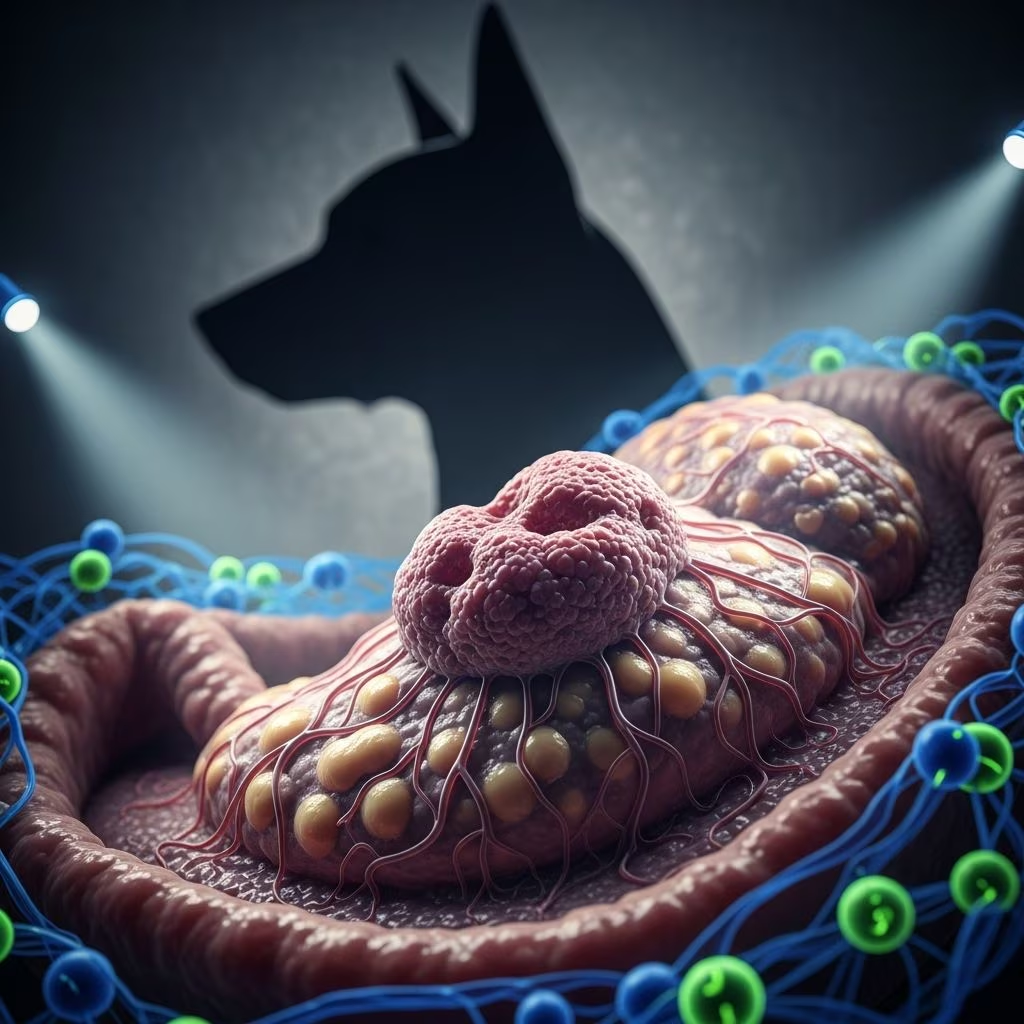
Gastric cancer, though uncommon in dogs, poses significant challenges due to its subtle onset and aggressive progression. Affecting less than 1% of canine cancers, this condition often manifests through nonspecific digestive disturbances that mimic everyday ailments. Early vigilance is crucial, as timely intervention can markedly influence survival rates and comfort levels.
Understanding the Nature of Stomach Tumors in Dogs
Stomach tumors in dogs primarily fall into two categories: adenocarcinoma, the predominant malignant form originating from glandular tissues, and lymphoma, a lymphoid malignancy that can infiltrate the gastric wall. Adenocarcinomas tend to be aggressive, ulcerating lesions prone to bleeding, while lymphomas may present as diffuse thickenings or localized masses. These neoplasms disrupt normal gastric function, leading to impaired digestion and systemic effects.
Risk factors remain elusive, with no definitive links to diet or environment established, though certain processed foods containing nitrosamines may pose minor elevations in susceptibility. Breeds such as Norwegian Lundehunds show predisposition, but the condition spans all demographics, particularly striking older dogs beyond seven years.
Recognizing Early Indicators of Gastric Malignancy
The insidious nature of gastric cancer means symptoms emerge gradually, often dismissed as minor indigestion. Owners must note persistent changes persisting beyond a week.
- Persistent Vomiting: Frequent regurgitation, especially post-meal, escalating to blood-tinged or coffee-ground-like material from ulcerated tumors.
- Anorexia and Weight Loss: Refusal of food coupled with rapid emaciation, exceeding 10% body weight in short spans.
- Melena: Black, tarry stools signaling upper gastrointestinal hemorrhage.
- Excessive Salivation: Profuse drooling indicative of nausea.
- Abdominal Discomfort: Guarding, whining, or sensitivity upon palpation.
- Lethargy and Behavioral Shifts: Reduced activity, indoor accidents, or excessive licking.
- Anemia Signs: Pale gums, weakness from chronic blood loss.
- Altered Stool Patterns: Diarrhea, constipation, or foul odors from maldigestion or obstruction.
These manifestations overlap with gastritis or dietary indiscretions, underscoring the need for professional evaluation when chronic.
Diagnostic Pathways for Confirming Gastric Cancer
Veterinarians employ a multi-modal approach to differentiate gastric cancer from benign conditions. Initial assessment includes history review and physical exam, probing for chronic vomiting or palpable masses.
Imaging Techniques:
- Radiography with barium contrast outlines gastric irregularities.
- Ultrasonography detects wall thickening, masses, or lymphadenopathy.
- Endoscopy facilitates direct visualization and biopsy procurement.
Biopsy remains gold standard, with histopathology classifying tumor type and grade. Bloodwork reveals anemia, elevated inflammatory markers, or organ dysfunction. Advanced staging via CT scans assesses metastasis to lymph nodes, liver, or peritoneum.
Treatment Modalities: From Surgery to Supportive Care
Management hinges on tumor stage, type, and patient status. Curative intent applies to localized disease; palliative strategies suit advanced cases.
Surgical Interventions
Gastrectomy, excising up to 70% of the stomach, offers best prognosis for non-metastatic adenocarcinomas. Partial or subtotal resections restore function, with survival extending 1-2 years post-op in select cases. Risks include anesthesia complications in seniors and post-surgical leakage.
Adjuvant Chemotherapy
For metastatic or inoperable tumors, chemotherapy targets residual cells. Protocols administer drugs like carboplatin or doxorubicin intravenously every 2-3 weeks for 4-5 cycles. Outpatient sessions last ~90 minutes, with minimal side effects: transient anorexia or vomiting, sans alopecia.
Radiation Therapy Applications
Rarely primary due to adjacent organ risks, radiation suits unresectable localized masses. Fractionated doses over 3-4 weeks under sedation induce tumor regression, though side effects encompass fatigue and dermatitis.
Holistic and Palliative Measures
Complementary therapies—acupuncture, herbal supplements, nutritional modulation—alleviate symptoms. Gastroprotectants, antiemetics, and pain management enhance comfort in terminal stages.
| Treatment Type | Indications | Pros | Cons |
|---|---|---|---|
| Surgery | Localized, resectable | Potentially curative | Invasive, anesthesia risks |
| Chemotherapy | Metastatic, adjuvant | Systemic control | Mild GI upset |
| Radiation | Unresectable local | Non-surgical shrinkage | Organ damage risk |
| Palliative | Advanced/end-stage | Quality of life | Symptom-focused only |
Prognostic Outlook and Survival Statistics
Prognosis varies starkly: early surgical candidates achieve median survival of 100-200 days, versus mere weeks untreated. Metastatic disease halves these figures. Lymphoma responds better to chemo, occasionally yielding remission.
Quality of life metrics guide euthanasia decisions, prioritizing pain-free days over mere longevity.
Preventive Strategies and Routine Monitoring
Absence of proven preventives emphasizes proactive care: annual senior wellness exams with imaging for at-risk breeds. High-quality, nitrosamine-free diets and prompt attention to GI upset aid early detection.
Frequently Asked Questions (FAQs)
What triggers stomach cancer in dogs?
No singular cause; genetics and age predominate, with minimal dietary correlations.
Can gastric cancer be cured?
Possible with early, aggressive surgery; advanced cases focus on palliation.
How quickly does it progress?
Months from onset to overt symptoms, hastened by ulceration.
Is chemo painful for dogs?
Generally well-tolerated, with brief, manageable side effects.
What breeds are vulnerable?
Large and giant breeds, plus Norwegian Lundehunds.
Navigating the Emotional Journey as a Pet Owner
Diagnosis evokes grief; support groups and counseling aid coping. Celebrate bonds through tailored care plans honoring your companion’s spirit.
References
- Signs and Symptoms of Stomach Cancer in Dogs — BluePearl Pet Hospital. 2023. https://bluepearlvet.com/medical-articles-for-pet-owners/signs-and-symptoms-of-stomach-cancer-in-dogs/
- A Pet Owners Guide to Stomach Cancer in Dogs — Total.Vet. 2024. https://total.vet/stomach-cancer-in-dogs/
- Stomach Tumors (Epithelial) — VCA Animal Hospitals. 2023. https://vcahospitals.com/know-your-pet/stomach-tumors-epithelial
- Stomach Cancer in Dogs — DogCancer.com. 2024. https://www.dogcancer.com/articles/types-of-dog-cancer/stomach-cancer-in-dogs/
- Canine Gastric Cancer: Current Treatment Approaches — PMC – NIH. 2022-08-15. https://pmc.ncbi.nlm.nih.gov/articles/PMC9394467/



