

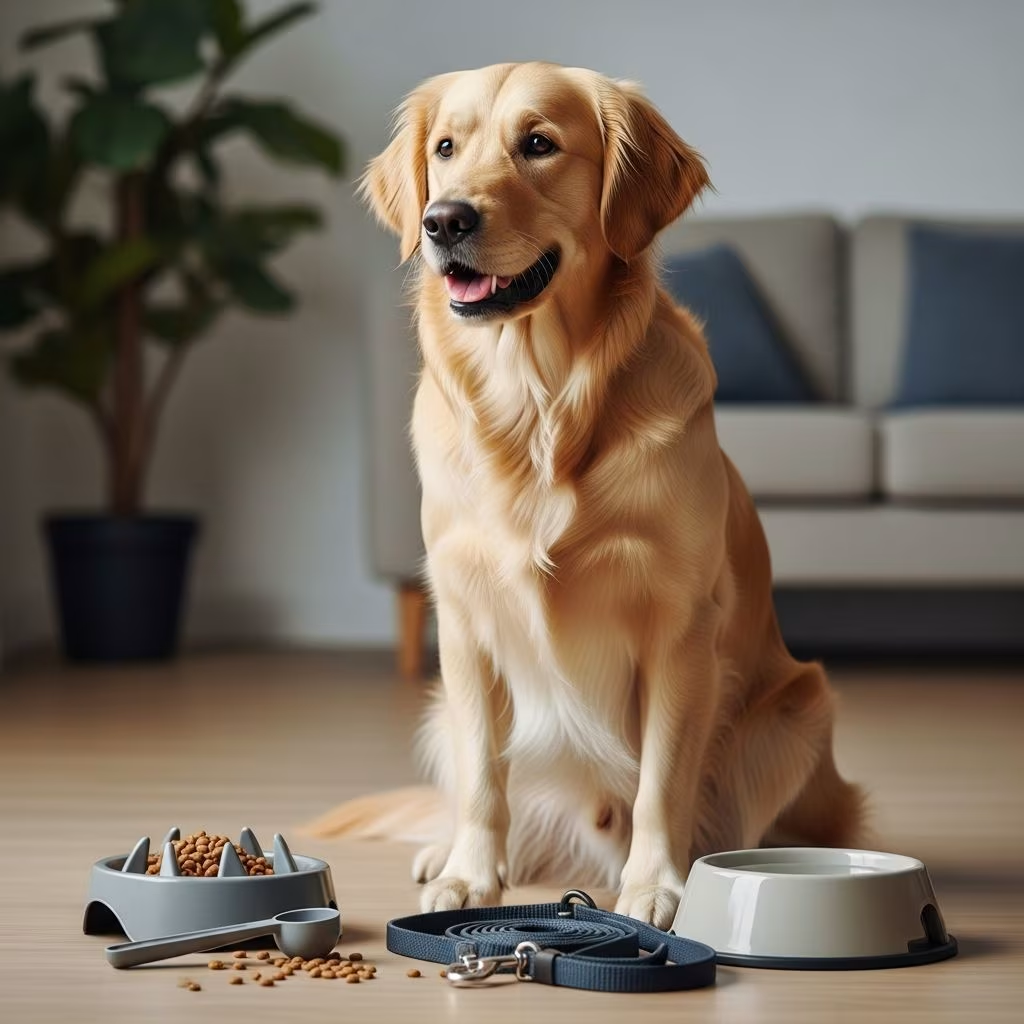
Bloat, medically known as gastric dilatation-volvulus (GDV), represents one of the most serious health emergencies a dog owner can encounter. This life-threatening condition develops when a dog’s stomach fills with excess air, food, or fluid and can rapidly twist on itself, cutting off blood circulation to vital organs. Unlike many health conditions that develop gradually, bloat can progress from initial symptoms to a critical state within mere hours, making awareness and prevention crucial for responsible pet ownership.
Understanding bloat’s mechanisms, recognizing early warning signs, and implementing preventive measures can significantly improve your dog’s chances of survival should this emergency occur. While not every case of bloat is entirely preventable, numerous evidence-based strategies can substantially reduce your dog’s risk of developing this dangerous condition.
Understanding How Bloat Develops in Canine Patients
When excess air enters a dog’s stomach, the organ begins to expand beyond its normal capacity. As the stomach stretches, the openings at both ends—the cardia (entrance) and pylorus (exit)—progressively close, trapping the air inside. This creates a dangerous situation where the pressurized stomach cannot expel the trapped gas naturally.
The expanding stomach exerts increasing pressure on surrounding organs and blood vessels, severely compromising circulation to the abdomen and stomach itself. This reduced blood flow deprives tissues and organs of oxygen and essential nutrients, initiating a cascade of cellular damage. In some cases, the stomach actually rotates or twists on its axis, a phenomenon called volvulus, which further restricts blood flow and intensifies the emergency.
When the pancreas experiences oxygen deprivation, it may produce toxic hormones capable of stopping the heart entirely. The spleen, intestines, and hind legs can all suffer from inadequate blood supply, leading to tissue death and potentially fatal complications even after emergency veterinary treatment.
Recognizing the Critical Warning Signs
Early detection of bloat dramatically increases survival chances, making symptom recognition essential for dog owners. Bloat develops suddenly and without obvious triggers, so understanding both mild and severe symptoms is vital.
Initial Symptoms
- Restlessness and pacing: Dogs may appear unable to settle, constantly moving around or changing positions.
- Anxiety and distress: Your dog may seem uncomfortable without clear cause, displaying nervous behavior.
- Excessive drooling: Noticeably increased salivation can indicate early-stage bloat.
- Unproductive retching: The dog attempts to vomit but expels only foam or nothing at all.
- Abdominal discomfort: Your dog may whine, grunt, or resist touch to the belly area.
Progressive and Severe Symptoms
- Abdominal swelling: The stomach may appear visibly distended, though this isn’t always immediately apparent.
- Abnormal posture: Dogs often lower their front body while raising their hindquarters, an arc-like stance indicating pain.
- Breathing difficulties: The expanded stomach presses against the diaphragm, causing shallow or rapid breathing.
- Rapid panting: Excessive panting and rapid respiration indicate severe distress.
- Pale gums: Gum color paling indicates poor circulation and is an emergency sign.
- Racing heartbeat: A noticeably elevated heart rate suggests the dog is in shock.
- Collapse or inability to stand: The dog may become too weak to remain upright.
Any dog displaying these symptoms requires immediate emergency veterinary care. Do not delay seeking professional help hoping symptoms will resolve independently. Bloat progresses rapidly, and veterinary intervention within the first hours significantly improves survival outcomes.
Identifying Dogs at Elevated Risk
While any dog can develop bloat, certain characteristics and factors substantially increase vulnerability.
Breed Predisposition
Large and giant breed dogs face considerably higher bloat risk than small breeds. Breeds with deep, narrow chests are particularly susceptible. High-risk breeds include:
- Great Danes
- Saint Bernards
- Standard Poodles
- Weimaraners
- German Shepherds
- Doberman Pinschers
- Irish Setters
- Gordon Setters
- Boxers
- Bernese Mountain Dogs
- Doodle mixes (Goldendoodles, Labradoodles, Bernedoodles)
Age and Sex Factors
Senior dogs face substantially higher bloat risk than younger animals, with risk increasing progressively with age. Male dogs develop bloat much more frequently than females.
Eating and Drinking Behaviors
Consumption patterns significantly influence bloat development. Dogs that gulp food or water rapidly, consume meals in one large sitting rather than multiple smaller portions, or drink excessively in short periods face elevated risk. Dogs eating only dry food or consuming high-fat diets may also be more susceptible.
Physical Activity Timing
Vigorous exercise immediately before or shortly after meals substantially increases bloat risk. The combination of a full stomach and intense physical activity creates dangerous conditions within the digestive tract.
Environmental and Psychological Factors
Stress, anxiety, and high-stress environments such as boarding facilities may contribute to bloat development. Additionally, dogs with family histories of bloat inherit genetic predispositions that elevate their personal risk.
Overweight or Underweight Status
Both obesity and being significantly underweight can increase bloat susceptibility.
Modifying Feeding Practices for Prevention
Strategic adjustments to feeding routines represent one of the most effective bloat prevention approaches available to dog owners.
Meal Frequency and Portion Sizes
Rather than feeding one large meal daily, divide your dog’s total daily food intake into two or more smaller meals spaced throughout the day. This approach reduces the volume of food and air entering the stomach at any single time, significantly decreasing bloat risk. Smaller meals also promote better digestion and nutrient absorption.
Feeding Equipment Selection
Contrary to earlier recommendations, raised food bowls may actually increase bloat risk for large breed dogs and should generally be avoided unless specifically recommended by your veterinarian for orthopedic reasons. Standard-height bowls allow more natural feeding postures. Additionally, consider using slow-feeder bowls or puzzle feeders designed to discourage rapid consumption. These specialized bowls force dogs to eat more slowly, reducing the amount of air swallowed during meals.
Water Consumption Management
Never allow your dog to drink large quantities of water in a single session. Instead, provide water throughout the day in measured amounts. After meals, restrict immediate water access for 30-60 minutes, then offer water in controlled portions.
Dietary Composition
Monitor your dog’s diet composition, particularly fat content. Foods high in fat may increase bloat risk for susceptible dogs. Discuss optimal dietary choices with your veterinarian, considering your dog’s age, size, health status, and individual risk factors.
Exercise and Activity Management
Timing physical activity relative to meals plays a critical role in bloat prevention. Establish consistent routines that minimize the risk window when the stomach is most vulnerable.
- Wait at least 1-2 hours after meals before engaging in vigorous exercise or play.
- Avoid strenuous activity on a full stomach entirely.
- If your dog exercises before meals, wait at least 30-60 minutes before feeding.
- Keep meal times calm and predictable to reduce stress during digestion.
- Establish regular daily activity schedules that your dog can anticipate.
Stress Reduction Strategies
Since anxiety and stress appear to contribute to bloat development, creating a calm environment supports prevention efforts. Minimize exposure to high-stress situations when possible, provide safe spaces where your dog can retreat, maintain consistent daily routines, and consider anxiety-reduction techniques recommended by your veterinarian or a certified animal behaviorist.
Regular Veterinary Monitoring
Dogs at elevated bloat risk benefit from proactive veterinary discussions about their individual circumstances. Your veterinarian can assess your dog’s specific risk factors and recommend tailored prevention strategies. For extremely high-risk dogs, your veterinarian might discuss surgical preventive options such as gastropexy, a procedure that tacks the stomach in place to prevent rotation.
Emergency Preparedness
Despite prevention efforts, bloat can still occur. Preparation ensures you respond effectively:
- Know the location of your nearest emergency veterinary facility.
- Keep your veterinarian’s after-hours emergency contact information readily accessible.
- Learn to recognize early bloat symptoms specific to your dog’s behavior.
- Establish a plan for rapid transportation to emergency care.
- Discuss bloat symptoms and emergency protocols with family members.
- Consider pet insurance or emergency funds for potential bloat treatment, which requires immediate surgery.
Frequently Asked Questions About Dog Bloat
Can small dogs develop bloat?
While bloat occurs far more frequently in large and giant breeds, small dogs can theoretically develop this condition. However, small breed bloat is exceptionally rare, and most prevention strategies focus on higher-risk large breeds.
Is bloat always fatal?
Bloat is not automatically fatal with prompt emergency veterinary treatment. However, it requires immediate surgery and carries significant mortality risk even with aggressive treatment. Survival rates improve substantially when treatment begins within the first few hours of symptom onset.
Can bloat be prevented entirely?
No prevention strategy eliminates bloat risk completely, as the precise causes remain incompletely understood. However, implementing multiple prevention strategies substantially reduces the likelihood of this condition developing in susceptible dogs.
Should I feed my dog before or after exercise?
Feed your dog at least 1-2 hours before vigorous exercise or at least 30-60 minutes after exercise concludes. This timing reduces bloat risk while ensuring your dog has adequate energy and avoiding digestive discomfort during activity.
What should I do if I suspect my dog has bloat?
Contact your veterinarian or emergency veterinary facility immediately. Do not wait for symptoms to worsen or hope they resolve spontaneously. Bloat is a true medical emergency requiring immediate professional intervention.
Summary of Prevention Essentials
Protecting your dog from bloat requires a multi-faceted approach incorporating dietary modifications, appropriate exercise timing, stress management, and environmental optimization. While large breed dogs and those with family histories of bloat face elevated risk, all dog owners should understand bloat symptoms and prevention strategies. By implementing evidence-based preventive measures and remaining vigilant for early warning signs, you significantly enhance your dog’s chances of avoiding this life-threatening emergency and living a longer, healthier life.
References
- Signs Your Dog May Have Bloat — Murrayville Mixed Animal Clinic. Retrieved January 2026. https://www.murrayvillemixedanimalclinic.com/articles/919965-april-newsletter-signs-your-dog-may-have-bloat
- Gastric Dilatation-Volvulus (Bloat) — Veterinary Medical Center of CNY. Retrieved January 2026. https://vmccny.com/gastric-dilatationvolvulus-bloat/
- Understanding Canine Bloat: Essential Insights — Willow Glen Pet Hospital. Retrieved January 2026. https://willowglenpethospital.com/understanding-canine-bloat/
- Bloat in Dogs: Recognizing the Symptoms of Gastric Dilatation-Volvulus — Peak Pet Urgent Care. Retrieved January 2026. https://peakpeturgentcare.com/bloat-in-dogs-recognizing-the-symptoms-of-gastric-dilatation-volvulus/
- Bloat in Dogs — PetMD. Retrieved January 2026. https://www.petmd.com/dog/conditions/digestive/bloat-in-dogs
- Bloat in Dogs: Symptoms and Treatment of Bloat — Blue Cross. Retrieved January 2026. https://www.bluecross.org.uk/advice/dog/health-and-injuries/bloat-in-dogs
- GDV in Dogs: Recognizing the Urgent Signs of Bloat — Golden State Veterinary Specialty Services. Retrieved January 2026. https://gsvs.org/blog/gdv-in-dogs-bloat-emergency/



