

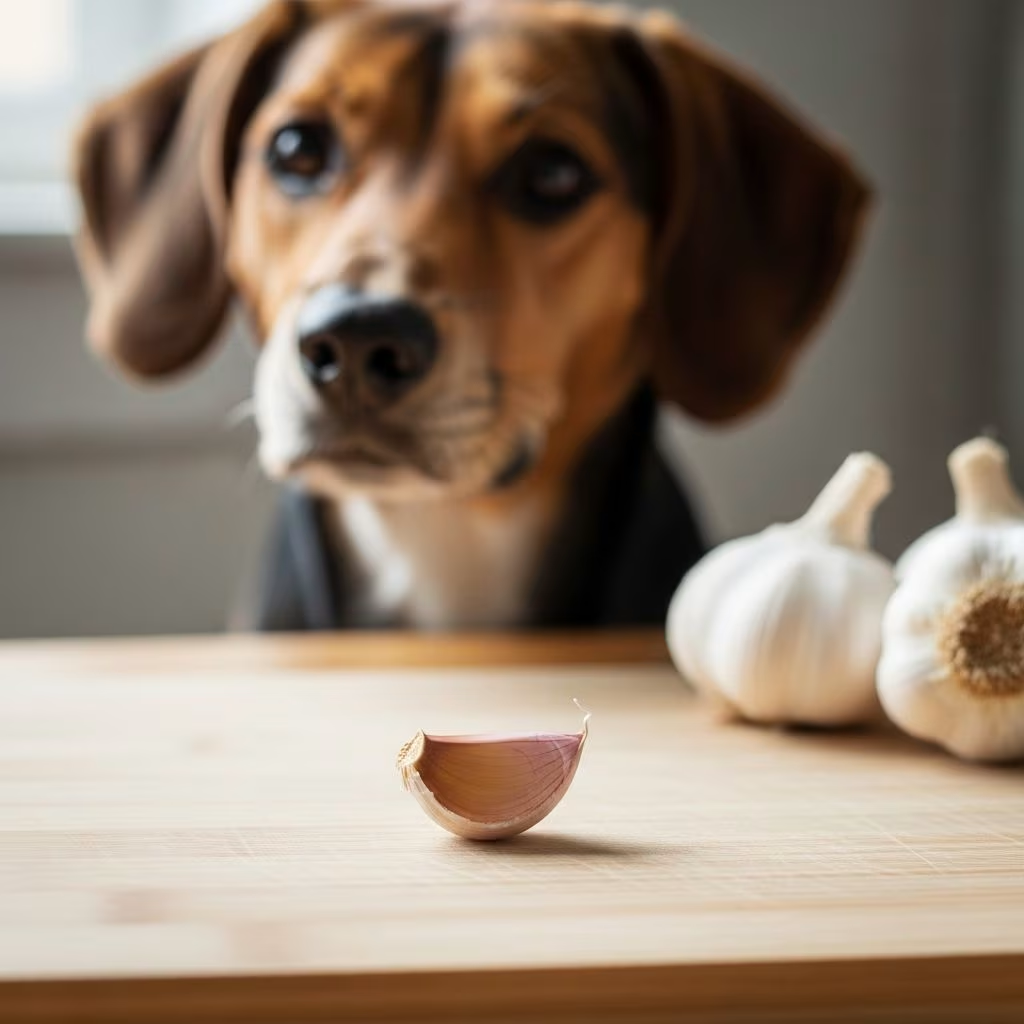
Many pet owners wonder whether common kitchen ingredients are safe to share with their dogs, and garlic is one of the most frequently questioned foods. The straightforward answer is that dogs should not consume garlic in any form, as it contains compounds that can cause significant harm to their health. Unlike humans who benefit from garlic’s nutritional properties, canines lack the physiological capacity to safely metabolize certain components found in this pungent bulb. Understanding the reasons behind this restriction and recognizing the warning signs of garlic poisoning can help protect your beloved pet from accidental or intentional exposure.
The Chemistry Behind Garlic’s Danger to Canines
Garlic belongs to the Allium family of plants, which also includes onions, leeks, and chives. What makes these plants problematic for dogs is their content of specific sulfur-containing compounds. Thiosulfates and n-propyl disulfides are the primary culprits responsible for the toxic effects observed in canines. When a dog ingests garlic, these compounds enter their digestive system and are metabolized by the liver, triggering a chain reaction that damages cellular structures within the bloodstream.
The damage specifically targets red blood cells, which are responsible for transporting oxygen throughout the body. When these cells become compromised, they begin to lose their structural integrity and functionality. The body recognizes these damaged cells as foreign objects and destroys them faster than new ones can be produced, a process known as hemolytic anemia. This creates a dangerous oxygen deficit throughout the dog’s tissues, leading to visible symptoms and potentially life-threatening complications if left untreated.
It’s important to note that garlic is approximately five times more toxic to dogs than onions, making it a more concentrated source of these harmful compounds. This means that even smaller quantities of garlic can produce significant toxic effects compared to other members of the Allium family.
Determining Dangerous Dosage Levels
Not all garlic consumption results in immediate toxicity, but understanding the dosage thresholds helps pet owners recognize when their dog has ingested a potentially harmful amount. Research indicates that consuming as little as 15 to 30 grams of garlic per kilogram of body weight can trigger dangerous effects. To put this in practical perspective, the average garlic clove weighs approximately 5 grams.
For a medium-sized dog weighing around 25 pounds (approximately 11 kilograms), ingesting roughly 50 grams of garlic—equivalent to about 10 cloves—would constitute a dose requiring veterinary intervention. Smaller dogs would reach this threshold much more quickly with fewer cloves, while larger breeds might tolerate marginally higher amounts before showing severe symptoms. However, no amount of garlic should be considered truly safe for any dog.
Adding another layer of concern is the cumulative nature of garlic toxicity. This means that even if your dog consumes small amounts on separate occasions, these doses accumulate in their system over time. What might seem like negligible quantities can eventually lead to serious health complications if repeated exposure occurs.
Garlic in Various Forms and Their Potency
Pet owners sometimes assume that different garlic preparations vary in their toxicity levels, but this assumption is largely incorrect. Whether garlic appears in a dog’s diet as raw cloves, cooked garlic, garlic powder, or garlic salt, the toxic compounds remain active and dangerous. Processed forms like garlic powder and garlic salt are particularly concerning because they represent concentrated versions of the harmful compounds. A small amount of garlic powder can contain the equivalent toxins found in multiple fresh cloves, making accidental poisoning from these forms especially likely.
Garlic bread, a common human food item, presents a double threat to canines. Not only does the garlic content pose toxicity risks, but the butter and fat involved in preparation can cause additional digestive problems, including pancreatitis in susceptible dogs.
Recognizing Symptoms of Garlic Poisoning
Understanding the warning signs of garlic toxicity enables quick intervention when accidental consumption occurs. Symptoms typically emerge within 24 hours of ingestion, though in some cases clinical signs may not appear for up to a week. This delayed response can sometimes lead owners to overlook the connection between garlic consumption and their dog’s health decline.
Early and Mild Symptoms
- Gastrointestinal upset characterized by vomiting or diarrhea
- Abdominal discomfort or signs of a sore stomach
- Loss of appetite or reduced interest in food
- General malaise or changes in normal behavior patterns
Moderate to Severe Symptoms
- Weakness and lethargy due to reduced oxygen circulation
- Pale mucous membranes (gums and inner eyelids)
- Labored breathing or difficulty during physical activity
- Jaundiced appearance with yellowish tinting to eyes, gums, or skin
- Dark-colored urine indicating the breakdown of red blood cells
The severity of symptoms correlates directly with the amount of garlic consumed and the individual dog’s size, age, and overall health status. Puppies, senior dogs, and those with pre-existing health conditions may experience more pronounced reactions to smaller quantities than healthy adult dogs.
When to Seek Veterinary Care
If you suspect your dog has consumed garlic, contact your veterinarian promptly. Provide specific information about the amount ingested, the form of garlic (fresh, cooked, powder), the time of consumption, and your dog’s weight and breed. Veterinarians can perform blood tests to assess red blood cell counts and determine the extent of any damage before symptoms become severe. Early intervention can prevent the progression to life-threatening anemia and other complications.
In emergency situations where large amounts of garlic have been consumed, induced vomiting may be appropriate if performed within a few hours of ingestion, before the toxic compounds are absorbed into the bloodstream.
The Debate Over Garlic’s Potential Benefits
Some alternative pet health practitioners and certain pet food manufacturers have promoted garlic as a beneficial supplement for dogs, claiming it offers immune system support, flea and tick prevention, and various other health advantages. This contradicts the mainstream veterinary consensus and has created confusion among pet owners about whether garlic truly poses a risk.
The source of this conflicting information partly stems from misinterpreted research and reassessments of older toxicology studies. However, even sources that acknowledge potential benefits in extremely controlled doses emphasize that these benefits do not outweigh the risks of toxicity, particularly since safer alternatives exist for achieving the same health outcomes.
Research on aged garlic extract—a specially processed form that differs significantly from raw or cooked garlic—suggests that when administered at appropriate therapeutic doses (around 90 mg/kg/day), it may not produce adverse effects and could potentially offer antioxidant benefits. However, this represents a highly controlled pharmaceutical preparation, not the garlic cloves or powder found in typical household kitchens, and should only be given under veterinary supervision.
Safer Alternatives for Canine Health
If you’re interested in supporting your dog’s immune system, cardiovascular health, or providing antioxidant benefits, numerous safer alternatives exist that don’t carry toxicity risks. High-quality commercial dog foods formulated with appropriate nutrients, supplements specifically designed for canine nutritional needs, and veterinarian-approved whole foods can provide similar health advantages without the dangers associated with garlic.
Vegetables like carrots, sweet potatoes, and pumpkin offer nutritional benefits and can serve as healthy treats or food toppers. Omega-3 rich sources such as fish oil support cardiovascular and immune function. Working with your veterinarian to select appropriate supplements and dietary additions ensures your dog receives optimal nutrition tailored to their individual needs.
Preventing Accidental Garlic Exposure
The best strategy for protecting your dog from garlic toxicity is prevention. Keep all forms of garlic stored securely in locations your dog cannot access. This includes fresh cloves in kitchen cabinets, garlic powder in spice racks, and prepared foods containing garlic in refrigerators. Be mindful when dining with family or guests who may unknowingly offer food scraps to your pet.
Educate household members, especially children, about which foods are dangerous for dogs. Many people assume that if something is healthy for humans, it must be safe for pets, leading to well-intentioned but harmful sharing of human food.
Additionally, be cautious about homemade dog treat recipes sourced from non-veterinary websites, as some may include garlic as an ingredient based on outdated or inaccurate information about its safety.
Understanding Your Dog’s Individual Risk Factors
Certain dogs face elevated risk from garlic toxicity compared to others. Puppies with developing organ systems, senior dogs with declining liver and kidney function, and dogs with pre-existing blood disorders or compromised immune systems may experience more severe reactions to garlic exposure. Breeds predisposed to certain genetic conditions may also have heightened vulnerability.
Dogs currently taking medications, particularly those affecting blood clotting or immune function, should absolutely avoid garlic, as interactions could compound health risks.
Frequently Asked Questions About Garlic and Dogs
What if my dog ate garlic accidentally?
Contact your veterinarian with details about the amount and form of garlic consumed. Most single accidental exposures to small amounts may not require emergency treatment, but professional guidance ensures your dog receives appropriate monitoring or intervention based on the specific situation.
Can dogs eat food that contains garlic as an ingredient?
No. While heavily cooked or processed foods might contain lower concentrations of garlic compounds, the safest approach is complete avoidance of any food containing garlic in any form. Toxicity can be cumulative, making repeated small exposures problematic.
Are there any dogs that can safely eat garlic?
No established safe threshold exists for garlic consumption in any dog. While larger dogs may tolerate slightly higher absolute amounts than small dogs before showing symptoms, this doesn’t make garlic “safe” for them. Individual variation in metabolism and sensitivity means unpredictability in how different dogs respond.
Is cooked garlic safer than raw garlic for dogs?
Cooking doesn’t eliminate the toxic compounds in garlic. The thiosulfates and n-propyl disulfides remain biologically active whether the garlic is raw, roasted, boiled, or otherwise prepared, making cooked garlic equally dangerous as raw garlic.
What about garlic supplements marketed for dog health?
Only supplements specifically formulated as veterinary products and recommended by your veterinarian should be considered. Over-the-counter garlic supplements marketed for human or general pet use have not undergone rigorous safety testing for canines and should be avoided.
Conclusion: Prioritizing Your Dog’s Safety
The evidence overwhelmingly supports keeping garlic away from dogs. While some fringe sources promote garlic’s theoretical health benefits, the documented risks of toxicity, the potential for cumulative harm, and the availability of safer alternatives make garlic an unnecessary risk factor in your pet’s diet. By understanding why garlic poses a threat, recognizing the symptoms of toxicity, and implementing prevention strategies, you can help ensure your dog remains healthy and safe throughout their life.
When questions arise about your dog’s diet or accidental exposures to potentially harmful substances, your veterinarian remains your best resource for personalized guidance based on your individual pet’s age, health status, and medical history.
References
- Can Dogs Eat Garlic? — American Kennel Club. Accessed 2026. https://www.akc.org/expert-advice/nutrition/can-dogs-eat-garlic/
- Can Dogs Eat Garlic? – PetMD — PetMD, LLC. Accessed 2026. https://www.petmd.com/dog/nutrition/can-dogs-eat-garlic
- Can Dogs Eat Garlic? A Guide to Safety — Nestlé Purina PetCare Company. Accessed 2026. https://www.purina.com/articles/dog/feeding/can-dogs-eat/garlic
- Can Dogs Eat Garlic? What To Do If Your Dog Eats Some — Spot and Tango. Accessed 2026. https://www.spotandtango.com/blog/can-dogs-eat-garlic
- Safety and efficacy of aged garlic extract in dogs — PubMed Central, National Center for Biotechnology Information (NCBI). 2018. https://pmc.ncbi.nlm.nih.gov/articles/PMC6267818/
- Onion and garlic poisoning in dogs — People’s Dispensary for Sick Animals (PDSA). Accessed 2026. https://www.pdsa.org.uk/pet-help-and-advice/pet-health-hub/conditions/onion-and-garlic-poisoning-in-dogs



