

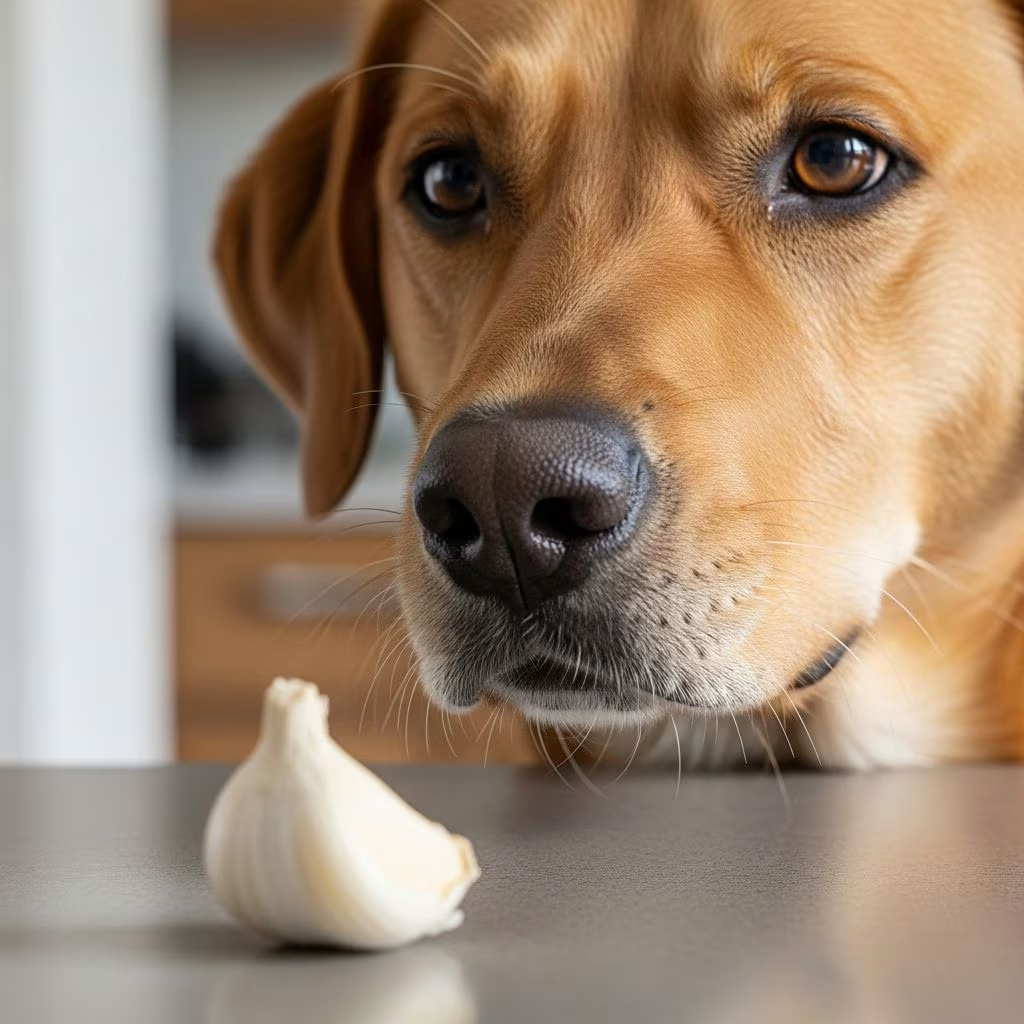
When it comes to feeding our canine companions, understanding which foods are safe and which pose health risks is essential. Garlic, a staple ingredient in human kitchens, frequently appears in the meals we prepare, leading many pet owners to wonder whether their dogs can safely consume it. The straightforward answer is that garlic should be avoided entirely in your dog’s diet, as it poses significant health risks that far outweigh any potential benefits.
The Toxic Nature of Garlic for Canines
Garlic belongs to a family of plants known as Allium, which encompasses onions, leeks, chives, and shallots—all of which are potentially harmful to dogs. The primary culprit behind garlic’s toxicity is a compound called thiosulfate, which is completely harmless to humans but highly toxic to dogs. When your dog’s body metabolizes this compound, it attacks and damages the red blood cells, disrupting their ability to function properly.
Red blood cells serve the critical function of transporting oxygen throughout the body. When these cells become compromised due to thiosulfate exposure, they break down faster than the body can replace them, resulting in a condition called hemolytic anemia. This deterioration of red blood cell function means that vital organs and tissues throughout your dog’s body receive less oxygen, leading to weakness, lethargy, and potential organ damage if left untreated.
Interestingly, garlic is approximately five times more toxic than its relatives in the Allium family because it contains a more concentrated source of these harmful sulfur compounds. This makes garlic one of the most potent members of this toxic plant group and heightens the danger it represents to your pet.
Understanding Toxic Thresholds and Dosage
While garlic toxicity is a serious concern, the severity of its effects depends on several critical factors, including your dog’s size, weight, overall health status, and the quantity of garlic consumed. Scientific research has established that approximately 15 to 30 grams of garlic per kilogram of body weight can produce harmful changes in a dog’s blood chemistry.
To put this into practical perspective, a typical garlic clove weighs between 3 and 7 grams. This means that a small or medium-sized dog could potentially experience toxic effects from consuming just a few cloves, while even a large dog would require consuming significant quantities to reach dangerous toxicity levels. However, it’s important to recognize that garlic toxicity is cumulative in nature—meaning that repeated exposure to small amounts over time can eventually accumulate to dangerous levels, even if each individual exposure seems minor.
| Dog Size | Approximate Weight | Garlic Amount for Toxicity |
|---|---|---|
| Small Dog | 10-20 lbs (4.5-9 kg) | 67.5-270 grams |
| Medium Dog | 25-50 lbs (11-23 kg) | 165-690 grams |
| Large Dog | 60-100 lbs (27-45 kg) | 405-1,350 grams |
While these numbers suggest that significant quantities of garlic would be required to cause toxicity, the cumulative nature of garlic poisoning means that even small, repeated exposures warrant serious concern. Additionally, some dogs may display heightened sensitivity to garlic’s toxic compounds, making them susceptible to harm from lower doses than these general guidelines suggest.
Recognizing Garlic Poisoning Symptoms
Understanding the signs that your dog may have consumed garlic is crucial for early intervention. Symptoms of garlic toxicity typically emerge within 24 hours of consumption, though in some cases, clinical signs may not appear for up to a week. This delayed presentation can make it challenging to connect a dog’s illness with garlic exposure.
Common symptoms of garlic poisoning include:
- Weakness and lethargy
- Pale gums and mucous membranes
- Vomiting and diarrhea
- Abdominal pain or discomfort
- Loss of appetite
- Rapid or difficult breathing
- Jaundice (yellowing of the skin and eyes)
- Dark-colored urine
The gastrointestinal symptoms occur because garlic irritates the digestive tract, while the systemic symptoms like weakness and pale coloration result from the developing anemia caused by damaged red blood cells. If you notice any of these signs in your dog, particularly within a week of potential garlic exposure, contact your veterinarian immediately for professional evaluation and treatment.
All Forms of Garlic Pose Equal Danger
Pet owners sometimes assume that cooking garlic eliminates its toxicity, or that certain forms are safer than others. Unfortunately, this is not the case. Every form of garlic presents a risk to your dog’s health, regardless of how it has been processed or prepared.
The following garlic varieties and preparations should be strictly avoided:
- Raw garlic cloves
- Cooked garlic
- Garlic powder
- Garlic salt
- Garlic paste
- Pickled garlic
- Liquid garlic
- Garlic oil
- Any prepared foods containing garlic
Powdered and concentrated forms of garlic are particularly concerning because they contain higher concentrations of thiosulfate than fresh garlic. A small amount of garlic powder can deliver the same toxic dose as a much larger quantity of fresh garlic, making these products especially dangerous. Many cases of garlic toxicity in pets have been attributed to garlic in its powdered or concentrated form, found in various prepared foods and seasonings.
The Garlic Bread Dilemma
Garlic bread presents a compounded problem for canine consumption. Beyond the inherent garlic toxicity, garlic bread contains additional ingredients that are problematic for dogs. The butter used in garlic bread is high in fat, which can upset a dog’s digestive system and even trigger pancreatitis—a painful inflammation of the pancreas. Additionally, bread can contribute to inflammation in dogs, particularly if the bread contains wheat, which may lead to digestive distress and other health issues.
Even a small amount of garlic bread represents multiple health risks and should never be shared with your pet, regardless of how much your dog might beg for a taste.
Supplementation Claims and Safety Concerns
Some proponents of natural pet health advocate for garlic supplements or small amounts of garlic in homemade diets, claiming benefits such as improved immunity, flea and tick prevention, or enhanced overall wellness. While garlic does possess some beneficial properties for humans—including mild antibiotic, antiviral, and antiparasitic properties—these claimed benefits do not justify the risks posed to dogs.
The scientific evidence supporting garlic’s effectiveness for flea and tick prevention in dogs is insufficient, and the safety concerns far outweigh any unproven benefits. Pet owners should rely exclusively on FDA-approved flea and tick preventives that have undergone rigorous testing and are scientifically proven to be safe for canine use. Your veterinarian can recommend appropriate preventive products tailored to your dog’s specific needs and health status.
Steps to Take if Your Dog Consumes Garlic
If you suspect or know that your dog has consumed garlic, take the following actions:
- Contact your veterinarian immediately or call an animal poison control center
- Provide information about the type of garlic consumed, approximate quantity, and time of consumption
- Observe your dog carefully for any symptoms of distress or illness
- Avoid inducing vomiting unless specifically instructed by a veterinary professional
- Follow your veterinarian’s recommendations for monitoring or treatment
When you contact your vet, have information readily available about your dog’s weight, the specific form of garlic consumed, and the estimated amount. This information helps your veterinarian assess the risk level and determine whether monitoring or treatment is necessary.
Protecting Your Dog Through Prevention
The most effective approach to garlic safety is prevention. Keep all forms of garlic stored securely and away from your dog’s access. Be particularly vigilant about:
- Human food leftovers that may contain garlic
- Prepared foods and sauces containing garlic ingredients
- Spice racks and seasonings left on counters or low shelves
- Garlic supplements or powders
- Shared meals from family dinner tables
Reading ingredient labels on any prepared foods you might consider sharing with your dog is essential, as garlic frequently appears in unexpected products. Many seemingly innocent human foods contain garlic powder or other garlic-derived ingredients that might not be immediately apparent.
Nutritional Needs Without Garlic
Your dog receives all necessary vitamins, minerals, and nutrients from a complete, balanced commercial dog food or from carefully planned home-prepared diets developed in consultation with a veterinary nutritionist. There is no nutritional necessity to supplement your dog’s diet with garlic or any other human foods that carry health risks.
If you’re interested in providing supplemental health benefits to your dog, discuss options with your veterinarian. They can recommend safe, proven supplements and dietary additions that support your dog’s specific health needs without exposing your pet to unnecessary risks.
Frequently Asked Questions
Can dogs eat garlic in small amounts?
No. While toxicity is dose-dependent, it’s impossible to determine a universally safe amount of garlic for individual dogs. Some dogs may be more sensitive than others, and the cumulative nature of garlic toxicity means repeated small exposures can cause harm. The safest approach is complete avoidance.
Is cooked garlic safer than raw garlic?
No. The cooking process does not eliminate the toxic thiosulfate compound. Cooked garlic remains dangerous to dogs and should be avoided just as strictly as raw garlic.
What should I do if my dog accidentally ate garlic bread at a party?
Monitor your dog closely for symptoms over the next week. If your dog consumed a small amount, symptoms may not develop. However, if you notice any signs of illness, contact your veterinarian promptly. It’s helpful to note the approximate amount consumed and the time it occurred.
Are there safe alternatives to garlic for flavoring my dog’s food?
Yes. Dog-safe flavor enhancers include bone broth, plain cooked chicken, sweet potato, carrots, and apples. Always introduce new foods gradually and in appropriate quantities to avoid digestive upset.
Conclusion: Prioritizing Your Dog’s Safety
While garlic offers benefits to human health and appears frequently in our cuisine, it has no place in your dog’s diet. The toxic compounds in garlic pose genuine health risks that accumulate over time, potentially leading to serious anemia and systemic health problems. By maintaining vigilant awareness of what your dog consumes, carefully managing access to human foods, and relying on scientifically formulated dog foods and veterinarian-approved supplements, you can protect your beloved pet from garlic-related harm while ensuring they receive optimal nutrition for a long, healthy life.
References
- Can Dogs Eat Garlic? — American Kennel Club (AKC). https://www.akc.org/expert-advice/nutrition/can-dogs-eat-garlic/
- Can Dogs Eat Garlic? — PetMD. https://www.petmd.com/dog/nutrition/can-dogs-eat-garlic
- Can Dogs Eat Garlic? A Guide to Safety — Purina. https://www.purina.com/articles/dog/feeding/can-dogs-eat/garlic
- What Should I Do If My Dog Eats Garlic? — Bottle Tree Animal Hospital. https://bottletreeanimalhospital.com/blog/what-should-i-do-if-my-dog-eats-garlic/
- Safety and efficacy of aged garlic extract in dogs — National Center for Biotechnology Information (NCBI). https://pmc.ncbi.nlm.nih.gov/articles/PMC6267818/



