

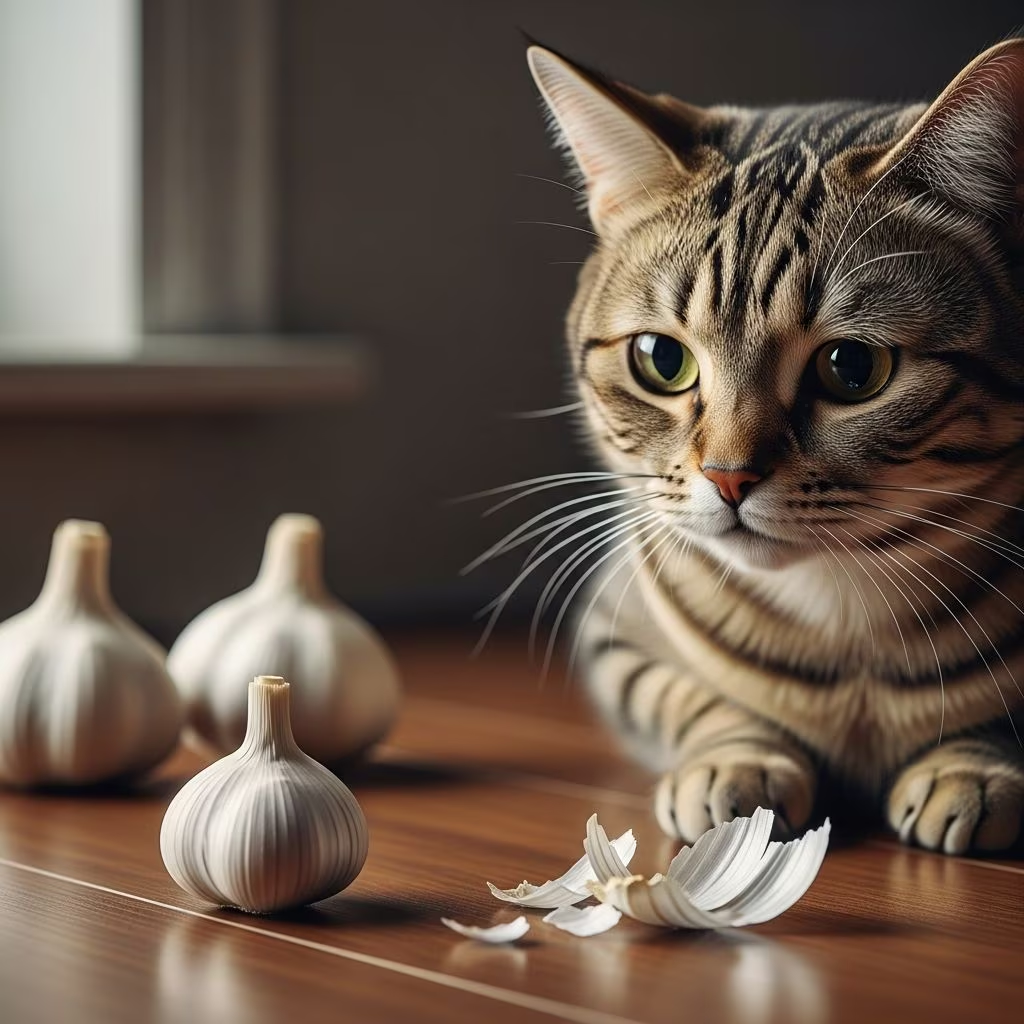
Garlic stands out as a potent toxin for cats, belonging to the Allium family that triggers hemolytic anemia by destroying red blood cells. Even minimal exposure can lead to life-threatening complications, making awareness crucial for every cat owner.
The Hidden Dangers of Allium Family Plants for Felines
Cats possess unique metabolic pathways that render them highly vulnerable to compounds in garlic, onions, leeks, and chives. These plants release organosulfur substances like thiosulfates upon ingestion, which cats cannot metabolize effectively. This leads to oxidative damage in red blood cells, forming Heinz bodies that cause cell rupture and oxygen deprivation throughout the body.
Among Allium species, garlic proves 3 to 5 times more toxic than onions, amplifying risks even in small quantities. Cats’ smaller body size exacerbates this susceptibility compared to dogs or larger animals. Production animals like cattle show variable tolerance, but felines remain the most at-risk domestic pet.
Understanding Toxic Mechanisms in Feline Physiology
Thiosulfates and disulfides in garlic oxidize hemoglobin within red blood cells, impairing their oxygen-carrying capacity. Over time, this results in hemolytic anemia, where destroyed cells clog the spleen and liver, further straining organs.
Symptoms arise from systemic hypoxia: organs starved of oxygen falter, potentially causing kidney damage or collapse. Concentrated forms like powders intensify this process due to higher thiosulfate levels.
| Allium Type | Toxicity Level Relative to Onion | Common Forms |
|---|---|---|
| Garlic | 3-5x more toxic | Cloves, powder, minced |
| Onion | Baseline | Raw, cooked, dehydrated |
| Leeks/Chives | Similar to onion | Fresh, in dishes |
This table illustrates relative dangers, emphasizing garlic’s potency.
Quantifying the Danger: Toxic Doses for Cats
No safe amount of garlic exists for cats; toxicity thresholds are alarmingly low. Studies indicate 5g of onion per kg body weight causes harm, but garlic requires just 1g/kg—roughly one clove (5g) for a 5kg cat.
- An average 4-6kg cat faces severe risk from less than one small clove (4-7g).
- Less than 1/2 teaspoon minced garlic or 1/8 teaspoon powder suffices for toxicity.
- Cooked or processed foods obscure quantities, demanding immediate vet consultation.
These figures underscore prevention’s importance, as even trace amounts in meals accumulate danger.
Recognizing Early Warning Signs of Garlic Exposure
Toxicity symptoms delay 1-5 days, allowing subtle buildup. Initial gastrointestinal upset progresses to anemia indicators.
- Acute phase (hours to 1 day): Vomiting, diarrhea, drooling, abdominal pain, appetite loss.
- Anemia phase (2-5 days): Lethargy, weakness, pale/yellow gums, rapid breathing/heart rate, dark/red/brown urine.
- Severe cases: Collapse, organ failure, shock.
Monitor gums’ color and urine closely; discoloration signals urgent red blood cell damage.
Immediate Response: What to Do If Exposure Occurs
Act swiftly upon suspected ingestion—do not await symptoms. Contact a veterinarian or pet poison hotline immediately.
- Prevent further access to garlic sources.
- Note amount ingested, cat’s weight, and time elapsed.
- Seek professional evaluation; treatments include induced vomiting (if early), activated charcoal, IV fluids, and blood transfusions for anemia.
Recovery rates exceed 90% with prompt intervention, avoiding long-term issues. Delays risk fatality from hypoxia or secondary infections.
Everyday Sources of Garlic Risk in Cat Households
Garlic hides in human foods, posing stealth threats:
- Seasoned meats, sauces, broths, baby foods.
- Garlic powder/salt in spice racks.
- Processed treats or scraps from kitchens.
- Dehydrated mixes like soup bases.
All forms—raw, cooked, powdered—carry equal peril; powders concentrate toxins.
Prevention Blueprint: Keeping Cats Garlic-Free
Proactive habits eliminate risks:
- Store garlic products securely, out of paw reach.
- Prepare meals away from cats; discard scraps properly.
- Read labels on commercial pet foods/treats, avoiding Allium mentions.
- Educate household members on feline no-go foods.
- Use cat-safe seasonings like herbs (parsley, dill) for shared meals.
Table scraps constitute 15-20% of accidental poisonings; vigilance prevents most cases.
Debunking Myths: Garlic’s Supposed Benefits for Cats
Folklore claims garlic repels fleas or boosts immunity, but no evidence supports feline benefits. Toxicity outweighs unproven gains; veterinary bodies universally advise against it.
- Myth: Small doses are medicinal. Fact: No safe dose exists.
- Myth: Cooking neutralizes toxins. Fact: Heat preserves thiosulfates.
- Myth: Cats self-regulate. Fact: Curiosity drives risky sampling.
Veterinary Insights on Long-Term Effects and Monitoring
Survivors often recover fully, but repeated low exposures cause chronic anemia or organ strain. Annual bloodwork detects subclinical damage in at-risk cats.
Breed variations exist minimally; Persians or small breeds face amplified risks due to size.
Safe Flavor Alternatives for Cat-Friendly Kitchens
Enhance meals without danger:
| Safe Herb | Benefits | Usage Tips |
|---|---|---|
| Catnip | Appetite stimulant | Sprinkle on food |
| Parsley | Digestion aid | Fresh, minced |
| Dill | Breath freshener | Small amounts |
| Basil | Calming effect | Occasional treat |
These options provide flavor sans toxicity.
Frequently Asked Questions About Garlic and Cats
Can a tiny bit of garlic hurt my cat?
Yes, even trace amounts risk toxicity due to cats’ sensitivity.
How soon do garlic poisoning symptoms start?
1-5 days typically, varying by dose.
Is garlic powder safer than fresh?
No, it’s more concentrated and dangerous.
What if my cat ate garlic-seasoned food?
Rush to vet; quantity unknown heightens urgency.
Can garlic treat fleas on cats?
No, it’s ineffective and harmful; use vet-approved products.
Empowering Cat Owners: Final Protection Strategies
Integrate garlic awareness into routines: label danger zones, train family, opt for commercial cat foods verified Allium-free. Regular vet checkups catch issues early. Protecting cats demands diligence against this pervasive toxin.
References
- Can Cats Eat Garlic? — Chewy. 2023. https://www.chewy.com/education/cat/food-and-nutrition/can-cats-eat-garlic
- Can Cats Eat Garlic? — PetMD. 2024. https://www.petmd.com/cat/poisoning/can-cats-eat-garlic
- Onion and Garlic Toxicity in Cats — Joii Pet Care. 2023. https://www.joiipetcare.com/blogs/poisons/onion-and-garlic-toxicity-in-cats
- Garlic and Onion (Allium spp) Toxicosis in Animals — Merck Veterinary Manual. 2024. https://www.merckvetmanual.com/toxicology/food-hazards/garlic-and-onion-allium-spp-toxicosis-in-animals
- The Effect of the Type and Concentration of Garlic (Allium sativum) — PMC (NCBI). 2023. https://pmc.ncbi.nlm.nih.gov/articles/PMC12608858/



