

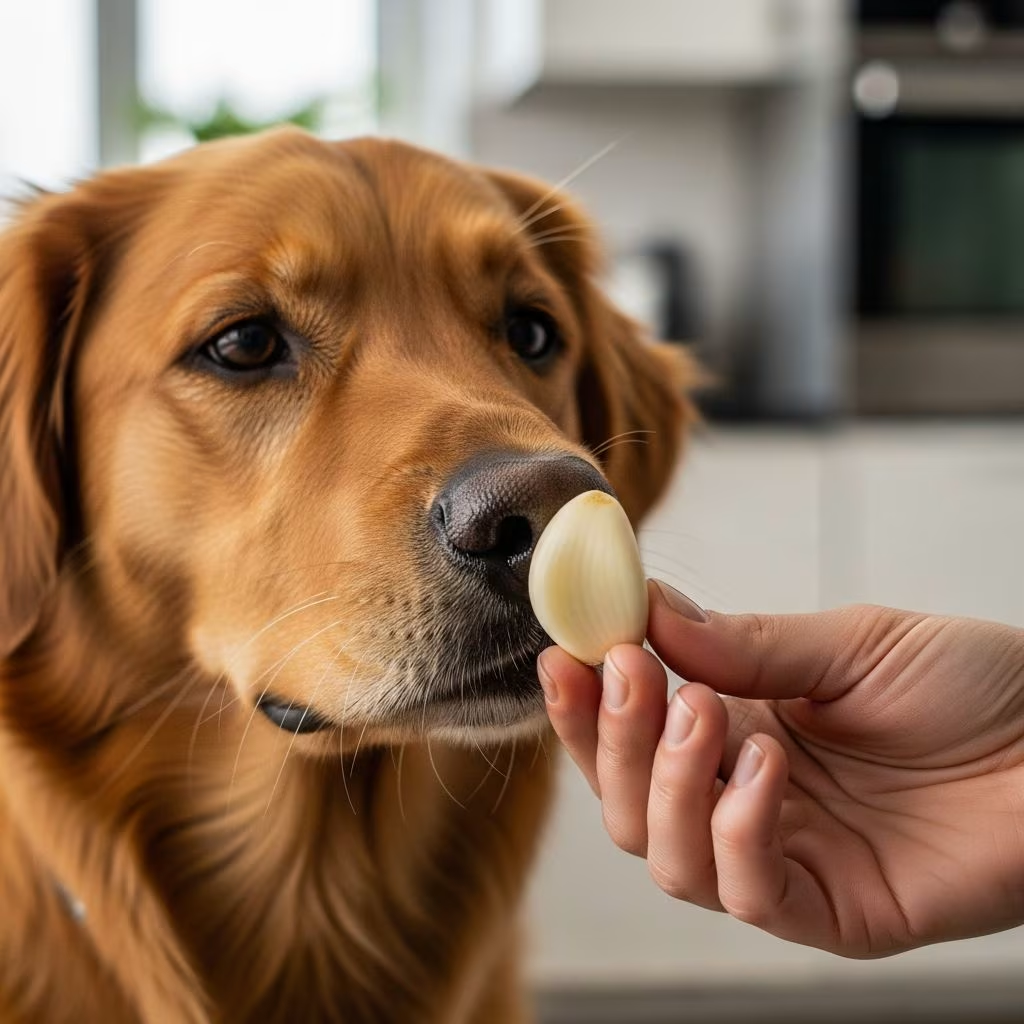
Garlic has long been a subject of debate in the pet nutrition community. While many dog owners are cautious about feeding their pets this pungent bulb due to toxicity concerns, recent scientific research reveals a more nuanced picture. When administered at appropriate doses, garlic—particularly in aged extract form—can offer significant health advantages for canine companions. Understanding the difference between harmful overdoses and therapeutic amounts is essential for pet owners seeking to incorporate garlic safely into their dog’s wellness routine.
The Nutritional Profile: What Makes Garlic Valuable for Canine Health
Garlic is far more than just a flavoring agent; it contains a complex array of nutritional compounds that support dog health. The bulb is rich in essential vitamins including A, C, and B-complex varieties, alongside minerals such as zinc, selenium, and calcium. These micronutrients work synergistically to support various physiological functions in dogs.
The true powerhouse within garlic is allicin, a sulfur-containing compound that forms when fresh garlic is chopped or crushed. Allicin is responsible for garlic’s renowned antimicrobial, antiviral, and antifungal properties. However, the concentration and bioavailability of allicin varies depending on how garlic is processed and prepared, which is why aged garlic extract (AGE) has emerged as a more reliable option for canine supplementation.
Aged Garlic Extract: A Safer Alternative to Fresh Garlic
Aged garlic extract represents a significant advancement in how garlic can be safely administered to dogs. Created through extended extraction processes, AGE produces odorless compounds while preserving beneficial organosulfur constituents. This processing method is crucial because it reduces the irritative compounds found in fresh garlic while maintaining therapeutic efficacy.
Scientific studies have specifically examined AGE safety in dogs. Research demonstrated that dogs administered AGE at a dose of 90 mg/kg/day for 12 weeks showed no adverse effects. Most dogs willingly consumed AGE, and coat condition and urine color remained normal throughout the study period. In another trial examining AGE at a lower dose of 18 mg/kg/day for 8 weeks, no adverse effects were observed in dogs with mild gingivitis.
The distinction between fresh garlic and aged garlic extract is particularly important. Studies indicate that dried and granulated garlic forms may be more damaging to canine red blood cells than fresh garlic. This finding underscores why sourcing and preparation method matter significantly when considering garlic supplementation for dogs.
Immune System Enhancement Through Allicin
One of garlic’s most well-documented benefits is its capacity to strengthen immune function. Allicin activates multiple immune pathways in dogs, providing extra protection against infections and improving immune defense mechanisms. This becomes particularly valuable during seasonal transitions or periods when dogs experience elevated stress, which can temporarily compromise immune function.
Beyond fighting pathogens directly, garlic promotes a healthier gut microbiome by encouraging beneficial bacterial growth while eliminating harmful organisms. Since approximately 80% of immune function originates in the gut, supporting digestive health through garlic consumption indirectly strengthens overall immune capacity. This dual-action approach—direct antimicrobial effects combined with microbiome support—makes garlic a comprehensive immune-boosting supplement.
Cardiovascular Support and Blood Circulation
Garlic demonstrates remarkable benefits for canine cardiovascular health. Research on humans indicates that garlic aids in regulating blood pressure and enhancing circulation, and these benefits extend to dogs. The bulb’s antioxidant properties reduce oxidative stress, thereby lowering the risk of heart disease in canine companions.
The allicin in garlic has been shown in studies to reduce LDL cholesterol levels. Additionally, garlic functions as a vasodilator, causing blood vessels to dilate and allowing blood to flow more easily through them. This vasodilatory effect particularly benefits older and overweight dogs prone to high blood pressure and heart conditions, as it improves oxygen and nutrient delivery throughout the body.
Garlic’s anti-platelet properties further support cardiovascular function by naturally thinning blood, which can help prevent dangerous clots while improving overall circulatory efficiency. For aging dogs or breeds with hereditary cardiovascular predispositions, these combined effects offer meaningful preventative support.
Detoxification and Liver Health Optimization
The liver plays a critical role in filtering toxins from a dog’s bloodstream, yet it can become overwhelmed by environmental pollutants, medication residues, and processed food ingredients. Garlic supports healthy liver function by stimulating detoxification pathways and encouraging the breakdown of waste products before they enter circulation.
For dogs regularly exposed to environmental toxins, prescription medications, or commercial processed diets, garlic offers an excellent natural detox tool. By supporting the body’s innate detoxification mechanisms rather than working against them, garlic helps restore liver vitality and improve overall metabolic function. This gentle yet effective approach aligns with the body’s natural healing processes.
Skin Health and Parasite Prevention
Garlic’s antifungal and antibacterial effects extend to dermatological health, improving skin conditions from within. The bulb helps clear up flaky, irritated skin while supporting coat quality. Beyond treating existing skin issues, garlic functions as a natural insect repellent.
Fleas and ticks are naturally more attracted to dogs with compromised immune systems. Garlic helps repel these parasites by releasing sulfur compounds through the dog’s skin and coat oils. When used consistently during flea and tick season, garlic creates a natural barrier that makes dogs far less appealing to biting insects, potentially reducing reliance on chemical-laden spot treatments. This preventative approach addresses the root cause—immune weakness—rather than merely treating the infestation.
Understanding Dosage: The Critical Safety Factor
The central concern surrounding garlic and dogs stems not from the substance itself but from incorrect dosing. Garlic’s safety profile depends entirely on the amount administered. Research has established safe dosage parameters through rigorous scientific study.
The landmark study on aged garlic extract safety demonstrated that dogs could safely receive 90 mg/kg/day for extended periods. At this dose, AGE administration actually upregulated gene expressions related to antioxidant enzyme production, enhancing the body’s natural defense systems. Lower doses of 18 mg/kg/day have also proven safe without any adverse effects.
To put this in practical terms, a 50-pound dog weighing approximately 22.7 kg could safely receive approximately 2,000 mg of aged garlic extract daily based on the 90 mg/kg standard. However, dog owners should always consult with a holistic veterinarian to determine the appropriate dosage for their specific pet, considering factors like age, weight, overall health status, and existing medical conditions.
Addressing the Toxicity Myth: What the Science Actually Shows
Concerns about garlic toxicity often stem from misinterpreted studies and excessive dosages. Early research demonstrating effects on canine red blood cells used highly elevated doses far exceeding therapeutic amounts. At these extreme concentrations, effects on erythrocytes were observed, yet dogs still did not develop anemia.
A pivotal 2004 study by Chang and colleagues demonstrated that allicin is beneficial to mammalian health, with no reports of hemolytic anemia despite high garlic concentrations provided during the study. Subsequent research has consistently confirmed that garlic at appropriate doses poses no toxicity risk to dogs.
The American Kennel Club and other organizations have advised caution, yet this guidance often reflects outdated understandings rather than current scientific evidence. When used responsibly with proper dosing, garlic represents a safe and beneficial supplement for most dogs.
Selecting Quality Garlic Products for Your Dog
Not all garlic supplements are created equal. When choosing a garlic product for your dog, consider the following factors:
- Form: Aged garlic extract is preferable to fresh garlic, powdered garlic, or granulated forms due to superior safety and efficacy profiles
- Source: Select products from reputable manufacturers with third-party testing and quality assurance
- Processing: Verify that the product undergoes proper extraction and processing to maximize beneficial compounds while minimizing irritants
- Dosage clarity: Choose products with clearly labeled dosing guidelines appropriate for different dog sizes
- Additional ingredients: Ensure other components complement rather than interfere with garlic’s benefits
When to Consult Your Veterinarian
While garlic is generally safe for healthy dogs at appropriate doses, certain situations warrant veterinary consultation before implementation:
- Dogs with existing blood disorders or clotting conditions
- Pets taking blood-thinning medications or anticoagulants
- Dogs undergoing surgery within the next two weeks
- Animals with severe digestive sensitivities or gastrointestinal disorders
- Pregnant or nursing dogs
- Puppies under six months of age
A holistic veterinarian can evaluate your dog’s individual health profile and recommend appropriate garlic dosages and formats tailored to their specific needs.
Integrating Garlic Into Your Dog’s Wellness Routine
When introducing garlic supplements, start with lower doses and gradually increase to the recommended amount while monitoring your dog’s response. Most dogs readily accept aged garlic extract, and administration can be incorporated into daily feeding routines. Consistency matters—regular, moderate garlic consumption delivers more significant benefits than sporadic larger doses.
Garlic works best as part of a comprehensive wellness approach that includes quality nutrition, regular exercise, mental stimulation, and preventative veterinary care. Rather than viewing garlic as a standalone cure, consider it a valuable tool supporting your dog’s overall health maintenance.
Conclusion: Responsible Garlic Use for Canine Health
The scientific evidence overwhelmingly supports garlic’s safety and efficacy when administered at appropriate doses. Aged garlic extract offers a particularly reliable option for pet owners seeking to harness garlic’s therapeutic benefits without the concerns associated with fresh garlic consumption. From immune enhancement to cardiovascular support and natural parasite prevention, garlic addresses multiple aspects of canine wellness simultaneously.
The key to safe garlic use lies in informed decision-making, accurate dosing, and professional guidance. When used in moderation with proper veterinary consultation, garlic becomes a valuable addition to your dog’s wellness routine, offering natural support for longevity and quality of life.
Frequently Asked Questions About Garlic for Dogs
Is garlic really toxic to dogs?
Garlic is only toxic at excessive doses far exceeding therapeutic amounts. When administered at appropriate dosages—such as 90 mg/kg/day of aged garlic extract—garlic poses no toxicity risk and provides significant health benefits.
What is the recommended garlic dosage for my dog?
Safe doses range from 18 to 90 mg/kg/day depending on the specific product and your dog’s health status. Consult with a holistic veterinarian to determine the appropriate dosage for your individual pet based on weight, age, and health conditions.
Should I give my dog fresh garlic or aged garlic extract?
Aged garlic extract is the preferable choice as it contains beneficial organosulfur compounds while minimizing irritative elements found in fresh garlic. Studies specifically demonstrating safety and efficacy have used aged garlic extract rather than fresh forms.
Can garlic help with my dog’s flea and tick problems?
Garlic may help prevent flea and tick infestations by releasing sulfur compounds through the dog’s skin and coat, making the dog less appealing to parasites. However, it works best as a preventative alongside other appropriate measures rather than as a treatment for existing infestations.
How long does it take to see benefits from garlic supplementation?
Health benefits from garlic typically develop gradually over several weeks of consistent use. Some benefits like improved digestion may appear more quickly, while cardiovascular and immune system improvements may require longer periods of regular supplementation.
References
- Safety and efficacy of aged garlic extract in dogs — National Center for Biotechnology Information (NCBI/PMC). 2018. https://pmc.ncbi.nlm.nih.gov/articles/PMC6267818/
- Garlic and Dogs: A Safe Superfood or Hidden Danger? — Grandma Lucy’s. 2023. https://www.grandmalucys.com/blogs/grandma-lucys-blog/garlic-and-dogs-a-safe-superfood-or-hidden-danger
- Busting the Myth of Garlic Toxicity for Dogs! — Volhard Dog Nutrition. 2024. https://www.volharddognutrition.com/blog/busting-the-myth-of-garlic-toxicity-for-dogs/
- Therapeutic effect of aged garlic extract on gingivitis in dogs — Frontiers in Veterinary Science. 2023. https://www.frontiersin.org/journals/veterinary-science/articles/10.3389/fvets.2023.1277272/full
- Safety and Efficacy of Aged Garlic Extract in Dogs: Upregulation of the Nuclear Factor Erythroid 2-Related Factor 2 (NrF2) Signalling Pathway — Dr. Osamu Yamamoto. 2018. https://mypetnutritionist.com/post/can-my-dog-eat-garlic/
- Garlic – well-rounded and safe for your practice! — IVC Journal. 2023. https://ivcjournal.com/garlic/



