

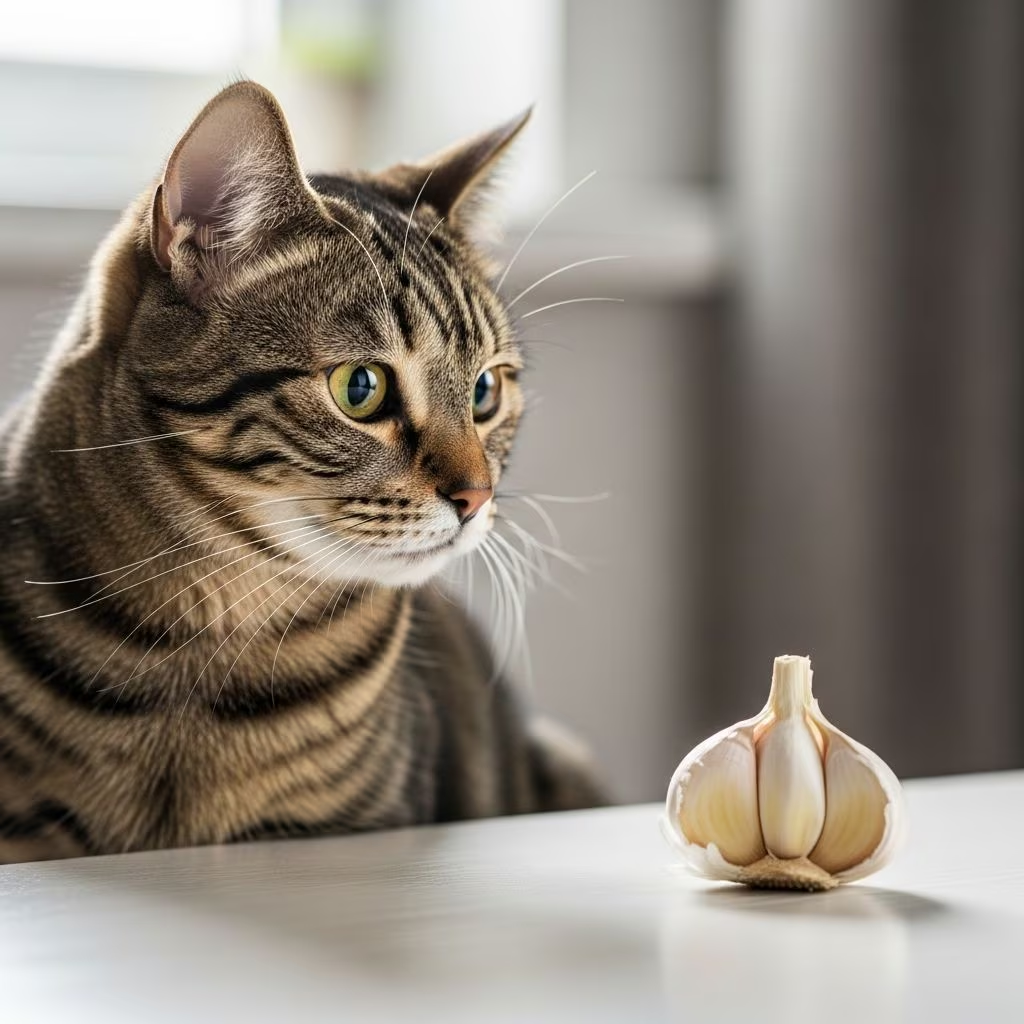
The search for natural flea remedies has led many cat owners to consider garlic as a potential solution. The appeal is understandable—garlic is readily available in most kitchens, inexpensive, and widely promoted as a natural pest deterrent. However, the reality of using garlic to treat fleas in cats is far more complicated than the popular myth suggests. Understanding the actual risks and limitations of this approach is essential for protecting your feline companion’s health while effectively addressing flea infestations.
The Garlic Myth: Why Pet Owners Consider It
The idea that garlic can prevent or eliminate fleas in cats stems from several assumptions about how the remedy works. Proponents of this approach suggest that when cats consume garlic, it changes their blood chemistry or body odor in ways that repel fleas. The theory sounds plausible on the surface—garlic does have a distinctive smell and has been used for centuries in traditional medicine for various purposes. Additionally, some sources claim that garlic has documented pesticidal properties, which further fuels the belief that it could serve as a natural flea control method.
The appeal of any natural remedy is particularly strong among pet owners who prefer to avoid chemical treatments or who have experienced concerns about conventional flea medications. This combination of factors has created a persistent belief in garlic’s effectiveness against fleas, despite limited scientific support for its use in feline care.
Understanding Garlic Toxicity in Cats
The most critical concern regarding garlic use in cats is its potential toxicity. Unlike dogs, who may tolerate small amounts of garlic under specific circumstances, cats are significantly more sensitive to its harmful compounds. Garlic contains a substance called thiosulfate, which damages feline red blood cells through a process called oxidative damage. This damage can lead to hemolytic anemia, a serious condition where red blood cells break down faster than the body can replace them.
The toxic effects of garlic in cats can manifest in several ways. Affected cats may experience vomiting, diarrhea, weakness, pale gums, and lethargy. In severe cases, the condition can become life-threatening, requiring emergency veterinary intervention. The challenge is that cat owners may not immediately recognize these symptoms as garlic-related, especially if the amounts seem small or if symptoms develop gradually after repeated exposure.
Veterinary professionals universally advise against giving garlic to cats in any form, whether raw, cooked, powdered, or concentrated. Even minimal quantities pose a risk, and the potential harm far outweighs any unproven benefit for flea control. A cat’s body weight relative to the toxic dose of garlic means that very small amounts can cause significant problems.
Does Garlic Actually Repel Fleas?
Beyond safety concerns, the effectiveness of garlic as a flea repellent remains questionable, particularly for cats. While garlic does have a strong odor that humans find pungent, there is insufficient scientific evidence demonstrating that this smell actually deters fleas from infesting cats. Fleas are attracted to hosts based on carbon dioxide, body heat, and vibrations—not olfactory preference in the way that many pest species might be.
The flea’s lifecycle and behavior patterns make it unlikely that a dietary additive like garlic would prevent infestation. A flea that lands on a cat is seeking a blood meal, and the prospect of consuming blood with a garlic component is unlikely to override this biological imperative. Additionally, fleas spend much of their lifecycle off the host, in the environment as eggs, larvae, and pupae. Treating only the cat with garlic would not address the broader infestation problem.
Current evidence suggests that garlic’s anti-parasitic reputation may be overstated or misapplied when it comes to feline flea control. The lack of peer-reviewed research specifically supporting garlic use in cats, combined with established toxicity risks, makes it an unreliable choice for flea management.
Safe and Effective Flea Treatment Options
Fortunately, multiple proven alternatives exist for protecting cats from fleas without risking toxicity. Veterinary-prescribed treatments represent the gold standard for flea prevention and control, as these medications are rigorously tested for safety and efficacy in felines.
Prescription Flea Medications
Veterinarians commonly recommend several types of prescription flea treatments:
- Spot-on treatments: Applied monthly to the skin at the base of a cat’s neck, these products kill adult fleas and often prevent egg and larval development.
- Oral medications: Prescription tablets or liquids administered by mouth provide systemic flea control and can be more convenient for cats resistant to topical applications.
- Flea collars: Modern prescription flea collars release active ingredients that create a protective zone around the cat’s head and neck.
- Injectable treatments: Some veterinary practices offer injections that provide long-term flea prevention, lasting several months with a single administration.
These prescription options are specifically formulated for feline physiology and have documented safety profiles when used as directed. Your veterinarian can assess your cat’s individual health status, age, and lifestyle to recommend the most appropriate option.
Non-Chemical Approaches
For cat owners interested in complementary approaches alongside veterinary treatment, several options show promise:
- Regular grooming: Using a fine-toothed flea comb several times weekly can mechanically remove fleas and flea dirt from the cat’s coat.
- Environmental management: Frequent vacuuming of carpets, washing bedding in hot water, and maintaining clean living spaces reduce flea populations in the environment.
- Diatomaceous earth: Food-grade diatomaceous earth can be used in the home environment, though care must be taken to prevent inhalation by the cat.
- Steam cleaning: Professional or home steam cleaning can eliminate flea pupae in carpets and furniture.
These methods work best when combined with veterinary-approved flea prevention rather than used in isolation.
Comparing Treatment Approaches
| Treatment Method | Safety for Cats | Effectiveness | Cost Range | Veterinarian Recommended |
|---|---|---|---|---|
| Garlic | Toxic / Not Safe | Unproven | Low | No |
| Prescription Spot-On | Safe | Highly Effective | $$ | Yes |
| Oral Medications | Safe | Highly Effective | $$-$$$ | Yes |
| Flea Comb + Grooming | Very Safe | Moderate (as supplement) | $ | Yes (as adjunct) |
| Environmental Control | Very Safe | Moderate (as supplement) | $-$$ | Yes (as adjunct) |
What to Do If Your Cat Has Ingested Garlic
If you suspect your cat has consumed garlic—whether through intentional administration or accidental access to a garlic-containing food—prompt action is important. Contact your veterinarian immediately, even if your cat appears to be acting normally. Early intervention can prevent the development of serious complications.
Provide your veterinarian with information about the amount and form of garlic consumed and when ingestion occurred. Your vet may recommend observation, blood work to assess red blood cell status, or supportive treatment depending on the circumstances. In cases of significant ingestion, hospitalization and intensive care may be necessary.
Frequently Asked Questions
Can aged garlic extract be safely given to cats?
Aged garlic extract is still derived from garlic and carries the same thiosulfate compound responsible for toxicity in cats. While some sources suggest aged garlic may be less toxic than fresh garlic, veterinarians do not recommend any form of garlic for cats due to the inability to guarantee safety margins.
Are certain cat breeds more susceptible to garlic toxicity?
Garlic toxicity affects all cats regardless of breed. However, cats with pre-existing conditions affecting red blood cells or anemia may be at higher risk for serious complications.
How long does garlic toxicity take to show symptoms?
Symptoms of garlic toxicity may appear within a few hours to several days, depending on the amount consumed. Some effects develop gradually with repeated small exposures over time.
What natural alternatives to garlic are genuinely safe for cats?
Before introducing any natural substance to your cat’s diet or environment, discuss options with your veterinarian. Approved alternatives are safer when recommended by a professional familiar with your cat’s health status.
Why do some sources recommend garlic for dogs but not cats?
Dogs have different metabolic rates and sensitivities compared to cats. While garlic remains controversial even for dogs, cats show much greater susceptibility to thiosulfate-related damage, making the compound particularly dangerous for felines.
The Bottom Line: Making the Right Choice for Your Cat
The evidence is clear: garlic is neither a safe nor effective solution for flea control in cats. The toxicity risks are real and well-documented, while the purported benefits lack scientific support in feline medicine. The myth persists primarily because of its widespread promotion in online forums and its appeal as a natural, accessible remedy.
Protecting your cat from fleas requires a thoughtful approach grounded in veterinary science. Schedule a consultation with your veterinarian to discuss flea prevention strategies tailored to your cat’s specific needs. Prescription treatments, environmental management, and regular grooming work together to provide comprehensive protection without compromising your cat’s health.
By choosing proven, veterinarian-approved methods over unsubstantiated home remedies, you demonstrate your commitment to your cat’s wellbeing and take meaningful steps toward maintaining a flea-free household. Your cat’s safety should always take precedence over the appeal of natural-sounding but potentially harmful solutions.
References
- Is it safe or effective to give my cat garlic to get rid of fleas? — Dial A Vet. 2024. https://www.dialavet.com/vet-answers/cat-garlic-fleas-safety-effective-73263
- Fact or Fiction: Garlic Prevents Fleas on Pets — Roundwood Vets. 2024. https://www.roundwoodvets.co.uk/single-post/fact-or-fiction-garlic-prevents-fleas-on-pets
- 10 Non-Toxic Flea Repellent Methods — Holistic Vet Blend. 2024. https://holisticvetblend.com/blogs/news/10-nontoxic-flea-repellent-methods
- Flea and Tick Prevention Revisited — Dr. Judy Morgan. 2024. https://drjudymorgan.com/blogs/blog/flea-and-tick-prevention-revisited
- Flea Control Alternatives — Balance Veterinary Care. 2015. http://www.balancevc.com/uploads/2/6/2/6/26266474/flea_information__updated_12.14.15__1.pdf



