

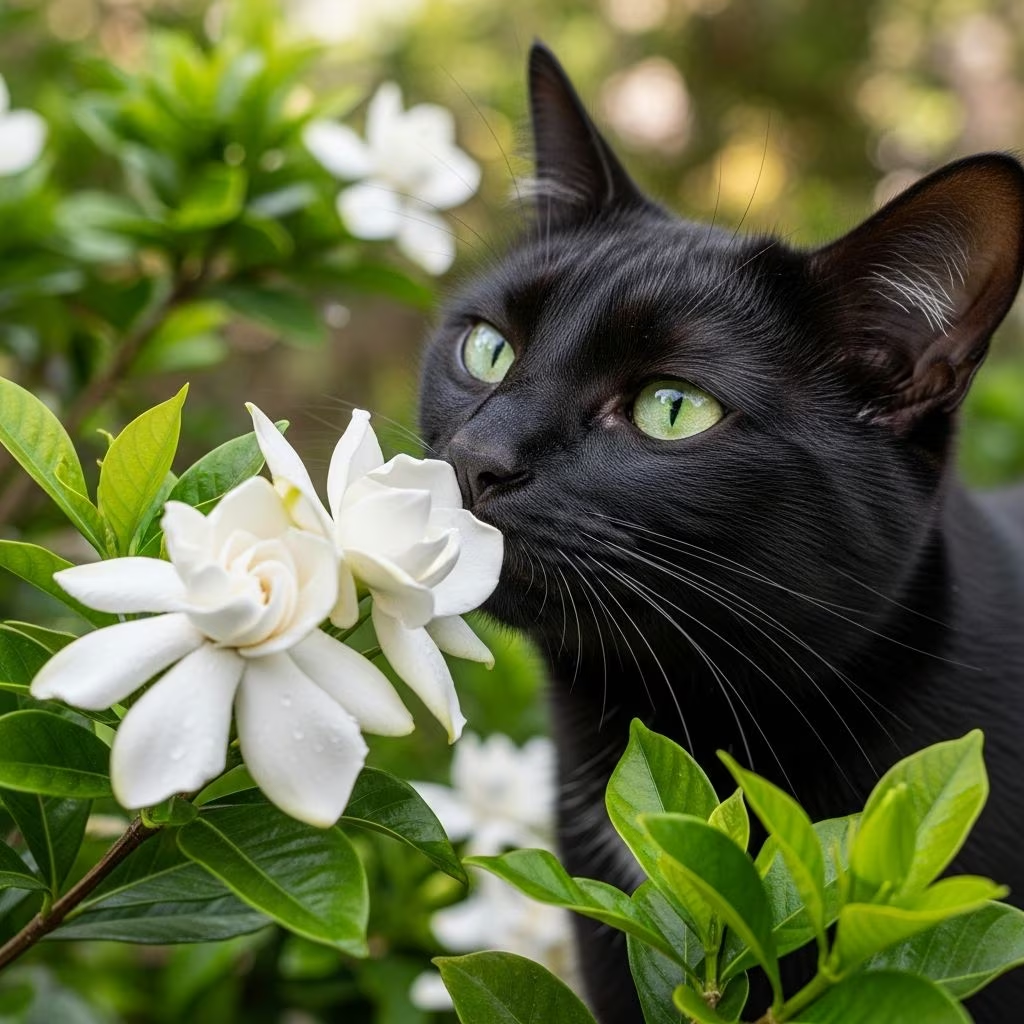
Beautifully fragrant gardenias add elegance to gardens and homes, but cat owners must consider their potential harm to pets. These plants from the Rubiaceae family contain compounds that trigger digestive issues in felines upon ingestion. While not typically lethal, even small amounts can lead to uncomfortable symptoms requiring prompt attention.https://www.aspca.org/pet-care/aspca-poison-control/toxic-and-non-toxic-plants/gardeniahttps://articles.hepper.com/are-gardenias-poisonous-to-cats/
Understanding the Science Behind Gardenia Toxicity
Gardenias harbor iridoid glycosides and other irritants that cats’ sensitive systems struggle to process. Unlike humans, cats lack certain enzymes, making plant compounds more disruptive. Ingestion irritates the gastrointestinal tract, mouth, and sometimes skin. Severity hinges on quantity consumed, cat size, and health status. Kittens and seniors face higher risks due to smaller body mass and weaker immunity.https://www.zoorithm.com/cats/are-gardenias-toxic-to-cats
Research from veterinary toxicology highlights that these glycosides break down into geniposide, provoking nausea and inflammation. Though classified as mildly toxic, repeated exposure or large doses amplify dangers, potentially straining kidneys or liver in vulnerable cats.https://www.petmd.com/cat/poisoning/garden-plant-toxicity-in-cats
Common Signs Your Cat Has Encountered Gardenias
Watch for early indicators appearing 1-6 hours post-ingestion. Initial cues include excessive drooling from oral irritation. Cats may paw at their mouth or refuse food. Gastrointestinal distress follows with vomiting—sometimes foamy or bile-tinged—and loose stools.
- Vomiting: Frequent, possibly with plant bits.
- Diarrhea: Watery, increasing dehydration risk.
- Lethargy: Unusual tiredness or hiding.
- Appetite loss: Skipping meals entirely.
- Abdominal discomfort: Hunching, whining, or sensitivity to touch.
- Drooling/hives: Skin reactions in rare cases.
Monitor breathing and heart rate; escalation to tremors signals urgency. Document symptoms and exposure time for vets.https://blackpetals.us/blogs/news/are-gardenias-poisonous-to-dogs-or-cats-nyc
Immediate Response: First Aid Essentials
Act swiftly if you witness chewing or find plant debris. Gently wipe the mouth with a damp cloth to remove residue, avoiding force. Offer water to dilute irritants but skip food until cleared by a pro. Never induce vomiting—cats risk aspiration.
Contact your vet or a pet poison hotline like ASPCA immediately. Provide details: plant amount, time elapsed, cat’s weight/age. Transport promptly if symptoms worsen. Early intervention often resolves issues outpatient.https://www.aspca.org/pet-care/aspca-poison-control/toxic-and-non-toxic-plants/gardenia
Veterinary Interventions for Gardenia Exposure
Clinics assess via history, exam, and tests like bloodwork for organ function. Decontamination might involve activated charcoal binding toxins. Anti-nausea meds (e.g., maropitant) curb vomiting; protectants soothe stomach lining.
| Treatment Type | Purpose | Typical Duration |
|---|---|---|
| Activated Charcoal | Binds toxins | Single dose |
| IV Fluids | Hydration/electrolytes | Hours to overnight |
| Anti-emetics | Stop vomiting | 24-48 hours |
| Monitoring | Vitals check | Clinic stay if severe |
Most recover within 24-72 hours with supportive care. Severe cases may need hospitalization for fluids and observation.https://articles.hepper.com/are-gardenias-poisonous-to-cats/https://www.petmd.com/cat/poisoning/garden-plant-toxicity-in-cats
Preventing Future Incidents in Cat Households
Proactive steps safeguard your spaces. Elevate or banish gardenias from reach—high shelves or outdoor-only. Opt for hanging baskets cats can’t leap to. Train with deterrents like citrus sprays or aluminum foil around bases, exploiting cats’ aversions.
- Use motion-activated air puffs near plants.
- Provide cat grass or catnip toys as diversions.
- Supervise outdoor time; fence gardens securely.
- Label plants for household awareness.
Regular home audits spot risks. Educate family on symptoms and protocols.https://www.zoorithm.com/cats/are-gardenias-toxic-to-cats
Safe Plant Alternatives for Cat-Friendly Gardens
Embrace non-toxic beauties. These thrive indoors/outdoors without peril:
- Spider Plant: Air-purifying, dangling appeal.
- Boston Fern: Lush, humidity-loving.
- Parlor Palm: Elegant, shade-tolerant.
- Calathea: Colorful, low-light champ.
- Bamboo: Lucky, fast-growing stalks.
Verify ASPCA lists before adding greenery. Mix with pet-safe pots for style sans stress.https://www.aspca.org/pet-care/aspca-poison-control/toxic-and-non-toxic-plants/gardenia
Long-Term Health Monitoring Post-Exposure
Post-recovery, track weight, appetite, litter habits. Annual vet checkups catch lingering effects. Boost immunity via balanced diet, play, low-stress environs. Hydration fountains encourage drinking, aiding detox.
Recognize breed variances: Persians’ flat faces heighten vomiting risks; Siamese sensitivity amplifies reactions. Tailor care accordingly.
Debunking Myths About Plant Toxicity in Cats
Myth: “Cats avoid toxic plants instinctively.” Reality: Curiosity overrides. Myth: “Mild toxins self-resolve.” Truth: Delays risk dehydration. Myth: “Outdoor cats dodge issues.” Fact: Garden nibbling common. Knowledge empowers prevention.
Frequently Asked Questions
Are gardenias fatal to cats?
No, fatalities are exceedingly rare; mild GI upset predominates with timely care.https://articles.hepper.com/are-gardenias-poisonous-to-cats/
How soon do symptoms start?
Usually 1-4 hours, escalating if untreated.https://www.zoorithm.com/cats/are-gardenias-toxic-to-cats
Can I handle treatment myself?
Avoid; vet guidance prevents complications like aspiration.https://www.petmd.com/cat/poisoning/garden-plant-toxicity-in-cats
What plants are completely safe?
Spider plants, ferns—cross-check ASPCA.https://www.aspca.org/pet-care/aspca-poison-control/toxic-and-non-toxic-plants/gardenia
Does flower-only ingestion matter?
All parts toxic; flowers concentrate irritants.
References
- Gardenia – Toxic and Non-toxic Plants — ASPCA. 2023. https://www.aspca.org/pet-care/aspca-poison-control/toxic-and-non-toxic-plants/gardenia
- Garden Plant Toxicity in Cats — PetMD. 2024-01-15. https://www.petmd.com/cat/poisoning/garden-plant-toxicity-in-cats
- Are Gardenias Poisonous to Cats? Vet-Verified Facts — Hepper. 2024-05-20. https://articles.hepper.com/are-gardenias-poisonous-to-cats/
- Are Gardenias Toxic to Cats? — Zoorithm. 2023-11-10. https://www.zoorithm.com/cats/are-gardenias-toxic-to-cats
- Are Gardenias Poisonous to Dogs or Cats? NYC Pet Owner’s Guide — Black Petals. 2024-02-28. https://blackpetals.us/blogs/news/are-gardenias-poisonous-to-dogs-or-cats-nyc



