

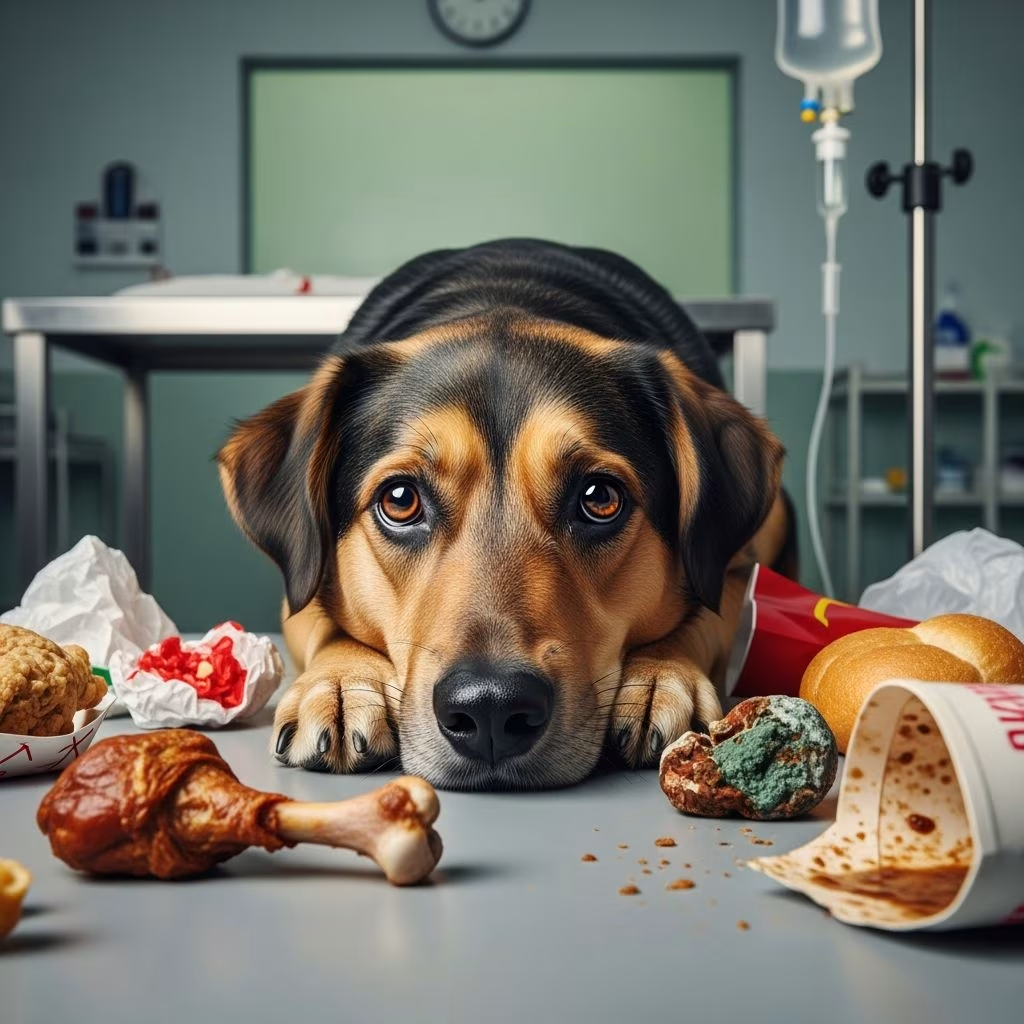
Dogs often explore their environment with curiosity, sometimes leading them to ingest inappropriate items like garbage. This behavior, known as garbage gut, can trigger acute digestive distress due to spoiled food, toxins, or indigestible materials. Prompt recognition and action are essential to prevent complications like dehydration or bacterial infections.
Understanding the Scavenging Instinct
Canines have a natural tendency to scavenge, rooted in their ancestral survival behaviors. Modern household trash, filled with fatty leftovers, bones, and decaying matter, poses significant risks. Unlike commercial dog food designed for balanced nutrition, garbage lacks digestibility and may harbor pathogens such as Salmonella or sharp objects that cause internal damage.
Breeds with strong prey drives, like Labradors or Beagles, are particularly prone. Puppies and seniors face heightened vulnerability due to immature or weakened immune systems. Environmental factors, including unsecured bins during holidays or outdoor adventures, exacerbate the issue.
Primary Symptoms to Watch For
Manifestations of garbage gut typically appear within hours of ingestion. Common indicators include:
- Repeated **vomiting**, often containing undigested food or bile.
- **Diarrhea**, which may be watery, bloody, or mucus-laden.
- **Excessive gas** or foul-smelling flatulence, signaling fermentation in the gut.
- **Lethargy** and reluctance to play or move.
- **Abdominal discomfort**, shown by whining, hunching, or a ‘praying’ posture.
Less obvious signs involve **reduced appetite**, **drooling**, or **dehydration** evidenced by dry gums and sunken eyes. If blood appears in vomit or stool, or if symptoms persist beyond 24 hours, immediate veterinary evaluation is critical.
Why Garbage Triggers Gut Chaos
Ingested trash disrupts the gastrointestinal tract through multiple mechanisms. High-fat content from discarded meals overwhelms the pancreas, potentially causing pancreatitis. Bacterial contamination leads to inflammation, while foreign bodies like plastic or bones risk obstructions.
Acute hemorrhagic diarrhea syndrome (AHDS), sometimes linked to scavenging, presents with sudden bloody stools and rapid dehydration, especially in younger dogs. Toxins from moldy food or chemicals in trash can induce gastritis, characterized by excessive thirst followed by vomiting.
| Item | Potential Harm | Symptoms |
|---|---|---|
| Fatty scraps | Pancreatitis | Vomiting, abdominal pain |
| Moldy food | Mycotoxins | Lethargy, tremors |
| Bones | Obstruction/perforation | Constipation, straining |
| Chocolate wrappers | Theobromine toxicity | Restlessness, seizures |
| Cleaning chemicals | Corrosive burns | Drooling, ulcers |
Assessing Severity: When It’s an Emergency
Not all episodes require a vet visit, but certain red flags demand urgent care. Seek professional help if your dog shows:
- Bloody or black, tarry stools indicating internal bleeding.
- Signs of **dehydration**: skin tenting, weak pulse, or lethargy.
- **Abdominal bloating** or pain unresponsive to touch.
- Persistent vomiting preventing water intake.
- Neurological symptoms like weakness or collapse.
Puppies, seniors, or dogs with pre-existing conditions like diabetes warrant quicker intervention. Delaying care can lead to shock, electrolyte imbalances, or life-threatening obstructions.
Home Management Strategies
For mild cases, withhold food for 12-24 hours to rest the gut, then introduce a bland diet. Offer small amounts of boiled chicken and rice (3:1 ratio) multiple times daily, gradually transitioning back to regular kibble over 3-5 days.
Ensure constant access to fresh water. Add unflavored electrolyte solutions if dehydration is mild. Probiotics formulated for dogs can restore gut flora balance. Monitor stool quality and energy levels closely.
Never administer human medications like Pepto-Bismol without vet approval, as they can worsen toxicity.
Veterinary Interventions Explained
In clinic, vets perform diagnostics including bloodwork, fecal analysis, and radiographs to rule out obstructions or infections. Treatments may involve:
- IV fluids for rehydration.
- Anti-emetics to control nausea.
- Antibiotics for bacterial overgrowth.
- Surgery for foreign body removal.
For suspected toxins, activated charcoal or specific antidotes are used. Hospitalization ensures monitoring, especially in severe AHDS cases.
Proven Prevention Tactics
Prevention hinges on environmental control. Secure trash cans with locks or place them in garages. Supervise walks and hikes, using leashes in areas with dumpsters.
Train with commands like ‘leave it’ reinforced by high-value treats. Hunger drives scavenging, so maintain consistent feeding schedules with quality diet to reduce appeal of trash.
Consider appetite-suppressing puzzle toys or slow feeders. Fencing yards and using motion-activated deterrents near bins adds layers of protection.
Nutritional Support for Gut Resilience
A diet rich in prebiotics and fiber bolsters digestive health. Look for foods with pumpkin, chicory root, or beet pulp. Omega-3 supplements reduce inflammation.
Regular deworming and vaccinations prevent parasitic contributions to gut woes. Annual check-ups catch chronic issues early.
FAQs on Garbage Gut in Dogs
Q: How long does garbage gut last?
A: Mild cases resolve in 1-2 days with fasting and bland food; severe ones may take a week with vet care.
Q: Can garbage gut cause long-term damage?
A: Repeated episodes risk chronic enteritis or pancreatitis, but single incidents rarely do if treated promptly.
Q: Is rice good for dogs with diarrhea?
A: Yes, boiled white rice is gentle and binding when paired with lean protein.
Q: What if my dog ate antifreeze from trash?
A: This is toxic; rush to an emergency vet as it causes kidney failure.
Q: How to stop a dog from eating trash?
A: Use training, secure bins, and provide mental stimulation to curb boredom.
Real-World Case Insights
Consider a Labrador who raided a holiday trash bin: initial vomiting escalated to bloody diarrhea. IV fluids and antibiotics resolved it in 48 hours, highlighting rapid intervention’s value. Another case involved a puppy with bone obstruction, requiring surgery—prevention proved cheaper.
These examples underscore vigilance. Track patterns; if scavenging persists, consult a behaviorist.
References
- Signs of an Unhealthy Digestive System in Dogs — Big Dog Pet Foods. 2023. https://www.bigdogpetfoods.com/guides/signs-of-an-unhealthy-digestive-system-in-dogs
- Digestive Issues in Dogs: Causes, Prevention, and Treatment — Bond Vet. 2024. https://bondvet.com/blog/digestive-issues-in-dogs-causes-prevention-and-treatment
- Recognizing Signs of Gastrointestinal Upset in Dogs and Cats — Crystal Creek Vet. 2023. https://www.crystalcreekvet.com/blog/recognizing-signs-of-gastrointestinal-upset-in-dogs-and-cats
- Disorders of the Stomach and Intestines in Dogs — Merck Veterinary Manual. 2025-01-15. https://www.merckvetmanual.com/dog-owners/digestive-disorders-of-dogs/disorders-of-the-stomach-and-intestines-in-dogs
- Identifying Digestive Issues in Cats and Dogs: Warning Signs — Pet Town Vet. 2024. https://www.pettownvet.com/blog/identifying-digestive-issues-in-cats-and-dogs-warning-signs
- Most Common Digestive Issues in Dogs and How to Relieve Them — TRA Animal Hospital. 2023. https://www.tranimalhospital.com/articles/general/624556-most-common-digestive-issues-in-dogs-and-how-to-relieve-them



