

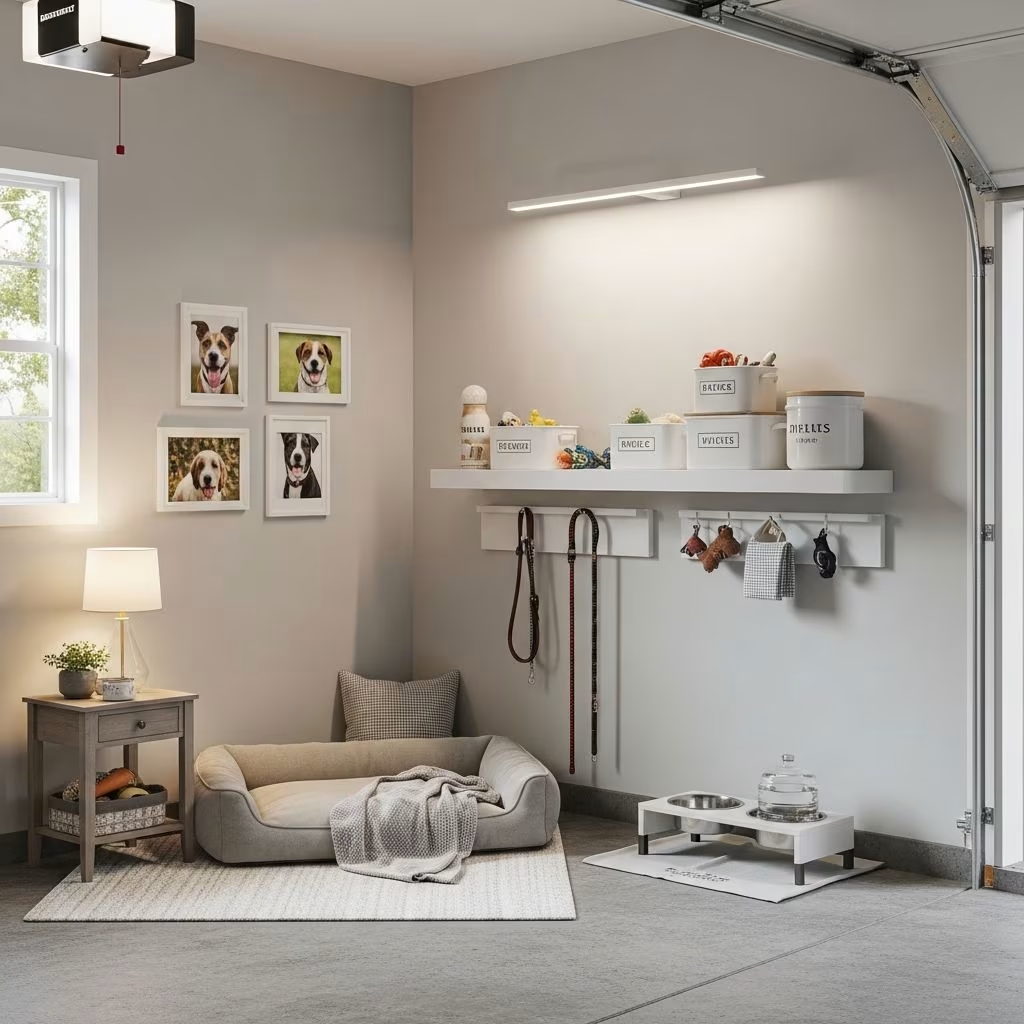
Many dog owners wonder whether their garage can serve as a temporary holding area while they’re away at work. The answer is yes—but only when proper preparations are made. A garage can actually provide an excellent solution for dogs that experience separation anxiety or need a break from constant external stimulation, offering more space than a crate while maintaining a controlled environment. However, transforming a typical garage into a pet-safe zone requires careful planning and attention to multiple safety and comfort considerations.
Understanding the Garage as a Dog Space
The garage differs significantly from indoor living areas in terms of both opportunities and risks. Unlike a kitchen or bedroom designed for human habitation, garages typically contain various hazards—chemical storage, sharp tools, temperature fluctuations, and vehicles—that require specialized attention when housing a pet. However, when properly prepared, a garage offers distinct advantages: ample square footage for movement, reduced external visual stimuli, natural sound dampening, and separation from household distractions.
Before considering the garage as a viable option, you must realistically assess your specific garage layout, existing conditions, and your dog’s individual needs. A spacious, climate-controlled garage with minimal hazards presents far fewer challenges than a cramped, uninsulated space filled with maintenance equipment and chemical products. Your dog’s age, temperament, house-training status, and previous experience with confined spaces all influence whether this arrangement will succeed.
Toxins and Chemical Hazards: The Primary Concern
The most critical issue facing any dog confined to a garage involves exposure to toxic substances. Garages serve as storage repositories for numerous household chemicals that pose serious health risks to pets. Common garage dangers include:
- Automotive fluids: Motor oil, antifreeze, transmission fluid, and brake fluid leak from vehicles and equipment, creating immediate poisoning hazards if ingested
- Cleaning agents: Degreasers, floor cleaners, and surface polishes contain caustic compounds harmful to dogs
- Paint products: Paint, paint thinner, turpentine, and similar solvents cause severe internal damage if consumed
- Pesticide and rodent control products: Rodenticides are particularly dangerous, often causing fatal reactions in pets
- Fuel and propane: These materials present both toxic inhalation risks and fire hazards
To mitigate these dangers, establish a systematic storage protocol. Transfer all potentially harmful substances into sealed, lockable cabinets positioned at heights your dog cannot reach by jumping or climbing. Even seemingly harmless items like old batteries require secure storage, as they can leak corrosive materials. Regularly inspect your garage floor for spills, leaks, and small debris that could become choking hazards, sweeping thoroughly after any maintenance projects or DIY work.
Environmental Control and Temperature Management
Dogs cannot regulate their body temperature as efficiently as humans, making garage environmental conditions critically important. An uninsulated garage exposed to direct sunlight transforms into a dangerous heat trap during warm months, potentially causing heat stroke within hours. Conversely, unheated garages in winter can expose dogs to dangerously cold temperatures, risking hypothermia and frostbite.
Proper ventilation serves a dual purpose: it prevents the accumulation of toxic fumes from vehicles, tools, and stored chemicals while maintaining healthy air circulation. If your garage houses vehicles regularly, ensure adequate ventilation to minimize dogs’ exposure to exhaust fumes and volatile organic compounds.
Practical temperature management solutions include:
- Installing ceiling fans or portable air conditioning units to maintain safe temperatures during warm seasons
- Adding insulation or radiant heating to prevent extreme cold exposure
- Positioning a well-insulated garage door (R-16 rating minimum) to provide thermal protection and sound dampening
- Monitoring garage temperature throughout the day with a thermometer, limiting access during unsafe temperature ranges
- Ensuring adequate shade from direct sunlight and preventing heat buildup
If your garage cannot maintain consistent, safe temperatures, restrict your dog’s garage time to cooler morning and evening hours, or reconsider this arrangement entirely.
Physical Space Preparation and Comfort Considerations
Beyond hazard removal, your garage requires physical modifications to promote comfort and reduce stress. The concrete floor standard in most garages provides an uncomfortable resting surface for extended periods, potentially causing muscle soreness and pressure sores on bony areas.
Establish comfort by providing:
- Bedding options: Place orthopedic dog beds, cushions, or foam mats throughout the space, offering your dog multiple resting locations
- Familiar items: Include objects bearing your scent, such as an old t-shirt or blanket, to reduce separation anxiety and create emotional comfort
- Accessible crate: If your dog is crate-trained, position their crate in the garage with the door left open, providing a secure refuge while allowing freedom to explore
- Water and food dishes: Position water bowls in multiple locations to encourage hydration throughout the day
- Waste management: For housebroken dogs, walk them immediately before and after your absence period; for puppies or untrained dogs, place puppy pads or newspaper in designated bathroom areas
Gradual Introduction and Acclimation Strategy
Adult dogs and cats with established behavioral patterns require careful, gradual introduction to garage environments. Abruptly confining a dog to an unfamiliar space typically increases anxiety, potentially creating long-term negative associations.
Implement a step-by-step acclimation process:
- Week one: Allow your dog short, supervised visits of 5-10 minutes to explore and familiarize themselves with the space
- Week two: Extend visits to 20-30 minutes while you remain nearby but engaged in separate activities
- Week three: Leave your dog in the garage for 30-60 minutes with you absent from the room
- Subsequent weeks: Gradually increase duration, monitoring your dog’s behavior for signs of stress or anxiety
- Final stage: Only after demonstrating comfort in shorter durations should you leave your dog for full workday periods
During this introduction period, spend active time with your dog in the garage—play, offer treats, and engage in positive interactions—to establish the space as an area where good experiences occur rather than a punishment zone.
Time Duration Guidelines by Dog Age and Development Stage
Dogs possess different physical and psychological capabilities depending on their age and life stage. Understanding these limitations prevents unnecessary suffering and behavioral problems.
Adult Dogs (1-7 years): Generally, adult dogs should not remain alone for more than 4-6 hours consecutively. While some sources suggest up to 8 hours is possible, this extended duration requires mid-day intervention through dog walkers or home visits. Leaving dogs for full 8+ hour workdays without breaks leads to anxiety, destructive behaviors, and potential house-soiling incidents.
Puppies (under 1 year): Young puppies have bladder control limitations that make extended garage confinement inappropriate. Puppies typically require bathroom breaks every 2-3 hours, making a full workday untenable without professional intervention. Additionally, puppies have limited attention spans and require frequent social interaction for proper development. Most experts recommend that puppies remain unattended for no longer than 1-2 hours at a time.
Senior Dogs (7+ years): Older dogs often have compromised bladder control, arthritis limiting movement comfort, and increased anxiety sensitivity. Senior dogs should not be left alone for more than 4 hours without a midday break, similar to or even more conservative than adult dog guidelines.
Managing Behavioral and Psychological Considerations
Dogs are social animals with complex emotional needs. Prolonged isolation, even in a comfortable environment, creates psychological stress manifesting as destructive behaviors, inappropriate elimination, excessive vocalization, or escape attempts.
Separation anxiety represents a particular concern. Some dogs experience genuine panic when separated from their owners, regardless of environmental quality. For these dogs, the garage may actually provide relief by minimizing external visual stimuli—barking dogs, passing pedestrians, neighborhood activity—that amplify anxiety.
However, garage confinement alone does not address the underlying anxiety. Comprehensive approaches include:
- Consulting with a veterinary behaviorist about anxiety-management strategies
- Providing puzzle toys, kongs, or long-lasting chews to redirect anxiety and provide mental stimulation
- Using dog-appeasing pheromone products (such as Adaptil) to calm nervous dogs
- Arranging midday dog walker visits to break up isolation periods
- Avoiding leash attachment: Never tether dogs to fixed points in the garage, as this dangerous practice can result in serious injury or death if the dog panics
Hazard Categories and Prevention Strategies
| Hazard Category | Specific Items | Prevention Methods |
|---|---|---|
| Chemical Toxins | Antifreeze, motor oil, pesticides, paint, solvents | Lock in sealed cabinets; clean spills immediately; monitor vehicle maintenance |
| Choking Hazards | Small fasteners, wire, rope, debris | Sweep regularly; store in organized containers; remove loose items |
| Sharp Objects | Tools, nails, broken equipment | Store in locked toolboxes; cover equipment with tarps |
| Electrical Hazards | Exposed wires, extension cords, power tools | Secure cords along walls; unplug tools; use cord covers |
| Temperature Extremes | Heat in summer; cold in winter | Insulate; add climate control; monitor daily temperature |
| Vehicle Hazards | Exhaust, fluid leaks, antifreeze | Park vehicles outside; inspect regularly; ensure ventilation |
Practical Implementation: Preparing Your Garage
Transform your existing garage through systematic preparation. Begin with a complete cleanout, removing unnecessary items and categorizing everything you keep. Establish distinct zones: a comfortable rest area with bedding, a designated bathroom area with pads or newspaper, a water station, and toy/enrichment zones.
Create barriers if needed, using baby gates or pet barriers to confine your dog to specific garage sections while leaving doors open for exploration as they acclimate. This prevents initial overwhelm while gradually expanding accessible space.
Secure a dog bed or orthopedic mat in a quiet corner away from direct sunlight. Position water bowls in multiple locations, refreshing water daily. Store all cleaning supplies, tools, and automotive products in locked cabinets. Install adequate lighting to prevent your dog from feeling isolated in darkness.
When Garage Confinement Is Not Appropriate
While garages can work for many dogs, certain situations make this arrangement unsuitable regardless of preparation. Dogs with severe separation anxiety may require professional training before attempting extended alone time. Senior dogs with mobility issues struggle with concrete floors and temperature fluctuations. Puppies under 16 weeks lack sufficient bladder control and require more frequent human interaction than garage situations typically provide. Dogs with respiratory conditions or specific health issues may experience complications from garage ventilation or temperature variations.
Alternative Solutions and Complementary Strategies
The garage need not serve as your dog’s sole daytime environment. Professional dog walkers, pet sitters, doggy daycare facilities, and arrangements with trusted neighbors or family members provide midday breaks that enhance any garage setup. These interventions prevent excessive isolation while allowing your dog access to social interaction, exercise, and bathroom breaks.
Some owners discover that a combination approach works best: the garage provides a safe, temporary space for specific situations, while primary daytime care involves professional services or home arrangements.
Monitoring and Ongoing Assessment
Once you’ve established your garage as a dog space, regular monitoring ensures safety and comfort maintenance. Check garage conditions weekly for new hazards, spills, or temperature fluctuations. Observe your dog’s behavior—excessive panting, pacing, destructive behavior, or inappropriate elimination indicates stress or discomfort requiring intervention. Rotate bedding materials and enrichment items to prevent boredom. Refresh water daily and inspect food/water dishes for contamination or algae growth.
Remember that the garage should serve as a temporary solution during work hours, not a permanent living space. Your dog requires daily outdoor time, exercise, mental stimulation, and human interaction to thrive psychologically and physically.
References
- Transform your garage into a safe haven for your dog — Crosby Garage Doors. Accessed 2026-01-30. https://www.crosbygaragedoors.com/blog/transform-garage-safe-haven-dog-2
- Want to keep your dog in the garage during the day? Here’s how! — RAM Doors. Accessed 2026-01-30. https://www.ramdoors.ca/ca/blog/want-to-keep-your-dog-in-the-garage-during-the-day-heres-how-to-make-it-safe
- Is Your Garage a Danger Zone? Tips for Keeping Cats and Dogs Safe — FitBark. Accessed 2026-01-30. https://www.fitbark.com/blog/is-your-garage-a-danger-zone-tips-for-keeping-cats-and-dogs-safe/
- Keeping Your Pets Safe from Garage Hazards — Pet Health Network. Accessed 2026-01-30. https://www.pethealthnetwork.com/dog-health/dog-toxins-poisons/keeping-your-pets-safe-garage-hazards
- What Pet Dangers Are in Your Garage? — ASPCA. Accessed 2026-01-30. https://www.aspca.org/news/what-pet-dangers-are-your-garage



