
Gangrenous Dermatitis In Poultry: 5 Risk Factors To Know
Essential guide to recognizing, managing, and preventing this deadly bacterial skin infection in chickens and turkeys.
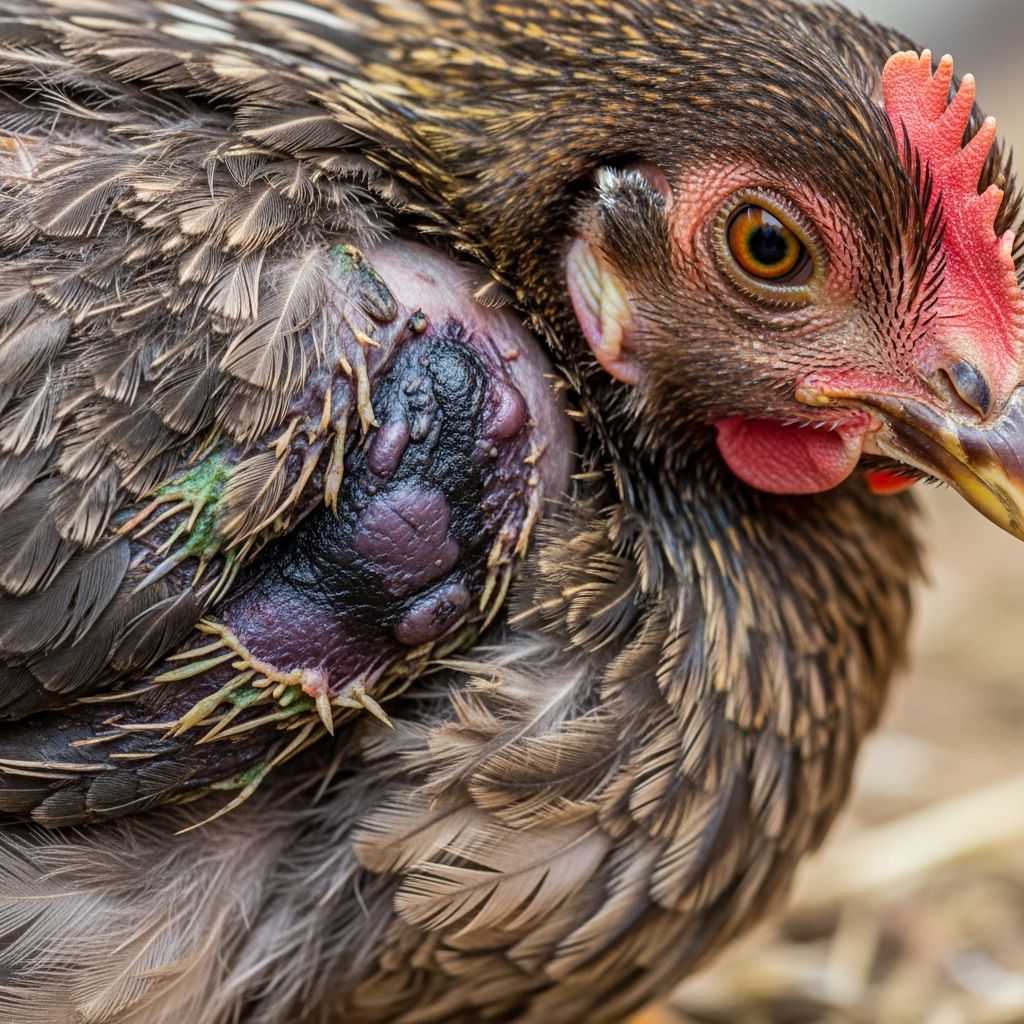
Gangrenous dermatitis (GD) represents a critical bacterial infection that strikes chickens and turkeys, resulting in skin necrosis, subcutaneous gas formation, and swift death. This condition, driven primarily by Clostridium species, poses substantial economic threats to poultry operations through elevated mortality rates often surpassing 100 birds daily per barn.
Understanding the Pathology of GD
The disease originates from opportunistic bacteria such as Clostridium septicum and Clostridium perfringens, which flourish in compromised hosts. These pathogens invade through skin breaches or intestinal barriers, producing toxins that trigger tissue death and emphysema beneath the skin. Lesions typically manifest as dark red to purple discolorations filled with gas bubbles, affecting regions like the breast, wings, abdomen, and thighs.
Historically, GD targeted the tailhead and inguinal areas with vesicle formation, but recent shifts show internal organ involvement, including “cooked” livers and spleens alongside blood-tinged fluids in body cavities. Rapid decomposition of carcasses complicates detection, as bodies appear aged beyond their actual time of death.
Recognizing Clinical Manifestations
Sick birds exhibit acute symptoms including high fever, lethargy, reduced feed intake, unsteadiness, weakened legs, and recumbency. Subcutaneous edema accumulates notably in the lower abdomen and inner thighs, while affected skin loses feathers and adopts ominous hues of green-blue or purple. Without intervention, death ensues within 24 hours.
- Skin changes: Discoloration from red to black, gas bubbles, ulceration (especially with secondary Staphylococcus aureus).
- Behavioral signs: Depression, ataxia, isolation from flock.
- Systemic effects: Edema, fever, anorexia leading to quick fatality.
Microscopic views reveal epidermal and dermal necrosis, edema, emphysema, and gram-positive rods in muscles with sparse inflammation.
Risk Factors Fueling Outbreaks
GD thrives amid immunosuppression, poor biosecurity, and environmental pressures. Key contributors include:
| Factor | Description | Impact |
|---|---|---|
| Immunosuppression | Vaccination gaps against IBD, Marek’s, reovirus, chicken anemia virus | Weakens defenses, allows bacterial proliferation |
| Litter quality | Wet litter, water leaks, dead bird accumulation | Boosts Clostridium spore counts |
| Stocking density | High bird numbers, short downtimes | Increases injury and stress |
| Feed issues | Moldy feed, nutritional deficits | Reduces immunity |
| Seasonality | Warmer months, poor ventilation | Promotes bacterial growth |
Experimental models confirm glucocorticoids like dexamethasone predispose birds to GD post-bacterial challenge, highlighting stress’s role.
Diagnostic Approaches
Diagnosis hinges on clinical observation, necropsy, and lab confirmation. Post-mortem exams show characteristic skin emphysema, organ necrosis, and gas in tissues. Cultures from lesions yield Clostridium dominantly, with histopathology displaying minimal infiltrates around rods.
Veterinarians recommend isolating suspect cases and submitting samples to labs like TVMDL for bacterial identification, distinguishing GD from similar conditions like cellulitis.
Treatment Protocols for Affected Flocks
While curative options remain limited due to GD’s rapidity, supportive and antimicrobial strategies can curb outbreaks if applied early.
- Supportive care: Isolate affected birds in warm, stress-free environments with accessible feed and water.
- Antibiotics: Erythromycin in feed (0.102 g/L chicks, 0.25 g/L adults) or water (10-20 mg/kg daily).
- Wound care: Irrigate lesions; consider hyperbaric oxygen adjunctively.
- Water acidification: Iodine disinfectant (1 oz stock per gallon, every other day x3) post-onset.
For mild cases (<50 deaths/day/house), acidify water 7+ days and apply litter amendments like sodium bisulfate. Always consult integrators before litter treatments to avoid residues.
Comprehensive Prevention Blueprint
Proactive measures target bacterial load reduction, immunity bolstering, and injury minimization.
Biosecurity Foundations
Implement full clean-outs between flocks, extended downtimes, and reduced densities. Disinfect thoroughly, adjusting soil pH to neutral/acid if alkaline.
Vaccination and Immunity
Protect against immunosuppressive viruses: IBD, Marek’s, reovirus, anemia virus. Use probiotics/prebiotics for gut health, anticoccidials for intestinal integrity.
Litter and Environment Control
Maintain dry litter via leak fixes, frequent dead pickup. Apply pH-lowering agents (alum, salt, bisulfates) at 4 weeks, noting variable field success.
Minimize stressors: dim lights, avoid feed gaps, prevent scratches.
Nutritional Support
Run vitamins, electrolytes, apple cider vinegar if approved, enhancing hydration and gut flora balance.
Economic Ramifications and Case Insights
GD inflicts heavy losses via mass die-offs and culls. Alabama case reports and Texas broiler flocks underscore repeat risks without intervention. Farms with chronic issues benefit from soil testing and feed system cleanses.
FAQs on Gangrenous Dermatitis
What triggers GD in poultry?
Clostridium bacteria exploit skin wounds or gut leaks in immunosuppressed, stressed birds amid poor litter.
How quickly does GD kill?
Often within 24 hours, with morbidity to mortality in hours.
Can GD be treated successfully?
Supportive antibiotics help early cases, but prevention outperforms treatment.
What litter treatments work best?
Sodium bisulfate, alum, salt lower pH and bacteria; consult experts first.
Is vaccination key to control?
Yes, targeting viral immunosuppressors prevents bacterial opportunism.
Future Directions in GD Management
Ongoing research explores microbial shifts via probiotics and novel antimicrobials. Integrated plans with consultants like Elanco yield tailored defenses. Farmers must prioritize holistic farm hygiene for sustained control.
References
- Gangrenous Dermatitis in Chickens: Signs, Treatment & Prevention — PoultryDVM. 2025. https://poultrydvm.com/condition/gangrenous-dermatitis
- Treatment of Gangrenous Dermatitis in Poultry — Elanco. Accessed 2026. https://farmanimal.elanco.com/us/article/gangrenous-dermatitis-in-poultry
- Understanding and Control of Gangrenous Dermatitis in Poultry Houses — The Poultry Site. Accessed 2026. https://www.thepoultrysite.com/articles/understanding-and-control-of-gangrenous-dermatitis-in-poultry-houses
- Gangrenous Dermatitis in Broilers — Mississippi State University Extension. Accessed 2026. https://extension.msstate.edu/publications/gangrenous-dermatitis-broilers
- Gangrenous Dermatitis in Chickens and Turkeys — PMC – NIH. 2019-05-01. https://pmc.ncbi.nlm.nih.gov/articles/PMC6505868/
- Preventing and Guarding Against Gangrenous Dermatitis — Elanco. Accessed 2026. https://farmanimal.elanco.com/us/article/preventing-and-guarding-against-gangrenous-dermatitis
Similar Articles








Read full bio of medha deb


