

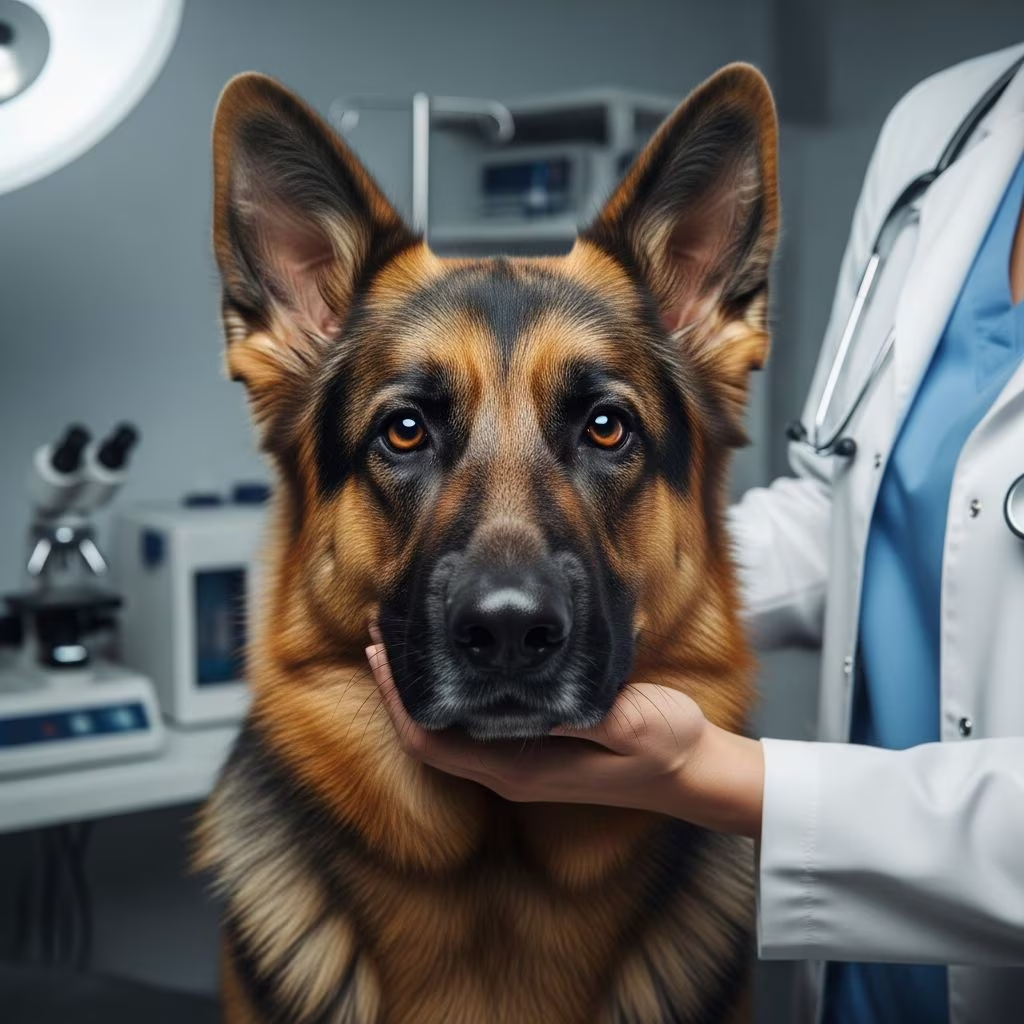
Gammopathies refer to disorders in dogs where there is an abnormal increase in serum immunoglobulins, the proteins produced by plasma cells that play a key role in the immune response. These conditions can be broadly classified into monoclonal and polyclonal types, each with distinct underlying mechanisms and clinical implications. Monoclonal gammopathies arise from the overproduction of a single type of immunoglobulin by a clone of plasma cells, often linked to cancers like multiple myeloma, while polyclonal gammopathies result from widespread immune stimulation due to chronic infections or inflammation.
Understanding the Immune System’s Role in Gammopathies
The canine immune system relies on B-lymphocytes that differentiate into plasma cells to produce immunoglobulins (IgG, IgA, IgM, etc.). In healthy dogs, these proteins maintain a balanced gamma globulin fraction in blood serum. Disruptions lead to gammopathies, where electrophoresis reveals characteristic peaks: a sharp, narrow spike for monoclonal (M-protein) and a broad elevation for polyclonal.[10]
Plasma cell tumors, such as those in multiple myeloma, secrete excessive monoclonal proteins. These can deposit in tissues, causing amyloidosis, or increase blood viscosity, leading to hyperviscosity syndrome (HVS). Polyclonal increases, conversely, reflect reactive hyperplasia from ongoing antigenic challenges.
Types of Gammopathies: Monoclonal vs. Polyclonal
| Type | Characteristics | Common Causes | Key Features on Electrophoresis |
|---|---|---|---|
| Monoclonal | Narrow peak in beta/gamma region | Multiple myeloma (50% cases), plasmacytoma, leukemia | Spike as tall as albumin peak |
| Polyclonal | Broad gamma band elevation | Chronic infections, autoimmune diseases, cancer | Diffuse increase, no sharp peak[10] |
Monoclonal gammopathies are rarer but more ominous, often neoplastic. In dogs, about 50% link to multiple myeloma, with others from lymphoproliferative disorders or infections like ehrlichiosis.
Primary Causes and Risk Factors
Monoclonal Gammopathies
The leading cause is multiple myeloma (MM), a malignancy of plasma cells infiltrating bone marrow. Tumors favor flat bones (skull, ribs, pelvis, vertebrae), causing lytic lesions that weaken structure and provoke fractures. Non-MM causes include Waldenström’s macroglobulinemia, chronic lymphocytic leukemia, and rarely, infections like leishmaniasis.
- MM accounts for monoclonal peaks in half of affected dogs.
- Bence Jones proteins (light chains) excreted in urine damage kidneys.
- Amyloid deposition from light chains affects organs like heart and kidneys.
Polyclonal Gammopathies
These stem from persistent immune activation. Common triggers:
- Chronic infections: bacterial (e.g., pyoderma), viral, fungal, parasitic, rickettsial.
- Autoimmune conditions: systemic lupus erythematosus, rheumatoid arthritis.
- Inflammatory diseases: myositis, some cancers.
Older dogs are more prone, with breeds like German Shepherds overrepresented in MM cases, though no strong genetic links are confirmed.
Clinical Signs and Symptoms
Symptoms vary by type and severity. Monoclonal cases often present subtly at first, progressing to systemic issues.
Common Signs in Monoclonal Gammopathies
- Lethargy and weakness (62% of cases).
- Lameness or bone pain (47%), from lytic lesions or fractures.
- Bleeding tendencies (37%): petechiae, epistaxis due to thrombocytopenia or interference with clotting.
- Ophthalmic issues (35%): blindness, chorioretinitis, glaucoma from HVS.
- Polyuria/polydipsia (25%): renal failure, hypercalcemia.
- Neurologic deficits (12%): depression, seizures from CNS hemorrhage.
In 20% of dogs, high IgM/IgA levels cause HVS: blood thickens, leading to sludging, thrombosis, gangrene (ear tips, toes), hypertension, and organ failure.
Polyclonal Gammopathy Signs
Reflect underlying disease: fever, weight loss, lymphadenopathy, organ-specific symptoms (e.g., skin lesions in infections).[10]
Diagnosis: From Suspicion to Confirmation
Diagnosis starts with history and exam, followed by lab tests.
- Complete Blood Count (CBC): Anemia, thrombocytopenia, leukopenia.
- Serum Biochemistry: Hyperglobulinemia, hypoalbuminemia, hypercalcemia, azotemia.
- Urinalysis: Proteinuria, low specific gravity, Bence Jones proteins.
- Serum Protein Electrophoresis (SPEP): Gold standard for identifying M-spike or polyclonal increase.[10]
- Imaging: Radiographs/CT for osteolytic lesions (punched-out appearance).
- Bone Marrow Aspiration: Plasmacytosis >20% confirms MM.
- Ophthalmic/Other Exams: For HVS signs.
Differentiate from mimics like leishmaniasis via serology/PCR.
Treatment Strategies and Management
Treatment targets the cause, with supportive care.
For Monoclonal Gammopathies (e.g., MM)
- Chemotherapy: Melphalan + prednisolone (standard); cyclophosphamide, vincristine alternatives. Remission in many, but median survival 1-2 years.
- Bisphosphonates (e.g., pamidronate): For hypercalcemia, bone lesions.
- Plasmapheresis: For severe HVS to reduce viscosity.
- Pain Management: NSAIDs, opioids for lameness.
For Polyclonal Gammopathies
Treat underlying condition: antibiotics for infections, immunosuppressants for autoimmunity.
Monitor via serial SPEP; prognosis better if reactive.[10]
Prognosis and Long-Term Outlook
Monoclonal (MM): Guarded; response to chemo varies, relapse common. HVS worsens outlook. Polyclonal: Excellent if cause resolved. Regular follow-ups essential to track protein levels, renal function.
Prevention and Owner Tips
- Early detection via routine senior bloodwork.
- Prompt treatment of chronic infections.
- Watch for unexplained lameness, bleeding, lethargy in older dogs.
Frequently Asked Questions (FAQs)
What is the most common cause of monoclonal gammopathy in dogs?
Multiple myeloma, responsible for about 50% of cases.
Can gammopathies be cured?
Polyclonal often resolve with cause treatment; monoclonal managed but rarely cured.
Is hyperviscosity syndrome treatable?
Yes, via plasmapheresis and chemo; early intervention key.
Which breeds are at higher risk?
No definitive breed predisposition, but larger breeds like Labs reported.
How is SPEP performed?
Simple blood draw; separates proteins by charge/size for pattern analysis.[10]
References
- Gammopathies in Dogs – Dog Owners – Merck Veterinary Manual — Merck & Co. 2023. https://www.merckvetmanual.com/dog-owners/immune-disorders-of-dogs/gammopathies-in-dogs
- Monoclonal gammopathy leading to blood hyperviscosity syndrome — SciELO Brazil. 2020. https://www.scielo.br/j/abmvz/a/BSkcspzrJqgWSBKHsJ6GZbv/?lang=en
- A review of immunologic diseases of the dog — PMC (NCBI). 2020-03-25. https://pmc.ncbi.nlm.nih.gov/articles/PMC7119806/
- Multiple Myeloma — Veterinary Society of Surgical Oncology (VSSO). 2023. https://vsso.org/multiple-myeloma
- Gammopathies in Animals – Immune System — Merck Veterinary Manual. 2023. https://www.merckvetmanual.com/immune-system/immunologic-diseases/gammopathies-in-animals
- Gammopathies in Animals – Immune System — MSD Veterinary Manual. 2023. https://www.msdvetmanual.com/immune-system/immunologic-diseases/gammopathies-in-animals



