

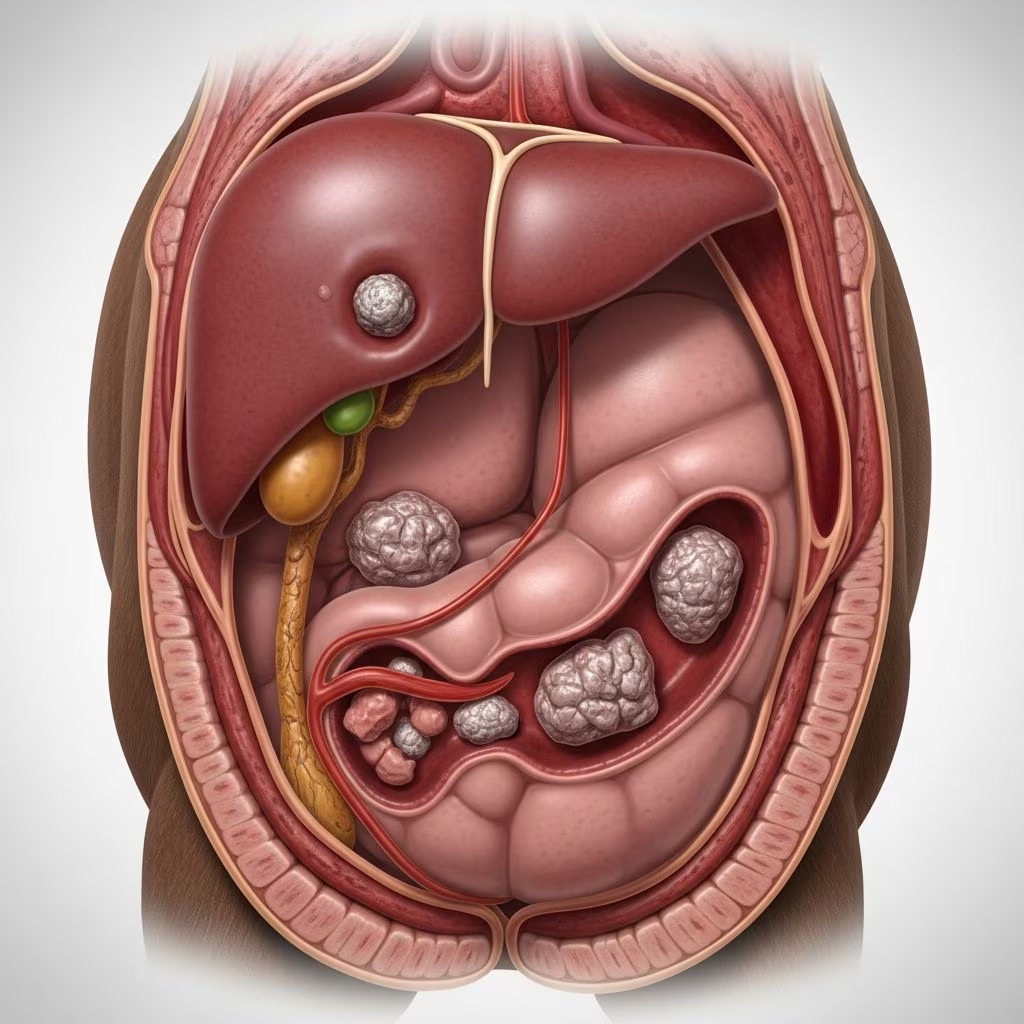
Gallstones, or calculi within the biliary system, represent a significant yet relatively rare hepatic concern in large animals such as horses and cattle. These conditions, encompassing stones in the gallbladder (cholelithiasis), common bile duct (choledocholithiasis), and liver (hepatolithiasis), can disrupt normal bile flow, leading to complications like obstruction, inflammation, and liver damage. Understanding these disorders is crucial for veterinarians managing livestock and equine health, as timely intervention can prevent severe outcomes.
Understanding the Biliary System in Large Animals
The biliary system in large animals functions to store, concentrate, and secrete bile produced by the liver, aiding in fat digestion and waste elimination. In horses, the gallbladder is rudimentary or absent, making cholelithiasis less common and primarily manifesting as choledocholiths or hepatoliths. Cattle, with a functional gallbladder, are more prone to gallbladder stones. Bile composition, influenced by diet high in roughage and minerals, predisposes these species to stone formation through precipitation of pigments, calcium, or mucin.
Key anatomical differences impact disease presentation: horses rely on continuous bile secretion directly into the duodenum, while ruminants like cattle store bile in a distensible gallbladder. Disruptions, such as sludge accumulation or infection, initiate calculus development over months or years.
Primary Causes and Risk Factors
Gallstone formation in large animals stems from multiple factors. Stasis of bile due to reduced motility or obstruction promotes supersaturation. Dietary imbalances, particularly excess calcium or phosphorus in forage, contribute to mineral-based stones. Infections, including bacterial cholangitis from ascending gut flora, add pigments that nucleate calculi.
- Horses: Chronic liver fluke infestations (e.g., Fasciola hepatica) and high-grain diets increase risk.
- Cattle: Liver abscesses from rumen acidosis and copper deficiency exacerbate pigment stone formation.
- Genetic predispositions observed in certain breeds, like Thoroughbreds for intrahepatic stones.
Environmental stressors, dehydration, and concurrent diseases like enteritis further elevate susceptibility by altering bile pH and composition.
Clinical Manifestations and Recognition
Symptoms vary by stone location and animal species. Many cases remain subclinical, discovered incidentally during necropsies or imaging for unrelated issues. When symptomatic, signs reflect biliary obstruction or secondary cholangitis.
| Species | Common Signs | Frequency |
|---|---|---|
| Horses | Recurrent colic, jaundice, weight loss, lethargy | Moderate (obstruction-related) |
| Cattle | Anorexia, reduced milk production, icterus, diarrhea | High in advanced cases |
| Both | Abdominal pain, elevated liver enzymes, fever | Variable |
In horses, choledocholithiasis often mimics colic, with intermittent pain from partial duct blockages. Cattle may show ruminal stasis and hypoglycemia due to impaired nutrient absorption. Hepatolithiasis presents with progressive liver failure signs like photosensitization and ascites.
Diagnostic Approaches
Diagnosis combines history, clinical exam, and advanced imaging. Initial bloodwork reveals hyperbilirubinemia, elevated alkaline phosphatase (ALP), gamma-glutamyl transferase (GGT), and aspartate aminotransferase (AST). Leukocytosis suggests infection.
- Ultrasonography: Gold standard for visualizing stones as hyperechoic structures with acoustic shadowing; detects ductal dilation.
- Radiography: Useful for radiopaque calcium stones, though contrast studies enhance sensitivity.
- Endoscopy/Exploratory Laparotomy: Confirmatory for intrahepatic or ductal calculi.
- Bile Analysis: Cultures identify pathogens; microscopy reveals crystal types (pigment vs. cholesterol, rare in large animals).
Differentiate from other hepatobiliary issues like hepatitis or neoplasia via biopsy if feasible.
Treatment Strategies: Medical and Surgical
Management depends on clinical severity, stone location, and animal value. Asymptomatic cases warrant monitoring with serial ultrasounds.
Medical Management
Ursodeoxycholic acid (UDCA) promotes bile flow and dissolution, effective for small pigment stones. Broad-spectrum antibiotics target secondary infections, continued 4-6 weeks. Supportive care includes fluids, hepatoprotectants like SAMe, and dietary modification to low-fat, high-fiber feeds.
Inspired by canine studies, UDCA resolved choleliths in select cases without surgery. For large animals, similar protocols apply cautiously due to size and metabolism differences.
Surgical Interventions
Indicated for obstruction, rupture risk, or failure of medical therapy. Procedures include:
- Cholecystectomy: Gallbladder removal in cattle with multiple choleliths.
- Choledochotomy: Duct incision for choledocholith extraction in horses.
- Cholecystostomy/Enterostomy: Bypass for irretrievable stones.
Post-op care involves antibiotics, anti-inflammatories, and monitoring for peritonitis. Success rates exceed 70% in uncomplicated cases.
Prognosis and Long-Term Outcomes
Prognosis hinges on early detection. Incidental findings carry excellent outlook with monitoring. Obstructive cases have 50-80% survival post-surgery, poorer with concurrent liver fibrosis. Recurrence risks 20-30%, necessitating lifelong management.
Studies in analogous small animal models show median survival over 400 days, even medically managed. Large animal data, though sparse, aligns with good outcomes sans complications.
Prevention and Herd Management
Proactive strategies reduce incidence:
- Balanced mineral supplementation to avoid excesses.
- Parasite control programs targeting flukes.
- Regular health screening in high-risk herds.
- Improved water access to prevent dehydration-induced stasis.
For valuable breeding stock, routine hepatobiliary ultrasounds during pre-purchase exams are advisable.
Comparative Insights from Small Animals
While focused on large animals, canine cholelithiasis provides translational knowledge. Dogs show 1% prevalence, with vomiting (72%) and anorexia (55%) common. Surgical cohorts often have choledocholiths (70%), favoring cholecystectomy. UDCA efficacy mirrors potential large animal applications. Breeds like Miniature Schnauzers are predisposed, unlike equine/ruminant patterns.
FAQs
What are the most common types of gallstones in horses?
Choledocholiths and hepatoliths predominate due to absent gallbladder.
Can gallstones be dissolved without surgery in cattle?
Yes, UDCA and supportive therapy dissolve small pigment stones in select cases.
How do I differentiate gallstone colic from gastrointestinal colic in horses?
Persistent jaundice, elevated liver enzymes, and ultrasound confirmation distinguish biliary issues.
Is surgical treatment always necessary?
No, asymptomatic or mild cases respond to medical management.
What is the role of diet in prevention?
Balanced minerals and adequate hydration minimize stone formation risks.
Advanced Considerations for Practitioners
Emerging research explores lithotripsy and stents, though impractical for field conditions in large animals. Molecular analysis of stone composition guides targeted therapy—pigment stones respond to antibiotics/UDCA, calcium to chelators.
Table of stone compositions:
| Type | Composition | Common in | Treatment |
|---|---|---|---|
| Pigment | Bilirubin salts | Cattle | UDCA, antibiotics |
| Calcium | Carbonate/phosphate | Horses | Surgery primary |
| Mixed | Mucin + minerals | Both | Case-dependent |
Veterinarians should collaborate with pathologists for necropsy insights in fatal cases, informing herd-level interventions.
References
- Clinical features and outcomes in 38 dogs with cholelithiasis — Brehm DM et al. 2021-11-30. https://pmc.ncbi.nlm.nih.gov/articles/PMC8692201/
- Managing disorders of the gallbladder in dogs (proceedings) — dvm360. 2023-01-15. https://www.dvm360.com/view/managing-disorders-gallbladder-dogs-proceedings
- Gallstones in Dogs — PetMD. 2024-05-10. https://www.petmd.com/dog/conditions/digestive/c_multi_cholelithiasis
- Cholelithiasis, choledocholithiasis, gall stones in horses and cattle — CABI. 2022-08-22. https://www.cabidigitallibrary.org/doi/full/10.1079/cabicompendium.89384



