
Gallbladder Disorders In Dogs And Cats: Early Signs & Care
Understanding diagnosis, treatment, and management of biliary disorders in dogs and cats
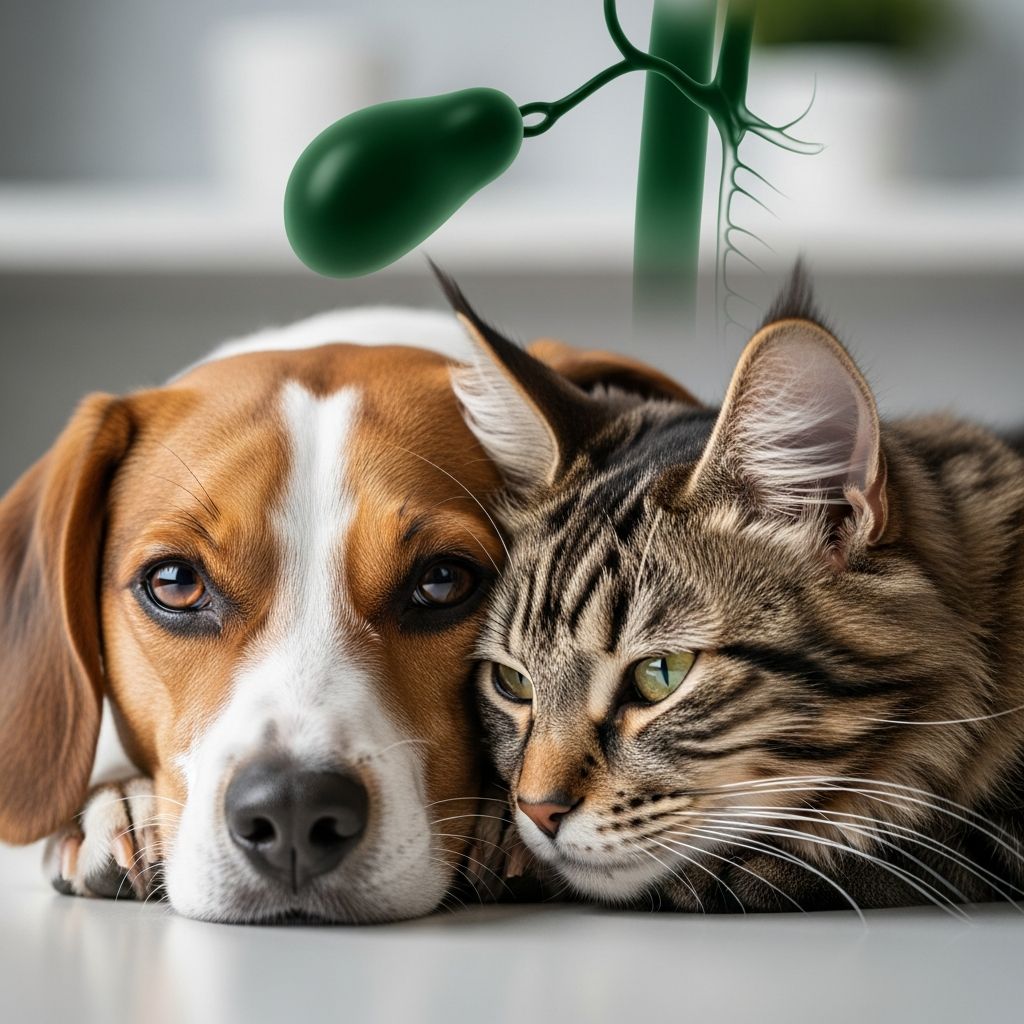
The gallbladder plays a critical role in the digestive health of dogs and cats, storing and concentrating bile produced by the liver. When this organ malfunctions, it can lead to serious health complications that require prompt veterinary attention. Gallbladder diseases represent a spectrum of conditions ranging from mild, manageable disorders to life-threatening emergencies that demand immediate surgical intervention. Understanding these conditions is essential for pet owners and veterinary professionals seeking to identify problems early and implement appropriate treatment strategies.
The Nature of Biliary Accumulation Disorders
One of the most prevalent conditions affecting the gallbladder in companion animals is the development of abnormal bile accumulations within the biliary system. Mucoceles represent a particularly significant concern, characterized by excessive mucus buildup that obstructs normal bile flow. These conditions typically manifest in mature animals, with peak incidence occurring around 10 to 11 years of age. Certain dog breeds demonstrate heightened susceptibility, including Shetland Sheepdogs, Cocker Spaniels, and Miniature Schnauzers, though the condition can affect any breed.
The pathophysiology of these disorders involves progressive thickening and accumulation of bile components within the gallbladder lumen, ultimately preventing normal emptying mechanisms. As the condition advances, the gallbladder becomes increasingly distended, potentially leading to inflammatory changes in the gallbladder wall and surrounding tissues. The inability of the gallbladder to contract and release bile at appropriate times disrupts the normal digestive process and can trigger a cascade of secondary complications.
Inflammatory Conditions Affecting the Biliary System
Cholecystitis, or inflammation of the gallbladder wall, represents another critical category of biliary disease. This inflammatory process can arise from multiple underlying causes, including bacterial infections, malignant tissue growth, blunt force injuries to the liver region, obstruction of bile flow, or thromboembolic complications. The inflammatory response may progress through distinct severity grades, ranging from mild, non-destructive inflammation to severe necrotizing or emphysematous forms that compromise tissue integrity.
When inflammation damages the gallbladder wall integrity, a particularly dangerous complication emerges: bile leakage into the peritoneal cavity. This extravasation triggers severe peritoneal inflammation and infection, potentially progressing to septic shock if not addressed surgically. The clinical manifestations of cholecystitis are often non-specific but consistently troubling, including appetite loss, abdominal tenderness, yellowing of mucous membranes and skin (jaundice), fever, and vomiting.
Gallstone Formation and Associated Complications
Cholelithiasis, or the formation of calcified structures within the biliary system, occurs most frequently in middle-aged and older animals of small breeds. Miniature Schnauzers and Miniature Poodles show particular predisposition to stone formation. While many animals with gallstones remain clinically asymptomatic, others develop significant problems when stones obstruct bile ducts or cause mechanical irritation.
Gallstones may lodge in three primary locations within the biliary tree: within the gallbladder itself (the most common site), within the common bile duct (choledocolithiasis), or within the hepatic or interlobular ducts that drain the liver. The location of the obstruction determines both the severity of clinical signs and the specific treatment approach required. Stones blocking the common bile duct create complete obstruction of bile flow, producing more dramatic clinical manifestations than gallstones confined to the gallbladder.
Clinical Presentation and Early Warning Signs
Pet owners should remain vigilant for several clinical indicators that suggest possible gallbladder disease. The classic symptoms include vomiting, abdominal pain, loss of appetite, lethargy, excessive urination and drinking, and diarrhea. However, emerging research suggests that subtle appetite changes, particularly in the morning hours, may represent an earlier warning sign than more obvious manifestations.
Recent investigations indicate that reduced appetite frequently appears as the initial clinical sign in dogs with evolving gallbladder disease, even when other symptoms remain absent. This distinction holds important clinical implications: animals demonstrating decreased appetite in the morning warrant thorough investigation for underlying biliary dysfunction, as early detection may prevent progression to more severe, life-threatening complications.
Dogs with compromised gallbladder function often exhibit abnormal eating patterns, including postprandial distention (enlargement of the gallbladder following food consumption rather than normal contraction). This dysfunction reflects impaired gallbladder motility, wherein the organ fails to empty appropriately in response to food intake. Research suggests that intestinal inflammation may contribute to this dysmotility in dogs, similar to mechanisms described in human gastrointestinal disease.
The Critical Relationship Between Appetite and Gallbladder Function
Understanding the connection between appetite disorders and biliary disease represents an important advancement in veterinary diagnostics. Dogs with significant morning appetite suppression demonstrated gallbladder distention following meals, indicating failed emptying mechanisms. This abnormal response contrasts sharply with normal physiology, wherein the gallbladder contracts and releases stored bile to facilitate dietary fat digestion.
The emerging evidence suggests that functional gastrointestinal disorders in dogs may mirror similar conditions in humans, including irritable bowel syndrome-like presentations and functional gallbladder disorders. Food allergies and intolerances appear to play significant roles in perpetuating these dysfunctional patterns, suggesting that dietary management represents a crucial therapeutic component.
Diagnostic Approaches and Investigation Protocols
Veterinary diagnosis of gallbladder disease relies on multiple complementary diagnostic modalities. Ultrasonography represents the primary imaging technique for identifying gallstones, assessing gallbladder wall thickness, measuring gallbladder dimensions, and evaluating bile duct diameter. Laboratory evaluation typically includes assessment of liver enzymes, bilirubin levels (to detect icterus), and markers of inflammation such as white blood cell counts.
Physical examination findings often include abdominal pain or tenderness, particularly in the cranial abdominal region where the gallbladder resides. Palpation may reveal abdominal rigidity or reluctance to move, suggesting peritoneal involvement. Mucous membrane color assessment provides important clinical information: pale membranes indicate shock, while icteric (yellow-tinged) membranes indicate hyperbilirubinemia from bile accumulation or hepatic dysfunction.
Surgical Management and Treatment Modalities
Cholecystectomy, or surgical removal of the gallbladder, represents the most effective treatment for many serious gallbladder conditions. This procedure becomes essential in cases of mucocele rupture, severe cholecystitis with peritoneal contamination, or choledochal obstruction causing complete bile flow interruption. The timing of surgical intervention significantly impacts outcome; emergency surgery for ruptured organs carries higher morbidity and mortality than elective procedures performed at earlier disease stages.
Current evidence supports earlier surgical consideration when clinical signs first manifest following initial bile accumulation and solidification, particularly when animals demonstrate poor appetite as the primary complaint. This proactive approach may prevent life-threatening rupture events and the massive peritoneal contamination they generate.
Alternative surgical approaches include cholecystojejunostomy, which bypasses the common bile duct by creating a direct communication between the gallbladder and small intestine. Additional medical management options involve choleretic agents such as ursodeoxycholic acid (UDCA), which promote bile secretion and enhance gallbladder emptying function. However, pharmacological interventions typically prove insufficient for advanced disease and complement rather than replace surgical approaches when indicated.
Emergency Complications and Rupture Scenarios
Gallbladder or bile duct rupture represents the most severe acute complication of biliary disease. Multiple factors can precipitate rupture, including large gallstones causing mechanical obstruction and pressure necrosis, severe inflammatory damage to the gallbladder wall, or blunt abdominal trauma. Certain malignancies or parasitic infections may also compromise bile duct integrity, leading to rupture.
Rupture results in bile peritonitis, a condition characterized by chemical and bacterial peritoneal inflammation. The clinical presentation of ruptured gallbladder includes severe abdominal pain, profound lethargy, repeated vomiting, and complete appetite loss. Animals in this condition often appear systemically ill, with elevated body temperature and signs of shock. Emergency surgical intervention becomes mandatory, with treatment options including primary duct repair with stent placement, gallbladder removal, or creation of a bypass anastomosis connecting the gallbladder or bile duct to the small intestine.
Comparative Disease Presentation in Different Species
While this discussion emphasizes canine disease, feline biliary disorders require distinct clinical consideration. Cats demonstrate particularly high incidence of gallbladder and bile duct disease compared to hepatic parenchymal disease. Feline presentations often include additional complexity due to concurrent hepatic lipidosis, particularly in obese cats or those experiencing anorexia from other causes.
Certain endocrine disorders influence gallbladder disease development in both species. Hypothyroidism and hypercortisolism have demonstrated associations with mucocele formation in dogs. Dyslipidemia, particularly when induced by excessive corticosteroid administration, contributes to abnormal bile composition and mucocele development. Understanding these systemic connections enables comprehensive disease management addressing underlying predisposing conditions.
Nutritional and Supportive Management Strategies
Beyond surgical intervention, nutritional management plays a crucial supportive role in gallbladder disease recovery and management. Animals with compromised gallbladder function benefit from frequent small meals rather than traditional once or twice daily feeding schedules. This approach reduces the demand placed on a dysfunctional organ while providing consistent nutrient intake.
Animals refusing food may require alternative feeding strategies, including tube feeding to ensure adequate caloric and nutritional intake during critical illness or recovery periods. Dietary composition should emphasize easily digestible carbohydrates and limited fat content, reducing the stimulus for gallbladder contraction while the organ remains inflamed or recovering from surgical manipulation.
Vitamin supplementation frequently accompanies gallbladder disease treatment, as cholestasis and fat malabsorption impair absorption of fat-soluble vitamins (A, D, E, and K). Vitamin K supplementation deserves particular emphasis in animals with complete bile duct obstruction, as impaired vitamin K absorption reduces synthesis of essential clotting factors, increasing hemorrhage risk.
Long-Term Prognosis and Outcome Considerations
Prognosis varies considerably depending on disease stage at presentation and underlying cause. Animals treated surgically for mucocele rupture face increased perioperative complications and longer recovery periods compared to those undergoing elective cholecystectomy before rupture occurs. Dogs receiving cholecystectomy for mucocele typically demonstrate clinical improvement following successful surgery, with most animals returning to normal appetite and activity levels during recovery.
Long-term complications following surgery may include recurrent bile duct obstruction or, rarely, infection of the surgical site. Cats demonstrate more guarded prognosis, particularly when concurrent hepatic lipidosis complicates the clinical picture. Feline biliary diversion surgery carries high mortality rates, necessitating careful patient selection and thorough preoperative assessment.
Key Takeaways for Pet Owners and Practitioners
Gallbladder diseases in companion animals span a spectrum from manageable chronic conditions to life-threatening emergencies. Early recognition of subtle signs—particularly morning appetite suppression—enables timely veterinary intervention before catastrophic complications develop. Breed predispositions and age-related risk patterns should heighten clinical suspicion in at-risk populations.
Surgical intervention remains the gold standard for advanced disease, with timing of elective procedures significantly impacting outcomes. Supportive care emphasizing modified nutrition, vitamin supplementation, and careful monitoring facilitates successful recovery. Understanding the interconnection between gallbladder dysfunction, appetite regulation, and gastrointestinal inflammation opens new avenues for comprehensive disease management addressing multiple pathophysiological mechanisms simultaneously.
References
- Managing Disorders of the Gallbladder in Dogs (Proceedings) — DVM360. 2024. https://www.dvm360.com/view/managing-disorders-gallbladder-dogs-proceedings
- Poor Appetite in Dogs: A Potentially Common Symptom of Gall Bladder Disease — Research Outreach. 2019. https://researchoutreach.org/articles/poor-appetite-dogs-potentially-common-symptom-gall-bladder-disease/
- Disorders of the Liver and Gallbladder in Dogs — MSD Veterinary Manual. 2024. https://www.msdvetmanual.com/dog-owners/digestive-disorders-of-dogs/disorders-of-the-liver-and-gallbladder-in-dogs
- Canine Gall Bladder Disease — Veterinary Specialty Center. 2024. https://www.vetspecialty.com/specialties/internal-medicine/canine-gall-bladder-disease/
- Feline Biliary Tree and Gallbladder Disease: Aetiology, Diagnosis and Management — PubMed Central, National Center for Biotechnology Information. 2024. https://pmc.ncbi.nlm.nih.gov/articles/PMC10816526/
Similar Articles








Read full bio of medha deb


