

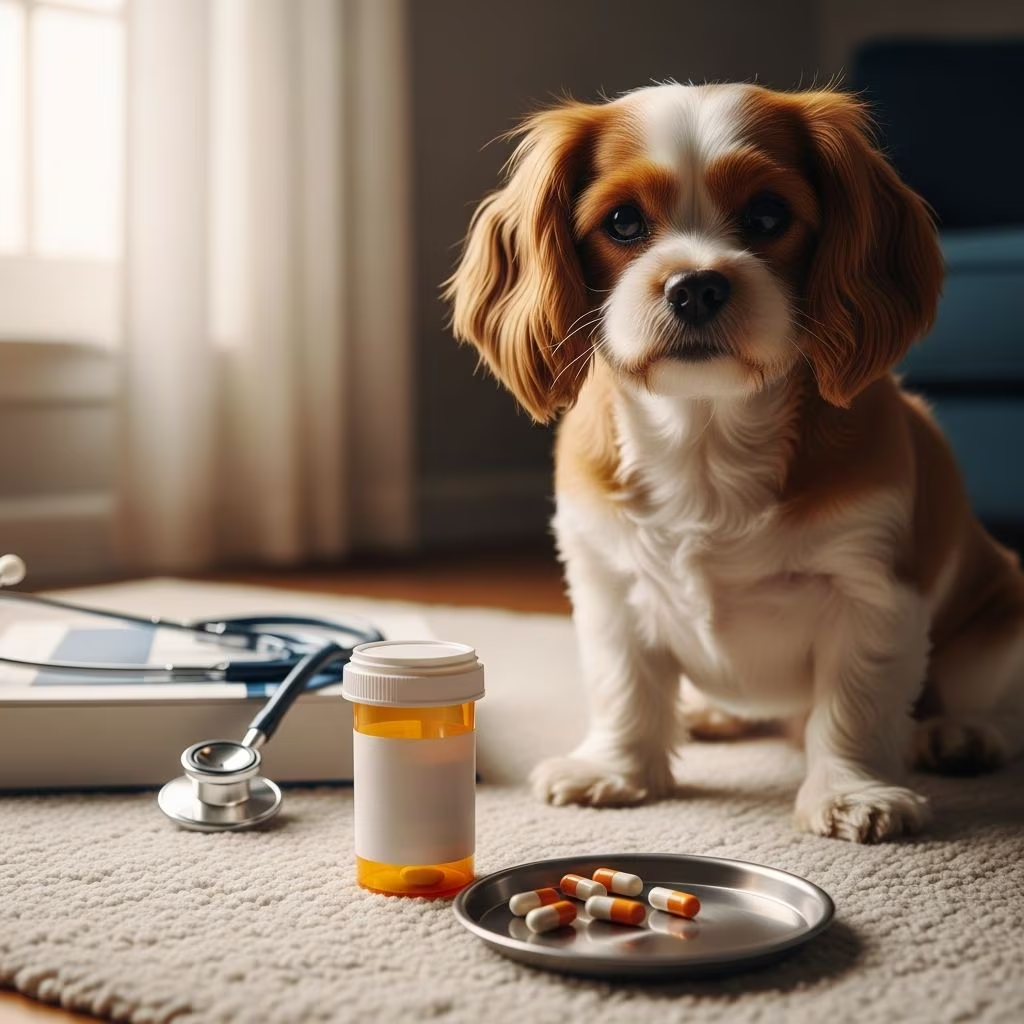
Understanding Gabapentin for Pets
Gabapentin is a prescription medication commonly prescribed by veterinarians to manage various conditions in dogs, cats, and other pets. Originally developed as an anti-seizure medication for humans, gabapentin has become widely used in veterinary medicine for off-label treatment of multiple conditions including chronic pain, anxiety, and seizure disorders. This comprehensive guide provides pet owners with essential information about gabapentin, including proper dosing, therapeutic uses, potential side effects, and important safety considerations.
What Is Gabapentin?
Gabapentin is an anticonvulsant medication that works by affecting nerve function and reducing pain signals in the body. In veterinary medicine, it is prescribed to treat both acute and chronic conditions in companion animals. The medication is typically available in capsule form, with common dosages including 100 mg, 300 mg, and 400 mg capsules. Gabapentin is administered orally and can be given with or without food, though some pets may tolerate it better when taken with meals.
Therapeutic Uses of Gabapentin in Pets
Veterinarians prescribe gabapentin for several specific conditions in dogs and cats:
Pain Management
Gabapentin is particularly effective for managing neuropathic pain and chronic pain conditions in pets. It is frequently prescribed for intervertebral disk disease, which affects the spine and can cause significant discomfort. The medication helps alleviate chronic pain by modulating nerve signals, making it an excellent choice for geriatric pets experiencing age-related pain or those recovering from surgery.
Seizure Control
For dogs and cats prone to seizures, gabapentin serves as an anticonvulsant medication that can help reduce the frequency and severity of seizure episodes. It is often used in conjunction with other anti-seizure medications to provide comprehensive seizure management.
Anxiety Reduction
Gabapentin has proven effective in reducing anxiety in pets, particularly for situational anxiety related to veterinary visits, thunderstorms, or other stressful events. Many veterinarians recommend gabapentin as a calming agent before anticipated stressful situations.
Other Applications
Additionally, gabapentin may be prescribed for other conditions including chronic lameness, post-operative pain management, and general anxiety disorders in companion animals.
Gabapentin Dosage for Dogs
The standard dosage range for gabapentin in dogs is 5–30 mg/kg administered up to three times daily. However, the specific dose your veterinarian prescribes will depend on several factors including your dog’s weight, the condition being treated, severity of symptoms, and overall health status.
Dosage by Weight Chart for Dogs
Small Dogs (5-20 lbs):
- 5-10 lbs: 50-100 mg per dose
- 11-20 lbs: 100-200 mg per dose
Medium Dogs (21-50 lbs):
- 21-30 lbs: 150-300 mg per dose
- 31-40 lbs: 200-400 mg per dose
- 41-50 lbs: 250-500 mg per dose
Large Dogs (51-100 lbs):
- 51-60 lbs: 300-600 mg per dose
- 61-70 lbs: 350-700 mg per dose
- 71-80 lbs: 400-800 mg per dose
- 81-90 lbs: 450-900 mg per dose
- 91-100 lbs: 500-1000 mg per dose
Condition-Specific Dosing
For Pain Management: When treating neuropathic pain, doses typically start at 5–15 mg/kg every 12 hours and may gradually increase to 40 mg/kg every 8–12 hours if necessary. For chronic pain conditions, the dosage range is 3–20 mg/kg administered 2–3 times daily, with some cases requiring doses as high as 50 mg/kg under strict veterinary supervision.
For Seizure Control: Anti-seizure dosing usually starts at 10–15 mg/kg three times daily, with potential increases up to 30–50 mg/kg three to four times daily, depending on seizure severity and frequency. Some dogs may require 10–20 mg/kg every 8 hours for optimal seizure control.
For Anxiety Management: Gabapentin has also been used on an as-needed basis to achieve anxiolysis at 30–60 mg/kg one to two hours before an anticipated stressful event, such as a veterinary visit.
Maximum Safe Dosage for Dogs
The maximum recommended gabapentin dose for dogs is 30 mg/kg, which represents the high end of the safe dosage range. At this dosage level, there is a higher likelihood of experiencing side effects such as sedation and ataxia (loss of coordination). However, it is important to note that the maximum dose can vary based on individual factors including kidney function, liver health, and concurrent medications. Your veterinarian will determine the appropriate maximum dose for your specific dog’s situation.
Frequency of Administration
Gabapentin is effective for approximately 8–12 hours, so it is typically prescribed for administration two to three times daily to maintain therapeutic levels. The specific frequency depends on the condition being treated and your dog’s individual response to the medication. Some dogs tolerate twice-daily dosing very well, while others require three times daily for optimal therapeutic benefit. Always follow your veterinarian’s specific dosing schedule to ensure consistent medication levels in your pet’s system.
Gabapentin Dosage for Cats
Cats require different dosing considerations than dogs due to their unique metabolism. The typical dosage range for gabapentin in cats varies by condition and is generally lower on a per-kilogram basis than canine dosing.
Dosage Guidelines by Condition
For Seizure Management: Cats typically receive 5–10 mg/kg every 12 hours orally, with dosages potentially increased to 20 mg/kg every 8–12 hours in some cases for optimal seizure control.
For Pain Relief: When treating pain in cats, the dosage starts at 1.5 to 5 mg per pound every 12 hours.
For Anxiety: Gabapentin is often given at 100 mg per cat (approximately 20–30 mg/kg) and should be administered 90 minutes prior to stressful events, with peak effect occurring at 2–3 hours.
The typical dose range for most cats is 50 mg to 200 mg and rarely exceeds 200 mg per dose. When used before a stressful event, gabapentin should be given at least 2 to 3 hours before the anticipated situation.
How Quickly Does Gabapentin Work?
Gabapentin should start to take effect fairly quickly in most pets. Relief from symptoms is typically noticed within one to two hours of administration. However, the medication is considered short-acting, with effects generally diminishing within 24 hours. For chronic conditions requiring long-term management, consistent administration according to your veterinarian’s schedule is essential for maintaining therapeutic benefits. It is important to note that the medication may last longer in pets with kidney or liver impairment, requiring dosage adjustments.
Potential Side Effects
While gabapentin is generally well-tolerated by most pets, certain side effects may occur, particularly at higher doses. Common side effects include sedation, ataxia (loss of coordination or wobbly gait), and drowsiness. Some pets may experience diarrhea, vomiting, or loss of appetite. Most side effects are mild and often resolve as the pet’s body adjusts to the medication. However, if your pet experiences severe or persistent side effects, contact your veterinarian immediately.
Important Safety Considerations
Several important safety factors should be considered before administering gabapentin to your pet:
Never Share Medications
It is critically important never to share gabapentin or any other medication between humans and pets, or among different animals. Dosages, formulations, and inactive ingredients differ significantly between preparations intended for humans and those for animals. Pharmacies specializing in pet medications employ staff trained in these important differences.
Kidney and Liver Function
Gabapentin is metabolized through the kidneys, so pets with compromised kidney or liver function may require dose adjustments. Always inform your veterinarian of any pre-existing health conditions or concerns before starting gabapentin therapy.
Drug Interactions
Gabapentin may interact with other medications your pet is currently taking. Inform your veterinarian of all medications, supplements, and herbal products your pet receives before starting gabapentin.
Veterinary Supervision
Never adjust your pet’s gabapentin dosage without consulting your veterinarian. Always follow prescribed dosing instructions exactly as directed, and watch for any unusual symptoms or side effects during treatment.
Monitoring Your Pet on Gabapentin
While your pet is taking gabapentin, monitor for any changes in behavior, appetite, or physical symptoms. Keep track of your pet’s response to treatment, noting whether symptoms improve as expected. If side effects develop or worsen, or if your pet does not seem to be improving after the expected timeframe, contact your veterinarian. Regular veterinary check-ups allow your veterinarian to assess treatment effectiveness and make any necessary adjustments to the dosage or administration schedule.
Frequently Asked Questions About Gabapentin for Pets
Q: Can gabapentin be given with food?
A: Yes, gabapentin can be administered with or without food. Some pet owners find that giving the medication with a meal helps if their pet experiences mild stomach upset.
Q: How long should my pet take gabapentin?
A: The duration of gabapentin therapy depends on the condition being treated. Some pets take it short-term for acute pain or anxiety, while others require long-term chronic pain management. Your veterinarian will determine the appropriate treatment duration for your pet’s specific situation.
Q: What should I do if I miss a dose?
A: If you miss a dose, give it as soon as you remember unless it is almost time for the next scheduled dose. Never double-dose to make up for a missed dose. Contact your veterinarian if you have concerns about missed doses.
Q: Can gabapentin be used for anxiety in all pets?
A: While gabapentin can help manage anxiety in dogs and cats, its effectiveness varies among individual animals. Your veterinarian will determine whether gabapentin is appropriate for your pet’s specific anxiety issues.
Q: Are there any breeds that should not receive gabapentin?
A: Gabapentin can be used in most dog and cat breeds, but individual health status and medical conditions are more important factors than breed. Always discuss your pet’s specific health situation with your veterinarian.
Q: How should gabapentin be stored?
A: Store gabapentin at room temperature in a dry place, away from moisture and direct sunlight. Keep it in its original container with the label intact, and store out of reach of children and pets.
Conclusion
Gabapentin is a valuable medication in veterinary medicine that helps manage pain, anxiety, and seizure disorders in dogs, cats, and other companion animals. When prescribed by a veterinarian and administered according to specific dosing guidelines, gabapentin can significantly improve your pet’s quality of life. The standard dosage of 5–30 mg/kg for dogs and condition-specific dosing for cats provides effective therapeutic benefit while maintaining safety. Always follow your veterinarian’s dosing instructions precisely, monitor your pet for side effects, and maintain regular veterinary communication regarding your pet’s response to treatment. By understanding how gabapentin works, appropriate dosing ranges, and potential considerations, pet owners can make informed decisions about their pet’s medication management and contribute to better long-term health outcomes.
References
- Gabapentin Dosage for Dogs by Weight — SingleCare. 2024. https://www.singlecare.com/blog/gabapentin-dosage-for-dogs-by-weight/
- Gabapentin for Dogs Dosage by Weight Guide — PetsCare.com. 2024. https://www.petscare.com/news/post/gabapentin-dosage-for-dogs-weight-guide
- Gabapentin: Clinical Use and Pharmacokinetics in Dogs, Cats, and Equine Patients — National Center for Biotechnology Information (NCBI). 2023. https://pmc.ncbi.nlm.nih.gov/articles/PMC10295034/
- The Use of Gabapentin to Help Manage Anxiety in Dogs — DVM360. 2024. https://www.dvm360.com/view/use-gabapentin-help-manage-anxiety-dogs
- Gabapentin for Cats: Uses, Dosage, and Safety — Paoli Vetcare. 2024. https://www.paolivet.com/health/gabapentin-for-cats/
- Gabapentin for Dogs: Uses, Dosage, and Side Effects — PetMD. 2024. https://www.petmd.com/dog/care/gabapentin-dogs-what-you-need-know
- Gabapentin for Cats: Uses, Dosage, Side Effects — GoodRx. 2024. https://www.goodrx.com/pet-health/cat/gabapentin-for-cats



