

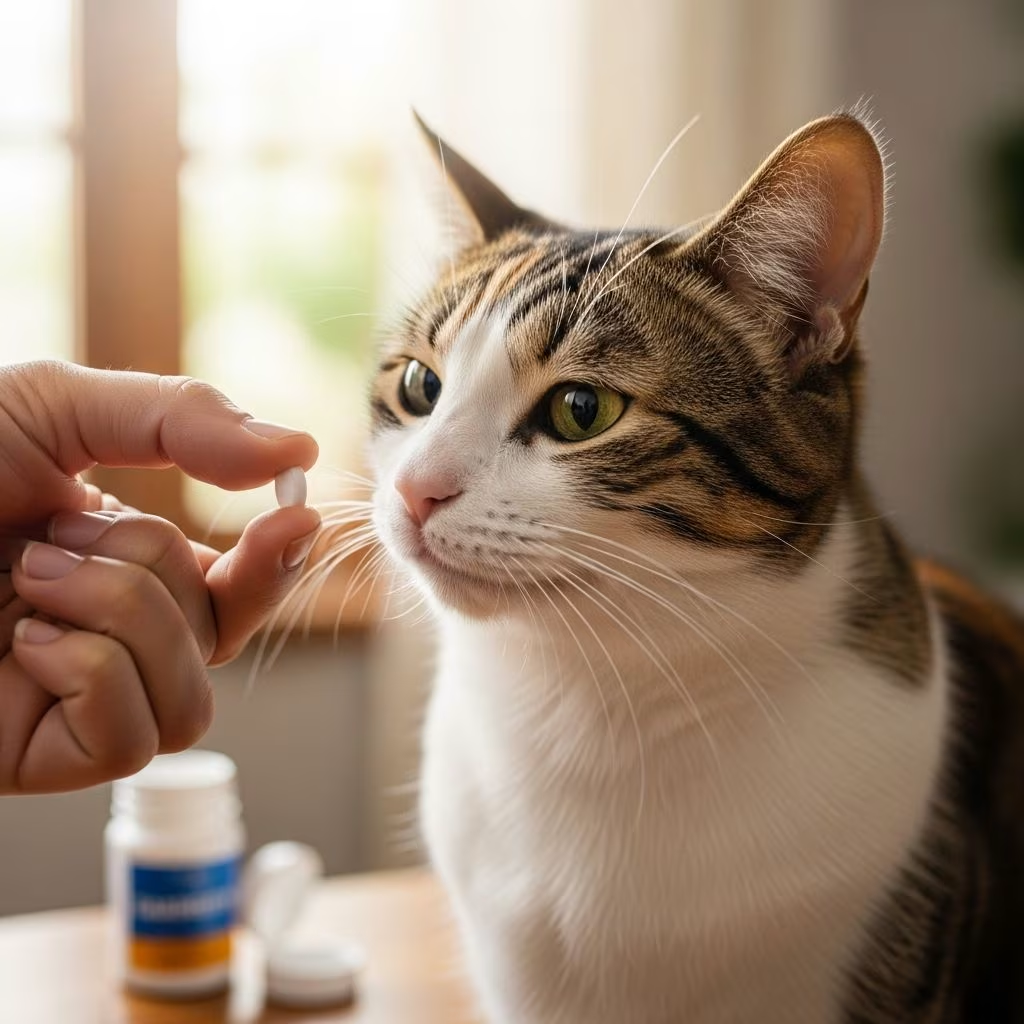
Gabapentin for Pets: A Comprehensive Guide to Pain Management and Treatment
Gabapentin is a prescription medication commonly prescribed by veterinarians to manage pain, seizures, and anxiety in dogs and cats. Originally developed as an anticonvulsant for humans, gabapentin has become a valuable tool in veterinary medicine for addressing various conditions affecting pets. This comprehensive guide will help pet owners understand how gabapentin works, appropriate dosing, uses, potential side effects, and important safety considerations when administering this medication to their beloved companions.
What Is Gabapentin?
Gabapentin is a medication classified as an anticonvulsant and analgesic agent. Veterinarians prescribe it off-label for multiple conditions in both dogs and cats. The medication works by affecting the way the body senses pain and by decreasing abnormal excitement in the brain. Unlike some other pain medications, gabapentin does not directly act on opioid receptors, making it a valuable option for multimodal pain management strategies. The drug is absorbed through the gastrointestinal tract when given orally and is eliminated primarily through the kidneys.
Common Uses of Gabapentin in Veterinary Medicine
Gabapentin has several important applications in treating various pet conditions. Understanding these uses helps pet owners recognize when their veterinarian might recommend this medication.
Pain Management
One of the most common uses of gabapentin in veterinary practice is managing chronic and neuropathic pain in pets. This includes pain from arthritis, intervertebral disk disease, and post-surgical recovery. The medication is particularly effective for nerve-related pain that may not respond adequately to other pain medications alone. Many veterinarians use gabapentin as part of a multimodal approach to pain management, combining it with other medications for enhanced effectiveness.
Seizure Control
Gabapentin is used as an anticonvulsant medication to help control seizures in dogs and cats. It may be prescribed as a standalone treatment or in combination with other anticonvulsant medications. The medication can help reduce both the frequency and severity of seizure episodes in pets with epilepsy or other seizure disorders.
Anxiety Management
Veterinarians frequently prescribe gabapentin to help manage anxiety in pets, particularly for situational anxiety related to specific events. Dogs with noise phobia, separation anxiety, or fear of veterinary visits often benefit from gabapentin administration. The medication can be given on an as-needed basis before anticipated stressful events or as part of a longer-term anxiety management plan.
Other Therapeutic Applications
Beyond the primary uses mentioned, gabapentin may be prescribed for various other conditions including temporohyoid osteoarthropathy and other chronic pain conditions where conventional pain management proves insufficient.
Gabapentin Dosage for Dogs by Weight
Proper dosing is crucial for ensuring gabapentin’s effectiveness while minimizing potential side effects. The standard dosage range for dogs is 5-30 mg/kg, administered up to three times daily. However, dosing varies significantly based on the specific condition being treated, the individual dog’s health status, and other medications the pet may be receiving.
Standard Dosing Guidelines
| Dog Weight | Standard Dose Range | Typical Daily Dose (3x daily) |
|---|---|---|
| 5-10 lbs | 50-100 mg per dose | 150-300 mg daily |
| 11-20 lbs | 100-200 mg per dose | 300-600 mg daily |
| 21-30 lbs | 150-300 mg per dose | 450-900 mg daily |
| 31-40 lbs | 200-400 mg per dose | 600-1200 mg daily |
| 41-50 lbs | 250-500 mg per dose | 750-1500 mg daily |
| 51+ lbs | Varies by calculation | Consult veterinarian |
Dosing by Condition
For Pain Management: When treating neuropathic pain, the starting dose typically ranges from 3-20 mg/kg administered 2-3 times daily. In some cases, veterinarians may gradually increase doses up to 50 mg/kg, though this requires close monitoring and strict veterinary supervision.
For Seizure Control: Anti-seizure dosing usually starts at 10-15 mg/kg administered three times daily. Depending on seizure severity and frequency, doses may be increased up to 30-50 mg/kg given three to four times daily.
For Anxiety: Gabapentin can be administered at 30-60 mg/kg one to two hours before anticipated stressful events to achieve anxiolysis. This as-needed approach often proves effective for situational anxiety.
Gabapentin Dosage for Cats
Cats have different pharmacokinetic profiles than dogs, requiring different dosing approaches. The typical dose range for cats is much lower than for dogs due to their smaller body size and different medication metabolism.
Feline Dosing Guidelines
For Pain Relief: Cats typically receive 1.5-5 mg per pound every 12 hours for pain management.
For Seizure Control: Seizure management in cats requires 2.5-5 mg per pound every 8-12 hours, with potential increases to 10 mg per pound in more severe cases.
For Anxiety: When used for anxiety in cats, the typical dose is approximately 20 mg/kg or 100 mg per cat, administered 90 minutes prior to stressful events with peak effects occurring at 2-3 hours after administration.
General Range: For most cats, the dose range is 50-200 mg per dose, and it rarely exceeds 200 mg per administration.
How Often Should Gabapentin Be Administered?
Gabapentin’s duration of action is approximately 8 hours in most pets. For this reason, the medication is typically prescribed for administration three times daily to maintain consistent therapeutic levels. However, some dogs tolerate twice-daily dosing very well, and individual pets may respond differently to dosing schedules. Always follow your veterinarian’s specific dosing instructions, as they will determine the optimal frequency based on your pet’s individual response and condition.
The medication should start taking effect fairly quickly, with relief typically noticed within one to two hours of administration. Since gabapentin is a short-acting drug, its effects will be gone within 24 hours. It is important to note that the medication may last longer in pets with kidney or liver impairment, requiring dose adjustments in these cases.
Maximum Safe Dosage
While 30 mg/kg is generally considered the high end of the safe dosage range for dogs, some veterinarians may prescribe higher doses up to 40-50 mg/kg in specific clinical situations. At doses approaching 30 mg/kg, there is a higher likelihood of side effects such as sedation and ataxia (loss of coordination). However, the maximum safe dose can vary depending on several individual factors including the dog’s kidney function, liver health, age, and other medications being administered. Dosage adjustments may be necessary for senior pets or those with compromised organ function.
Potential Side Effects of Gabapentin
While gabapentin is generally well-tolerated in both dogs and cats, pet owners should be aware of potential side effects that may occur, particularly at higher doses.
Common Side Effects
- Sedation and drowsiness
- Ataxia (loss of coordination or wobbly gait)
- Dizziness or lightheadedness
- Mild gastrointestinal upset
- Lethargy or decreased activity
- Mild behavioral changes
Managing Side Effects
Most side effects are mild and tend to decrease as the pet’s body adjusts to the medication. Starting with a lower dose and gradually increasing it often allows pets to acclimate to the drug with fewer side effects. Administering gabapentin with food may help reduce gastrointestinal upset in some pets. If side effects are severe or persistent, contact your veterinarian, as dose adjustment or alternative medications may be necessary.
Important Safety Considerations
Kidney and Liver Function
Since gabapentin is eliminated primarily through the kidneys, pets with kidney disease or impaired kidney function may require dose adjustments. Similarly, pets with liver disease may metabolize the medication differently. Always inform your veterinarian about any pre-existing kidney or liver conditions, and baseline bloodwork may be recommended before starting gabapentin in older pets or those with known organ disease.
Drug Interactions
Gabapentin may interact with certain other medications. Inform your veterinarian about all medications, supplements, and over-the-counter products your pet is currently taking. This is especially important when combining gabapentin with other pain medications, sedatives, or anticonvulsants.
Pregnancy and Nursing
The safety of gabapentin in pregnant or nursing pets has not been thoroughly established. If your pet is pregnant, nursing, or you suspect pregnancy, discuss this with your veterinarian before administering gabapentin.
Never Share Human Medications
It is critically important never to share human gabapentin prescriptions with your pet or to administer human formulations without explicit veterinary approval. Dosing requirements differ significantly between species, and some formulations intended for human use may contain inactive ingredients that are harmful to pets. Always obtain gabapentin prescriptions specifically formulated and dosed for your pet from your veterinarian.
What to Expect When Starting Gabapentin
When your veterinarian prescribes gabapentin, you should understand what to expect during the treatment process. The medication typically begins working within one to two hours of administration, with maximum effects often occurring within the first few hours. Your veterinarian may recommend starting with a lower dose and gradually increasing it over several days to allow your pet’s body to adjust and to minimize side effects.
Keep detailed notes about your pet’s response to the medication, including any improvements in pain, anxiety, or seizure activity, as well as any side effects observed. This information will help your veterinarian determine whether dose adjustments are needed.
Monitoring Your Pet on Gabapentin
Pet owners should monitor their animals for both therapeutic effects and potential side effects while on gabapentin therapy. Watch for signs of improvement in the condition being treated, such as reduced limping, decreased anxiety behaviors, or fewer seizure episodes. Simultaneously, observe for any adverse effects including excessive sedation, loss of coordination, or behavioral changes. If you notice any concerning symptoms, contact your veterinarian promptly.
For pets on long-term gabapentin therapy, your veterinarian may recommend periodic bloodwork to ensure kidney and liver function remain normal, particularly in senior pets or those with pre-existing organ disease.
Frequently Asked Questions About Gabapentin
Q: Can gabapentin be given with or without food?
A: Gabapentin can generally be given with or without food. However, administering it with food may help reduce gastrointestinal upset in some pets. Follow your veterinarian’s specific instructions regarding food administration.
Q: How long does gabapentin take to work?
A: Gabapentin typically begins working within one to two hours of administration, with effects lasting approximately eight hours. This is why it is usually prescribed for two to three times daily dosing.
Q: What should I do if I miss a dose?
A: If you miss a dose, give it as soon as you remember, unless it is almost time for the next scheduled dose. Do not double up on doses. Contact your veterinarian if you have concerns about missed doses.
Q: Can gabapentin be stopped abruptly, or does it need to be tapered?
A: Always consult your veterinarian before stopping gabapentin. In some cases, gradual tapering may be recommended to avoid rebound effects, particularly if the medication has been used long-term.
Q: Is gabapentin safe for senior pets?
A: Gabapentin can be used in senior pets, but dose adjustments may be necessary due to age-related changes in kidney and liver function. Your veterinarian may recommend baseline bloodwork before starting treatment in older animals.
Q: What is the cost of gabapentin for pets?
A: The cost varies based on the dose, quantity, and your location. Generic versions are typically more affordable than brand-name formulations. Ask your veterinarian about cost-saving options or compounded formulations.
Conclusion
Gabapentin is a valuable medication in veterinary medicine for managing pain, seizures, and anxiety in dogs and cats. Proper dosing based on weight and condition, careful monitoring for side effects, and close communication with your veterinarian ensure safe and effective treatment. Never administer gabapentin without veterinary guidance, and always follow the specific dosing instructions provided for your individual pet. If you have questions or concerns about gabapentin therapy, consult your veterinarian for personalized advice.
References
- Gabapentin dosage for dogs by weight — SingleCare. 2025. https://www.singlecare.com/blog/gabapentin-dosage-for-dogs-by-weight/
- Gabapentin for Dogs Dosage by Weight Guide — PetsCare.com. 2025. https://www.petscare.com/news/post/gabapentin-dosage-for-dogs-weight-guide
- Gabapentin: Clinical Use and Pharmacokinetics in Dogs, Cats, and Horses — National Center for Biotechnology Information (NCBI). PMC10295034. https://pmc.ncbi.nlm.nih.gov/articles/PMC10295034/
- The use of gabapentin to help manage anxiety in dogs — DVM360. 2025. https://www.dvm360.com/view/use-gabapentin-help-manage-anxiety-dogs
- Gabapentin for Cats: Uses, Dosage, and Safety — Paoli Vetcare. 2025. https://www.paolivet.com/health/gabapentin-for-cats/
- Gabapentin for Dogs: Uses, Dosage, and Side Effects — PetMD. 2025. https://www.petmd.com/dog/care/gabapentin-dogs-what-you-need-know



