

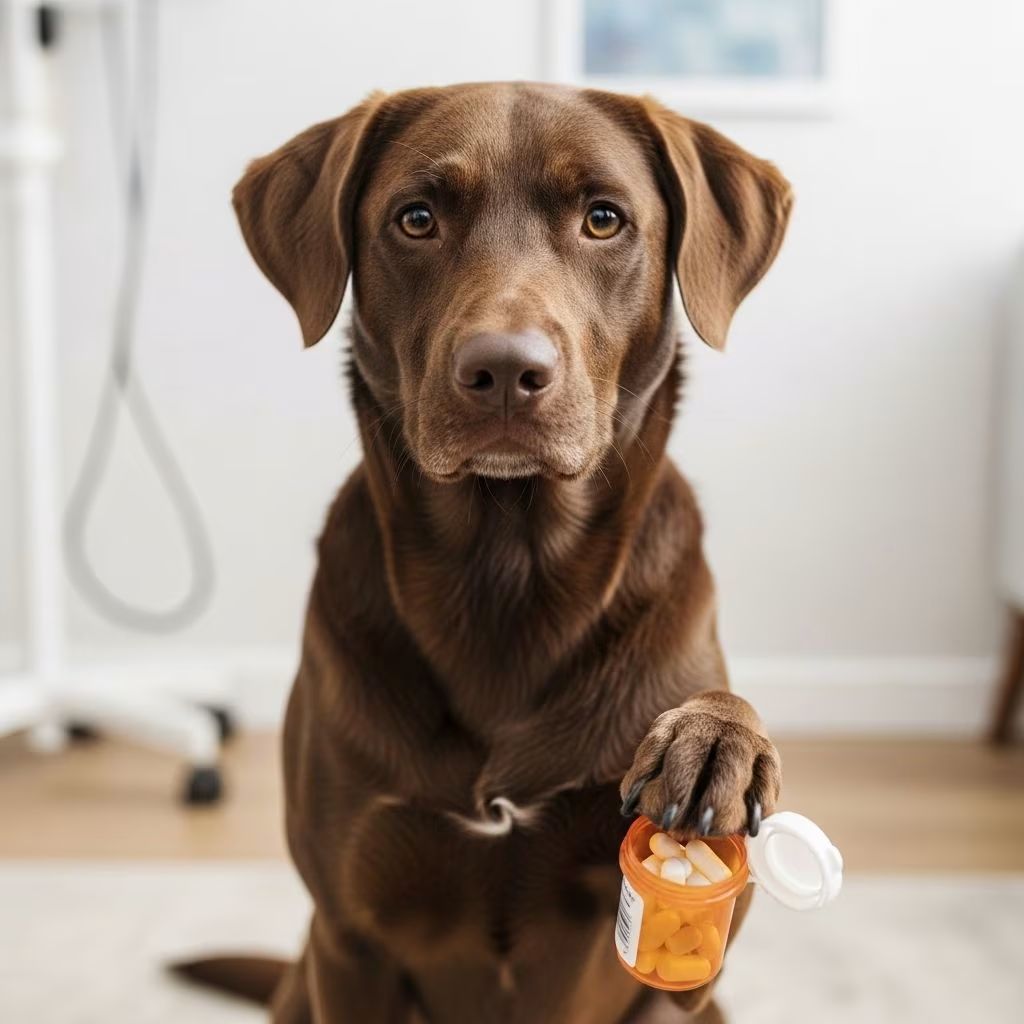
Gabapentin for Dogs: A Comprehensive Guide to Uses, Dosage, and Safety
Gabapentin is a prescription medication commonly prescribed by veterinarians to manage various health conditions in dogs. This versatile drug has become an essential tool in canine pain management and neurological treatment. Whether your dog is dealing with chronic pain, seizures, anxiety, or nerve-related issues, understanding how gabapentin works and how to administer it properly is crucial for your pet’s wellbeing.
What Is Gabapentin and How Does It Work?
Gabapentin is a medication originally developed for human use that veterinarians prescribe off-label to treat various conditions in dogs. The drug works by affecting nerve signals in the body, making it particularly effective for pain management and neurological conditions. Gabapentin is classified as an anticonvulsant and analgesic medication, meaning it can help prevent seizures and provide pain relief simultaneously.
The medication functions by binding to calcium channels in the nervous system, which helps reduce the transmission of pain signals and abnormal electrical activity in the brain. This mechanism makes it useful for multiple conditions beyond simple pain relief, including anxiety management and seizure prevention.
Common Uses of Gabapentin in Dogs
Veterinarians prescribe gabapentin for several different conditions affecting dogs. Understanding these uses can help you work with your veterinarian to determine if this medication is appropriate for your pet’s specific health needs.
Pain Management
One of the primary uses of gabapentin in dogs is managing chronic pain, particularly associated with conditions like arthritis, intervertebral disc disease, and post-surgical pain. Dogs experiencing chronic pain conditions benefit from gabapentin’s ability to modulate pain signals, offering relief when other pain medications may be insufficient or cause unwanted side effects.
Seizure Control
Gabapentin serves as an adjunct medication in seizure management, typically used alongside other anticonvulsants like phenobarbital or Keppra. For dogs with epilepsy or recurring seizures, gabapentin can help reduce seizure frequency and severity. A dosage of 10–20 mg/kg every eight hours orally is administered to manage seizures in dogs, with some dogs requiring higher doses for better control.
Anxiety and Stress Relief
Veterinarians increasingly use gabapentin to help dogs manage anxiety, including separation anxiety, noise phobias, and situational anxiety related to veterinary visits or thunderstorms. The medication’s calming effects can help anxious dogs feel more comfortable during stressful situations.
Nerve Pain and Neuropathy
For dogs experiencing neuropathic pain or nerve-related conditions, gabapentin provides targeted relief by addressing the root cause of nerve signal disruption rather than just masking symptoms.
Understanding Gabapentin Dosage for Dogs
Proper dosing is essential for gabapentin’s effectiveness and safety. The dosage varies significantly based on multiple factors including your dog’s weight, the condition being treated, and any other medications your pet may be taking.
Standard Dosage Guidelines
The standard gabapentin dosage for dogs is 5–30 mg/kg up to three times daily. However, this range provides general guidance, and your veterinarian will determine the specific dose appropriate for your individual dog. The general rule of thumb is that dogs should receive around 5 mg of gabapentin per kg of body weight every 12 hours as a starting point, though adjustments may be necessary.
Dosage by Condition
Different health conditions require different dosing approaches:
For Pain Management: The dosage of gabapentin for nerve pain may start at 5–15 mg/kg every 12 hours and gradually increase to 40 mg/kg every eight to 12 hours if necessary. This gradual titration allows your veterinarian to find the optimal dose while minimizing side effects.
For Seizures: A dosage of 10–20 mg/kg every eight hours orally is administered to manage seizures in dogs. Certain dogs may sometimes be given a higher dose to control seizures effectively. The recommended starting dose for seizures is 10 mg/kg twice daily, with potential increases up to 30-60 mg/kg twice daily depending on response.
For Anxiety: Dosages for anxiety management can range from 5-30 mg/kg up to three times daily for ongoing anxiety management. For short-term use before anticipated stressful events, doses have been as high as 30–60 mg/kg given 1–2 hours before the triggering event.
Maximum Safe Dosage
The maximum safe dosage of gabapentin for dogs is generally considered to be around 30 mg/kg, as dosages at this range carry a higher likelihood of side effects such as sedation and ataxia (loss of coordination). However, some veterinarians may prescribe higher doses for specific situations, particularly for seizure management or acute anxiety. Always follow your veterinarian’s specific recommendations for your dog.
How to Administer Gabapentin to Your Dog
Frequency and Timing
Gabapentin is typically prescribed for administration two to four times per day. The medication is effective for around eight hours, so it is typically prescribed for three times daily, though some dogs tolerate twice daily dosing very well. You can give gabapentin with or without food, though some owners find giving it with a meal helps with administration and may reduce stomach upset.
When using gabapentin for anxiety before stressful events, give the medication at least 1.5 to 2 hours before the anticipated stressful situation. This allows time for the medication to take effect.
Available Forms
Gabapentin comes in multiple formulations to accommodate different dogs and their needs:
Capsules: Available in 100 mg, 300 mg, and 400 mg strengths. Capsules can be opened and the contents mixed with food for dogs that have difficulty swallowing pills.
Tablets: Also available in 100 mg, 300 mg, and 400 mg strengths for easier administration to dogs that prefer tablets.
Oral Liquid Solution: Contains 250 mg gabapentin per 5 ml of suspension, though some formulations may contain xylitol, which is toxic to dogs. Always verify the formulation with your veterinarian.
Compounded Formulations: Compounding pharmacies can create customized gabapentin formulations tailored to your dog’s specific needs, which is particularly helpful for smaller dogs that have difficulty with standard human formulations.
How Quickly Does Gabapentin Work?
Gabapentin should start to take effect fairly quickly, and relief should be noticed within one to two hours of administration. The medication is a short-acting drug, with effects lasting around eight hours. However, the medication may last longer in dogs with kidney or liver impairment.
Potential Side Effects of Gabapentin in Dogs
While gabapentin is generally well-tolerated in dogs, it can cause side effects, particularly at higher doses. Understanding these potential effects helps you monitor your dog and report concerns to your veterinarian promptly.
Common Side Effects
Sedation: The most common side effect of gabapentin is drowsiness or sedation. Dogs may appear lethargic or less interested in activities, particularly when starting the medication or at higher doses.
Ataxia: Loss of coordination or wobbly gait can occur, particularly at higher doses. This typically resolves as your dog’s body adjusts to the medication.
Dizziness: Some dogs may exhibit signs of dizziness or disorientation.
Managing Side Effects
If gabapentin overly sedates your dog, your veterinarian will likely decrease the dose and have you report back to assess improvements in your dog’s condition and their overall sleepiness. Most side effects are dose-dependent and often diminish as dogs become accustomed to the medication. Starting with a low dose and gradually increasing it allows your veterinarian to find the therapeutic dose that works best while minimizing unwanted effects.
Important Safety Considerations and Precautions
Veterinary Supervision is Essential
Never give gabapentin to your dog without veterinary guidance. It is crucial to never share human medications with your dog and to fill your dog’s prescriptions at pharmacies with staff trained in the differences between dogs and humans. Your veterinarian will give you specific dosage instructions based on your dog’s individual health profile.
Dogs with Kidney or Liver Issues
Dogs with kidney or liver impairment may require dose adjustments, as the medication may remain in their system longer. Always inform your veterinarian about any existing health conditions your dog has.
Drug Interactions
Gabapentin can interact with other medications, particularly those affecting the nervous system. Inform your veterinarian about all medications and supplements your dog is currently taking.
Formulation Safety
Some gabapentin oral solutions may contain xylitol, an artificial sweetener that is toxic to dogs. Always verify the specific formulation prescribed by your veterinarian, especially when using liquid forms.
Monitoring Your Dog on Gabapentin
Once your dog starts gabapentin, it’s important to monitor their response carefully. Keep track of any changes in behavior, pain levels, seizure frequency, or anxiety symptoms. Your veterinarian may need to adjust the dose based on your observations. Report any concerns or unexpected side effects immediately.
By following your veterinarian’s dosing guidelines, gabapentin use in dogs should be safe and effective. Always watch for side effects, and call your veterinarian if any problems arise.
Frequently Asked Questions About Gabapentin for Dogs
Q: Can I give my dog gabapentin without a veterinary prescription?
A: No, gabapentin is a prescription medication and should never be administered without direct veterinary supervision and guidance. Your veterinarian needs to evaluate your dog’s specific condition and health status to determine appropriate dosing.
Q: How long does it take for gabapentin to work in dogs?
A: Gabapentin should start taking effect within one to two hours of administration. The full benefits may become more apparent after several days of consistent treatment as your dog’s body adjusts to the medication.
Q: Is gabapentin safe for long-term use in dogs?
A: Yes, gabapentin can be used safely for long-term management of chronic conditions when prescribed by a veterinarian and monitored appropriately. Your veterinarian will determine the appropriate duration of treatment based on your dog’s needs.
Q: What should I do if I miss a dose of gabapentin for my dog?
A: If you miss a dose, give it as soon as you remember, unless it’s almost time for the next scheduled dose. Never double up on doses. Contact your veterinarian if you have questions about missed doses.
Q: Can gabapentin be mixed with food or treats?
A: Yes, gabapentin can be given with or without food. Many owners find mixing the medication with treats or wet food helps with administration. However, verify with your veterinarian if there are any specific recommendations for your dog’s particular prescription.
Q: What are signs that the gabapentin dose needs adjustment?
A: Signs that your dog’s gabapentin dose may need adjustment include excessive sedation, lack of pain relief, continued seizures, or persistent anxiety. Report any concerns to your veterinarian, who can modify the dosage accordingly.
References
- Gabapentin dosage for dogs by weight — SingleCare. 2024. https://www.singlecare.com/blog/gabapentin-dosage-for-dogs-by-weight/
- Gabapentin For Dogs: Dosage By Weight — Dutch. 2024. https://www.dutch.com/blogs/dogs/gabapentin-dosage-by-weight
- Gabapentin for Dogs: How it Works, Dosage, and Side Effects — Total.vet. 2024. https://total.vet/gabapentin-for-dogs/
- Gabapentin: Clinical Use and Pharmacokinetics in Dogs, Cats, and Other Species — National Center for Biotechnology Information. 2023. https://pmc.ncbi.nlm.nih.gov/articles/PMC10295034/
- The use of gabapentin to help manage anxiety in dogs — DVM360. 2024. https://www.dvm360.com/view/use-gabapentin-help-manage-anxiety-dogs



