

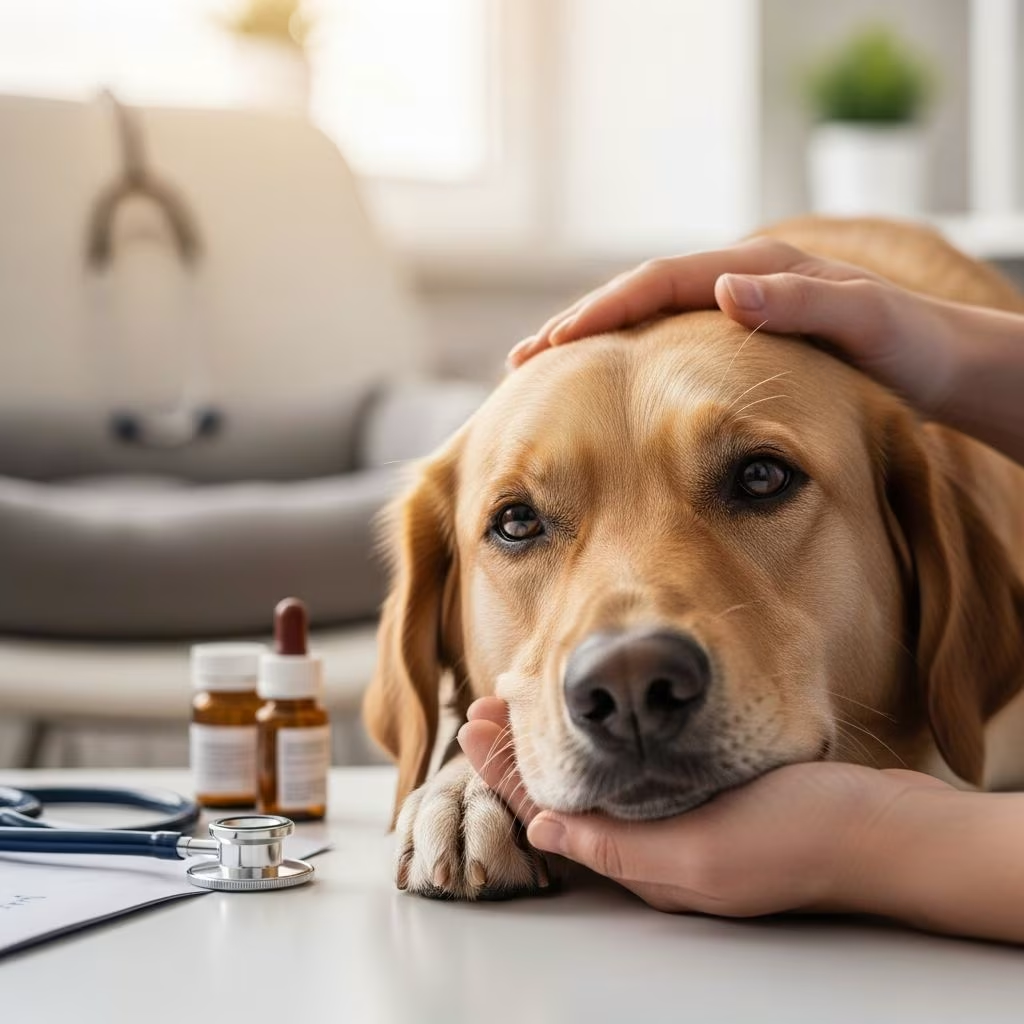
Gabapentin is an anticonvulsant medication commonly used off-label in veterinary medicine to help control seizures in dogs with epilepsy, particularly as an adjunct therapy when primary treatments like phenobarbital and potassium bromide prove insufficient.
What is dog epilepsy?
Epilepsy in dogs is a chronic neurological disorder characterized by recurrent, unprovoked seizures. These seizures can range from mild focal episodes, where only part of the body is affected, to severe generalized tonic-clonic convulsions involving the entire body. Idiopathic epilepsy, the most common form in dogs, has no identifiable underlying cause and typically manifests between 6 months and 6 years of age. Breeds like Labrador Retrievers, German Shepherds, Belgian Tervurens, and Border Collies are predisposed.
Seizures occur due to abnormal electrical activity in the brain, leading to symptoms such as collapse, paddling limbs, drooling, loss of consciousness, and involuntary urination or defecation. Clusters of seizures or status epilepticus (prolonged seizures) are medical emergencies requiring immediate veterinary intervention. Without proper management, epilepsy can significantly reduce a dog’s quality of life, causing anxiety, injury risks, and secondary health issues.
Symptoms of epilepsy in dogs
Recognizing epilepsy symptoms early is crucial for timely diagnosis and treatment. Common signs include:
- Aura phase: Behavioral changes like restlessness, hiding, pacing, vocalizing, or salivating, signaling an impending seizure.
- Ictal phase (seizure itself): Lasting 30 seconds to 2 minutes, featuring stiffening, paddling, jaw chomping, foaming at the mouth, and loss of consciousness.
- Post-ictal phase: Confusion, disorientation, temporary blindness, pacing, thirst, or restlessness lasting minutes to hours.
Frequency varies; some dogs experience isolated events, while others have weekly clusters. Video recording seizures aids veterinarians in diagnosis, distinguishing epilepsy from other causes like toxins, metabolic disorders, or brain tumors.
Diagnosis of epilepsy in dogs
Diagnosing canine epilepsy involves ruling out secondary causes through a thorough veterinary workup:
- Complete blood work (CBC, chemistry panel) to check for organ dysfunction, low glucose, or electrolyte imbalances.
- Urinalysis for infections or crystals.
- Neurological exam assessing reflexes, gait, and mentation.
- Advanced imaging: MRI or CT scans to exclude structural brain issues like tumors or inflammation.
- Cerebrospinal fluid (CSF) analysis if inflammatory disease is suspected.
If no underlying cause is found and seizures fit idiopathic epilepsy criteria, treatment commences. Monitoring seizure frequency, duration, and clusters guides therapy adjustments.
Treatment options for dog epilepsy
First-line treatments include:
- Phenobarbital: Rapid-acting barbiturate, dosed at 2-4 mg/kg twice daily, targeting therapeutic serum levels (15-45 mcg/mL).
- Potassium Bromide (KBr): Takes 3-6 months to reach steady state, dosed at 20-30 mg/kg daily, effective for refractory cases.
For refractory epilepsy—defined as breakthrough seizures despite optimized first-line therapy—add-on drugs like gabapentin, levetiracetam (Keppra), or zonisamide are considered. Lifestyle modifications, such as stress reduction, consistent routines, and avoiding triggers (flashing lights, certain foods), complement pharmacotherapy.
What is gabapentin?
Gabapentin (brand name Neurontin) is a human anticonvulsant originally developed for partial seizures and neuropathic pain. Structurally similar to the neurotransmitter GABA, it does not directly mimic GABA but modulates calcium channels in neurons, reducing excitatory neurotransmitter release. In veterinary use, it’s prescribed off-label for dogs to manage chronic pain, anxiety, and refractory seizures. Administered orally as capsules (100mg, 300mg, 400mg), tablets, or compounded liquids, it reaches peak effect in 1-2 hours and lasts up to 24 hours.
Gabapentin for dog epilepsy: How it works
Gabapentin serves as adjunctive therapy for dogs with refractory idiopathic epilepsy. In a study of 11 dogs on phenobarbital and potassium bromide, adding gabapentin (10 mg/kg every 8 hours) for at least 3 months yielded positive results in 6 dogs, defined as ≥50% reduction in weekly seizures. Overall, seizure frequency per week decreased significantly (P=0.005), and seizure days per week reduced (P=0.03).
It stabilizes neuronal membranes, suppressing hyperexcitability without the hepatotoxicity of some anticonvulsants. Ideal for multidrug-resistant cases, it enhances control when combined with phenobarbital, bromide, or levetiracetam.
Gabapentin dosage for dogs with epilepsy
Veterinarians tailor dosages based on weight, health status, and response:
| Condition | Typical Dosage | Frequency |
|---|---|---|
| Epilepsy (adjunct) | 10-20 mg/kg | Every 8 hours |
| Seizure prevention | 15-30 mg/kg | Every 8-12 hours |
Start low to minimize sedation, titrating up. For a 20kg dog, initial dose might be 200mg TID (three times daily). Compounding allows precise dosing. Therapeutic monitoring via clinical response is key, as no standard serum levels exist for dogs.
Side effects of gabapentin in dogs
Gabapentin is generally well-tolerated, but common side effects include:
- Sedation/Ataxia: Most frequent, dose-dependent, often resolving within 24 hours or with adjustment.
- Gastrointestinal upset: Vomiting, diarrhea (rare).
- Appetite changes: Increased hunger in some.
In the refractory epilepsy study, mild ataxia and sedation occurred in 5/11 dogs but did not necessitate discontinuation. Use caution in dogs with renal/hepatic impairment, as gabapentin is renally excreted (partially hepatically metabolized in dogs). Avoid abrupt cessation to prevent withdrawal seizures.
Precautions and contraindications
- Allergies: Contraindicated in known hypersensitivity.
- Renal/Liver disease: Dose reduction, monitoring required.
- Pregnancy/Lactation: Use cautiously; safety unestablished.
- Xylitol-containing liquids: Toxic to dogs—verify formulations.
- Drug interactions: Enhanced sedation with opioids, antacids reduce absorption.
Regular vet check-ups, including bloodwork, ensure safety during long-term use.
Alternatives to gabapentin for dog epilepsy
Other adjuncts include:
- Levetiracetam (Keppra): Minimal side effects, rapid onset.
- Zonisamide: Once-daily dosing, liver monitoring needed.
- Topiramate: Emerging option for clusters.
- Rectal Diazepam: For acute clusters at home.
Combination therapy optimizes control; no single drug suits all.
When to see a vet for dog epilepsy
Seek immediate care for:
- First seizure or change in pattern.
- Clusters (>1 in 24 hours) or status epilepticus (>5 minutes).
- Post-seizure complications like injury or prolonged recovery.
- Suspected side effects or breakthrough on therapy.
Annual neurologist consultations refine management.
FAQs
Is gabapentin safe for dogs with epilepsy?
Yes, when prescribed by a vet. It’s effective as add-on therapy for refractory cases with manageable side effects.
How quickly does gabapentin work for dog seizures?
Effects begin in 1-2 hours, with full benefits over days to weeks as dosing stabilizes.
Can gabapentin be used alone for epilepsy?
Rarely; it’s typically adjunctive to phenobarbital or bromide.
What if my dog is too sedated on gabapentin?
Your vet can lower the dose or switch timing; effects often wane.
Can I stop gabapentin suddenly?
No—taper under vet guidance to avoid rebound seizures.
References
- Treatment with gabapentin of 11 dogs with refractory idiopathic epilepsy — Platt SR et al. Vet Rec. 2006-12-30. https://pubmed.ncbi.nlm.nih.gov/17189599/
- All You Need to Know About Gabapentin for Dogs — Paoli Vetcare. Accessed 2026. https://www.paolivet.com/health/gabapentin-for-dogs/
- Gabapentin for Dogs: Uses, Dosage, and Side Effects — PetMD. Accessed 2026. https://www.petmd.com/dog/care/gabapentin-dogs-what-you-need-know
- Treatment for Epilepsy in Dogs Fact Sheet — Vet Specialists. Accessed 2026. https://www.vetspecialists.co.uk/fact-sheets-post/treatment-for-epilepsy-in-dogs-fact-sheet/
- Gabapentin for Dogs: Uses, Side Effects, and Alternatives — AKC. Accessed 2026. https://www.akc.org/expert-advice/health/gabapentin-for-dogs/
- Gabapentin — VCA Animal Hospitals. Accessed 2026. https://vcahospitals.com/know-your-pet/gabapentin



